An Intelligent Weather Station Will Keep Watch Over Field Conditions
Scientists at the Research Institute of Agriculture of Crimea are developing an automated weather station for crop management based on data on agroclimatic risks.
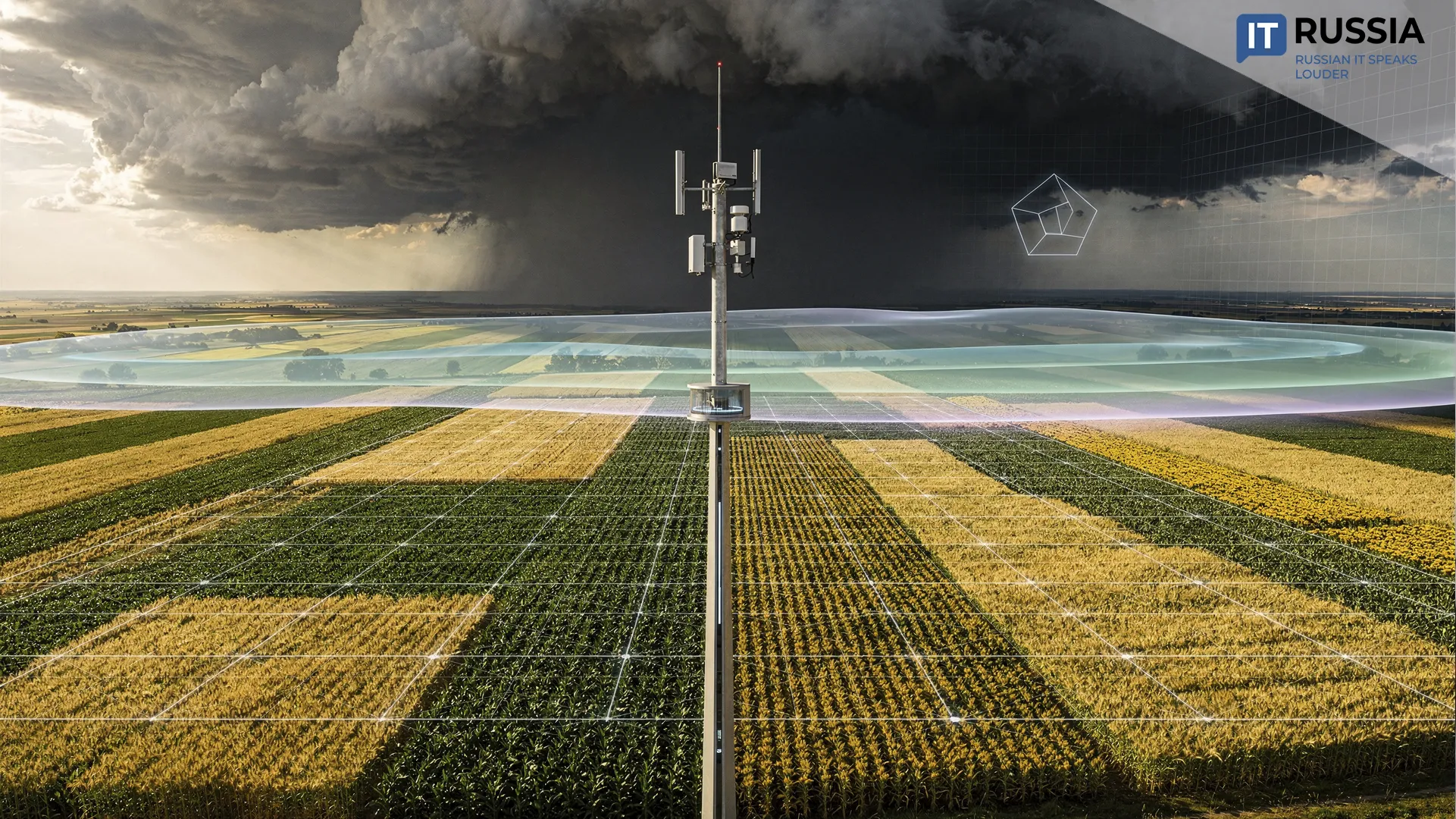
Climate change has become one of the most important factors shaping modern agriculture worldwide, including in Russia. Areas once considered the country's breadbaskets are increasingly being hit by extreme weather. Agricultural climate zones are changing rapidly, creating a need for systems that can monitor weather conditions and analyze those changes in real time. Digital weather-monitoring platforms are emerging as a way to meet that need.
A Weather Station for Crimea
Scientists at the Research Institute of Agriculture of Crimea are developing a new digital weather station for farmers on the peninsula. Under a state-funded assignment, the team is required to “develop digital approaches to assessing agroclimatic risks and the impact of agrometeorological conditions on crop yields in an arid zone.”
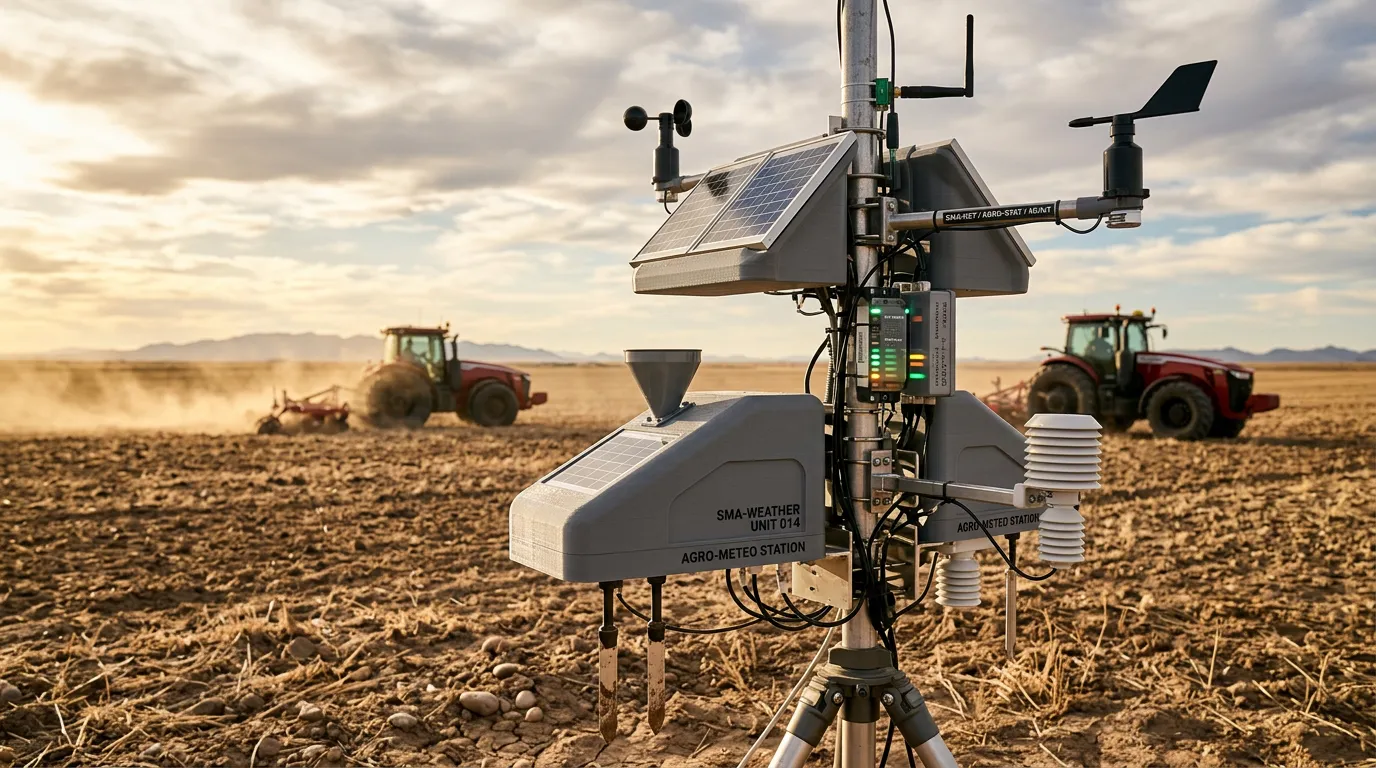
The researchers are using modeling and 3D-printing technologies to optimize the manufacturing process and create a weather station that can be adapted for use across different industries.
The developers have assembled the first experimental weather station, and field testing is now underway. They are evaluating power-supply options, data-transmission quality and sensor reliability. Problems identified during testing are being addressed as the work progresses. The team eventually plans to produce its own components, including printed circuit boards and other parts. That could lower the cost of the finished product and make manufacturing less dependent on imported components.
The digital weather station is expected to allow crop producers in the Republic of Crimea to anticipate weather anomalies in time, which are gradually becoming a growing challenge for the peninsula. For example, in spring 2024, the Dzhankoy, Krasnogvardeysky and Kirovsky districts received no rain, leaving soils severely dried out, followed by frosts. The resulting crop losses affected 7,000 hectares.
An IoT Tool for Precision Agriculture
The digital agricultural weather station developed by the Crimean researchers is an IoT system designed to monitor climate conditions and help farmers make timely decisions to reduce risks in agriculture. “Weather information collected from fields provides the basis for mathematical models that forecast crop yields and crop development. Modern digital services analyze field data and turn it into decision-support tools. Forecasting systems use a range of machine-learning methods, achieving forecast accuracy of up to 97% for the short term,” said Olga Chebunina, CEO of JSC Agropromtsifra.
Work on this type of weather station has been underway since 2021, when the Altai region began developing a network of digital weather stations that measure soil and air temperature, record precipitation and assess plant conditions. In 2023, scientists at North-Caucasus Federal University developed technology for remotely monitoring soil moisture and other soil characteristics. In 2026, the Buryat Research Institute of Agriculture launched an automated system for monitoring agrometeorological conditions.
Once integrated into agricultural operations, digital weather stations could become an important part of Russia's precision-agriculture systems. Precision agriculture relies on detailed analysis of field data and uses it to make tailored decisions for individual areas within a farm.
A Personal AI Analyst for Farmers
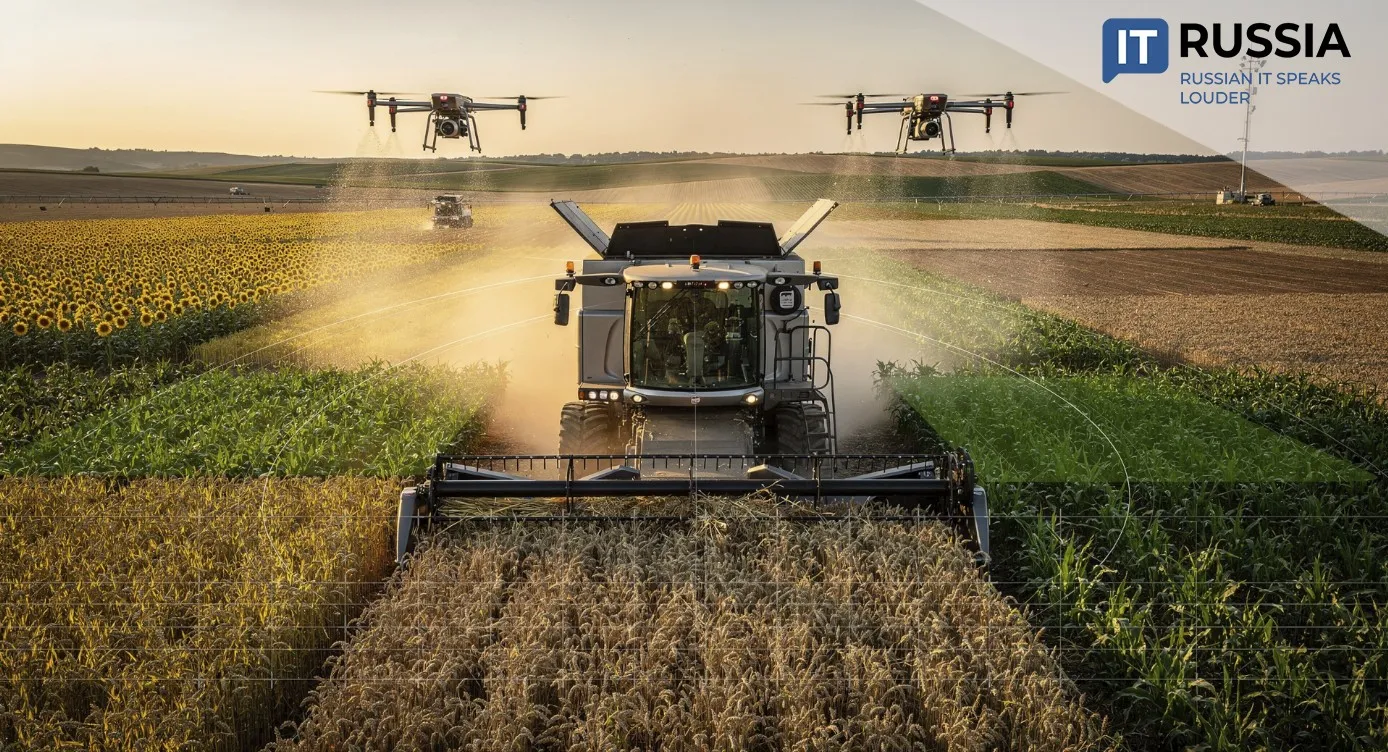
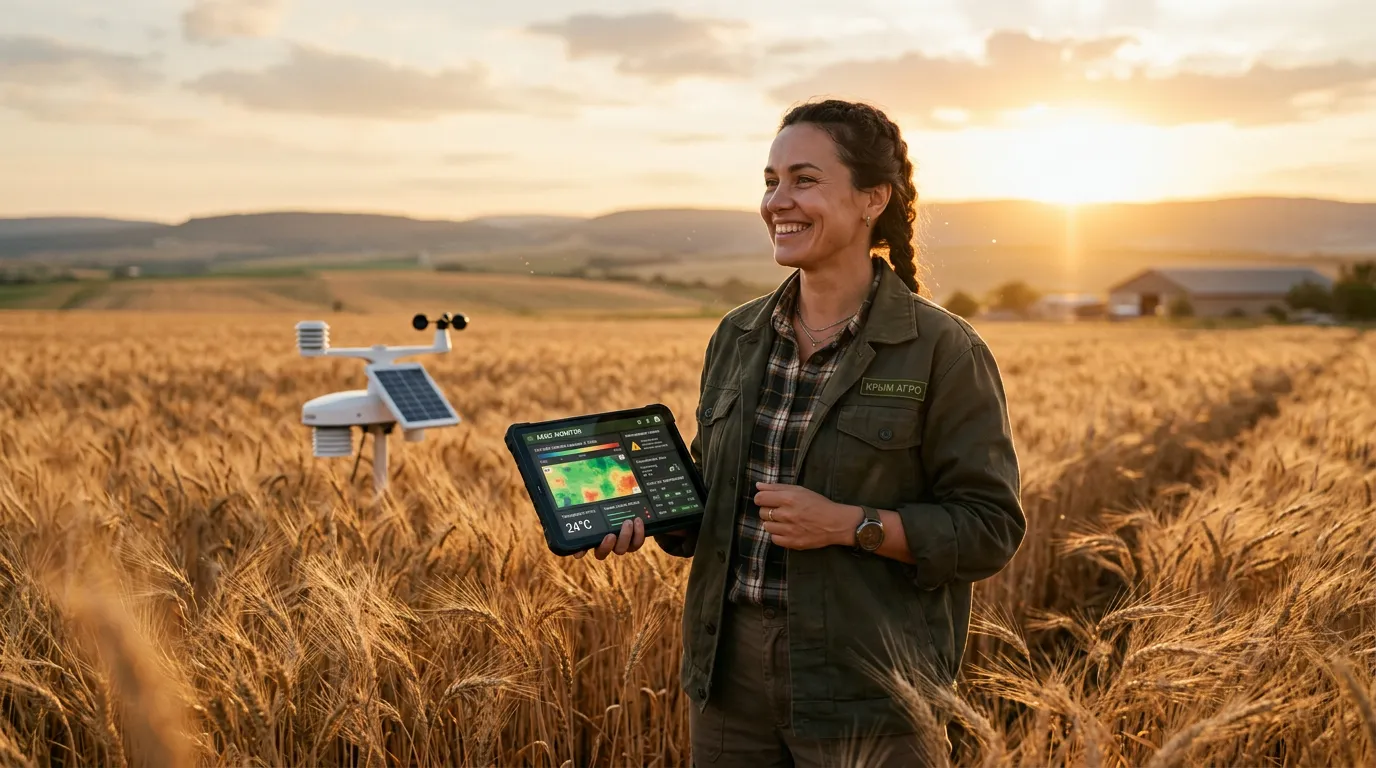
Experts estimate that management decisions now account for 60% of agricultural efficiency. That is why Russia is developing specialized intelligent platforms to help farmers make better decisions. Crop-yield forecasting systems draw on information from a range of technologies, including weather stations, sensors installed in fields and on farm equipment, satellite imagery and big-data repositories. Neural networks then analyze factors that can affect yields, including weather conditions, soil health, crop growth stages and historical data.
The analysis can then produce specific recommendations for farmers: when to plant, which crops are likely to be economically viable, when to irrigate, how to treat crops and how to protect them from diseases and pests.
For smart-farming systems, reliable agroclimatic information is needed not only to understand current conditions but also to prevent losses and help farmers adjust their operations before a crisis develops. Smart-farming platforms will require continuous upgrades, creating an important new market segment for Russia's IT industry within agriculture.
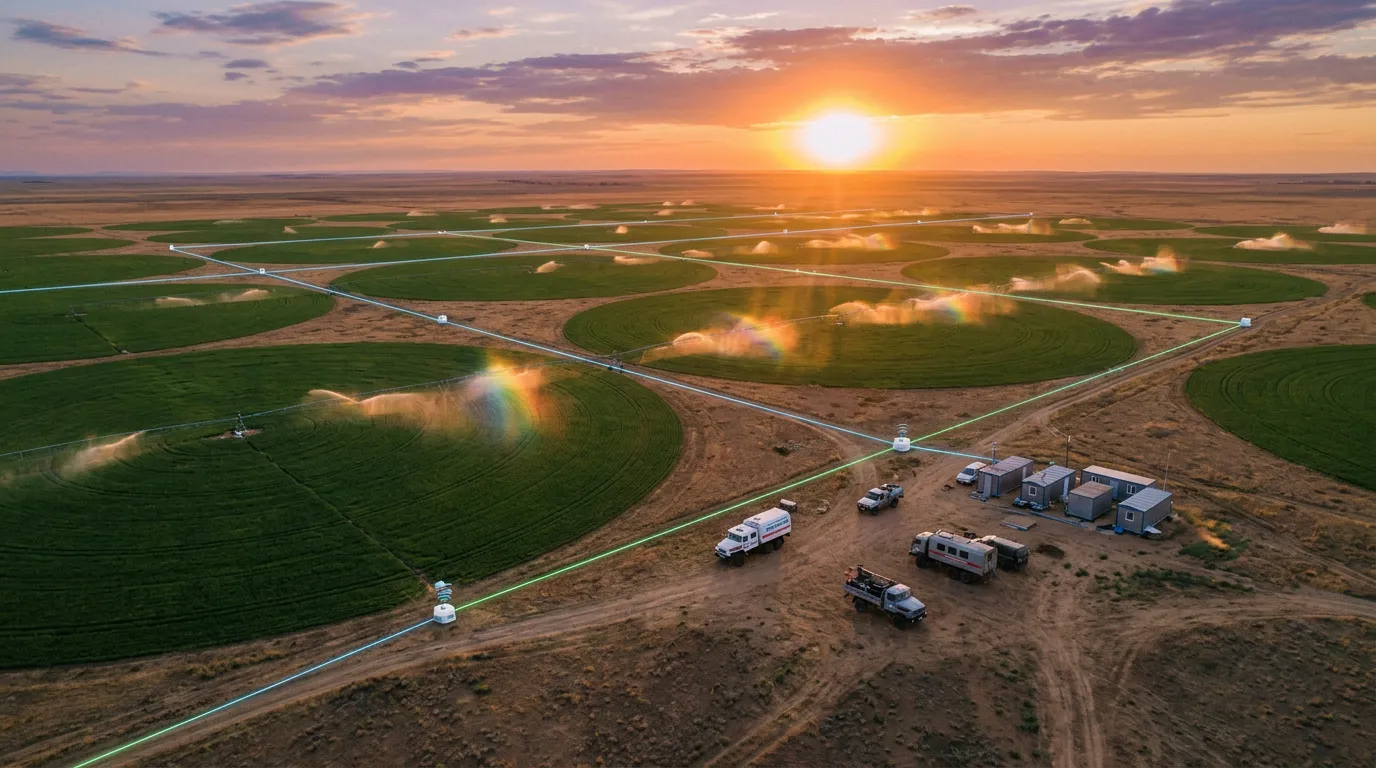
Meanwhile, Russian precision-agriculture platforms already in operation are being tested and supplied in countries with similar climate conditions, turning them into an export product in their own right.