AI Optimizes Ultra-Viscous Oil Production
Tatneft engineers have developed a monitoring and automated control system for ultra-viscous oil wells, using AI-driven analytics to continuously select the optimal production mode.
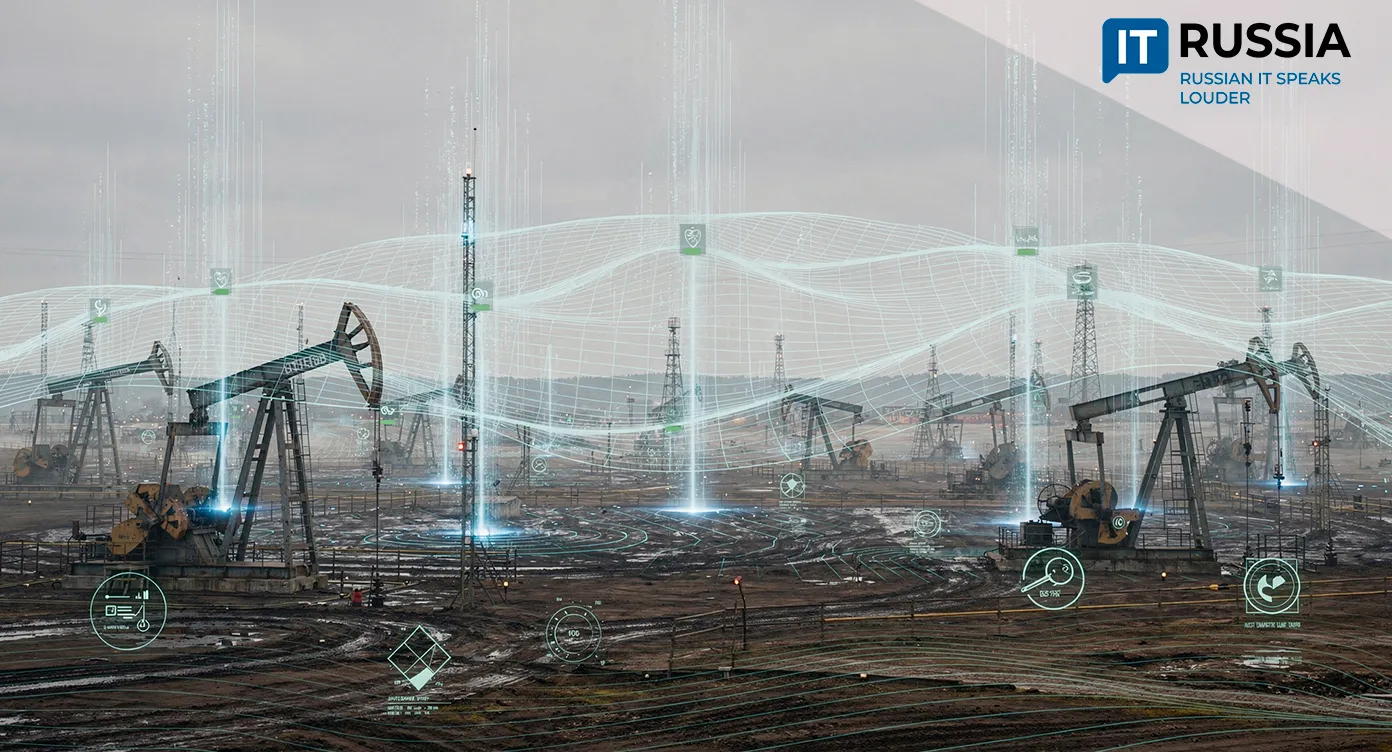
Operating parameters are selected based on analysis of continuously updated well-performance data. In practice, digitalization is helping producers work more efficiently with hard-to-recover reserves by improving monitoring precision, reducing downtime, lowering energy consumption and increasing oil recovery rates.
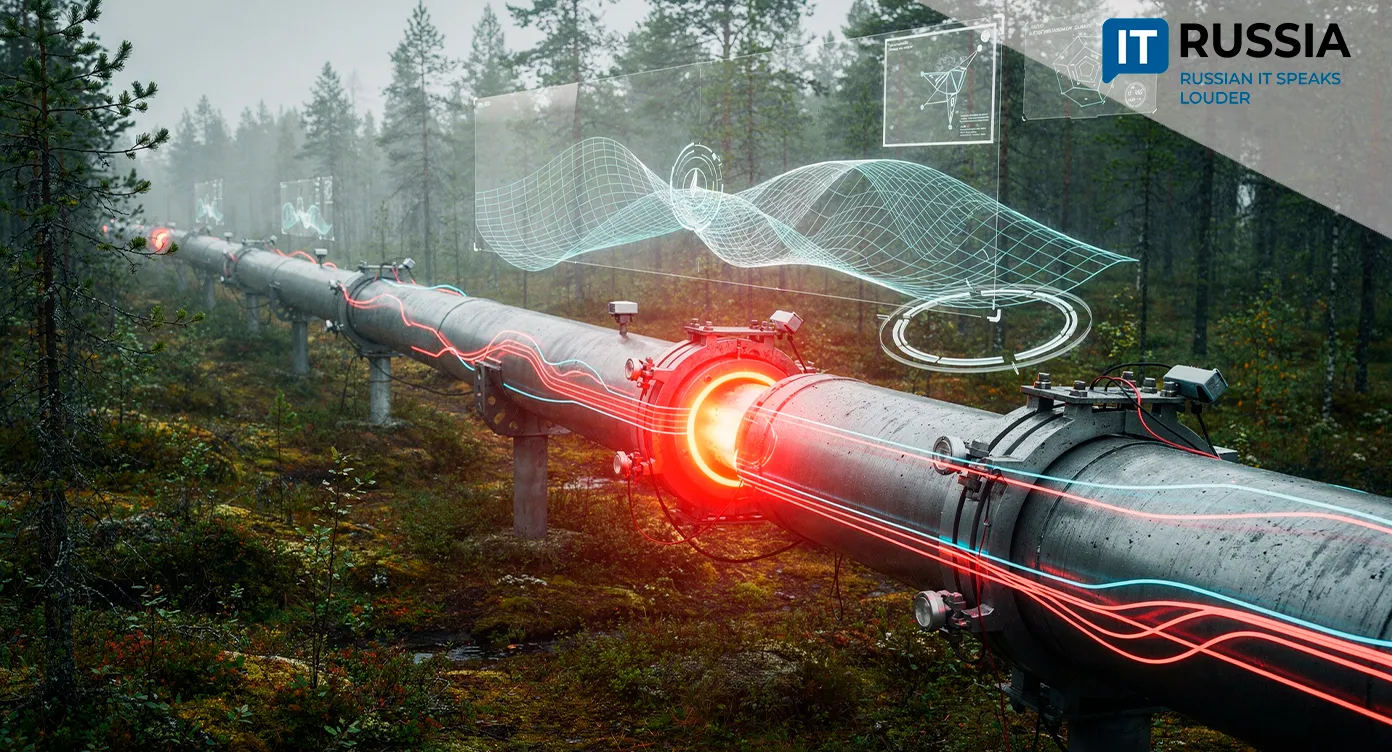
The industrial system combines telemetry equipment, sensors, automated control algorithms, a web portal, a digital reservoir model and elements of intelligent production management. The development is particularly significant for Tatarstan, where Tatneft has spent years expanding both ultra-viscous oil production and digital oilfield management technologies.

Award-Winning Engineering
The system was developed by Ilnar Nurullin and Azat Fazleyev, engineers from the production-efficiency group at Tatneft-Dobycha and the engineering company NTTs Avtomatizatsiya, izmereniya, inzhiniring. Built around big-data analytics, the platform received a diploma from the prestigious Nadezhda Rossii (Hope of Russia) Youth Prize in Science and Technology for 2025, one of the country’s leading awards in scientific and engineering innovation.
Ultra-viscous oil production requires extremely high operational precision, since even minor deviations can lead to product losses and significant financial costs. The newly developed system can operate both alongside human personnel and in autonomous mode, independently adjusting equipment settings to maintain optimal well flow rates and prevent abnormal operating conditions. The product has already been deployed in field operations and is demonstrating strong performance indicators.
Tatneft researchers and engineers also received a major award in 2025 for a related project. A company team won the Republic of Tatarstan State Prize in Science and Technology for developing and industrially deploying a full-cycle treatment and reuse system for produced formation water used in ultra-viscous oil extraction.
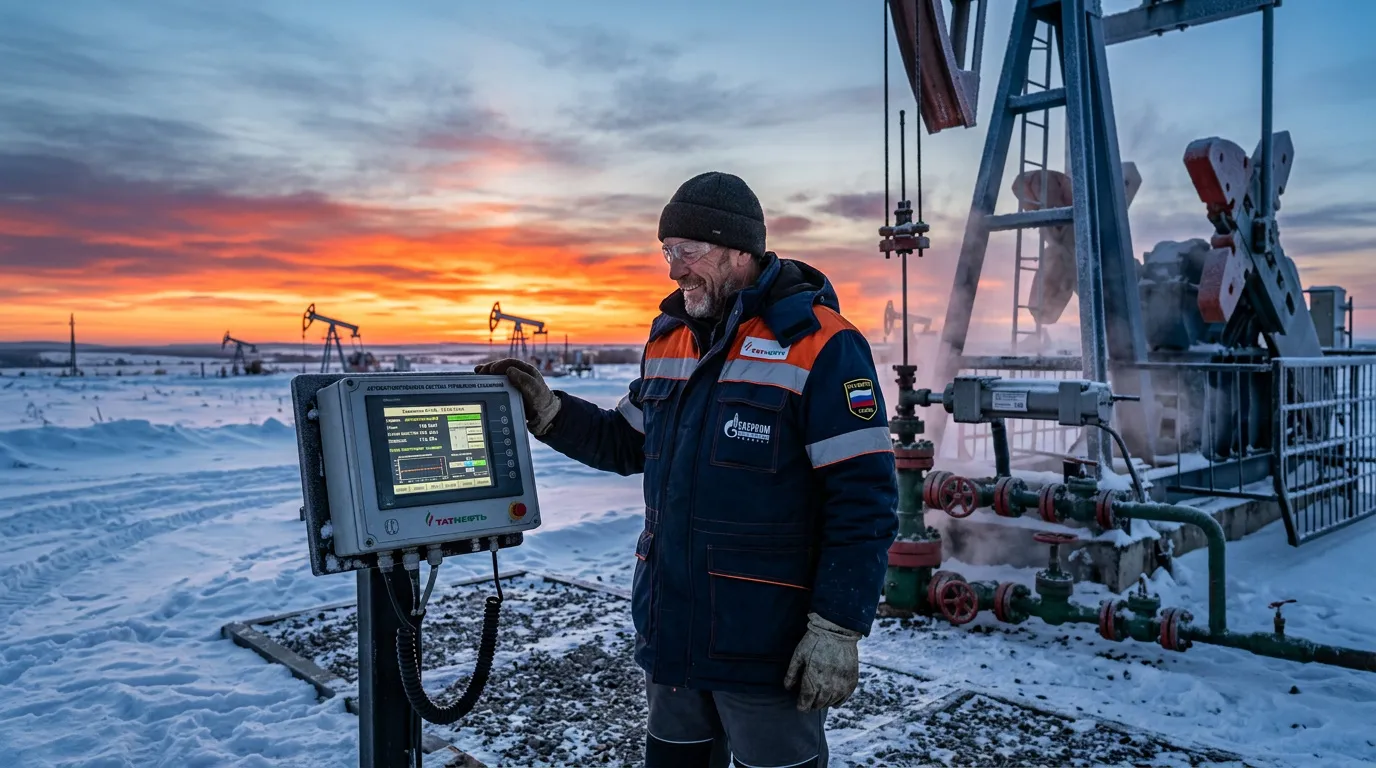
Ultra-Viscous Resources, Ultra-Precise Control
The new system currently covers 24 production lifts across Tatneft’s ultra-viscous oil fields. Deployment required installation of specialized sensor systems for each well. Operational personnel can access real-time production data through a web portal.
The AI platform evaluates ultra-viscous oil fields using both individual well performance indicators and field-wide operational metrics. Analytical results are integrated into a reservoir proxy model that performs production forecasts for oil, liquids and steam injection while incorporating actual field-performance data throughout the life cycle of the reservoir. Robotic control significantly reduces underproduction losses and extends the operating life of downhole pumping equipment.
Steam injection is especially important for ultra-viscous oil production. Tatneft previously reported that some of its engineering solutions reduced steam-generation energy consumption by as much as 40% under specific operating schemes while also lowering environmental impacts.
Domestic digital solutions for exploration and production are currently in especially high demand. Russia’s Ministry of Energy is developing the Tsifrovaya energetika (Digital Energy) departmental project, which explicitly identifies oil-and-gas digitalization as one of its strategic priorities.
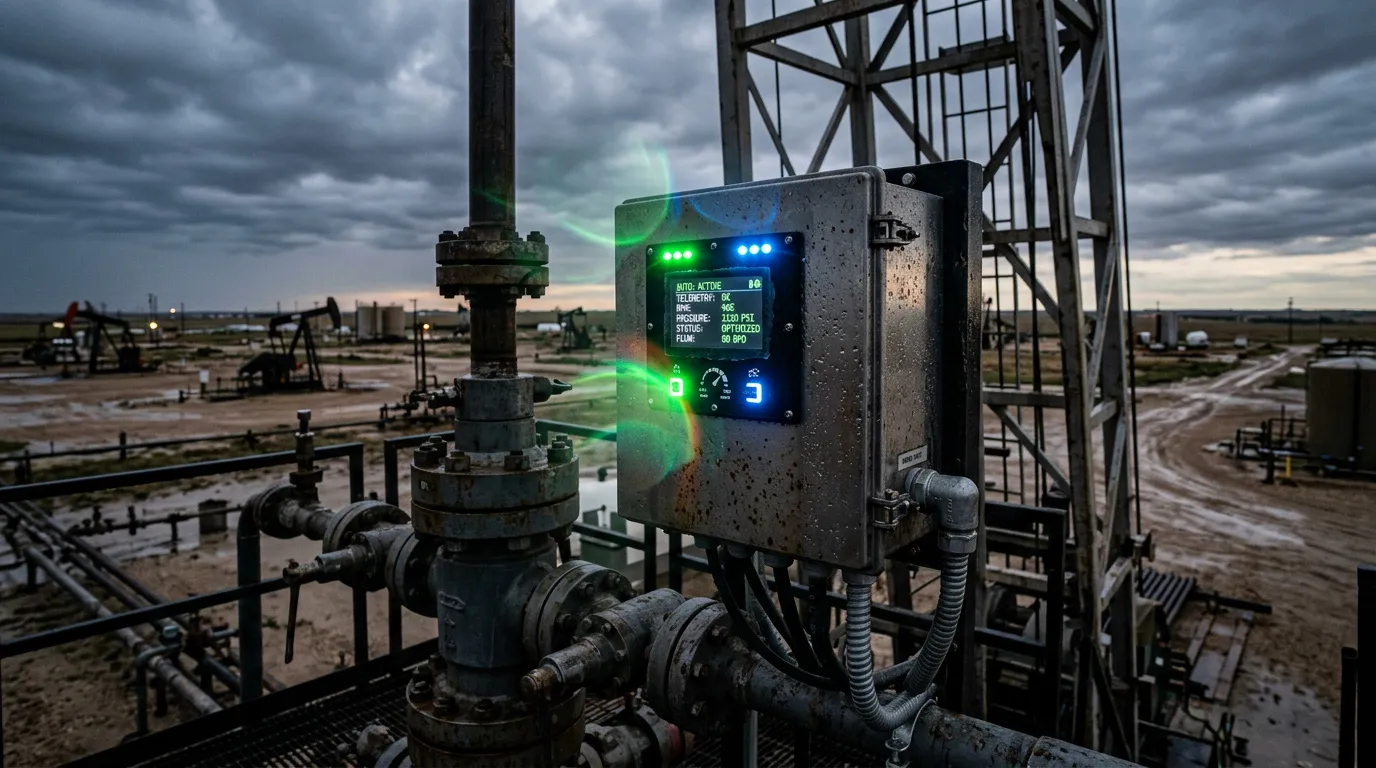
Background of the Project
In 2021, one of the project participants, Ilnar Nurullin, published the scientific paper “Robotic Monitoring and Control of Ultra-Viscous Oil Wells.” The paper outlined the potential creation of algorithms capable of providing 100% monitoring coverage for operational well-performance indicators, while also enabling neural networks to automatically adjust operating parameters when necessary, reducing downtime and preventing wells from operating under unstable flow conditions.
In 2022, Tatneft deployed a digital platform for remote monitoring and management of its ultra-viscous oil well stock. The system enabled monitoring and control of both production and steam-injection wells, minimized oil losses, increased maintenance intervals and transferred part of the operational workload to a robotic microservice platform.
That was followed by testing of an integrated suite of technologies designed to improve ultra-viscous oil production efficiency using thermal recovery methods, including steam-chamber development monitoring and steam-cost reduction. Then, in 2024, Tatneft presented projects at the Russia exhibition showcasing the use of neural networks, machine learning and big-data technologies to accelerate oil discovery.
The completed project represents a logical continuation of Tatneft’s long-term investment in ultra-viscous oil production and digital oilfield technologies. Over time, this contribution to technological independence, improved efficiency at mature fields and development of complex reserves is expected to benefit the entire oil-and-gas sector.