One-Click Safety
Russia has developed a digital assistant for crane operators: the intelligent VIRA system helps prevent risks and select the optimal operating mode before work even begins.
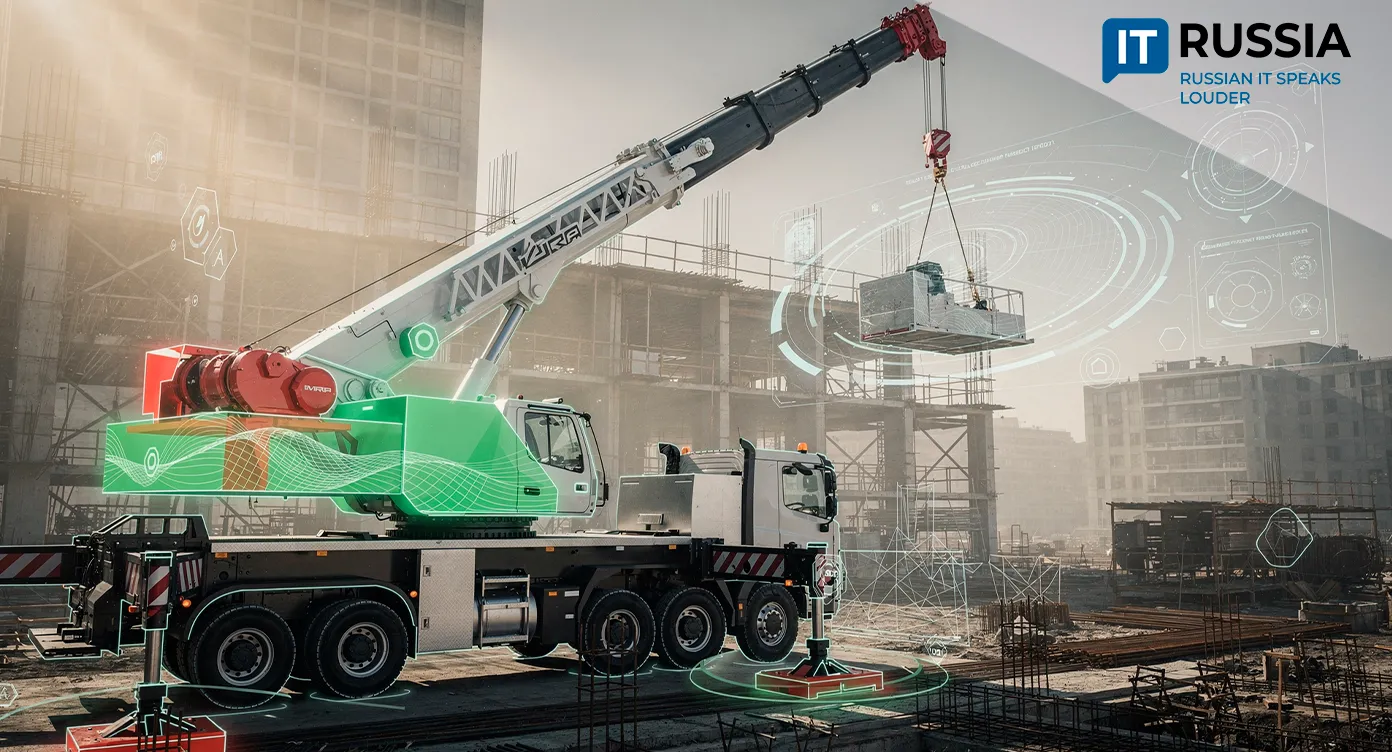
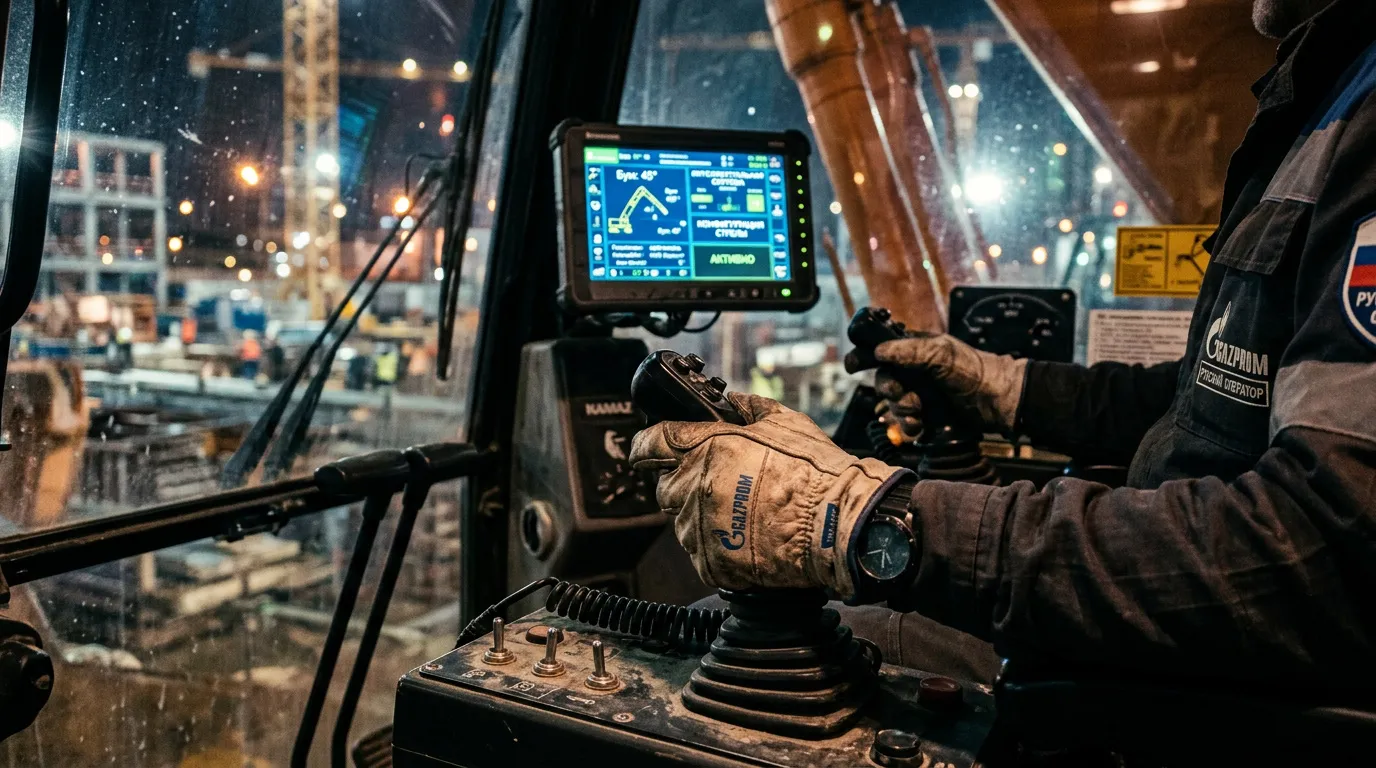
On the Galich Crane Plant (GAKZ), engineers have developed and deployed an intelligent decision-support system for crane operators called VIRA - Virtualnaya inzhenernaya raschetnaya arkhitektura (Virtual Engineering Calculation Architecture). The new system is fully integrated into the onboard computer inside the operator cabin and is designed to minimize risks linked to human error. The pilot platform for the electronics suite is the 35-ton KS-55721-6V-1 Komsomolets all-terrain mobile crane built on the KAMAZ-63501 chassis.
Critical Risk Points Under Control
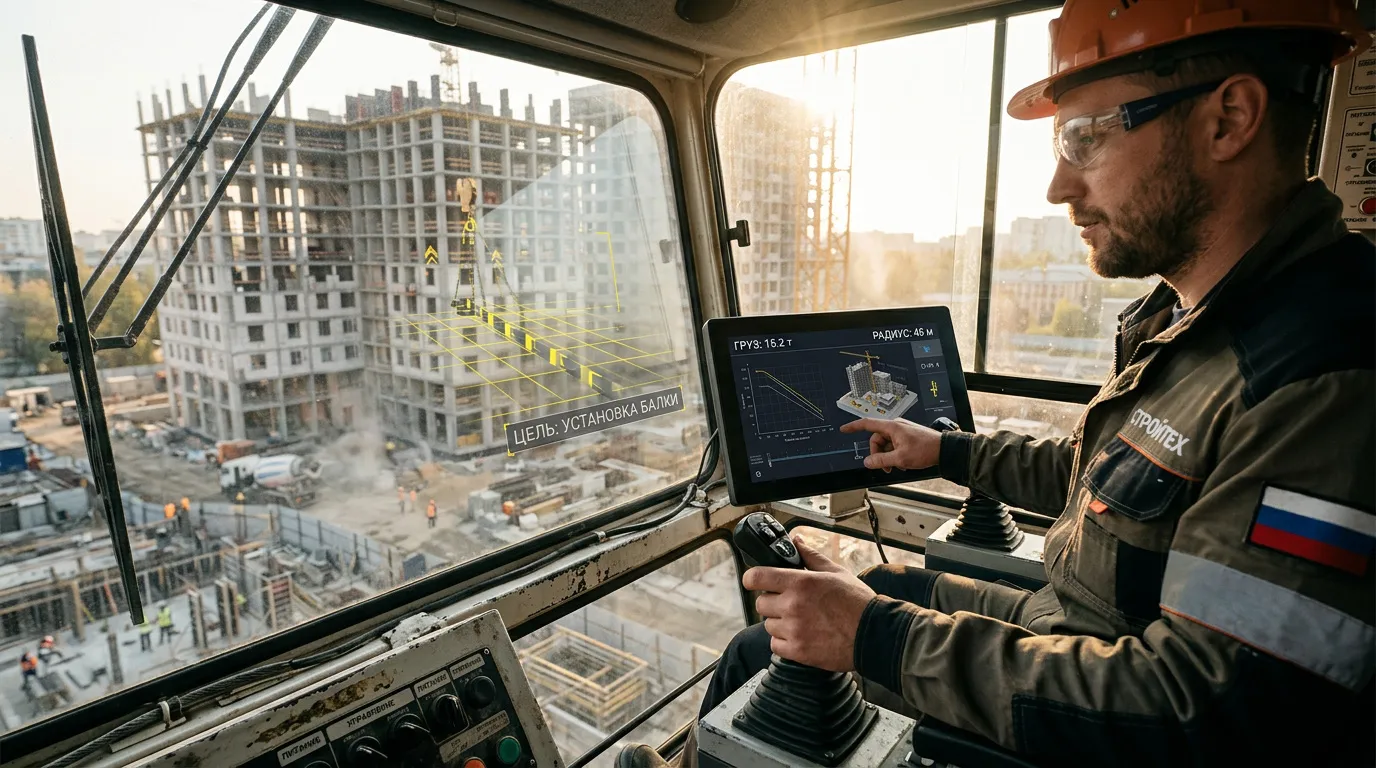
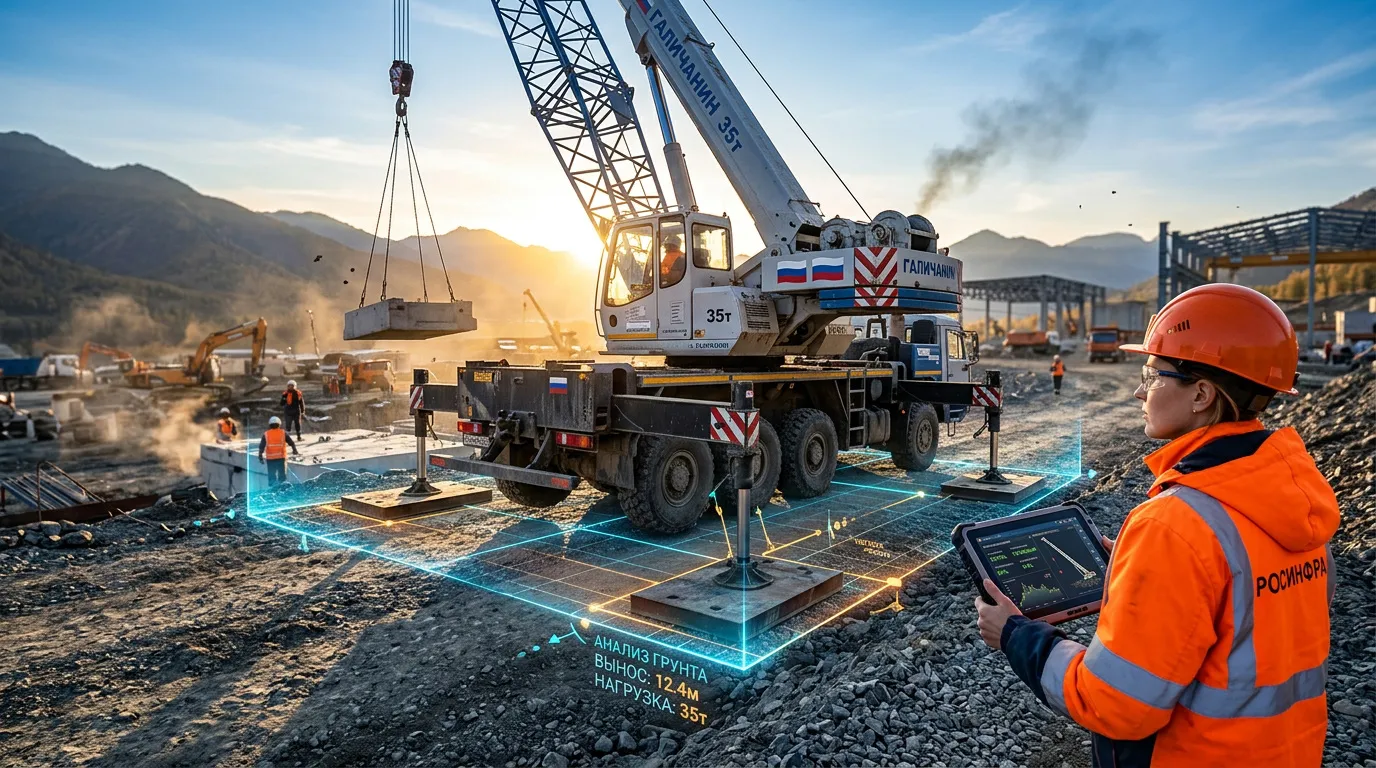
VIRA functions as an autonomous digital advisor for crane operators, providing instant technical guidance. Before work begins, the operator enters key parameters including load weight, boom reach, lifting height, boom configuration, outrigger position and site conditions. The onboard computer immediately analyzes the data and shows whether the selected operating mode is suitable and whether there is a risk of losing stability. The system helps operators accurately choose the optimal telescoping mode - T1, T2 or T3 - along with the required counterweight mass and outrigger configuration. It also calculates the exact size of support pads needed for operation on weak or waterlogged soil, one of the most common causes of crane overturns.
The electronics suite is fully autonomous and operates without an Internet connection, which is critical for remote construction sites, resource fields and emergency-response zones.
A Digital Revolution Inside the Crane Cabin
VIRA is not simply "another computer feature." Instead, it represents a systemic response to three major industry challenges: high accident rates caused by human error, technological dependence on imported systems and the need to digitize the traditionally conservative heavy-equipment market.
Every year, between 90 and 100 people die in Russia in accidents involving lifting machinery, and as many as 47% of those incidents are linked to operator error. Under Russian regulations, every crane must be equipped with safety systems integrated into load-control and load-limiting systems, as well as data-recording equipment that logs all lifting operations. However, conventional load-limiting systems - including the ONK-140 and ONK-160 systems produced by the Arzamas Mechanical Plant and the AS-AOG-01m+ system developed by NPK Avtomaticheskie sistemy in Rostov-on-Don - only record violations after they occur instead of analyzing risks before work begins.
In 2023, Pervouralsk Novotrubny Works launched the "Tsifrovye pomoshchniki dlya mashinistov krana" (Digital Assistants for Crane Operators) project, installing cameras and monitors on crane equipment to eliminate blind spots and reduce operator mistakes when moving heavy loads. That system, however, only transmitted live conditions and did not analyze threats in advance.
VIRA takes a different approach by evaluating operational scenarios before work starts, preventing dangerous situations before they develop.
Safety as a Competitive Advantage
As Western heavy-equipment manufacturers leave the Russian market and demand grows for local alternatives, GAKZ engineers are demonstrating the ability to create next-generation IT products. The project aligns with Russia's broader push for technological independence and industrial automation. Robotics, IoT and AI are becoming key technologies across the sector: sensors monitor equipment conditions, algorithms assess risks and software assists with operational decisions. VIRA follows the same logic. Its intelligent digital architecture effectively makes the crane "smarter," helping operators work more safely, more quickly and with fewer mistakes. In practice, the digital system does not replace human judgment - it acts as an additional safeguard in situations where the cost of error is exceptionally high.
Today, Russia's construction sector is moving away from fragmented pilot experiments toward clear standards and measurable requirements. In 2025, the country approved a national standard governing the use of AI in construction, and in 2026 Russia's Ministry of Construction together with DOM.RF launched an industry data platform designed to support the rollout of AI-driven services.
GAKZ engineers have done more than modernize a crane. They have created an intelligent safety system that could make Russian mobile cranes more competitive not only domestically, but also in export markets across the CIS, the Middle East and Asia.
A New Direction for Russian Crane Manufacturing
In the future, VIRA is expected to become the foundation for a broader AI-powered digital assistant platform, opening the door to predictive wear analytics, automated work-log management and integration with fleet telemetry systems. As a result, the GAKZ development could reduce the impact of human error in crane operations while also establishing a new technological direction for the Russian crane-manufacturing industry.