

AI-Powered Remote Blood Pressure Monitoring Launched in the Arctic
Russia has launched a remote medical monitoring program for patients with hypertension. A dedicated artificial intelligence algorithm analyzes data from smart blood pressure monitors in real time, provides personalized recommendations, and alerts physicians in emergency situations.
Who Benefits Most From the Program
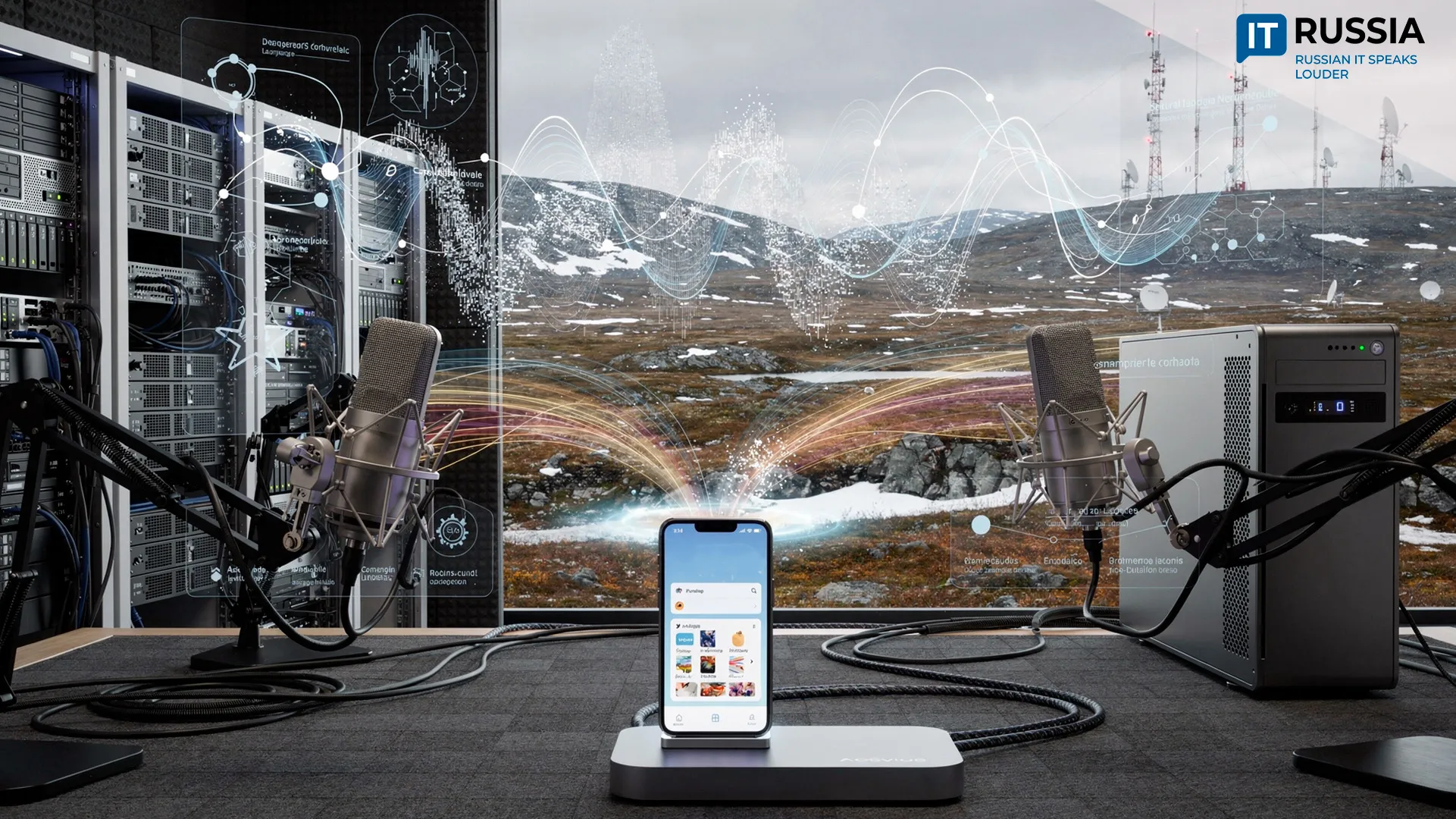
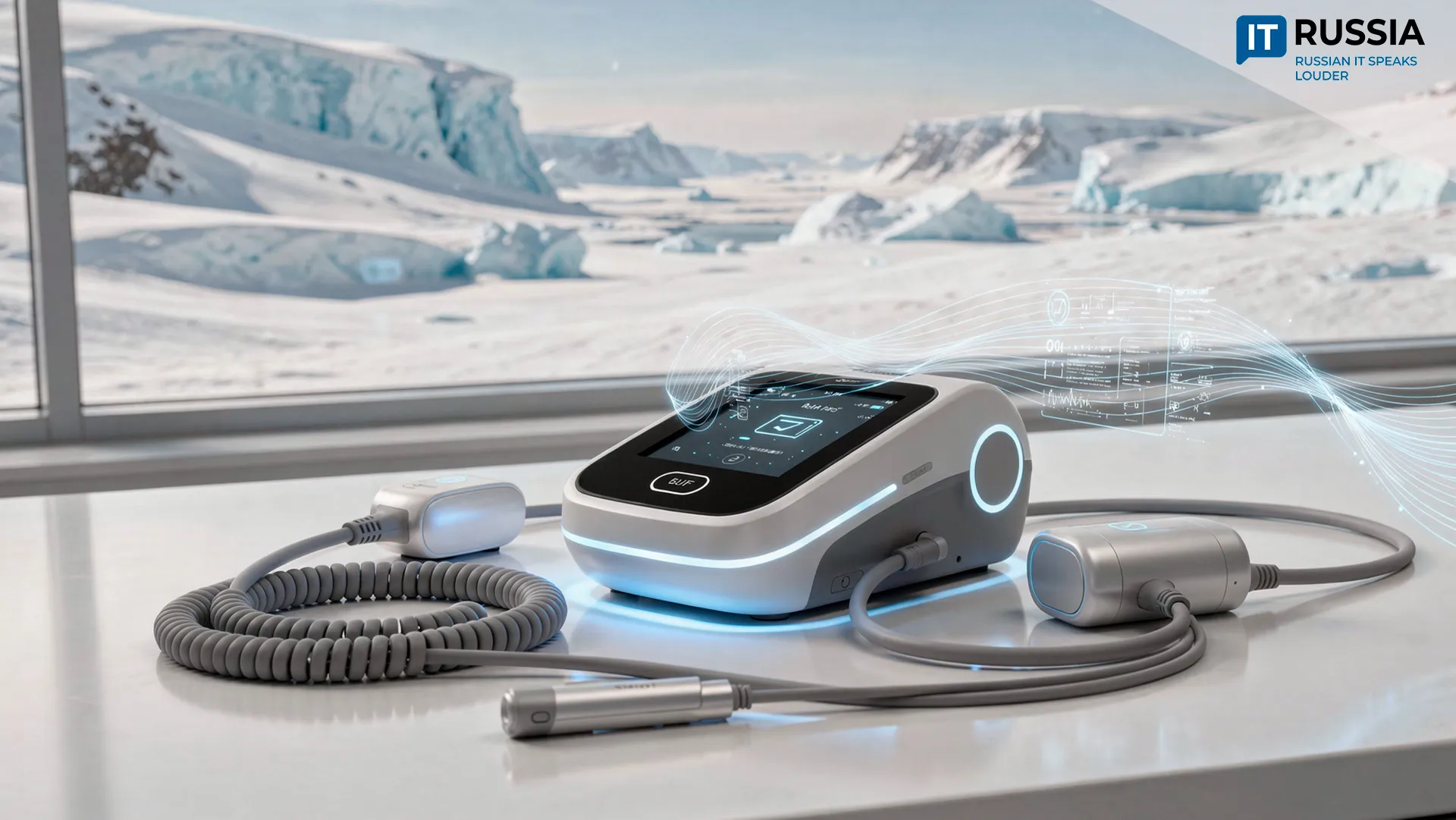
In the Arctic city of Murmansk, where the polar night gives way to a short summer and distances between settlements stretch hundreds of kilometers, a project is redefining access to quality healthcare. In the harsh conditions of the Far North, patients with hypertension no longer need to travel long distances to see a specialist for routine checkups. Instead, they use smart blood pressure monitors whose readings are analyzed by an AI-driven system. The platform builds a personalized health profile, supporting patients daily and around the clock, anticipating risks, and acting as a first-line assistant for the attending physician.
Smart blood pressure monitors have become an indispensable tool for residents of remote settlements and rotational workers, for whom regular visits to a cardiologist pose significant logistical challenges. The system is equally valuable for older patients who may struggle to keep track of medication schedules, for people living under constant stress and heavy workloads, and for primary care physicians who receive structured, objective data for clinical analysis. The platform automates routine tasks - reminders, data collection, and preliminary trend analysis - freeing physicians to focus on complex medical decision-making.
From the Arctic to a Nationwide Model
In the Murmansk region alone, more than 18,000 people are already using this monitoring system. The results are tangible: over 70% of patients have moved into a compensated, controllable stage of the disease. This provides direct evidence of effectiveness - when monitoring becomes continuous and unobtrusive, and recommendations are personalized, patients gain a real tool to manage their own health.
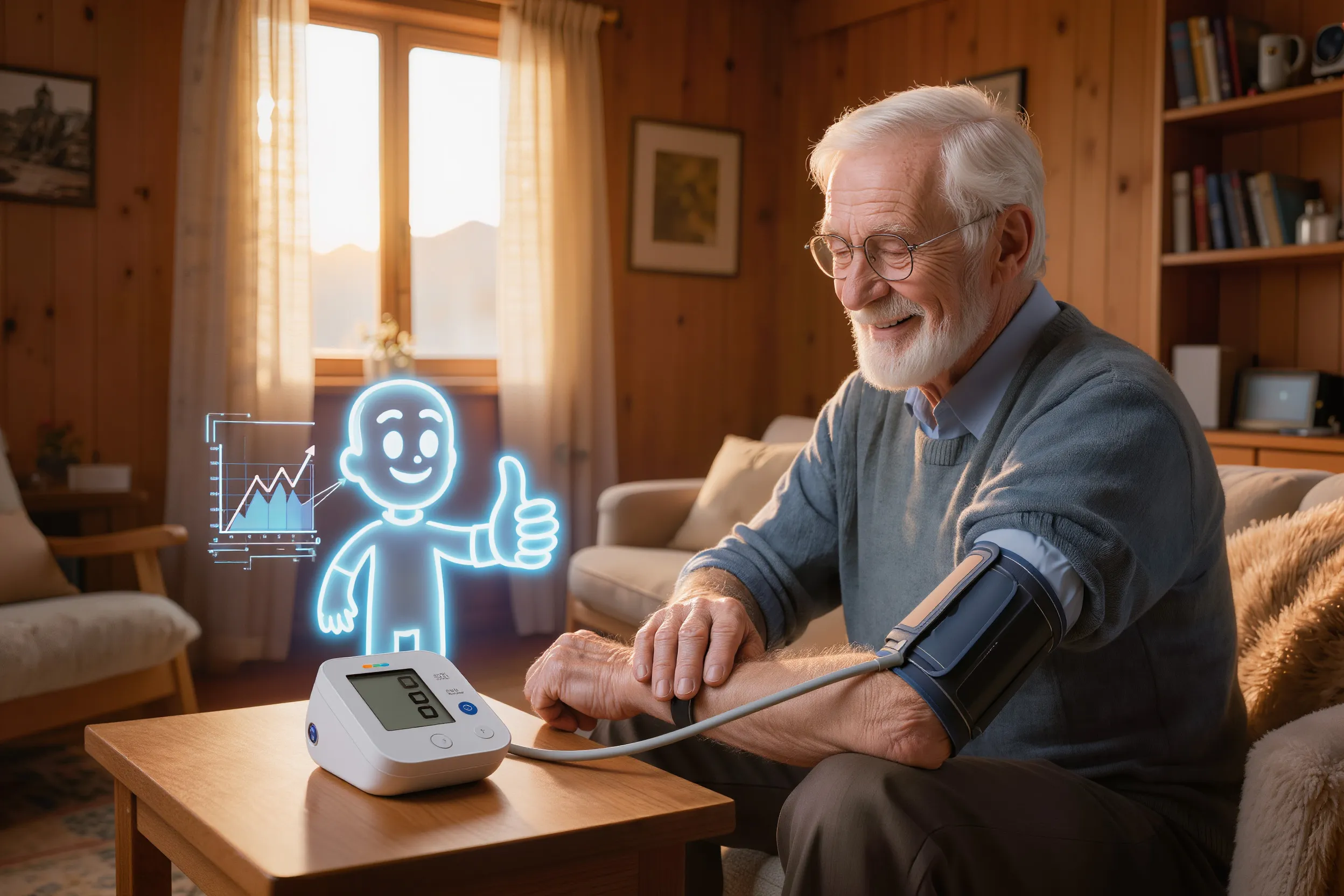
The interaction model is intentionally simple to ensure accessibility. Patients measure their blood pressure in familiar home settings, after which the AI assistant takes over. Rather than evaluating isolated readings, the system analyzes long-term trends - how blood pressure changes in the morning and evening, how physical activity or work-related stress affects it, and how heart rate responds over time.
Based on these patterns, the algorithm generates individualized prompts. It reminds patients to take medication on time, suggests breathing exercises when pressure begins to rise, and recommends adjustments to hydration or physical activity.


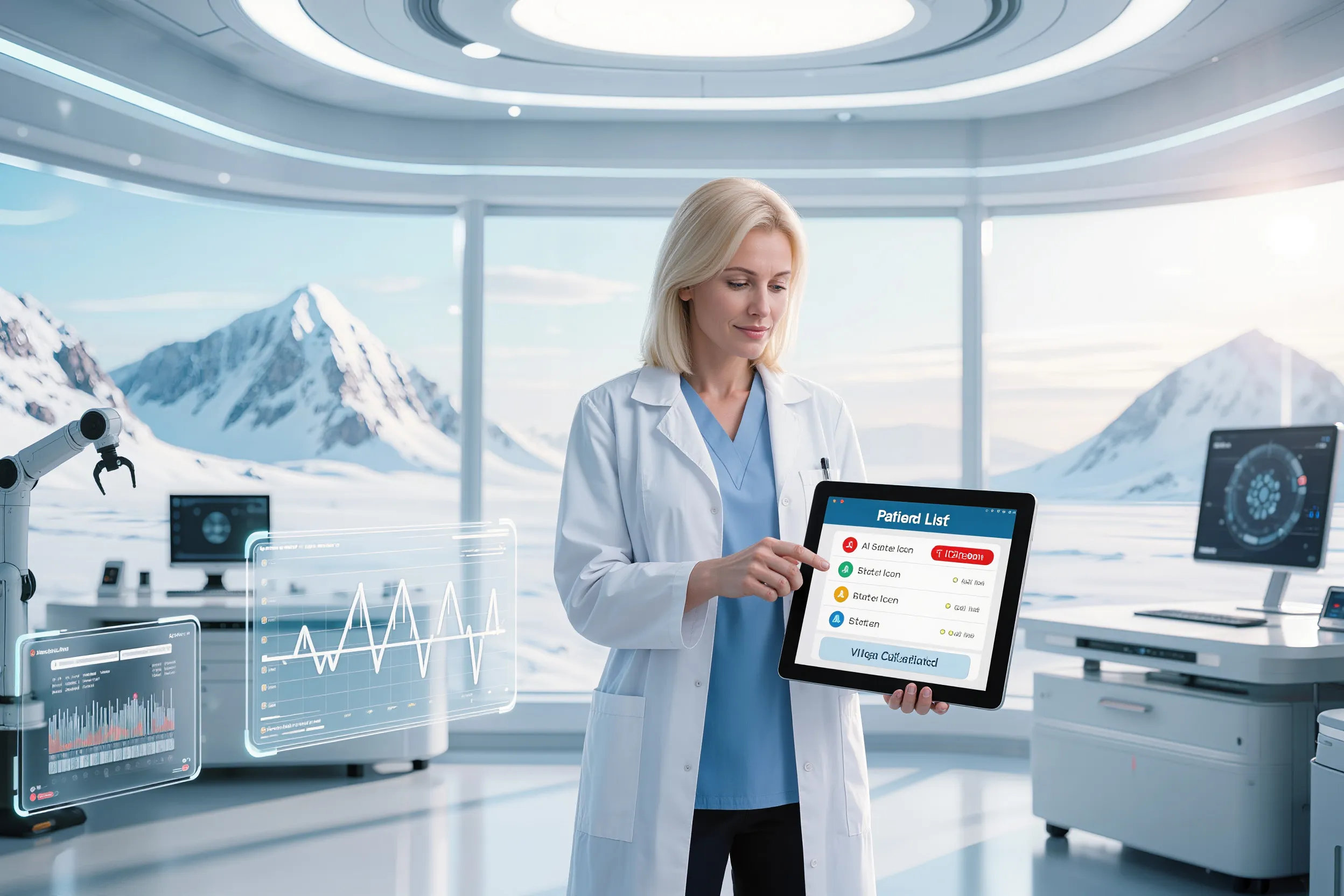
The system operates transparently rather than blindly. Every measurement, interaction, and recommendation is logged, forming a comprehensive observation history for clinicians. In critical situations - such as early signs of a hypertensive crisis - alerts are automatically sent both to the patient and to medical institutions, enabling immediate intervention.
Technology Redefines Healthcare Standards
The Murmansk project is part of a broader national effort to build a modern, technology-driven healthcare system in Russia focused on prevention and personalized care. Similar solutions are being deployed across the country - from Kaliningrad to Vladivostok - adapted to regional needs. In some areas, the emphasis is on supporting rural paramedics; in others, on reducing the burden on urban outpatient clinics.
This shift is nationally significant because it changes the healthcare paradigm itself, moving away from costly inpatient treatment toward accessible, continuous remote care. The economic impact extends beyond reduced emergency hospitalization costs to preserving the productivity of millions of people. By supporting such initiatives, the state is investing in human capital, making healthy, active longevity a realistic goal backed by technology.
Global Outlook
Russia’s experience in deploying scalable medical AI systems proven under extreme conditions presents strong interest for the global digital health market. The worldwide shift toward remote monitoring and chronic disease management finds here a solution that has been tested and refined in real-world settings.
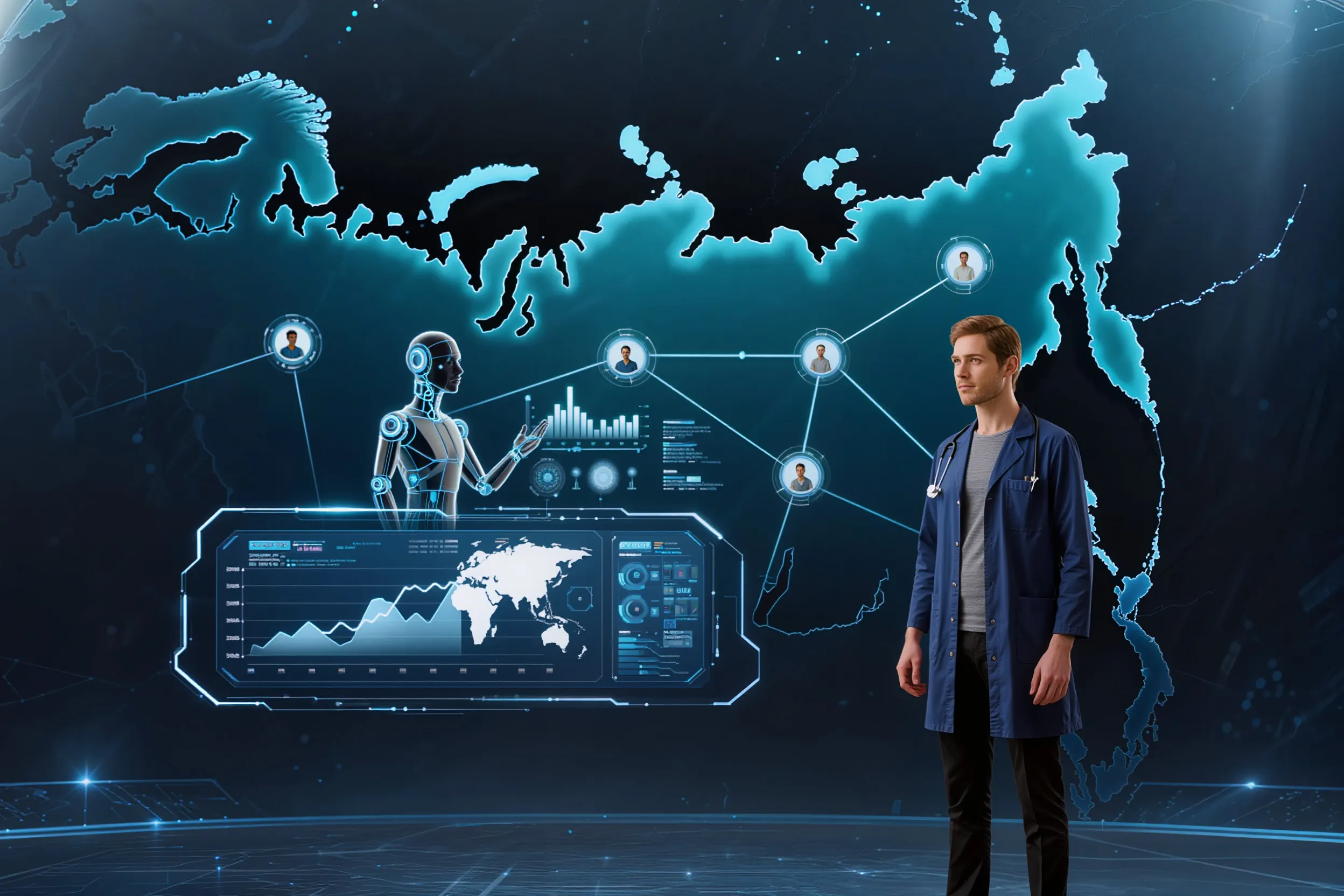
By 2030, the next stage will likely involve the development of integrated health ecosystems. These platforms may evolve through integration with the “internet of bodies,” incorporating data not only from blood pressure monitors but also from a broad range of wearable devices and medical sensors to create comprehensive, multi-parameter health profiles.
A project born in the Arctic hinterland is becoming a beacon for the global community seeking reliable, human-centered digital health technologies.