Digital “Nurses” Monitor Polar Researchers in Russia’s Arctic
Rostec and its partners are piloting a remote medical support system for scientists working in extreme northern conditions.
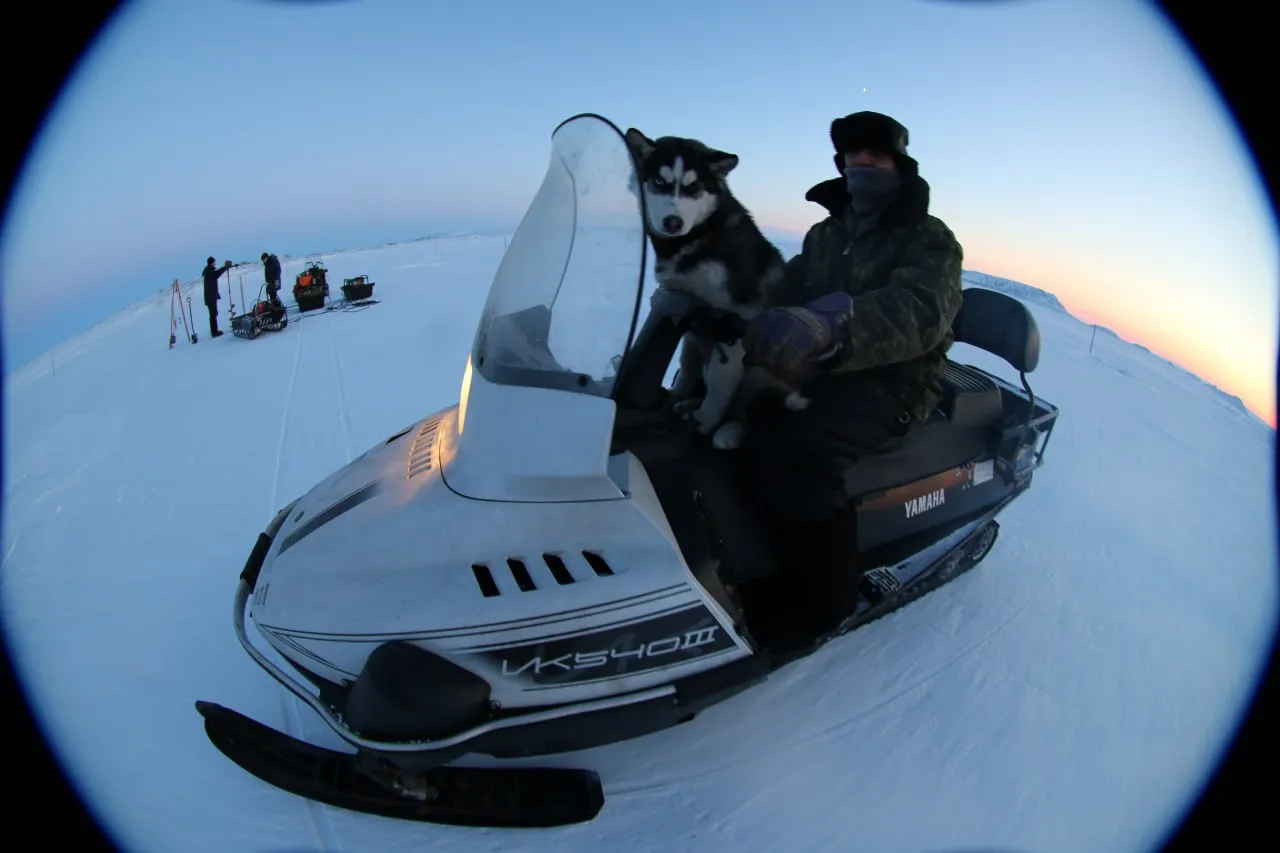
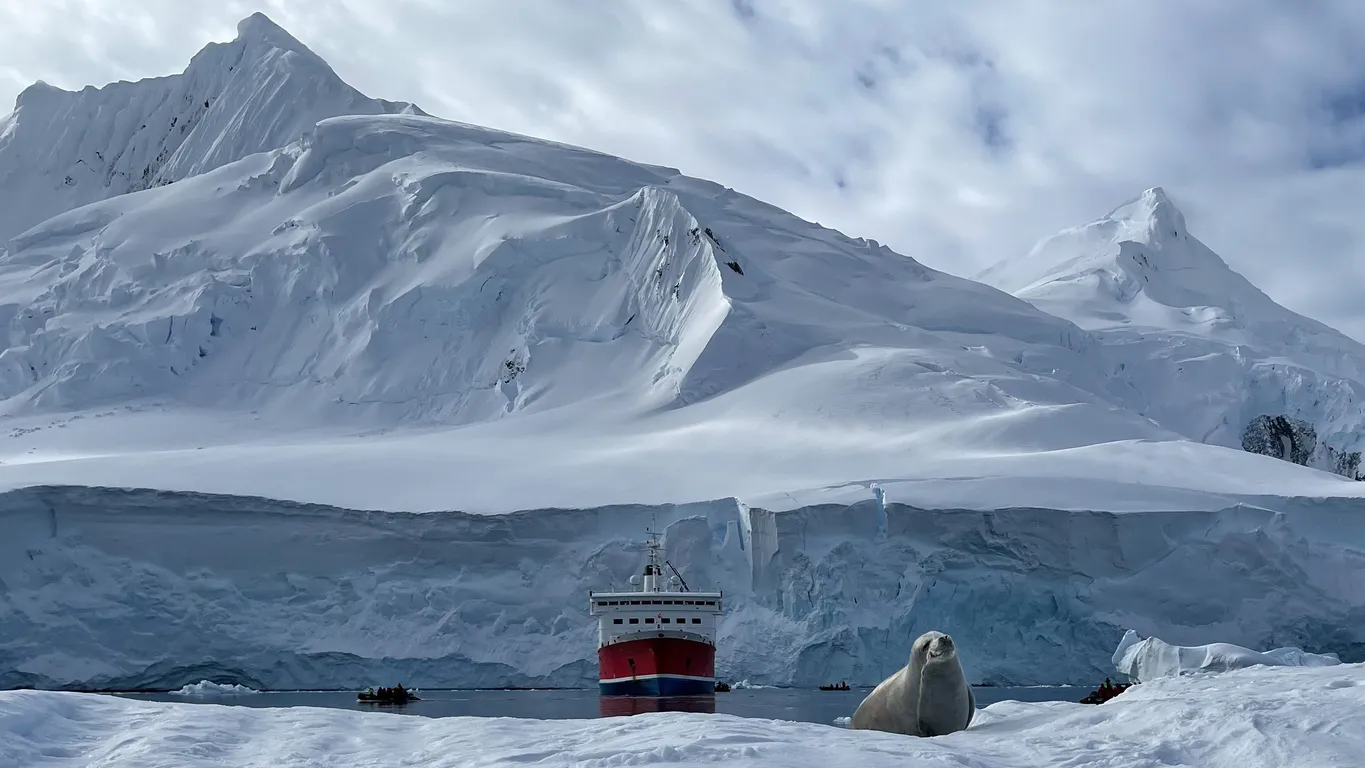
Specialists from the Roselektronika holding of state corporation Rostec, together with the Arctic and Antarctic Research Institute, have launched a pilot project for remote medical monitoring. The system tracks the health of researchers stationed at the Ice Base Mys Baranova research facility in the Severnaya Zemlya archipelago. Health data is transmitted in real time to a unified information system, where doctors analyze it. If the program proves effective, it could form the basis of a broader medical support system for hard-to-reach regions of the Russian Arctic, Rostec’s press service told IT Russia.
Round-the-Clock Monitoring
The pilot is built around the platform Personalnye Meditsinskie Pomoshchniki (Personal Medical Assistants, PMP). At its core is IoMT.Istok, a digital medical Internet of Things system developed at NPP Istok named after Shokin. The enterprise, with technological and medical support from the online service Doctis, initiated the rollout of PMP in the Arctic. The platform collects data on pulse, blood pressure, temperature, and oxygen saturation from portable devices worn by polar researchers. The information is transmitted to medical information systems used by physicians. The current winter team at the research station is under continuous medical supervision.
According to Yuri Ugryumov, deputy director for expeditionary work at the Arctic and Antarctic Research Institute, staff assigned to polar stations are carefully selected and have no contraindications for working in extreme conditions. Still, no one can guarantee that a medical emergency will not arise. The remote monitoring system is designed to reduce the risk of complications without requiring evacuation, which is labor-intensive and costly.
Advancing Arctic Medicine
The program can automatically transmit ECG results and laboratory test data. Polar researchers can also consult doctors of various specialties, who can prescribe or adjust treatment remotely if needed.
Sergei Lezhin, CEO of the online service Doctis, said the main goal is to ensure a high level of health security for Russian citizens living and working in the Arctic.
The integrated technological solution used in the project was previously tested on the mainland and demonstrated clinical effectiveness. Regular remote monitoring reduced the risk of exacerbations of chronic non-communicable diseases. Earlier, we reported that a personal digital assistant is set to help Russians monitor their health.