Perm Scientists Develop System to Rapidly Detect Engine Surge
The neural analog-to-digital converter identifies engine instability nearly twice as fast as conventional systems.
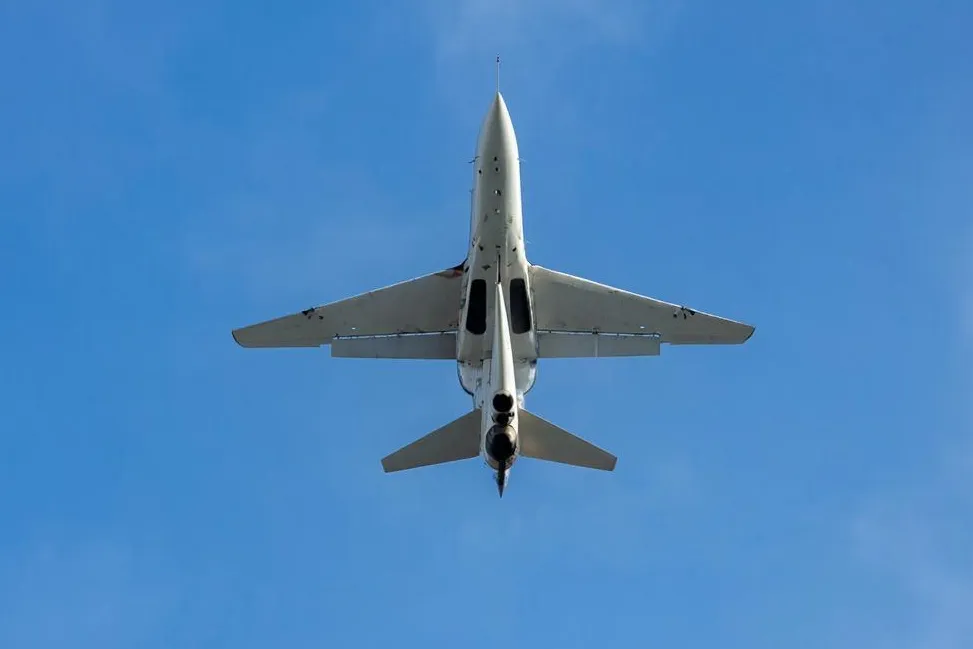
Gas turbine engines are the primary power units in modern aviation. The most dangerous emergency scenario during operation is compressor surge — a breakdown of stable airflow that can destroy equipment within seconds.
To prevent accidents and detect failures in control systems, engineers traditionally rely on an analog-to-digital converter, a device that converts sensor signals into computer-readable code. The drawback is speed. Conversion takes time, meaning the signal reaches the control system with a delay.
Researchers at Perm National Research Polytechnic University have developed a neural analog-to-digital converter that can detect surge nearly twice as fast, the university’s press service told IT-Russia.
When Airflow Stalls and Starts to Oscillate
Gas turbine engines compress air and mix it with fuel to generate thrust in aircraft, power ships and high-speed vessels, and drive pumps, compressors, and generators in industrial settings.
Such engines operate within specific regimes. A sharp aircraft maneuver, turbulence, or a valve malfunction can disrupt airflow inside the compressor. Intense vibrations and shock loads may damage blades and turbines, leading to costly repairs. In aviation, that poses a direct safety risk.
The most dangerous and classic manifestation of airflow disruption is compressor surge — an abrupt and total loss of gas flow stability inside the compressor. At that moment, a powerful air mass stalls and oscillates within a confined space. The engine control system must detect the earliest signs of surge and respond immediately, for example by temporarily cutting fuel supply to reduce pressure and stabilize airflow. Even a millisecond of delay can allow destructive oscillations to escalate.
To capture the first subtle indicators of surge, dozens of sensors embedded in the engine continuously measure minute changes in pressure and vibration, transmitting a continuous analog signal to the computer. But computers operate on digital data. Before analysis, the signal must be digitized. That task falls to the analog-to-digital converter. Existing converters operate at a fixed speed, making the conversion process slow and delaying signal delivery — a potentially fatal lag for the engine.
A Self-Tuning System
Earlier, researchers at Perm Polytechnic developed a prototype neural analog-to-digital converter for use in space. Building on that work, they have now created a new model capable of detecting surge in aircraft engines 47% faster than traditional solutions.
The new converter is a complex self-adjusting system. It evaluates operating conditions and determines how quickly measurements must be taken at any given moment. At its core is a specialized module that continuously analyzes how much the signal has changed since the previous measurement. If compressor pressure begins to fluctuate sharply, the module identifies the situation as hazardous and commands the system to update data more rapidly. The data are analyzed, and if surge is confirmed, fuel supply is cut to stabilize pressure. Once parameters normalize, engine operation resumes. If the signal remains stable, the system conserves resources to ensure maximum performance when needed.
To validate the concept, researchers conducted a series of experiments using a virtual test bench for aircraft engine control systems. A conventional converter detected the threat in 19 milliseconds, while the neural converter did so in just 9 milliseconds.
In the future, the team plans to develop a multi-channel neural converter capable of monitoring several sensors simultaneously.