Sirius University Develops Ultra-Precise Digital Human Twins
Doctors are set to gain a powerful new tool in the fight against cancer.
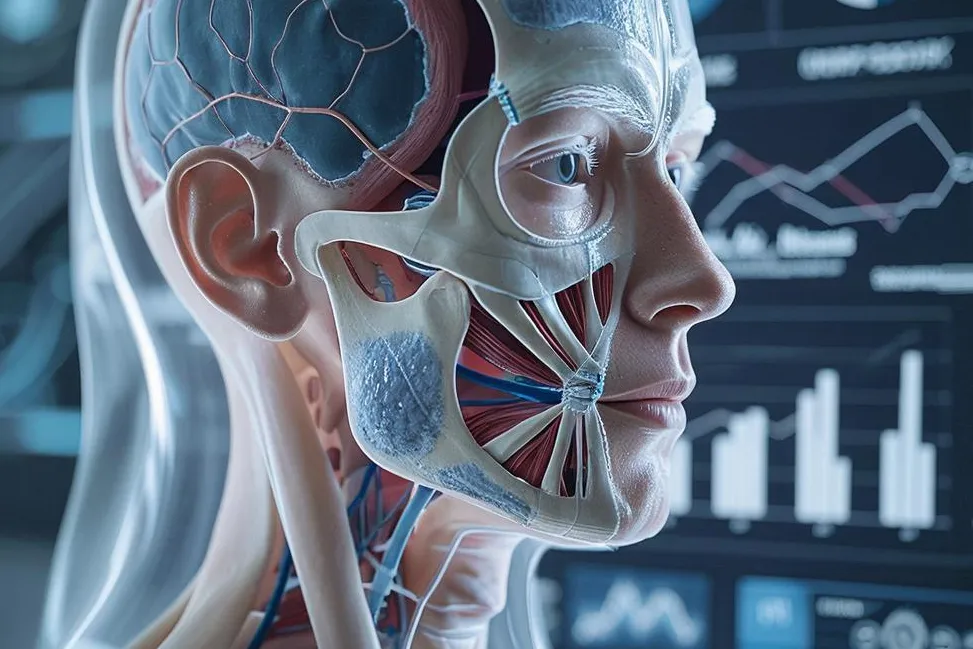
Scientists at the Scientific and Technological University Sirius are building a fundamentally new digital human twin powered by artificial intelligence. The system is designed to help physicians more accurately predict how a patient’s body will respond to drugs, select safer and more reliable cancer treatments, and even anticipate tumor recurrence.
Not a New Idea – With a Critical Twist
Digital twins of individual organs and functional systems have been developed before, raising questions about what is truly new in this approach. The difference, researchers say, lies in an unprecedented level of fidelity to the biological original.
At first glance, the task may seem impossible. The human body consists of trillions of cells. How can you build a digital twin for each of them?
But those trillions of cells fall into thousands of distinct types and subtypes. The team proposes creating digital twins for each of those categories. Once trillions are reduced to thousands, the challenge becomes far less fantastical.
AI Assembles the Mosaic
The models are based on single-cell sequencing technologies. Artificial intelligence will help assemble a coherent picture from the mosaic of processes occurring inside individual cells.
Each digital twin will be customized to reflect a specific individual’s genetic profile, including copy number variations and mutations. Researchers expect to apply the results in personalized medicine, tailoring therapies not to generalized standards but to individual patients.
Anton Buzdin is considered one of the world’s leading researchers in molecular pathways, gene activity analysis, and cancer biomarker development. He has authored more than 300 papers published in major international journals. For several years, he led the bioinformatics analysis group at the European Organisation for Research and Treatment of Cancer (EORTC) and headed international technology startups. In 2025, he won a competition for leading and young scientists under the federal territory Sirius scientific and technological development program.