Russian Scientists Develop “Smart” Fertilizers Using Digital Twin Model
Researchers created a digital model that dynamically simulates atomic interactions to optimize fertilizer composition.
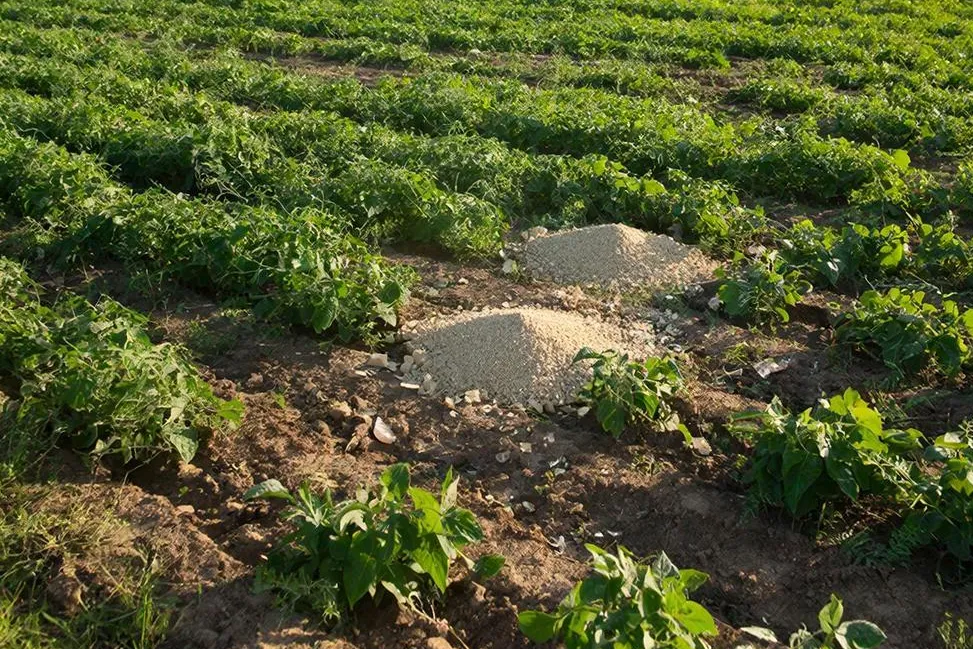
Scientists in Russia have developed new plant fertilizers that increased oat yields by 16%. To determine the optimal formula, researchers built a digital twin — a computer model designed to predict how atoms in different components interact with each other. The Ministry of Science and Higher Education reported the results.
An Efficient Approach
The project is a joint effort by geologists from the National Research Tomsk Polytechnic University, researchers from Moscow Higher School of Economics, and partners in China. The new nanocomposite fertilizers are based on the clay mineral glauconite. The digital twin dynamically simulated how atoms in different compounds interact, accounting for the mineral’s chemical and structural properties. Laboratory tests showed plants grew 16% faster, confirming the effectiveness of the approach.
The digital model also incorporates the composition of reacting solutions and their physicochemical characteristics. Researchers cultivated oats at 22 degrees Celsius in soil widely used for agriculture in temperate areas of Western Siberia. Yields increased by 15.9% at an optimal ammonium concentration of 3%. The team also found that a 9% ammonium content supports vegetative growth and productivity. The findings suggest that plants require different nutrient concentrations at different stages of development.
Fertilizers With Tailored Properties
According to Maksim Rudmin, associate professor in the Department of Geology at the university’s School of Natural Resources Engineering, the study clarified the complex relationship between ammonium concentration in mineral fertilizers and plant development. Researchers are now working to refine the optimal glauconite-based fertilizer composition using various nutrient additives. The end goal is to create “smart” fertilizers with predefined properties and controlled release timing.
The study was supported by a grant from the Russian Science Foundation. The results were published in the Journal of Molecular Liquids.
Earlier reports noted that a fleet of agricultural drones is preparing to take to the fields in the Kaluga Region.