Digital Substation in Kazan: How Rosatom Technology Could Reshape Power Grids Across Russia
Rosatom Automated Control Systems (RASU) and Grid Company of the Republic of Tatarstan have launched a pilot Generation 4+ digital substation project in Kazan.
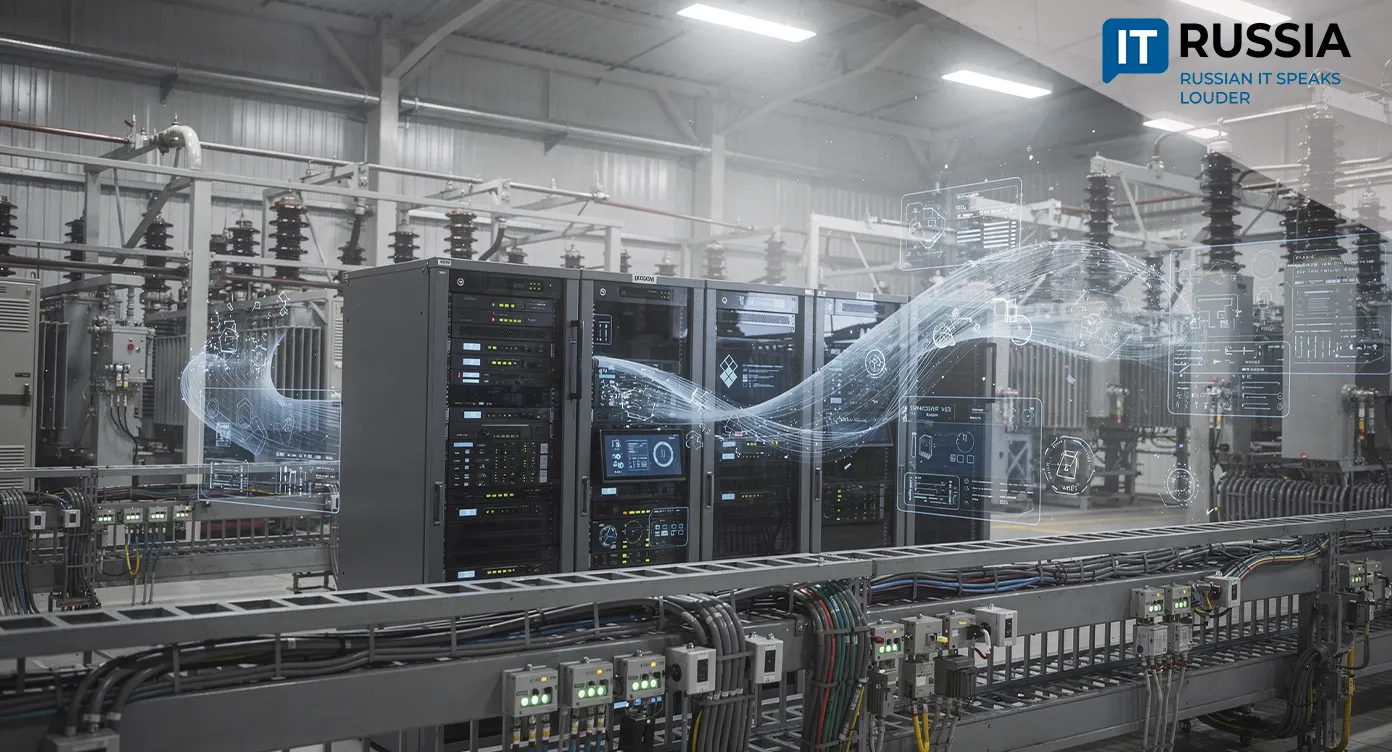
At the heart of the facility is Klaster (Cluster), a domestically developed modular platform that combines relay protection, automation, and diagnostics systems into a single computing environment. The pilot operating period will continue through the end of 2026, after which the technology is expected to be deployed at additional grid facilities across the country.
The Road to a Unified Module
Traditional electrical substations require large amounts of equipment. Protection relays, control systems, emergency automation, and diagnostic tools have historically been installed in separate metal cabinets, consuming significant space, requiring complex wiring schemes, and increasing maintenance demands.
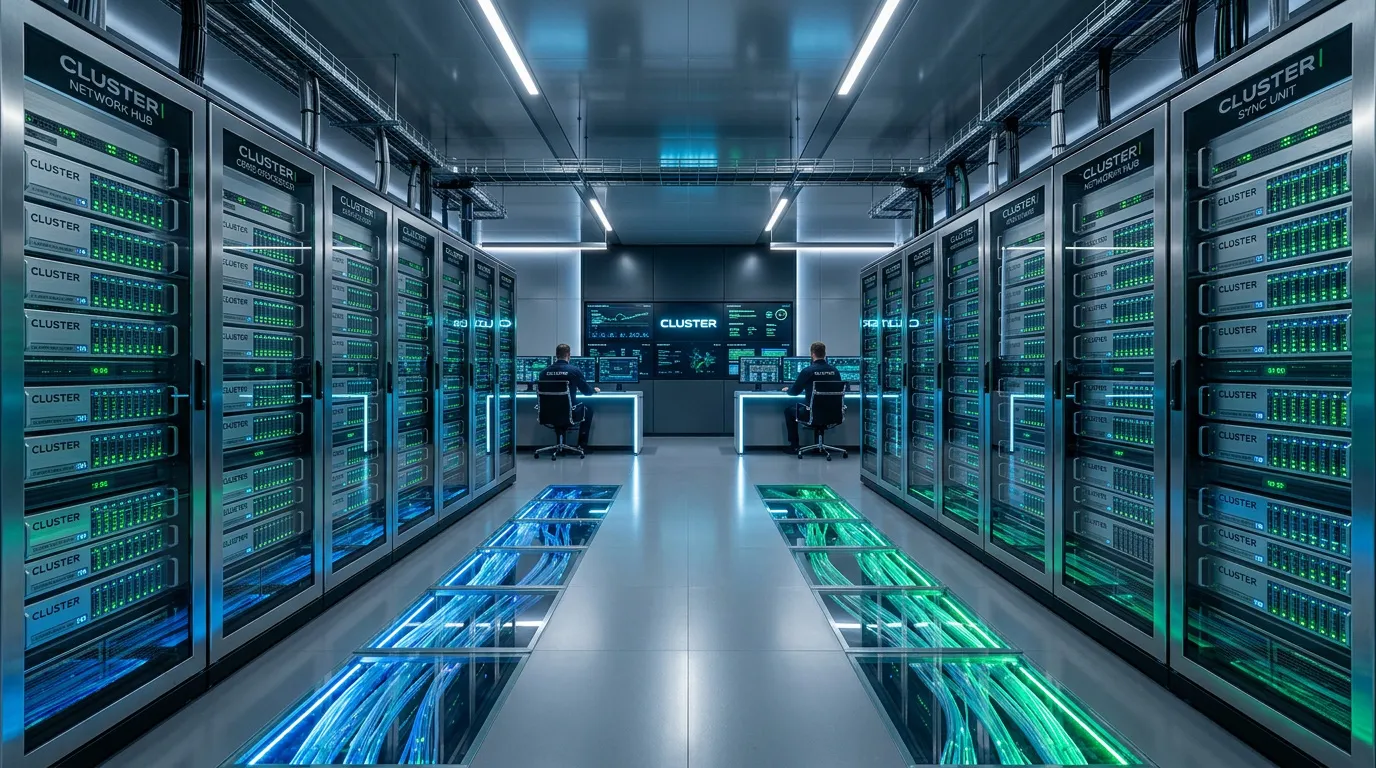
The Klaster hardware and software platform introduces a fundamentally different architecture that could significantly alter substation design. The system consists of a unified computing module built on a common chassis and designed to perform the functions of all secondary substation systems. That approach can substantially reduce a facility’s physical footprint, lower cabling costs, and simplify engineering and design work.
Instead of managing dozens of standalone devices, operators gain access to a centralized environment. Protection and control algorithms are no longer tied to individual microprocessor terminals and can be adapted to current grid operating conditions and equipment configurations.
Pilot Deployment in Tatarstan
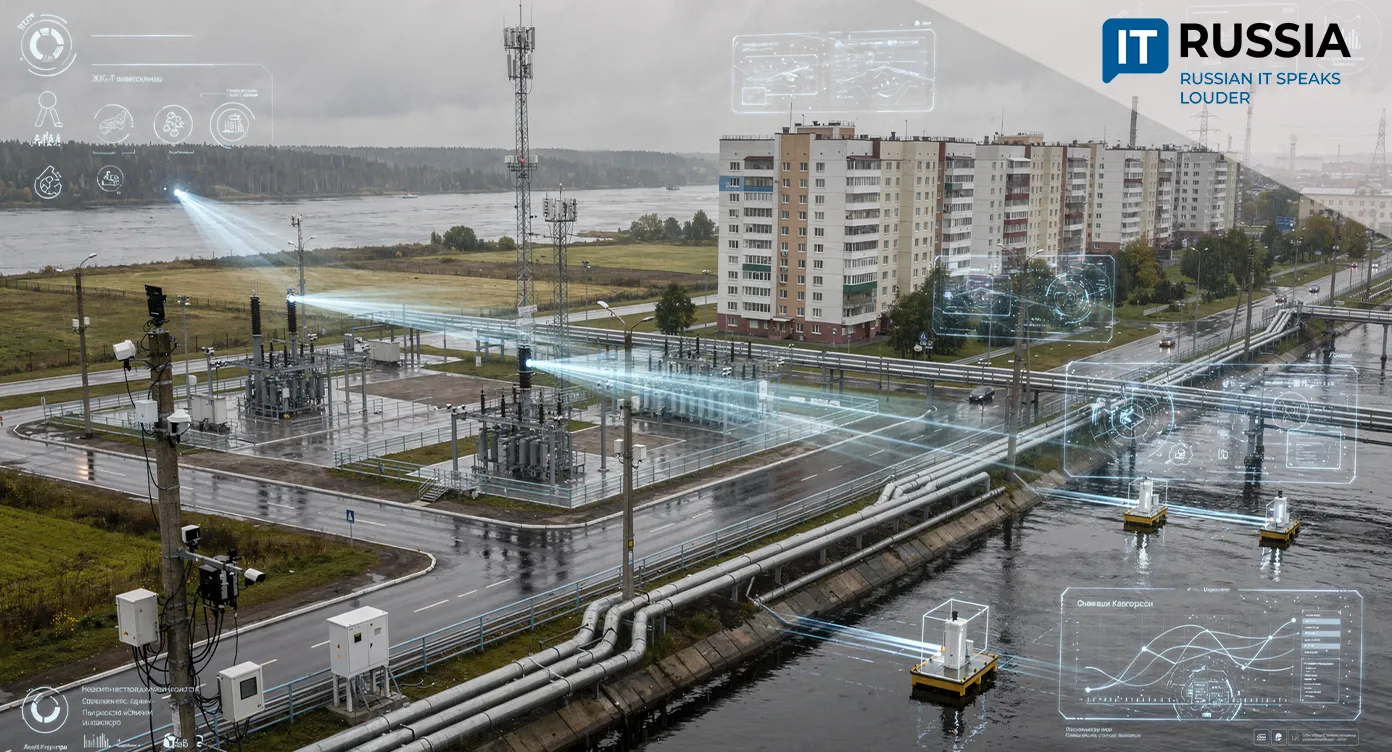
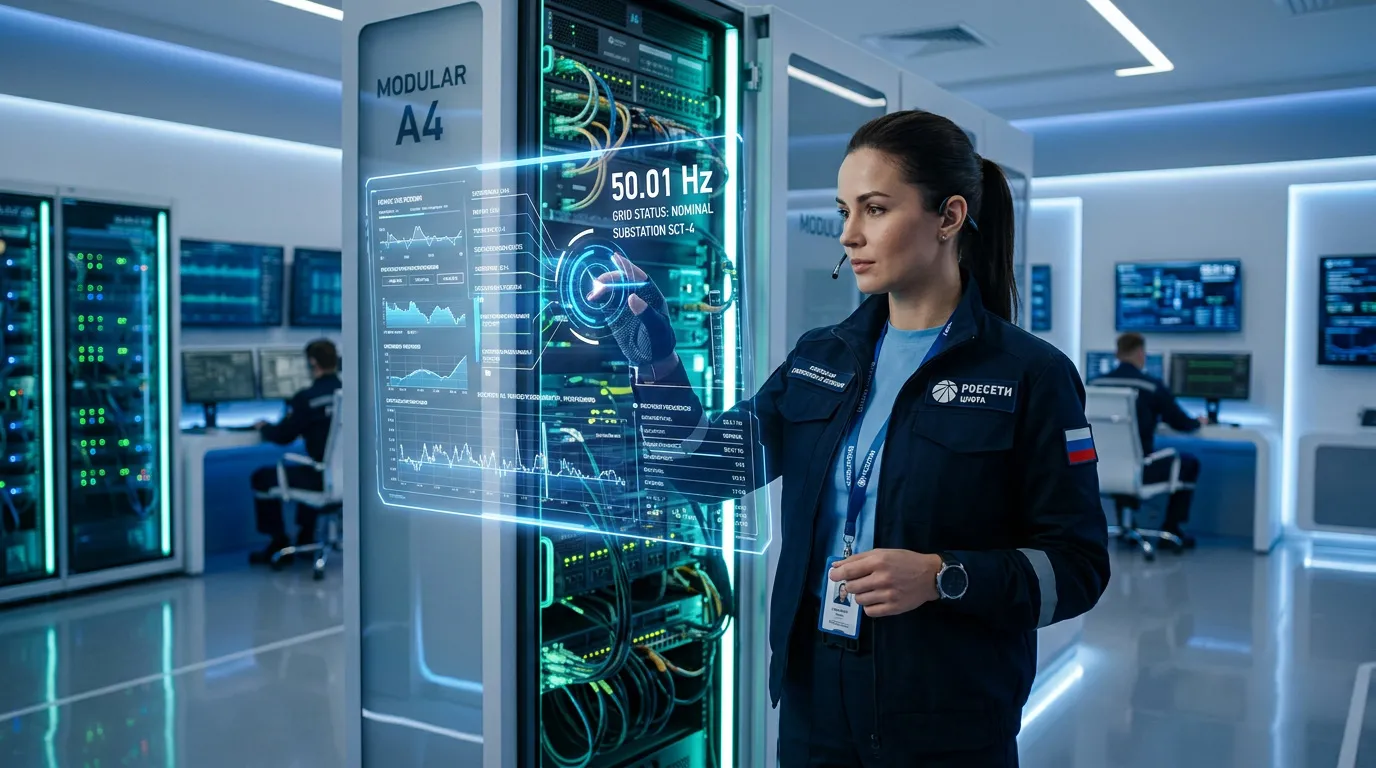
The first cluster-based digital substation was deployed at a site in Kazan. Tatarstan was selected for the pilot because of the region’s advanced power infrastructure and the willingness of its Grid Company to test next-generation technologies. The republic’s power system features a dense network and major industrial load centers, creating an ideal environment for stress-testing new solutions.
During the pilot phase, engineers will monitor platform performance under real operating conditions. Engineers will evaluate protection-system response times during short circuits, the accuracy of data collection from digital sensors, and the ease of integration with higher-level dispatch centers. Successful completion of this stage could pave the way for deployment at hundreds of substations nationwide.
Moving Beyond the Nuclear Industry
RASU has historically specialized in developing automated process-control systems for nuclear-industry facilities and operates within the relevant division of the Rosatom State Corporation.
Reliability, fault tolerance, and safety requirements at nuclear power plants are exceptionally demanding, creating a unique engineering foundation. Applying those competencies to conventional power networks demonstrates the company's evolution from a specialized contractor into a supplier serving the broader utility sector.
Economic and Operational Benefits
The transition to a cluster-based architecture offers not only technological advantages but also clear economic benefits. Reducing the amount of physical equipment directly lowers capital-construction costs and land-use requirements. Substation buildings become more compact, and in some cases equipment can be housed in factory-built modular structures.
A unified computing environment also simplifies telemetry collection. That creates opportunities for predictive analytics systems capable of identifying equipment degradation before failures occur. For utilities, this represents a shift from scheduled preventive maintenance toward condition-based maintenance strategies.
Power-sector stakeholders view the Kazan project as a starting point for broader deployment of cluster-based substations. The use of standardized hardware and software platforms can streamline the design, construction, and modernization of grid infrastructure.