Growing and Protecting Grain With a Scanner
Siberian researchers are developing a device that can assess the condition of soil, crops, and grain, detect potentially harmful changes, and help prevent yield losses at an early stage.
One of the most important challenges in crop production is preserving both harvests and the resources needed to produce them. Farmers must not only grow as much high-quality grain as possible. They must also save harvested grain from spoilage during storage. The soil itself must be preserved as well, maintaining appropriate levels of chemical compounds and avoiding excessive moisture. Digital technologies are increasingly helping producers monitor these processes.
Mobile Digital Scanner
At the Siberian State University of Telecommunications and Informatics (SibSUTI), researchers are developing a platform that will allow crop producers to detect soil waterlogging, hidden grain germination in elevators, and subtle crop changes at an early stage. Assessments can be carried out without laboratory equipment.
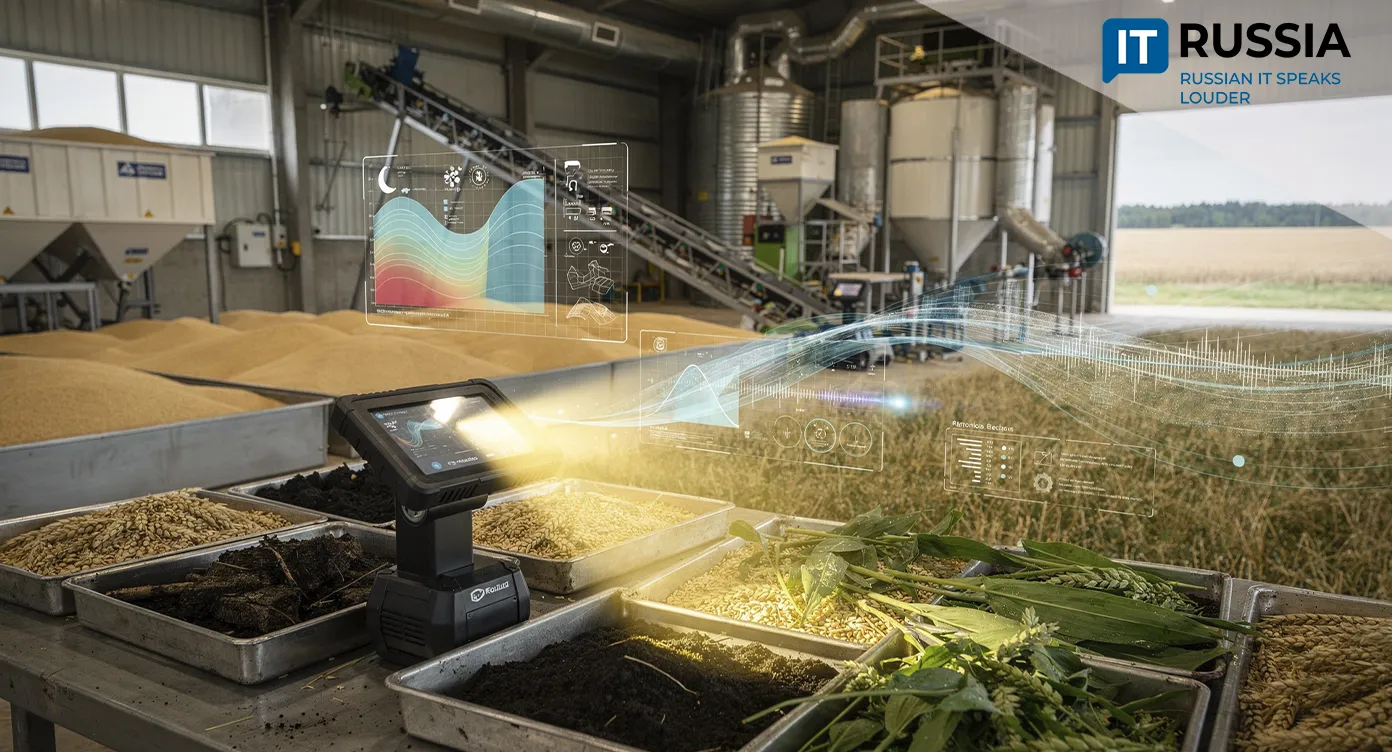
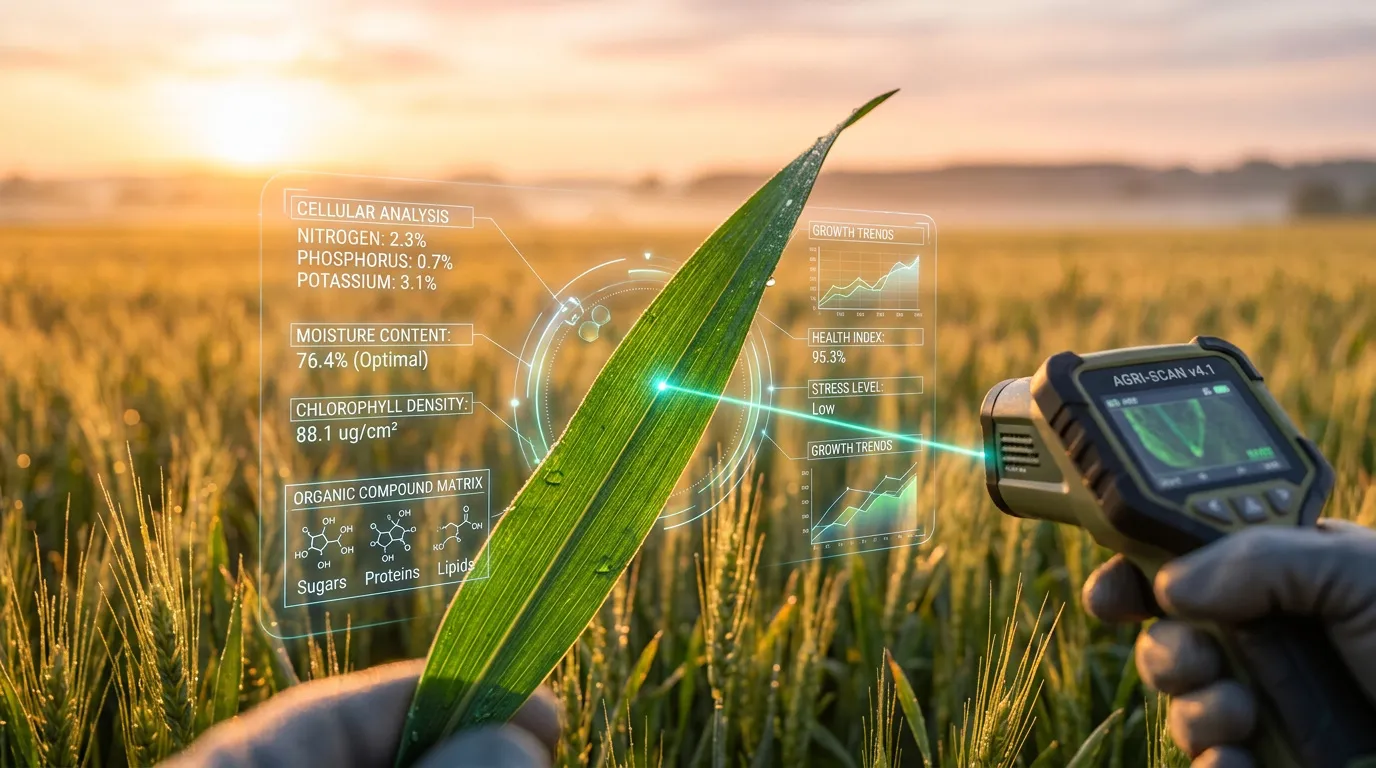
The university is developing a compact photodetector - a portable spectral-analysis device designed for rapid monitoring of agricultural assets in the field or at grain-storage facilities.
The scanner is based on reflectance spectroscopy. Every biological object has a unique spectral "fingerprint" that depends on its condition. A beam of light is directed onto a plant leaf, a soil sample, or grain, after which the photodetector records the reflected light within a specified wavelength range. Following calibration and digital signal processing, the device can assess the object's condition. Farmers receive information on soil moisture, concentrations of harmful substances in soil or grain, anaerobiosis risk, and organic-matter content. The instrument also quantifies the proportion of harmful substances in grain or soil as a percentage.
Saving the Harvest
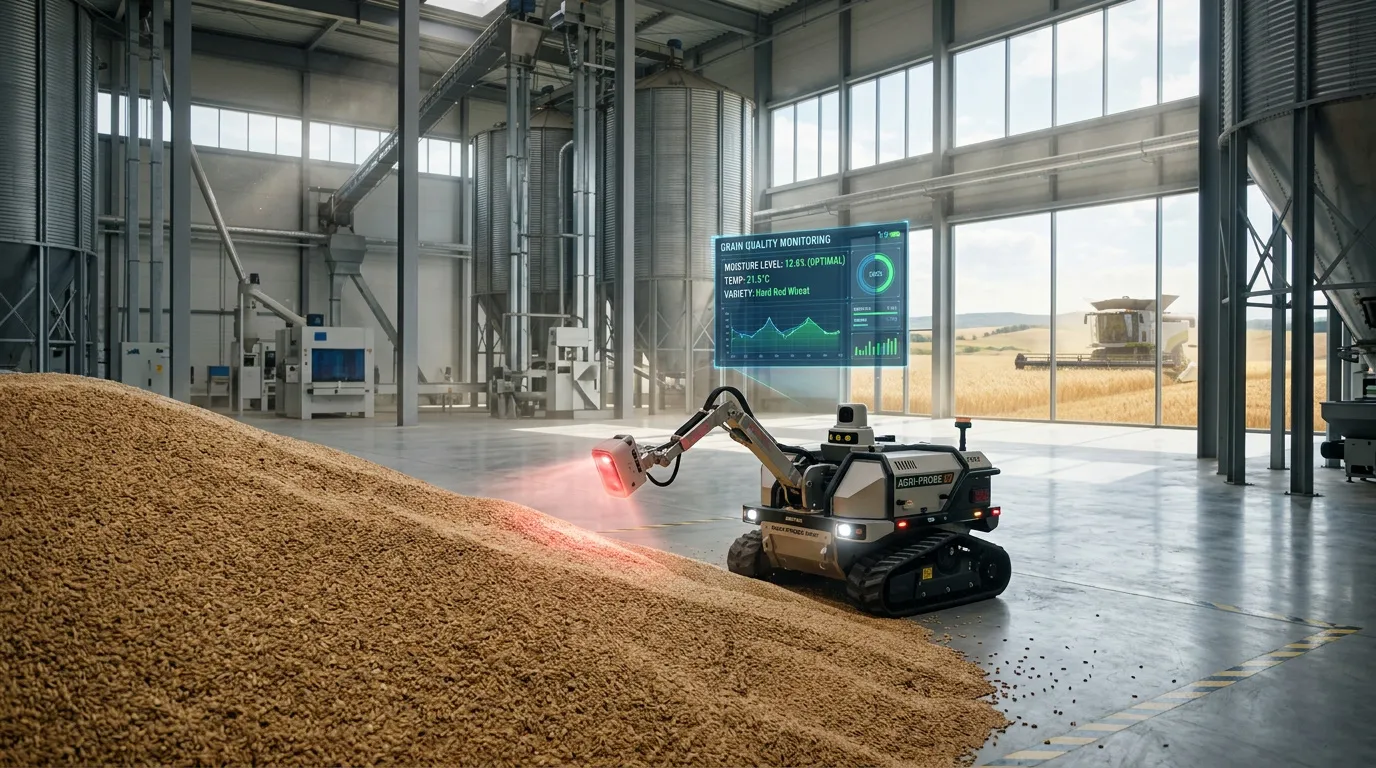
The value of such data for farmers is difficult to overstate. Changes in soil moisture and grain germination during large-scale storage occur gradually and often go unnoticed. The earliest stages are nearly impossible to detect visually, and by the time signs become apparent, damaging processes may already be underway. Anaerobiosis - excessive moisture around plant roots that deprives them of oxygen - can sharply reduce yields. Grain self-heating and germination are among the leading causes of storage losses. Excessive levels of agrochemicals and organic matter in soil can damage crops and make harvests unsuitable for use.
Only rapid spectral analysis can reveal these changes at their onset. That allows producers to act quickly - adjusting storage temperatures, drying grain, or optimizing fertilizer applications.
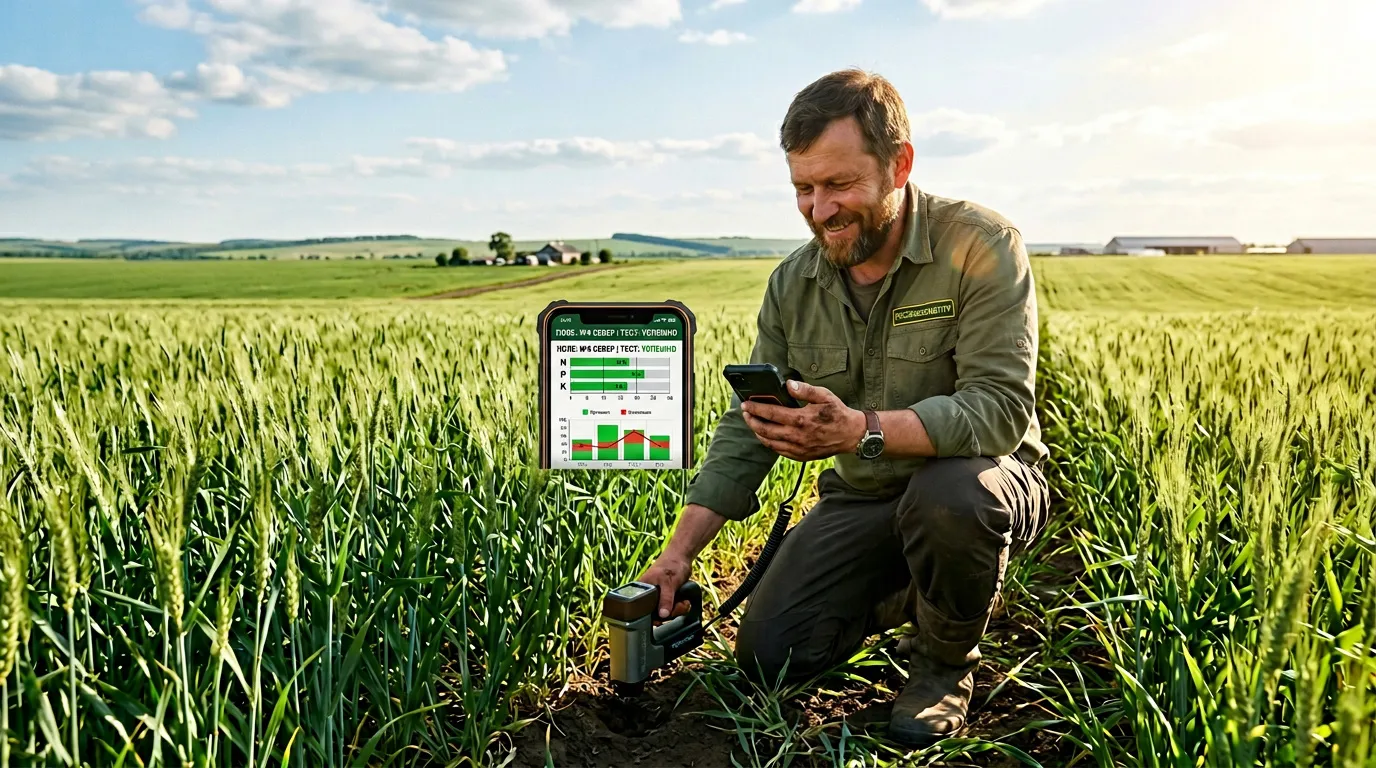
An important advantage of the photodetector is its portability. Farmers can take it directly into the field or to grain elevators and assess grain and soil conditions on-site. Until recently, that level of mobility was unavailable. The next stage of development will include a mobile application that will allow field operations using only a smartphone.
Looking ahead, SibSUTI researchers plan to train the device to detect even more complex processes, including hidden grain germination in large storage facilities.
The new instrument is expected to be particularly valuable for smaller farming operations. Large agricultural holdings can afford extensive agronomy teams and expensive laboratory equipment. For small and medium-sized farms, however, an affordable portable monitoring tool could become indispensable.
Precision Agriculture for Export
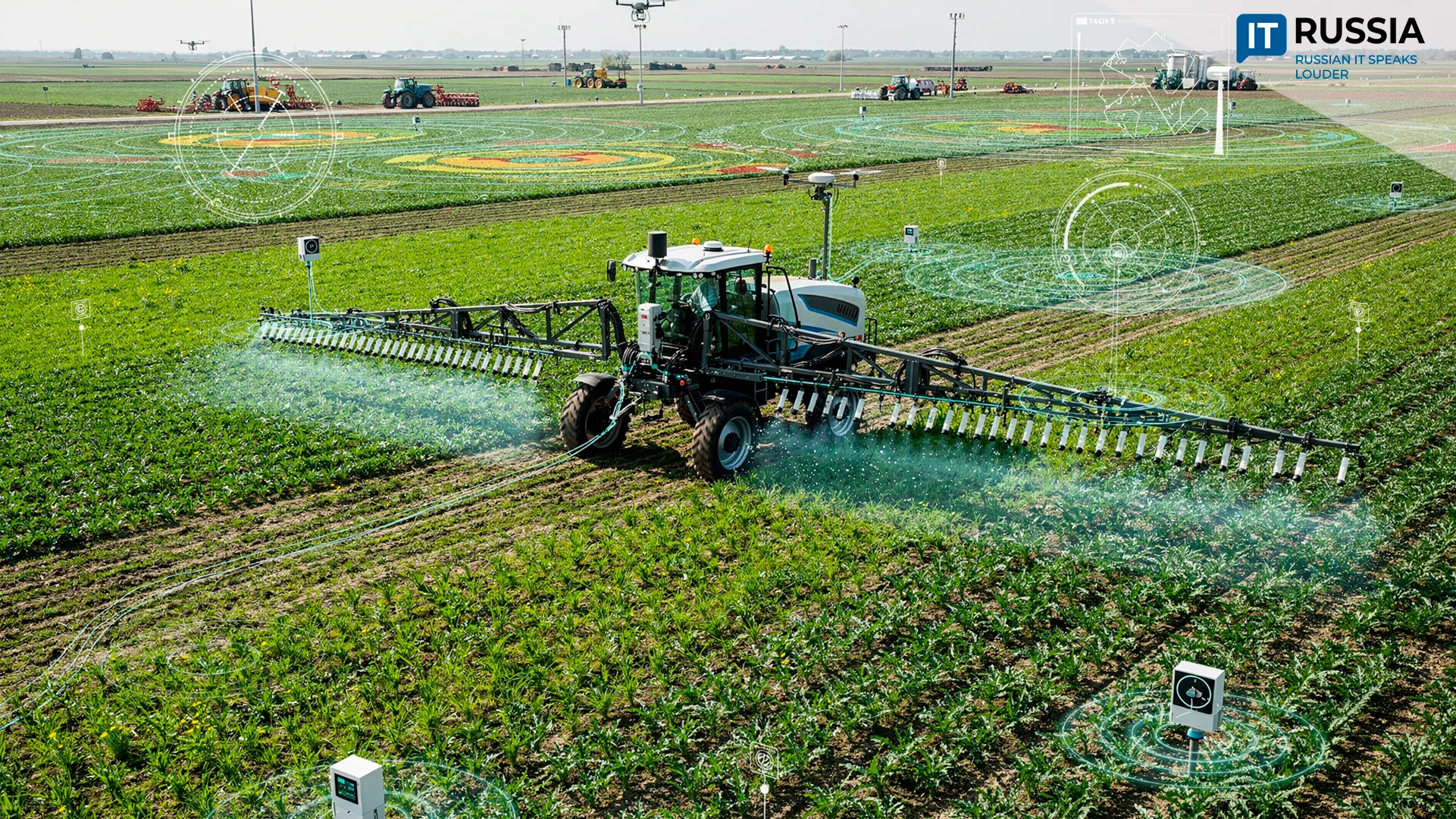
Once the device enters mass production, it is expected to become part of Russian precision-agriculture systems that combine sensors, robotics, mobile field applications, AI analytics, and agronomic recommendations.
Russian-made equipment is already becoming an increasingly important component of precision-agriculture ecosystems. For example, Cognitive Pilot introduced Cognitive Terra Sense, the first AI-powered robot designed for rapid agricultural land assessment. All soil-composition sensors used in the system were developed by Russian engineers.
Such technologies can help increase grain production volumes and strengthen Russia's position in global food markets. President Vladimir Putin has set a goal of increasing agricultural exports by 50% by 2030 compared with 2021 levels. That would require annual agricultural exports of approximately $55 billion. In 2023, agricultural exports totaled $43.5 billion.
Technology solutions that reduce costs while improving output and product quality could themselves become export products. International customers may be offered integrated packages that combine the scanner, a mobile application, calibration methodologies for different soils and crops, and AI-powered analytics.
Such platforms are likely to find the strongest demand in friendly markets across the EAEU, CIS, the Middle East, Africa, and Asia, where there is growing demand for affordable mobile tools that support soil and crop quality monitoring.