Small-Scale LNG Plants Get a Digital Efficiency Boost
Researchers at the Gubkin Russian State University of Oil and Gas have developed software for small-scale liquefied natural gas (LNG) plants that can increase output by 7% while reducing energy consumption by 5%.
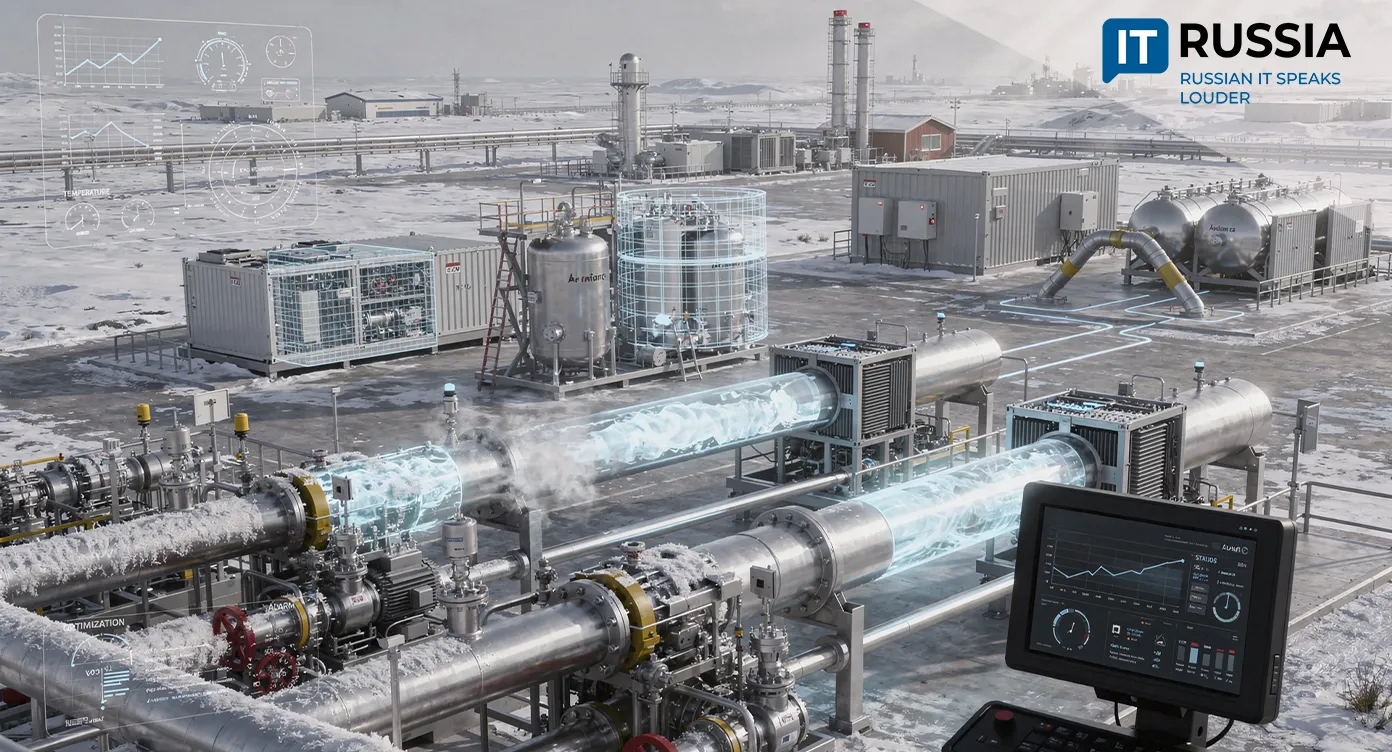
The new software functions as a digital simulation model of the production process. It identifies operational bottlenecks, tracks gas losses in real time, and recommends optimal equipment settings to plant operators.
During a pilot deployment at a facility with annual LNG production capacity of 21,500 tonnes, the model identified several sources of inefficiency, including gas losses during adsorber regeneration, suboptimal refrigeration-cycle performance, inaccurate instrumentation readings, pipeline insulation issues, and losses during loading operations. The software proposed a range of optimization measures, including the use of boil-off gas for internal plant needs, installation of an adjustable throttling valve, replacement of thermal insulation, calibration of instrumentation and control systems, and adjustment of LNG storage pressure.
In a technology-intensive sector where facility modernization often requires substantial capital investment, a solution that improves performance through data analysis, operating-mode optimization, and operator support is likely to attract attention from major industry players. The model was developed using the Russian simulation software suite SIMBA.
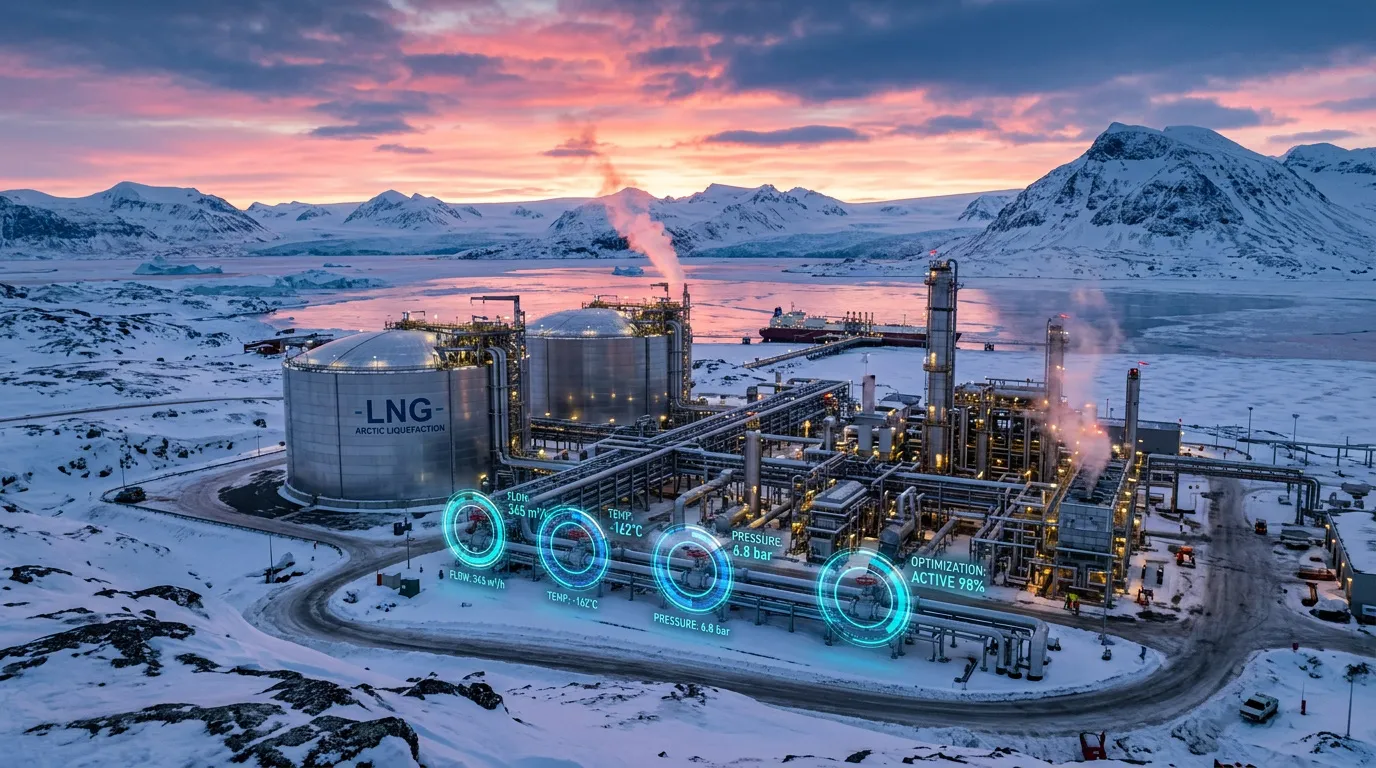
Small-Scale LNG Applications
Small-scale LNG is produced at relatively low-capacity facilities designed to serve local and regional markets.
In Russia, small-scale production is defined as facilities producing no more than 10 tonnes of LNG per hour, equivalent to roughly 82,000-87,000 tonnes annually. Regulations also limit end-user storage capacity to no more than 200 tonnes. Small-scale LNG can be transported by road in cryogenic tankers, by rail, or in tank containers, making it possible to supply gas even to remote locations.
Small-scale projects can be commissioned within one to two years, whereas large-scale LNG plants typically require many years to build. Another advantage is that such facilities can be located close to either gas sources or end users, including areas far from major pipeline infrastructure.
As feedstock, these facilities can utilize small gas fields, associated petroleum gas, or gas from local distribution networks - in short, resources that may be difficult or uneconomical to monetize through other channels. As a result, they provide an attractive alternative to routine flaring of associated gas.
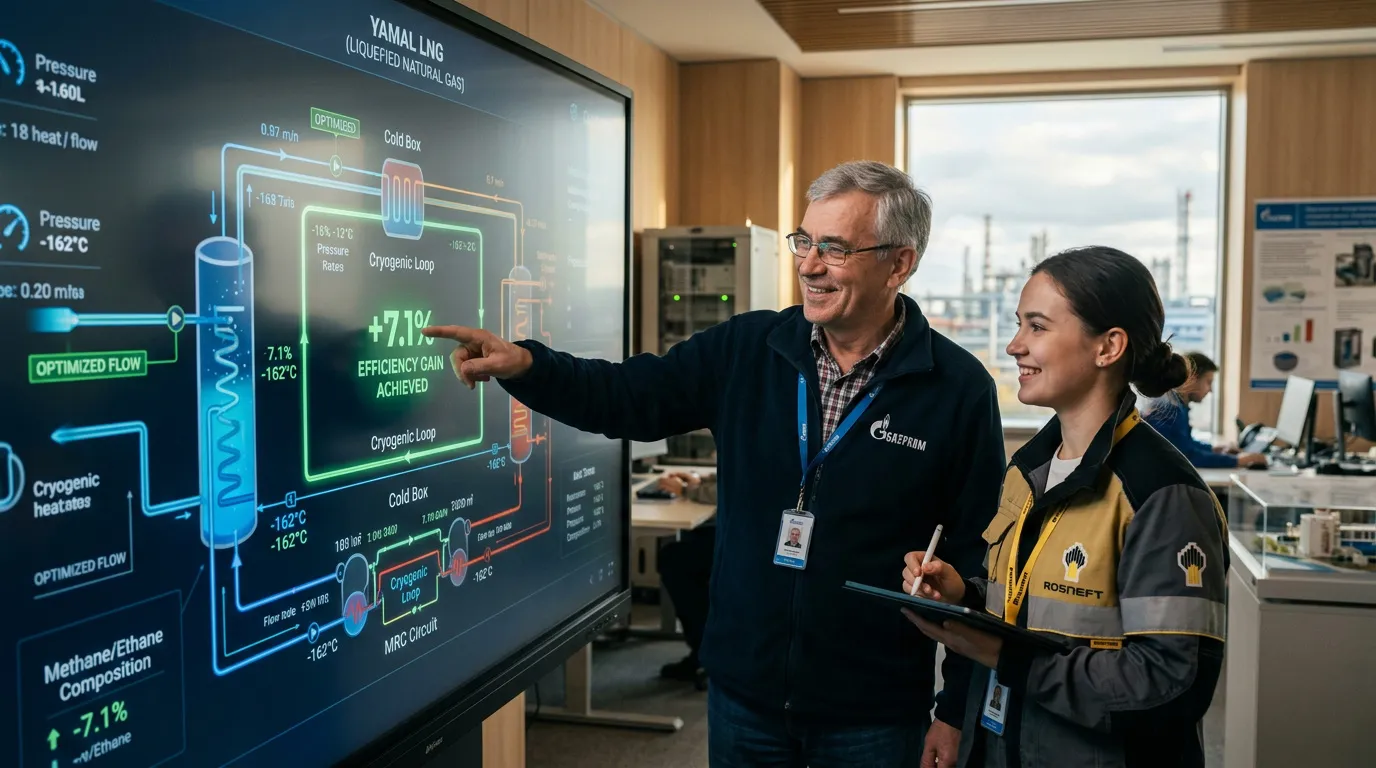
Small-scale LNG is used to fuel trucks, buses, mining equipment, and agricultural machinery. It also serves as backup fuel for peak-demand operation at boiler houses and power plants and supports autonomous gasification and energy supply for remote and hard-to-reach communities, industrial sites, and social infrastructure.
Improving the efficiency of small-scale LNG plants could expand domestic LNG supply without a proportional increase in capital expenditures. That makes it an important component of both technological independence in the fuel and energy sector and the broader digital transformation of the oil and gas industry. As early as 2021, the Russian government approved a long-term LNG development program that specifically highlighted small-scale production, autonomous gasification, natural-gas vehicle fuel, and import substitution as strategic priorities.

Big Prospects for Small-Scale LNG
At SPIEF 2023, Gazprom LNG Technologies announced plans to build additional small-scale LNG facilities. Two such plants are expected to be constructed in the Moscow Region in the near term. Beyond that, the company plans to build approximately 60 small-scale LNG complexes by 2030.
In 2024, the Fourth All-Russian Scientific and Practical Conference "LNG: Economics, Technologies, Solutions," hosted by Gubkin University, focused on LNG as a transportation fuel and the deployment of domestic technologies for small-scale LNG production. That reflects the emergence of a broader pipeline of university-led research and applied development programs in the sector.
In 2025, Novatek commissioned two new small-scale LNG plants in the Moscow and Samara regions. The company also continues supplying LNG to boiler houses in the Murmansk Region and serves customers in the Sverdlovsk and Saratov regions. Importantly, demand for LNG as a transportation fuel remains relatively restrained, underscoring the fact that the sector needs not only new production capacity but also stronger economic performance from existing projects.
That is precisely why the Gubkin University initiative is significant. The project is focused on tangible economic outcomes: increasing LNG yield, reducing energy consumption, cutting gas losses, and training operators without exposing active production facilities to operational risks.