Traffic Jams Meet Their Match
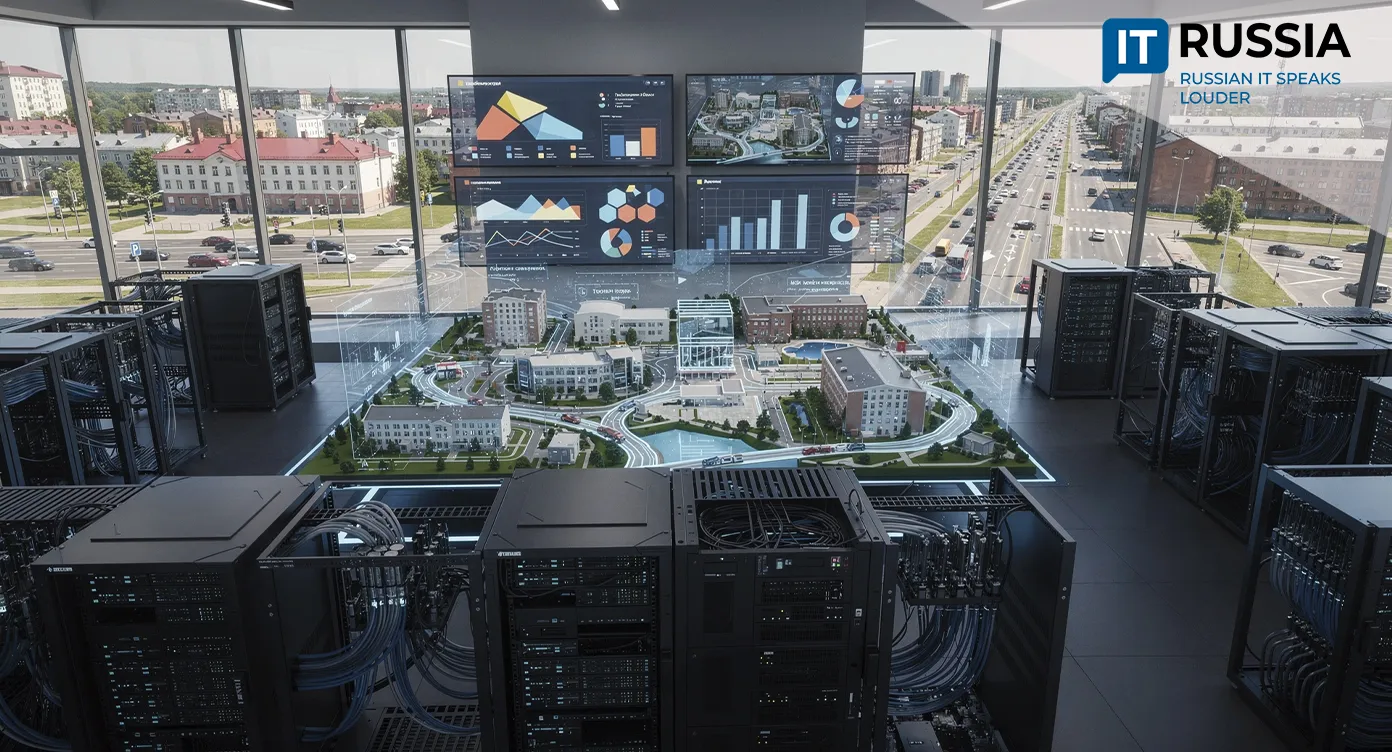
Russian cities may soon gain a powerful new ally – a neural network that can do more than measure traffic flow. It can predict congestion before it happens. Developed by a researcher at South Ural State University, the technology could turn ordinary street cameras into a powerful tool for traffic management.
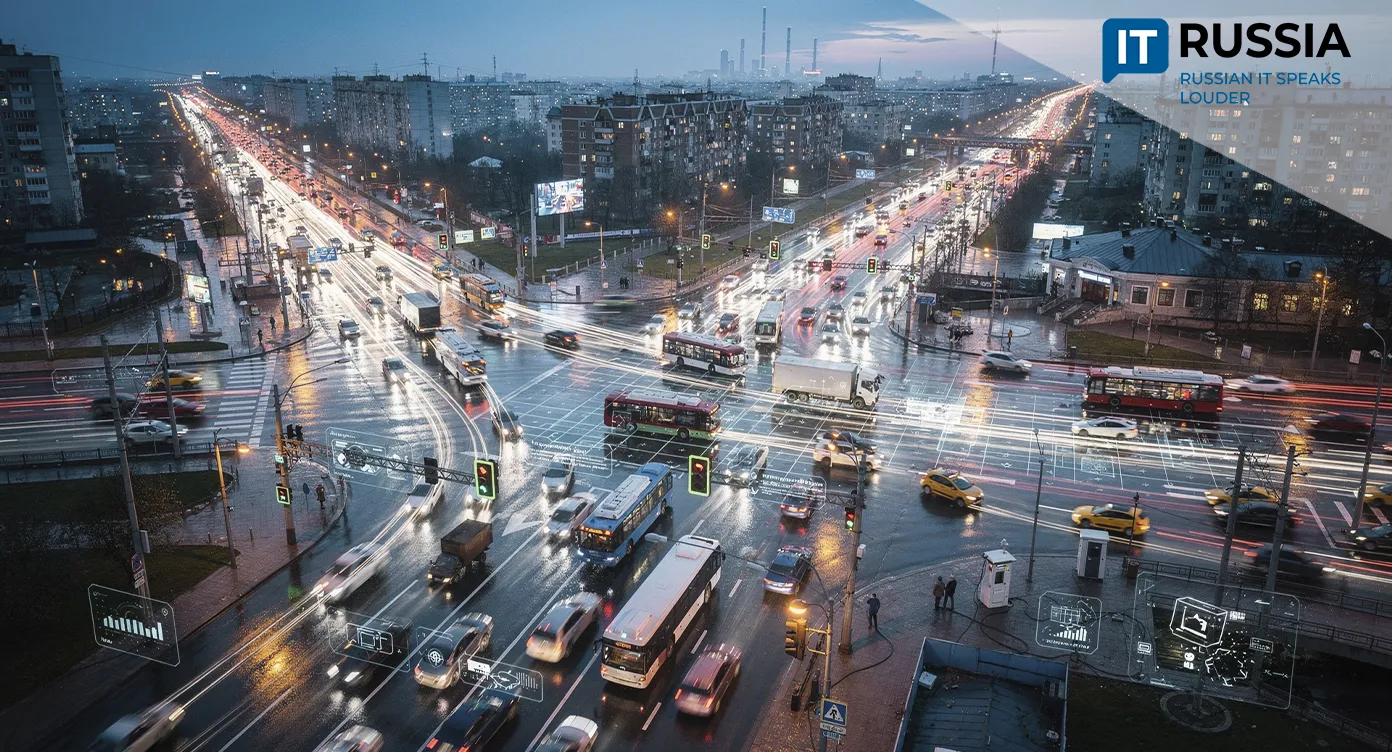
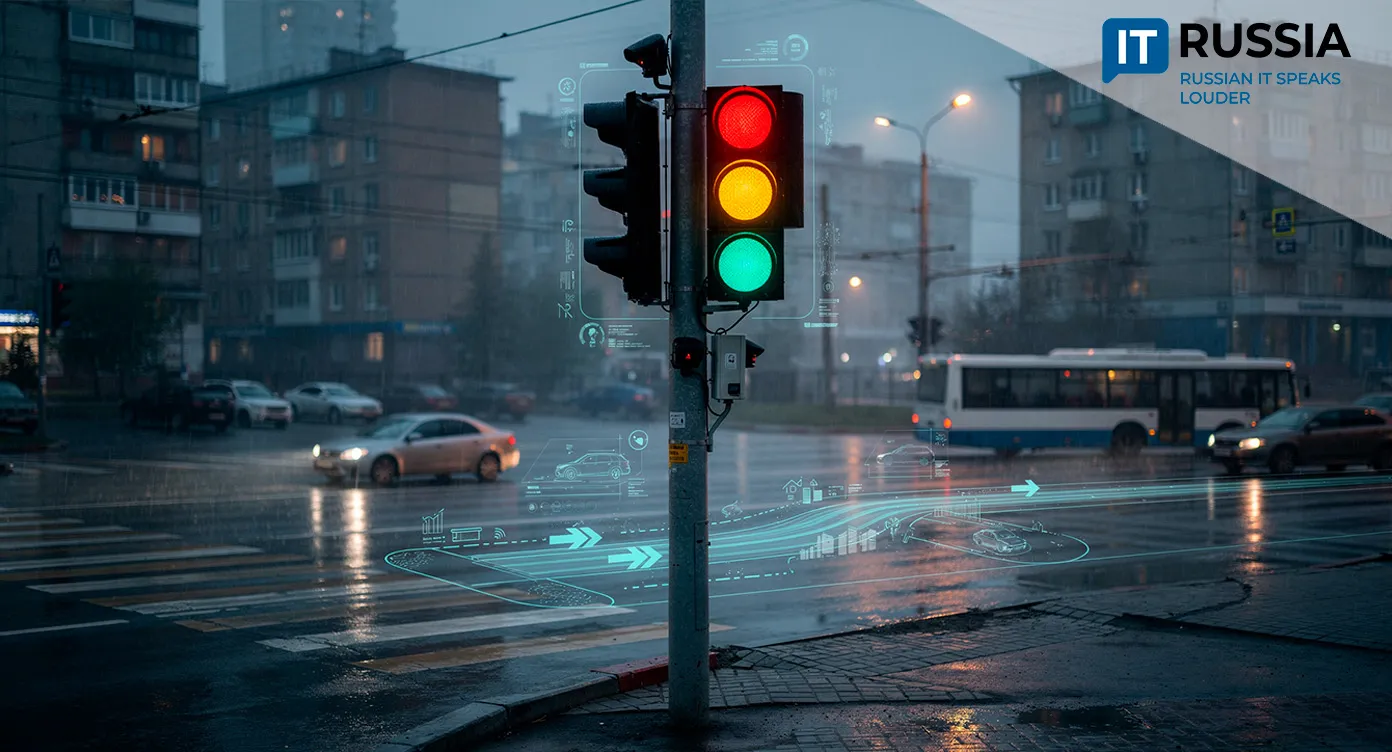
Rukhshona Dzhurayeva, a researcher at South Ural State University, has developed a neural-network system capable of forecasting traffic congestion at intersections. The key advantage of the solution is its practicality: the system connects to existing municipal surveillance cameras and analyzes traffic flow in real time. It not only counts vehicles but also classifies them into five categories while accounting for time of day and calendar factors to generate traffic forecasts.
The technology has already been tested using video data from cameras in Dushanbe and has received a patent. According to its developers, the system is ready for deployment in Russian cities. Its value lies in its ability to operate on top of existing infrastructure without requiring large-scale equipment replacement. That is especially important for regions with limited budgets. Instead of investing in costly new systems, municipalities can upgrade existing cameras, transforming them from tools for recording violations into sources of actionable traffic-management data.

Development Horizons
The outlook for deployment in Russia appears promising. Since 2020, the country has been actively expanding its Intelligent Transport Systems (ITS) program. By 2024, ITS platforms were operating across 62 urban agglomerations in 56 regions, while federal funding since 2020 has exceeded RUB 22 billion (about $280 million). By 2030, authorities plan to achieve at least Level 1 ITS maturity in 66 urban agglomerations.
For municipalities, the system’s main advantage is its low barrier to entry. There is no need to purchase new sensors or build complex infrastructure. Cities simply connect the analytics module to existing video feeds. That would allow traffic authorities to forecast congestion, manage traffic signals adaptively, assess the share of private and public transportation, identify overloaded corridors, and plan future road-network development.
The technology also has export potential, although that opportunity is likely to emerge over the medium term. Testing with data from Dushanbe has already demonstrated that the platform can operate outside Russia. Potential markets include the CIS, the Eurasian Economic Union, Central Asia, the Middle East, and Southeast Asia – regions where cities are growing rapidly and facing increasing transportation pressure.

From Sensors to Neural Networks
Over the past five years, ITS development in Russia has advanced steadily. Beginning in 2020, such systems became part of the national Bezopasnye kachestvennye dorogi (Safe High-Quality Roads national project), and by 2024 they had been deployed across dozens of urban agglomerations. In parallel, supporting technologies also evolved. In Bryansk, authorities installed domestic PAUK Trafik traffic video detectors that use neural networks and computer vision to identify and classify vehicles.
Dagestan modernized traffic signals and video-surveillance systems to analyze road conditions in real time. In Penza, adaptive traffic lights at heavily used intersections responded dynamically to traffic density. Meanwhile, ITS deployment in Ulan-Ude increased average peak-hour travel speeds from 15.5 km/h to 22.8 km/h, providing tangible evidence that smart technologies can improve urban mobility.
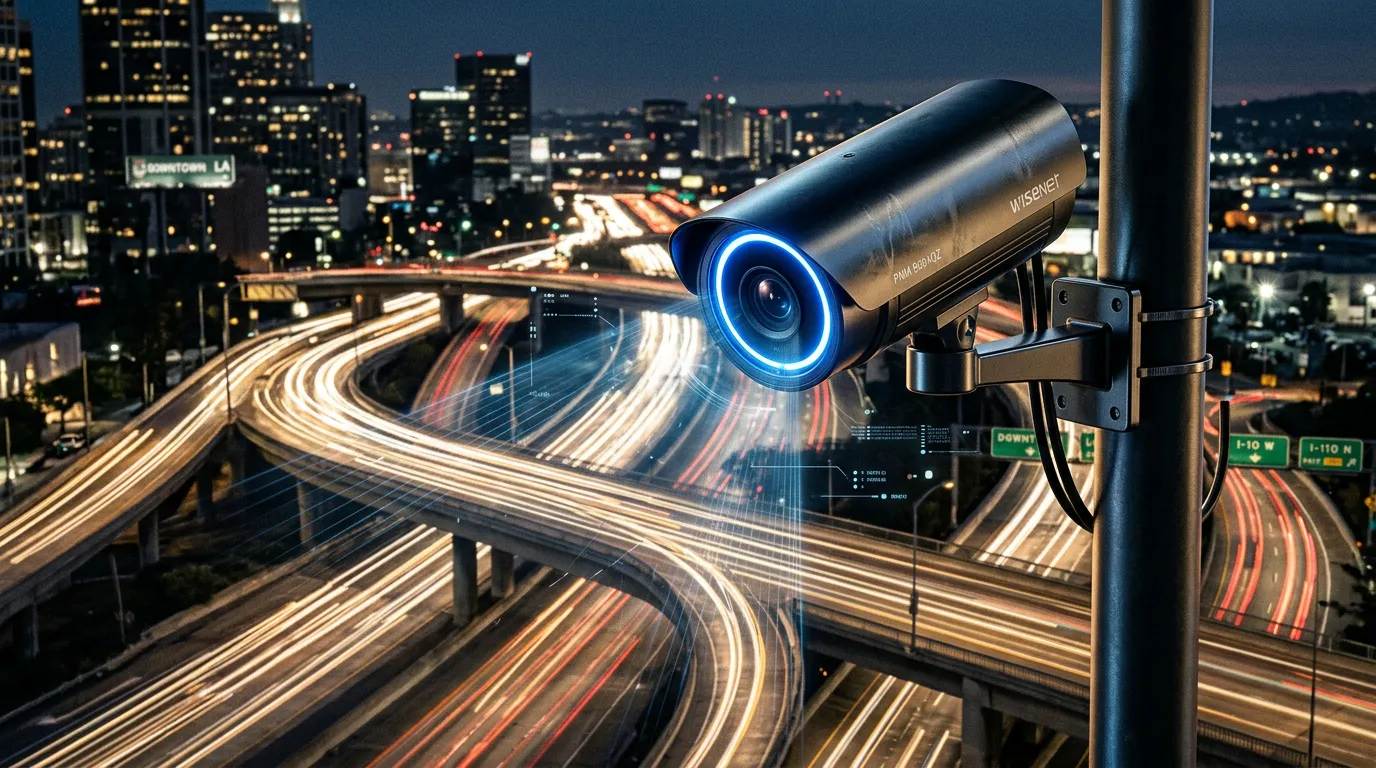
These examples illustrate how the role of urban infrastructure is gradually changing. Cameras and sensors are no longer simply monitoring tools; they are becoming data sources for proactive transportation management. The South Ural State University development fits naturally into that trend by offering a system that not only records conditions but also predicts them.
From Pilot Project to Standard Practice
Rukhshona Dzhurayeva’s system is not an abstract research experiment but a practical tool for city governments. Its primary value lies in expanding the capabilities of existing cameras. Instead of passively recording traffic conditions, they become active elements of an ITS ecosystem capable of warning operators about emerging congestion.
The most likely path forward involves pilot deployments in Russian cities followed by integration into traffic-management centers and adaptive signal-control systems. If the platform demonstrates consistent accuracy across different weather and road conditions, it could become a sought-after module for regional ITS deployments. Over the coming years, technologies of this kind could become standard components of Russian urban mobility systems, making road networks not only smarter but also more convenient for all road users.