In Russia, Biomorphic Inspectors Are Transforming the Railroad Sector
Biomorphic robot dogs developed by NIIAS are being tested on live Russian Railways infrastructure, ushering in an era of intelligent diagnostics and control.
Robotic Guardians
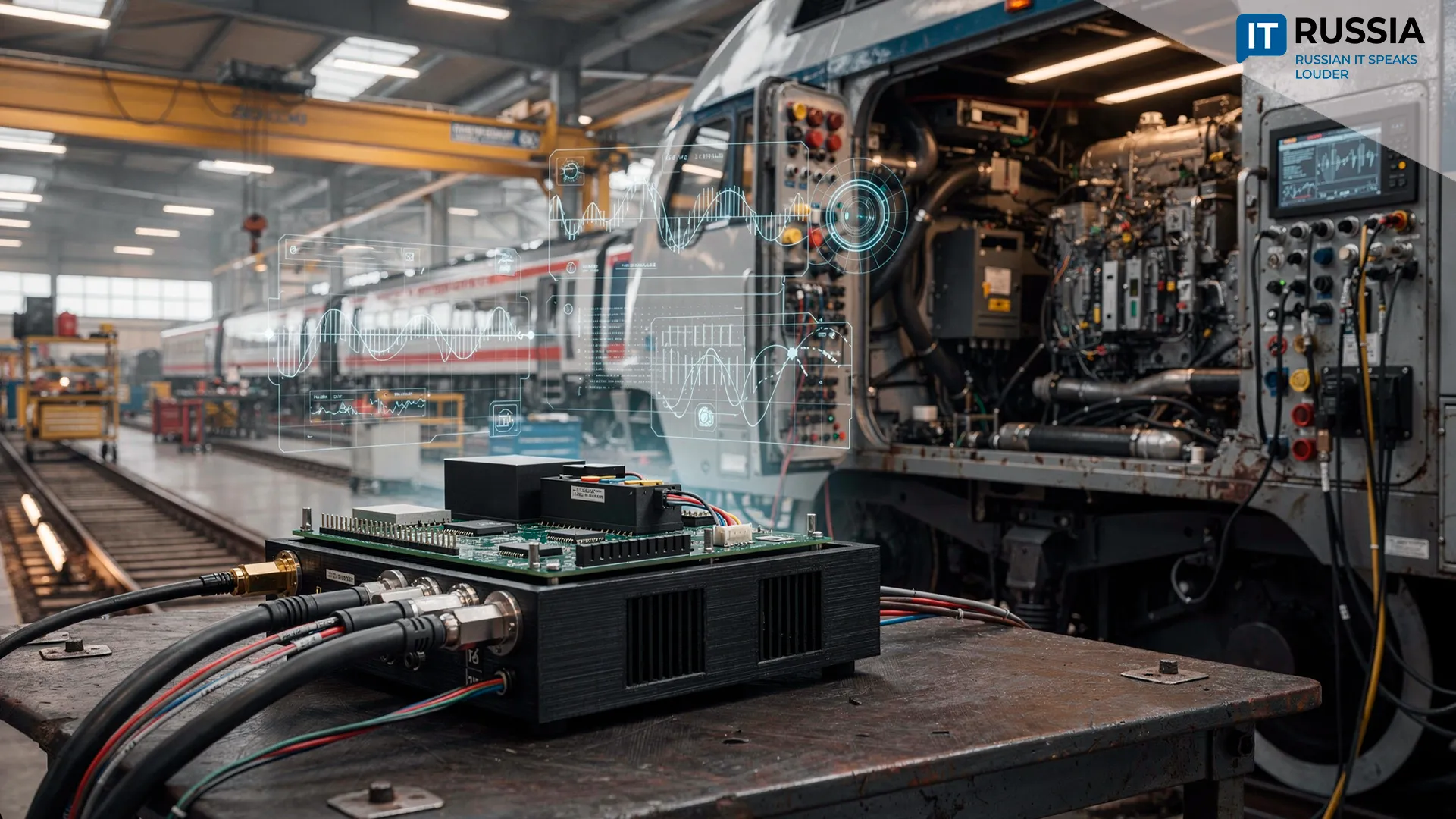
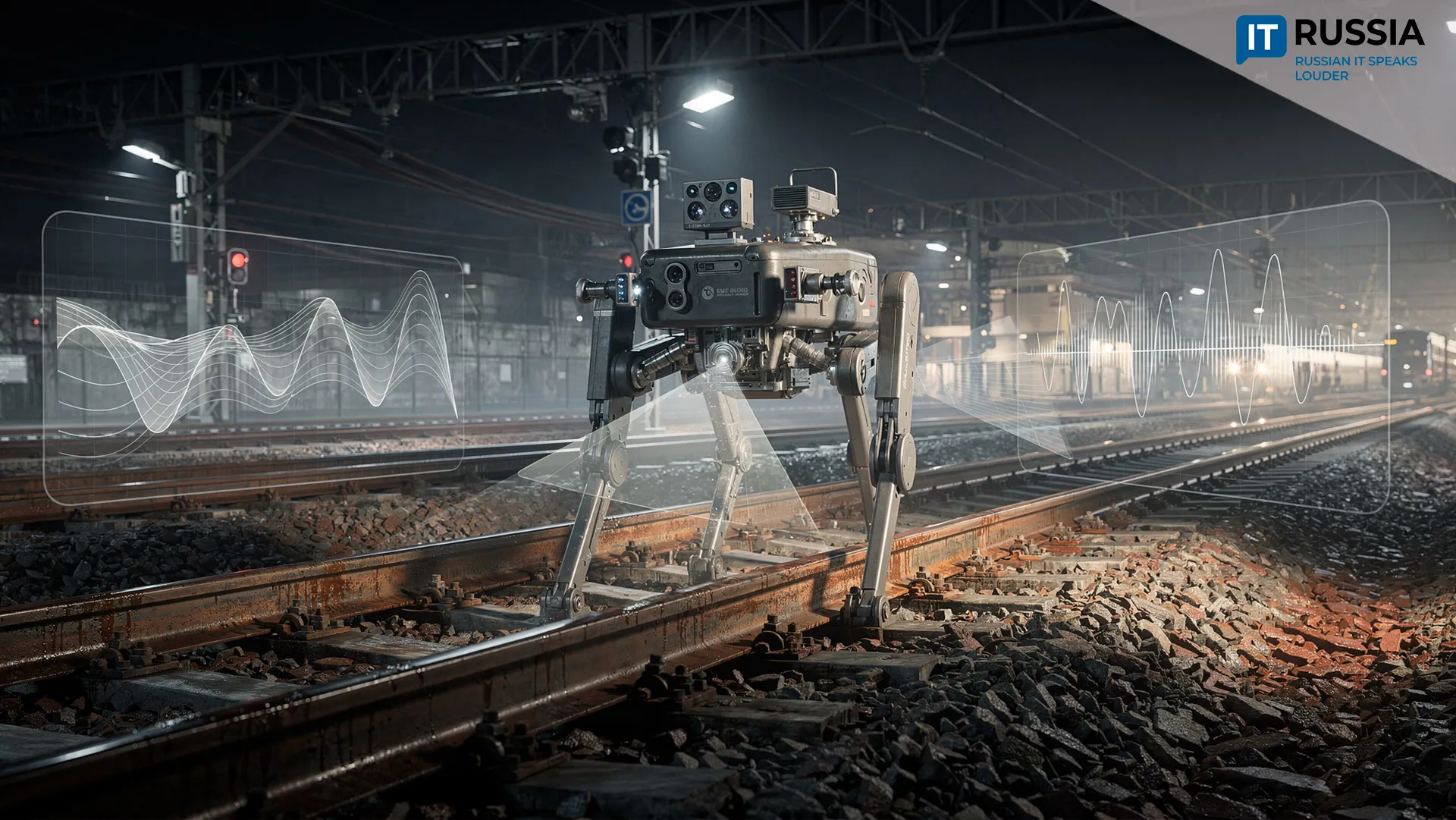
Russian Railways has launched research and field trials of robot dogs capable of understanding and executing voice commands while operating in high-noise environments. The developer, the Research and Design Institute of Information Technologies, Automation and Communications in Railway Transport (NIIAS), has integrated a full perception stack: multispectral sensors, LiDAR, high-resolution cameras, and AI modules. Together, they enable end-to-end diagnostics – from detecting defects in railway sleepers to analyzing rolling stock vibrations.
The trials are underway in Chelyabinsk (South Ural Railway) and across southern railway corridors. Crucially, engineers are simulating extreme operating conditions, including frosts down to –45°C, heat, rain, and heavy dust, reflecting the realities of Russia’s vast rail network.
Strategic Horizons
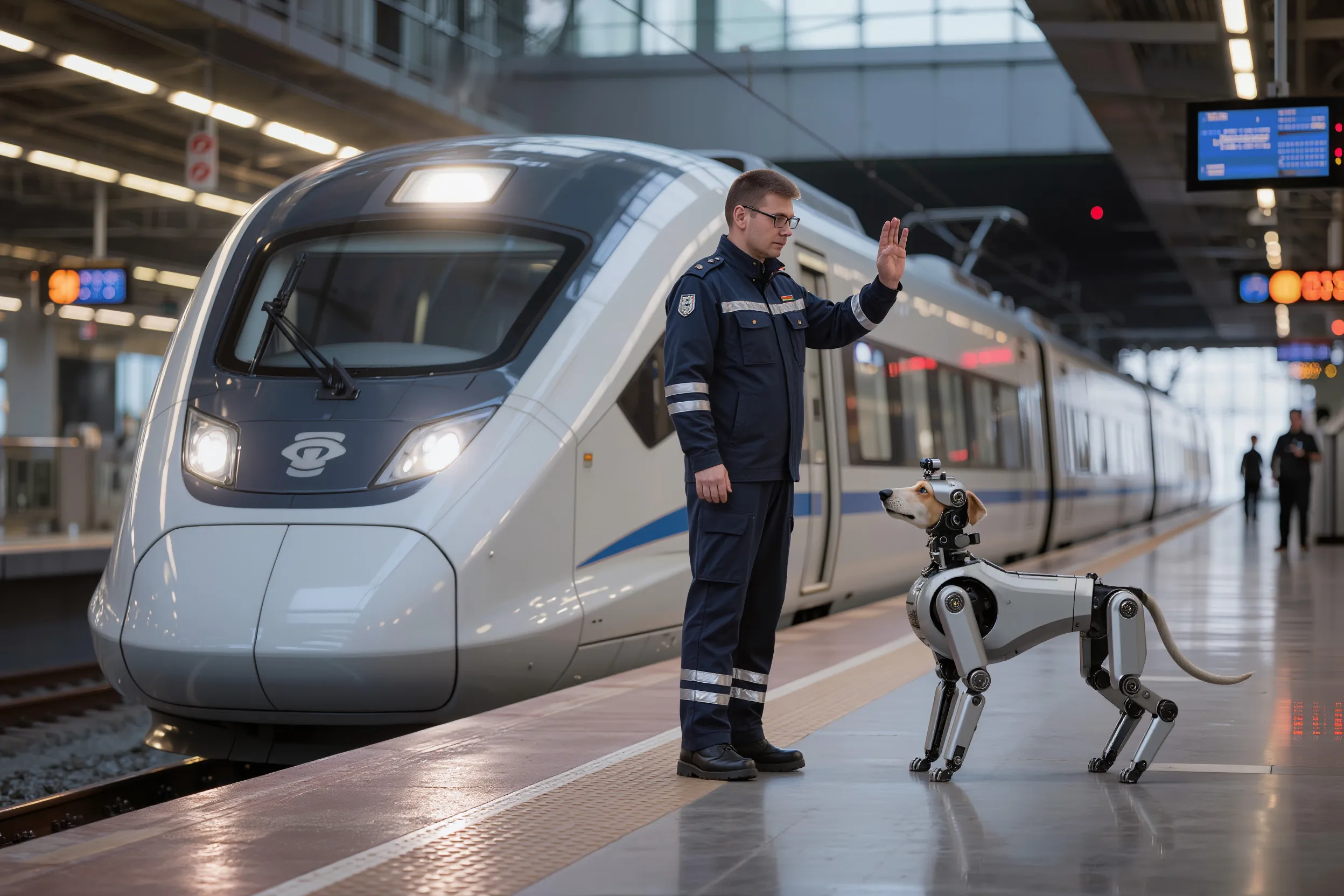
The robots are already inspecting hard-to-reach areas beneath railcars, assessing infrastructure wear, and monitoring compliance with safety standards. The potential impact is substantial. Human factors account for an estimated 70–80% of incidents in high-risk rail zones. By shifting routine inspections to autonomous systems, operators expect to cut downtime by up to 40% and increase overall network throughput.
From a logistics and infrastructure perspective, this represents a strategic leap for Russia in transport robotics and digital infrastructure management. The internal deployment potential is significant: robot dogs could cover inspections in roughly 20% of the most hazardous areas – tunnels, bridges, and remote track sections where manual work is especially dangerous. They are also designed for Russia’s harsh climate, where temperature swings degrade tracks faster than in most European systems.


Before large-scale rollout, several hurdles remain. These include extended AI training to recognize regional speech patterns, long-duration endurance testing exceeding 10,000 operational hours, and the creation of a regulatory framework. That framework would span national industrial safety standards and integration with emergency and navigation systems such as ERA-GLONASS.
On the global stage, Russian solutions compare favorably with international counterparts. In the UK, Boston Dynamics robots inspect rail assets using geospatial data, while Rutgers University has deployed robotic patrols at airfields – but without voice-based AI control. Export prospects are emerging across BRICS countries, particularly India and China, which each operate more than 100,000 km of rail requiring automation. Africa and Latin America also present opportunities. By 2030, the global transport robotics market is projected to exceed $10 billion, with Russia aiming to secure a 10–15% share through a combination of durability and cost efficiency.
A Short Evolutionary Path
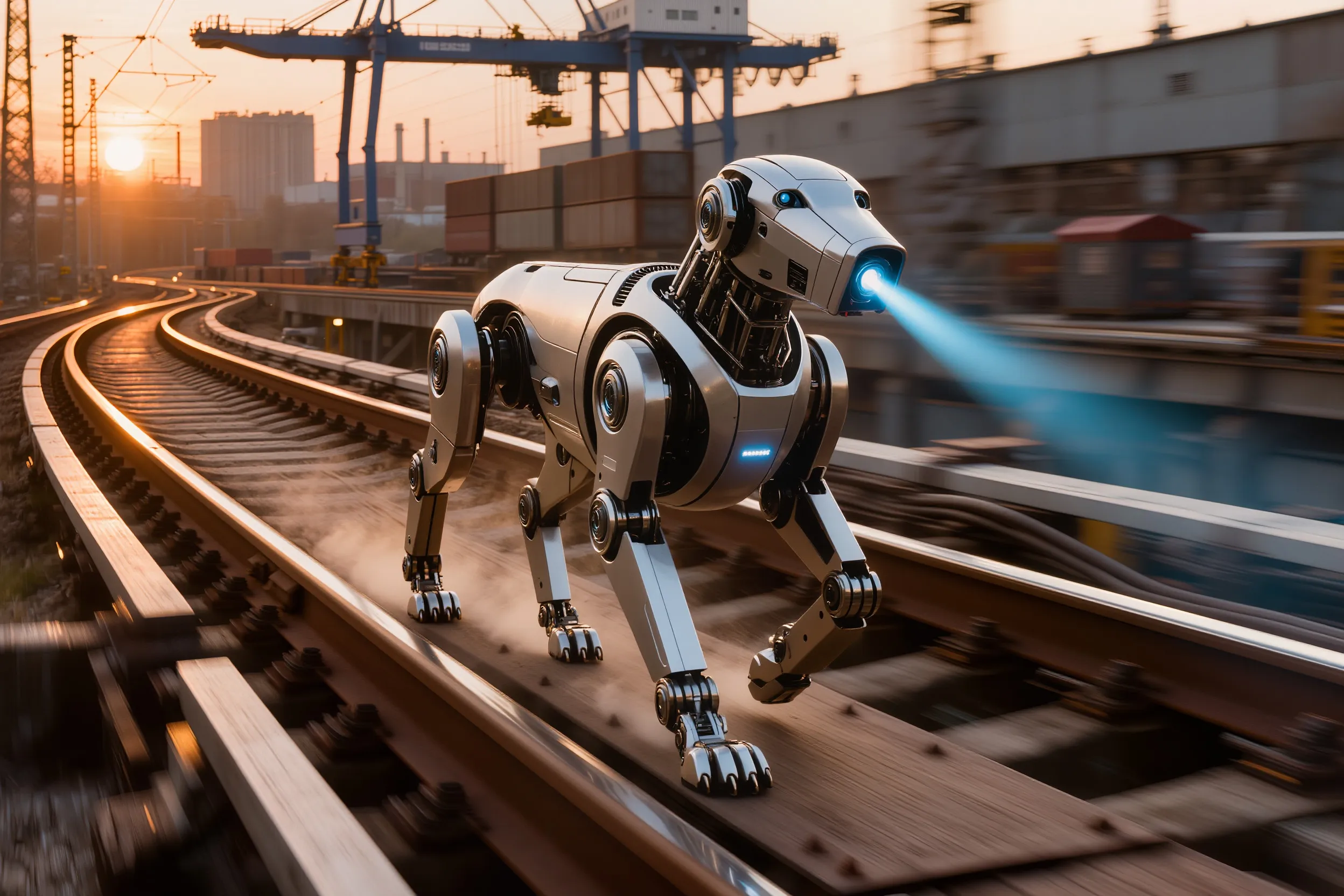
Russian Railways began testing early robotic dog prototypes on hazardous tracks as recently as 2024. In 2025, at the forum PRO//Dvizhenie.Expo, NIIAS showcased upgraded models equipped with LiDAR, capable of overcoming 40 cm obstacles and generating detailed 3D maps of infrastructure defects. Over the same period, Russia expanded trials across the Urals and southern regions, accumulating more than 5,000 hours of operational data.
The latest iteration adds voice control, enabling robots to interpret commands such as “bypass the obstacle on the left.” This alone has improved operational responsiveness by an estimated 60%. While similar projects are underway elsewhere – from logistics robots developed in China to Boston Dynamics’ Spot platform in the US – the Russian emphasis on climate resilience and deep integration with railway AI systems underscores a distinct positioning.
Robots as the Backbone of Transport’s Future
Russian Railways and NIIAS are effectively building a platform for intuitive human–machine collaboration. Voice-driven AI lowers the barrier to adoption and thus reduces inspection and monitoring costs by an estimated 25–35%. Early projections suggest safety levels could rise by 50%, while diagnostic efficiency may double.
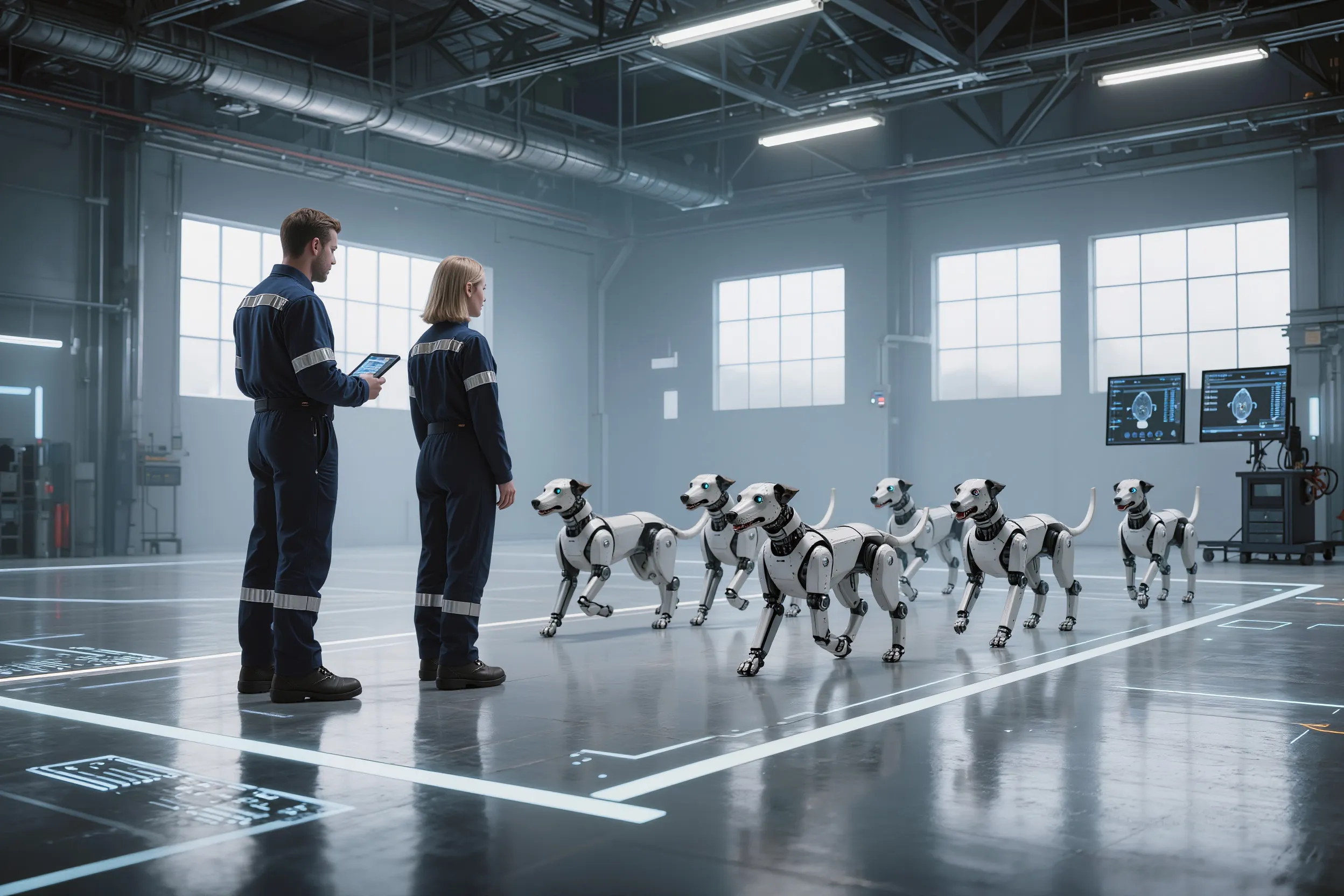
Between 2026 and 2028, the roadmap includes completing trials, certification, and pilot deployment across 10% of mainline routes, with autonomous operation levels approaching 90%. By 2030, plans call for mass production – potentially thousands of units – the addition of robotic manipulators for localized repairs, integration into digital twins of the rail network, and exports to up to 20 countries. In the longer term, Russia could position itself as a global hub for transport robotics, setting standards for the sector in the emerging Industry 5.0 era.