In the Lens – A Spotted Predator: Online Camera Traps to Protect the Leopard
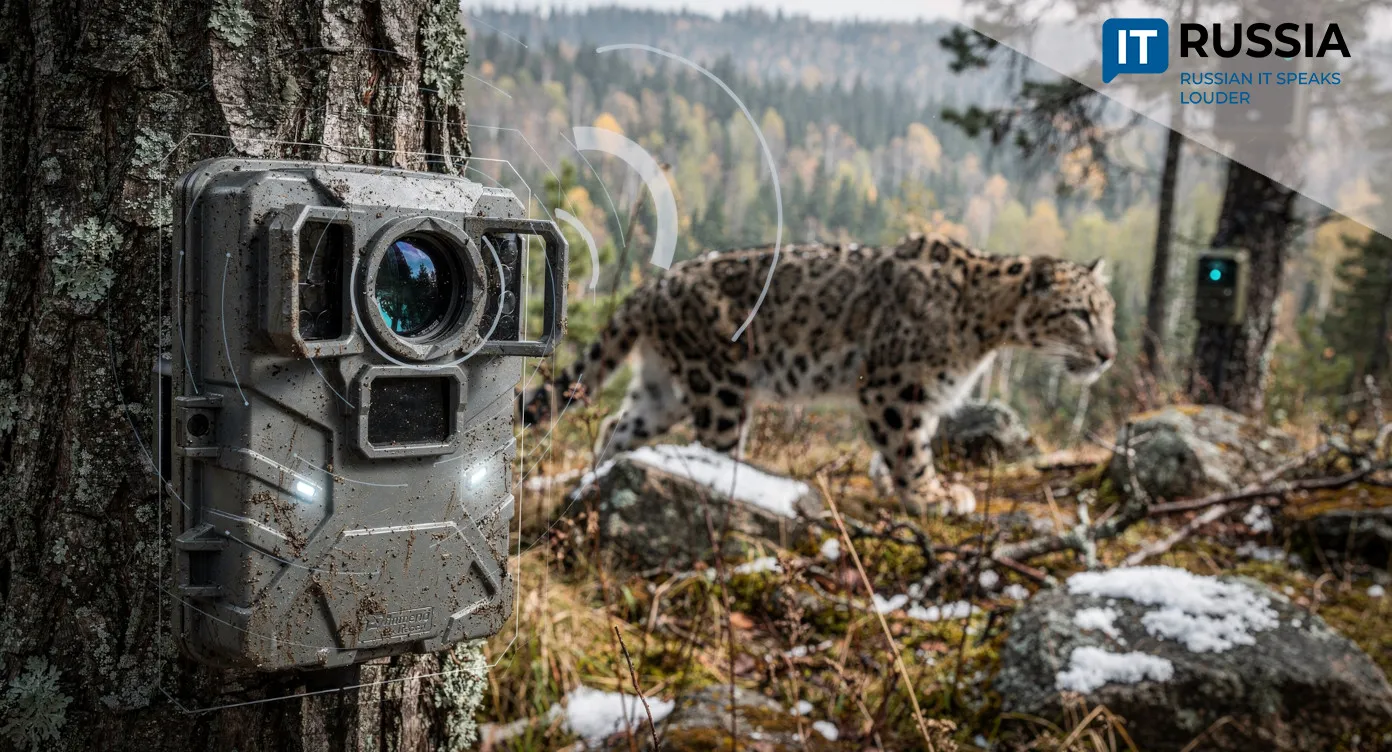
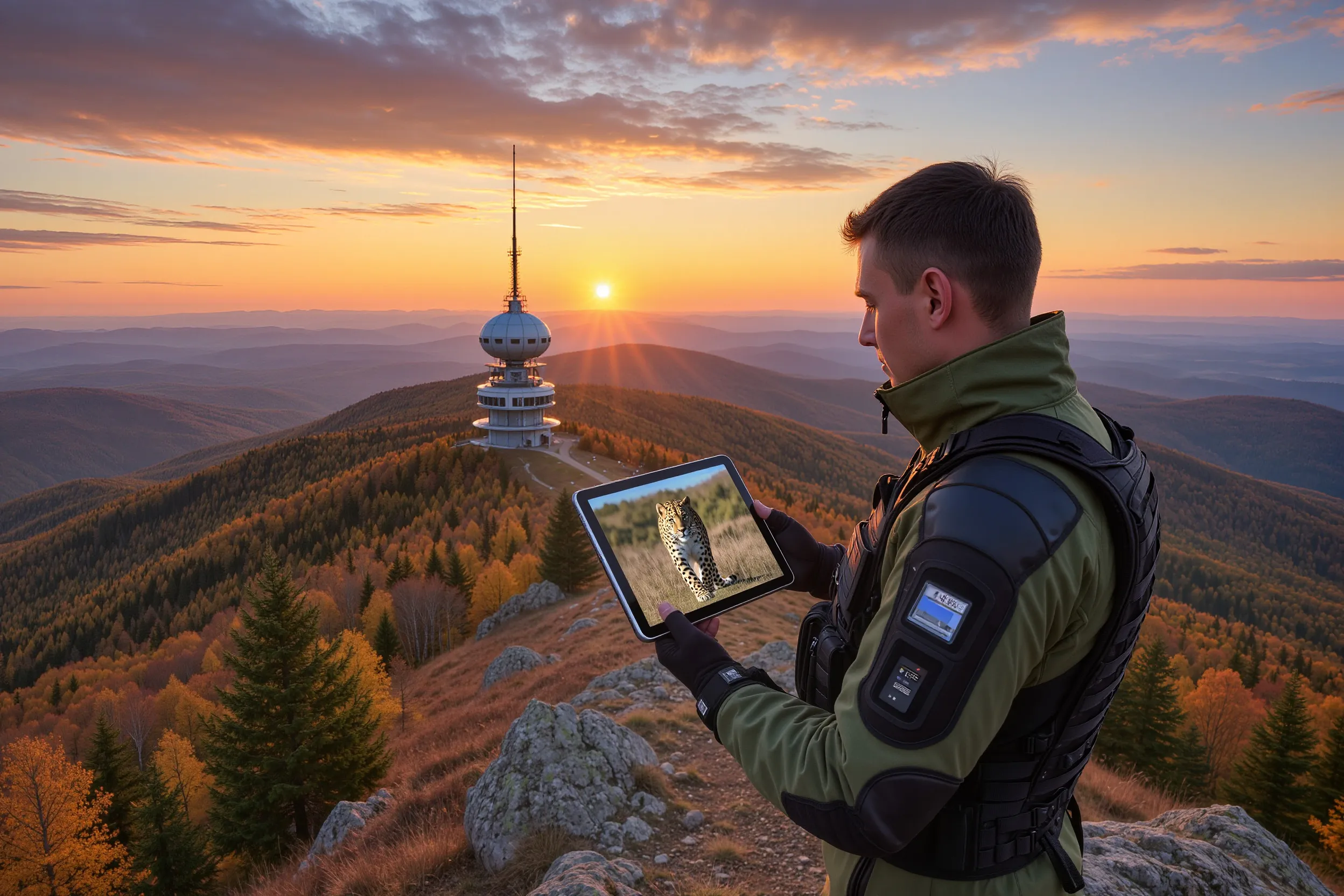
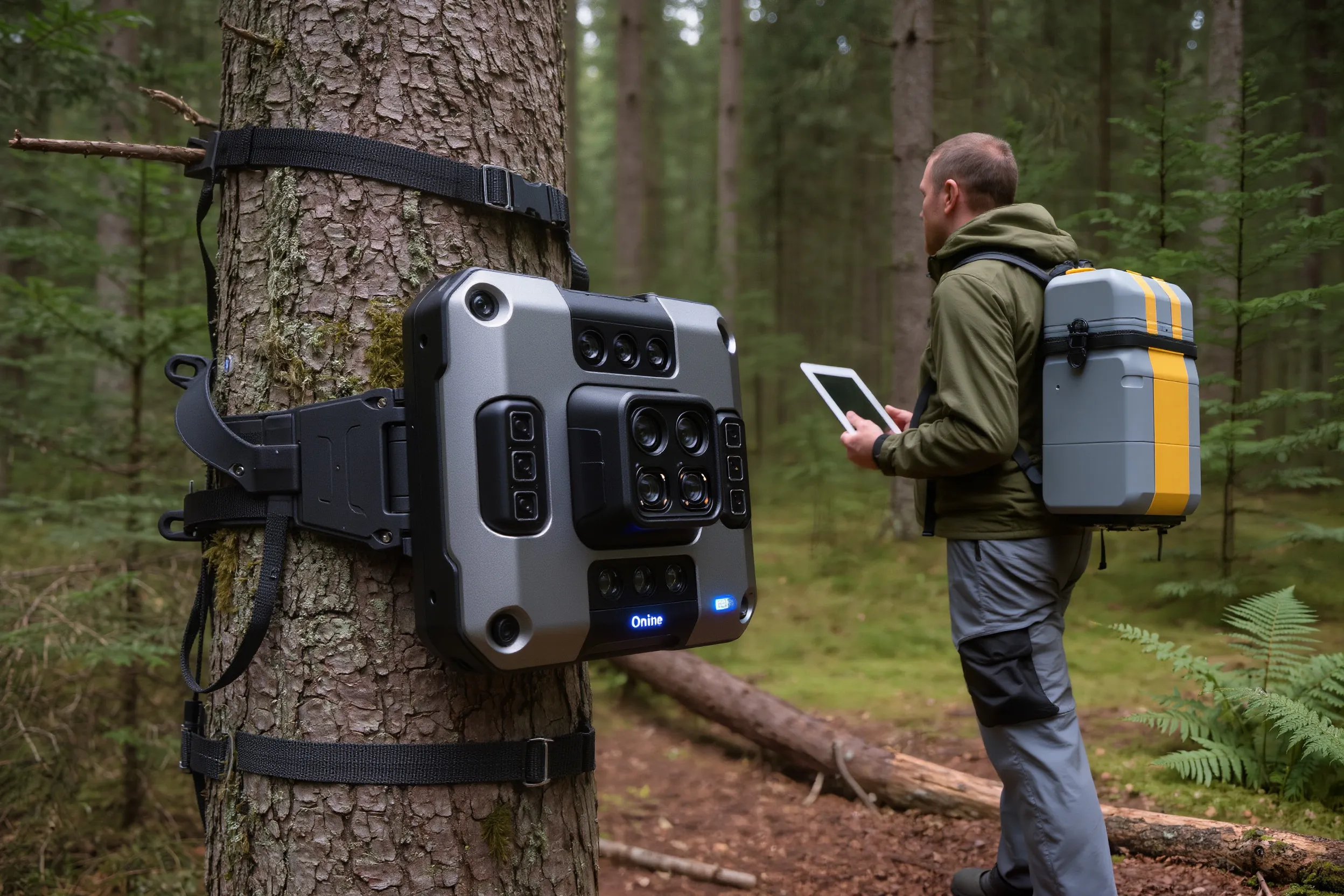
In Russia’s Zemlya Leoparda (Land of the Leopard) National Park, part of the stationary camera trap network is being switched to online mode. Mobile communications repeaters will allow camera data to stream to the park’s laboratory facilities in real time, eliminating months of waiting and manual data collection.
Live Streaming the Life of a Nature Reserve
Zemlya Leoparda operates the largest camera-based wildlife monitoring network among Russia’s national parks and nature reserves. Until now, working with its more than 450 camera traps resembled opening a time capsule. Staff spent months collecting memory cards and then manually reviewing up to a million images. That system is now gaining a real-time “voice.” With the new setup, researchers will be able to assess populations of leopards, tigers, bears, and smaller predators across the reserve. Specialists will receive instant updates on animal movements, including the appearance of previously unknown individuals – something that occurs regularly in the park.
The system will also serve a security function. By receiving images and sensor alerts in real time, park rangers will be able to respond immediately to threats, whether that means detecting poachers inside park boundaries or identifying fires that could endanger the reserve’s unique ecosystem. In the future, video monitoring is expected to expand across the entire territory.
A “Smart” Park
The Amur leopard is one of the rarest wild cats on the planet and is listed in Russia’s Red Book. Hunting has been banned since 1956. The species inhabits southwestern Primorsky Krai and areas along the Russia–China border. In the early 2000s, fewer than 30 individuals remained worldwide, nearly all of them in Russia. Today, zoologists estimate the population at around 150 animals, with about 120 leopards living inside Zemlya Leoparda. This recovery is the result of sustained monitoring and protection.


As early as 2022, the reserve tested artificial intelligence algorithms to automatically recognize species in photographs. Now AI will be able to work with live data streams. This will not only accelerate analysis but also enable semi-automated identification of individual animals, freeing researchers from routine manual work.
A Secure Habitat
The Amur leopard remains the rarest large cat on Earth, and the international conservation community closely monitors its fate. Through this initiative, Russia is strengthening its leadership in digital biodiversity monitoring.
Zemlya Leoparda is becoming a living laboratory where technologies applicable to protected areas nationwide are being tested. The concept of an “internet of animals” could eventually become an exportable solution for countries in Asia and other regions facing similar challenges in protecting endangered species.
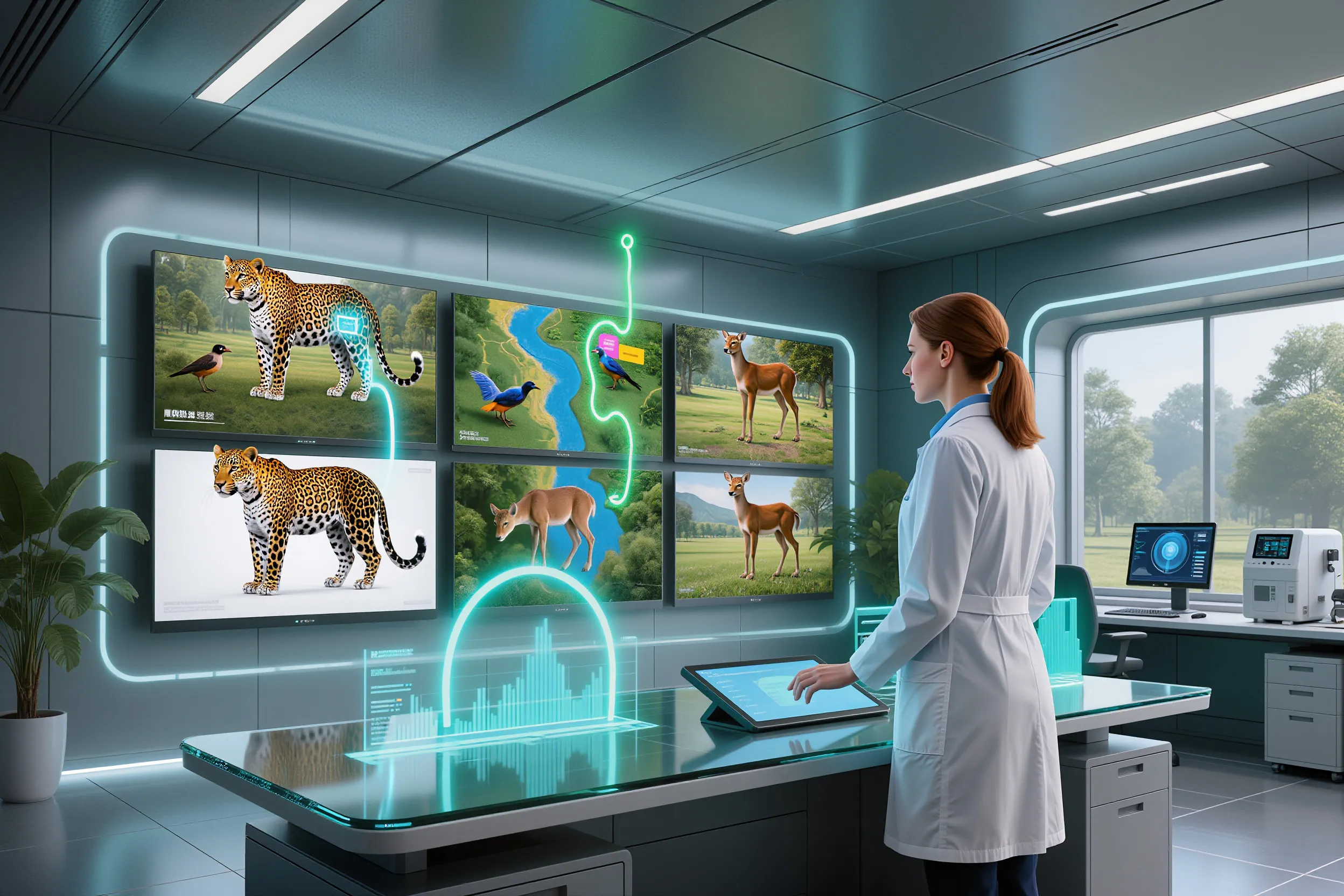
By 2030, Zemlya Leoparda plans to establish an integrated digital monitoring ecosystem. It will combine satellite telemetry, online sensor networks, automated AI analysis, and rapid alert systems. This “smart” park will serve not only as an impregnable barrier against poaching and a safe haven for leopards, but also as a powerful scientific hub. Digitalization is not a threat to nature – it may be the most effective tool for conserving ecosystems in the 21st century.