Russia Is Building a Virtual Tour of the Solovetsky Prison
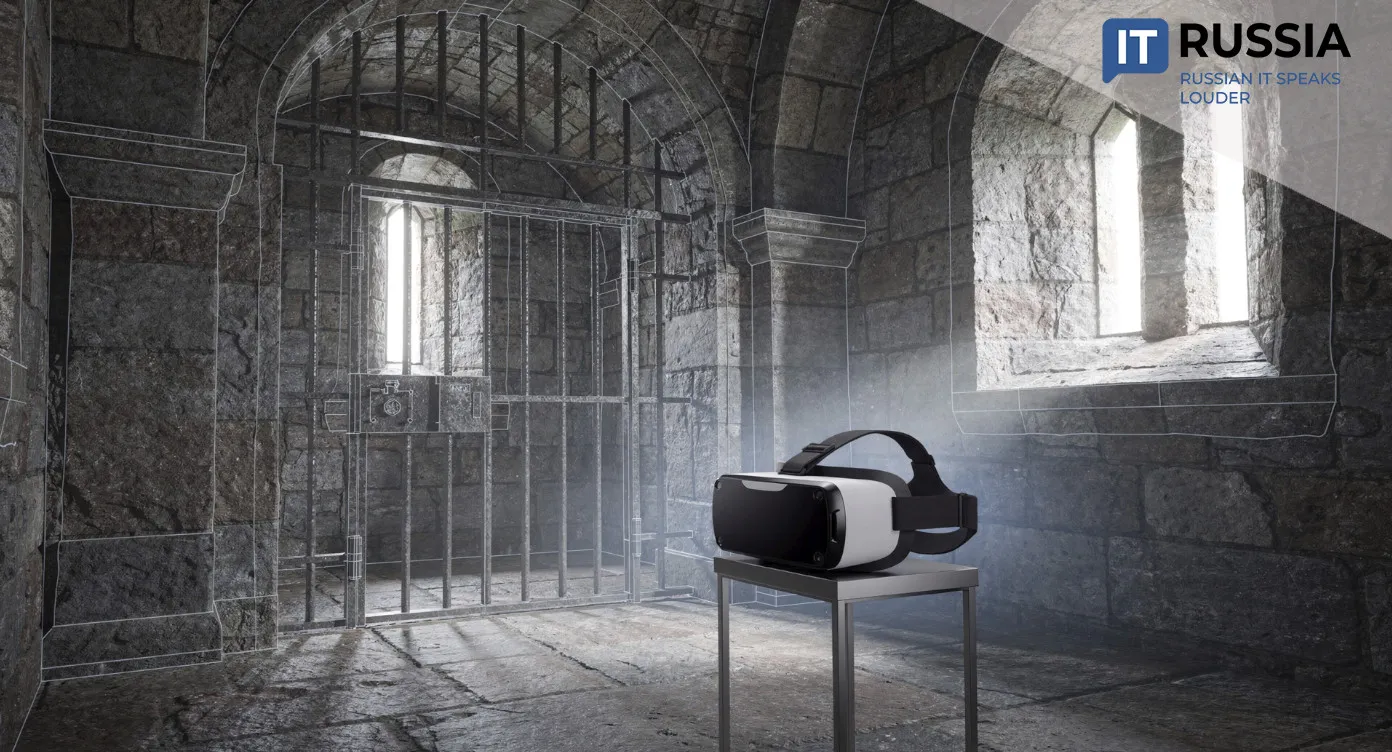
A new online tour will allow users to explore the prison inside the Solovetsky Monastery, a historic site where exiled prisoners were held between the 16th and 19th centuries.
The Monastery’s Longer History
The virtual tour is being developed by participants in the scientific and educational school “Okoem,” including student researchers, academic society leaders, and activists from Arkhangelsk, Moscow, and St. Petersburg. The project is organized by the Center for Young Researchers “Polyus” with the participation of the Northern Arctic Federal University.
Last summer, the project’s authors examined the interior spaces of the medieval Solovetsky prison, studied archival materials related to prisoners held there, and collected additional historical data needed to create a full-fledged digital tour.
The Solovetsky camp is most often discussed as a place of exile during the Soviet period. However, the prison existed long before that, dating back to the Middle Ages, and was framed less as a site of punishment than of repentance. According to 18th-century records, more than seven prisons operated on the territory of the Solovetsky Monastery. The harshest form of confinement involved imprisonment in a cell or an underground prison while chained. This method was used for political prisoners and for those considered at risk of escape.
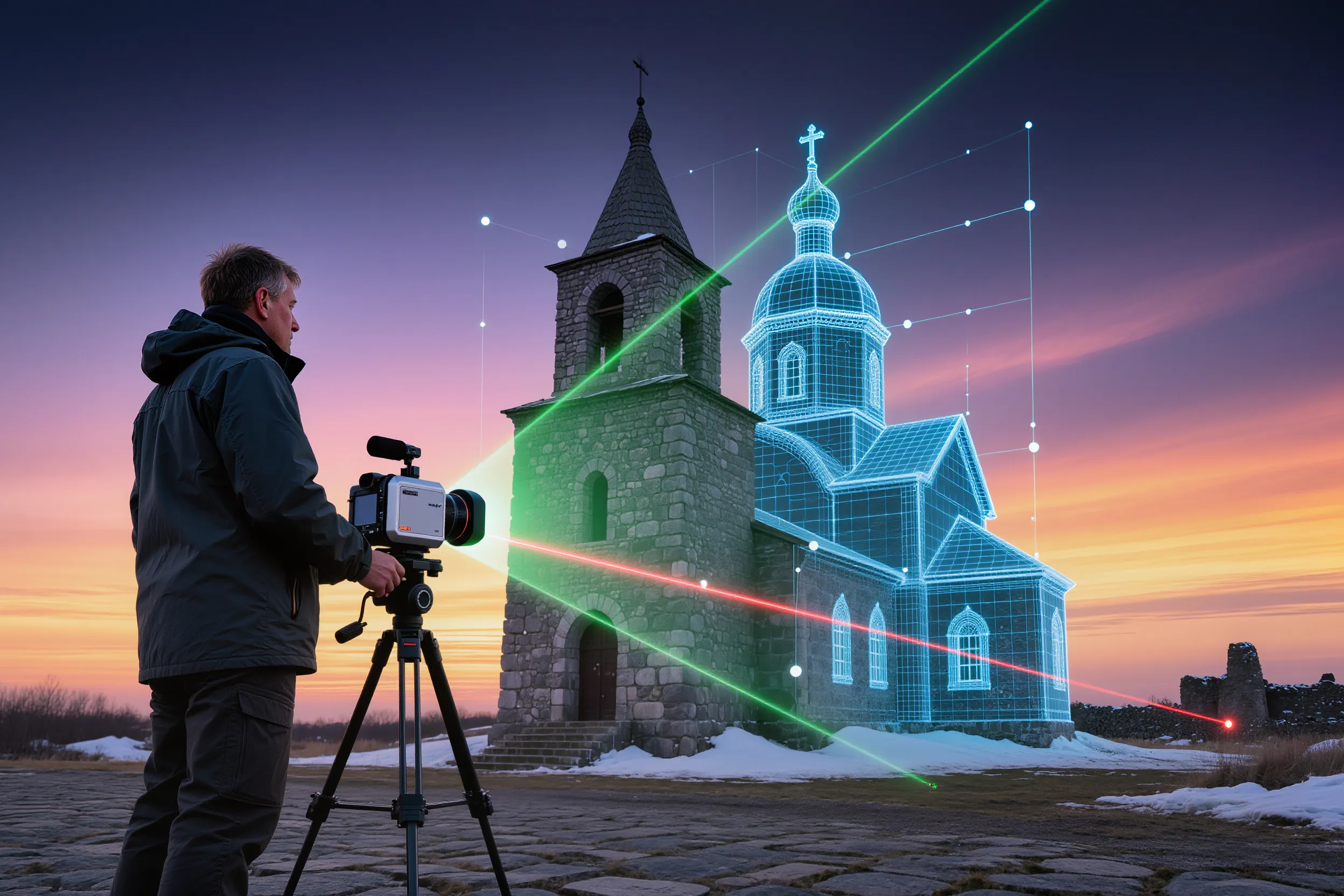
“We are trying to generalize some of the statistics on who was exiled here and for what reasons. Some were sent for violations of family or moral norms, some for monastic offenses, others for political reasons. We want to systematize this information so there is a clear understanding of who these people were, and so there is no sense that everyone there was either an innocent victim, as is often assumed, or, on the contrary, irredeemable sinners who deserved eternal punishment. That is not the case. Monastic exile was not primarily about punishment, but about repentance,” said Sergei Shalyapin, associate professor at the Department of State and International Law at the Northern Arctic Federal University, in comments to TASS.
Reaching an International Audience
Virtual tour technology makes historical spaces accessible to a broad audience regardless of geographic distance. For Russia, this is particularly important given the country’s scale and the difficulty of traveling between regions. Virtual tours have become a global trend and a key part of the broader digitization of cultural heritage. This specific project draws attention to historical landmarks of the Russian North and may appeal to international audiences, as the Solovetsky Monastery’s architectural ensemble is included on the UNESCO World Heritage list.
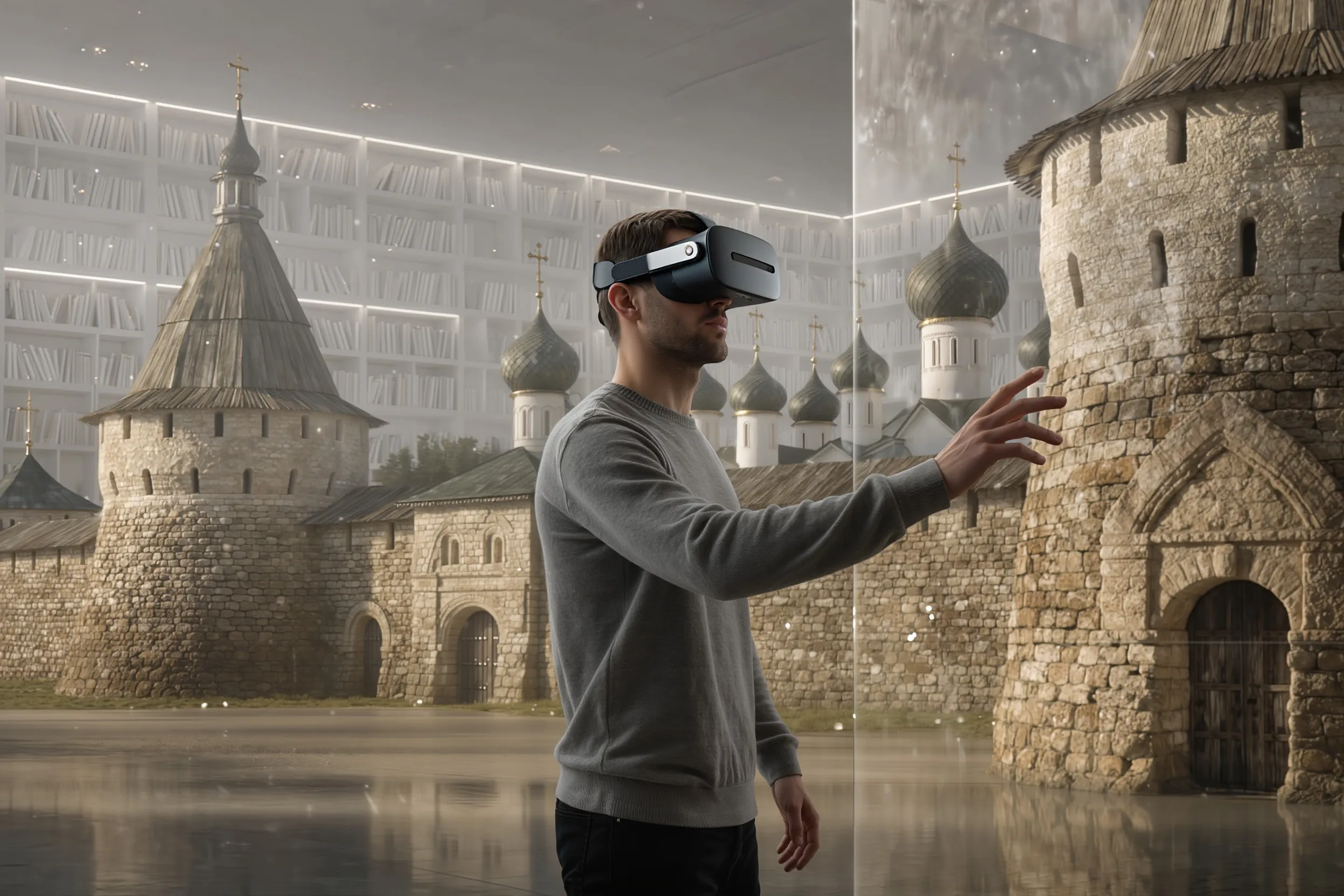
Online tours of the Solovetsky Islands have already been created, allowing virtual visits to museum exhibitions and selected historical areas. In recent years, extensive work has also been carried out to create digital passports for sites within the Solovetsky architectural complex. A virtual tour of the prison represents a logical continuation of these experiments with new technologies.


Virtual Tours as a Cultural Shift
The growth of virtual tours and digital museum exhibitions is being observed both in Russia and worldwide. The spread of this trend has been supported by the experience of major museums, including the Hermitage and the Russian Museum. What sets the Solovetsky project apart is that it is being created by students and young specialists. Their initiative helps draw attention to the history of the monastery and could also stimulate growth in physical tourism, generating economic benefits at the regional level. The project additionally encourages student engagement in research and educational programs.
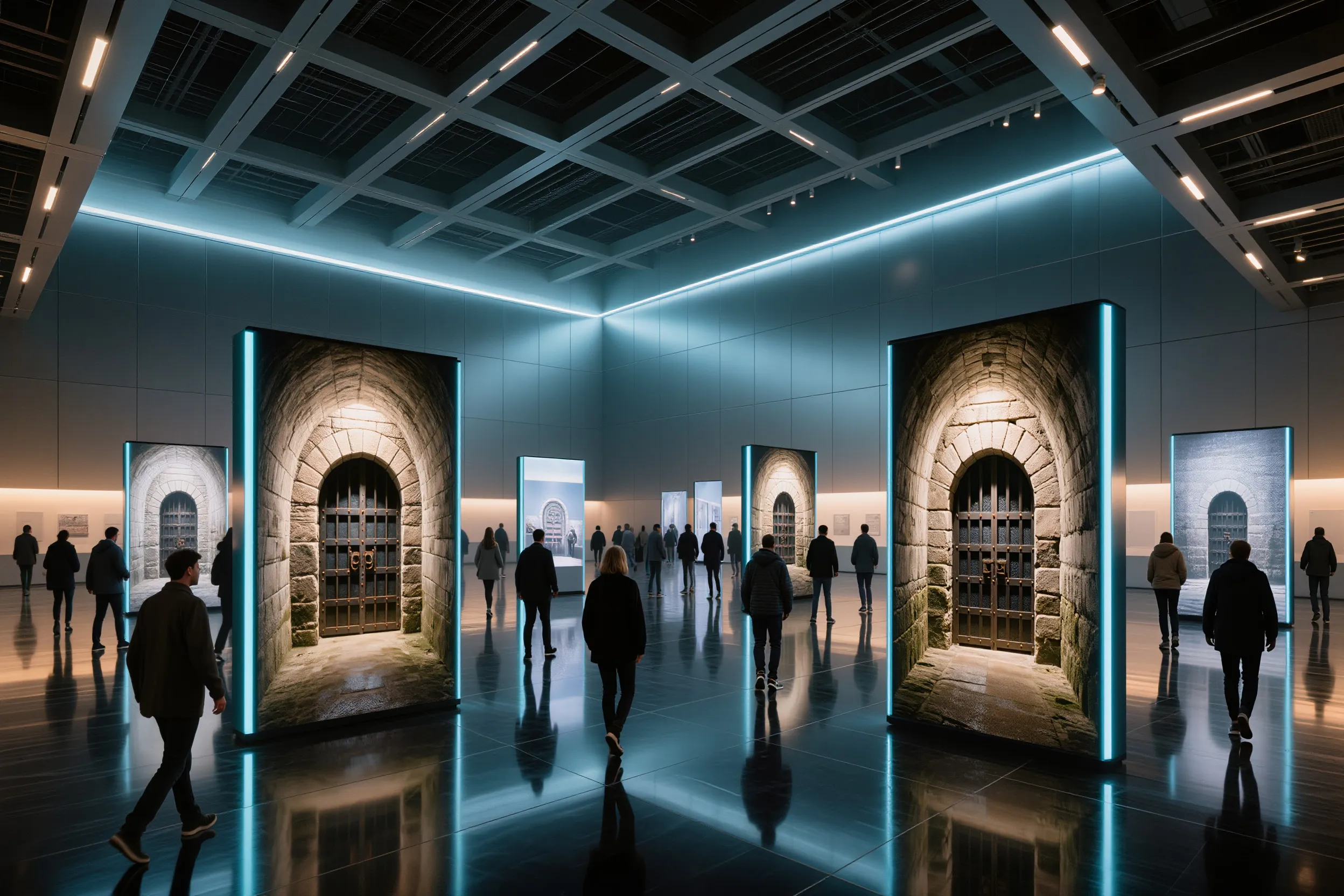
By 2030, similar digital products are expected to become standard for museums and cultural heritage sites across the country, with virtual tours forming an integral part of educational curricula. This project makes a unique cultural and historical site accessible to a wide audience, aligning with the global shift toward digitizing the museum experience.