IT Technologies Help Kamchatka Recover After the Earthquake
After the strongest earthquake in 70 years struck off the coast of Kamchatka on July 30, 2025, digital technologies are being deployed to assess damage, manage risk, and strengthen the long-term safety of residential infrastructure. The magnitude 8.8 quake required new approaches to long-term safety, prompting Sberbank, together with specialists from TechKon and the Research Center Construction of the Russian Federation, to launch a project aimed at creating a comprehensive digital model of the condition of damaged buildings.
From Inspection to a Digital Twin
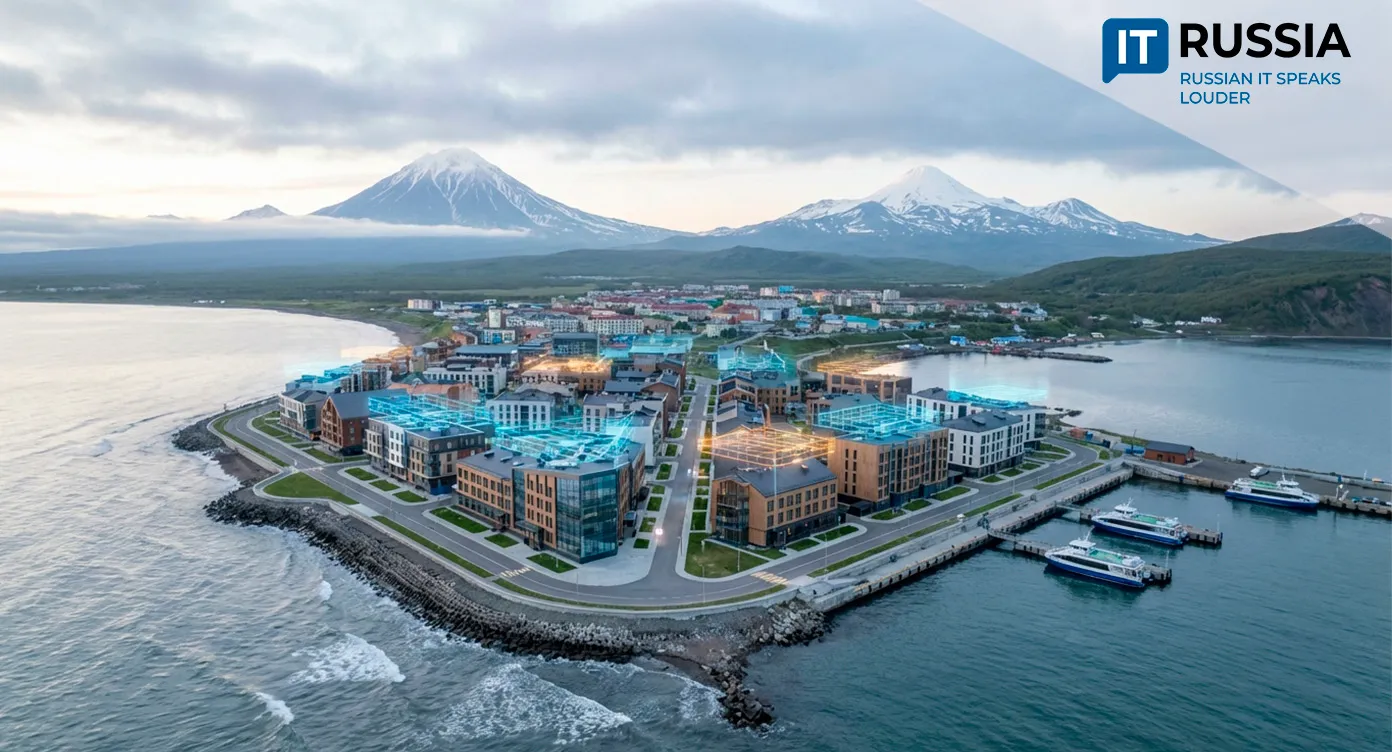
The initiative began with technical inspections of 366 residential buildings in Petropavlovsk-Kamchatsky, the Yelizovsky District, and Vilyuchinsk. Work is ongoing and will extend to an additional 78 buildings in the Avacha agglomeration. The main outcome, however, is not a set of static reports but the creation of a unified digital database. Each inspected building receives an electronic passport – a digital twin that records all data on its technical condition.
This database becomes a core forecasting tool. It makes it possible to track how structures respond to seismic stress, predict building resilience under future loads, and identify vulnerable elements in advance. Starting December 1, 2025, the Petropavlovsk-Kamchatsky city administration began publishing these digital passports, ensuring maximum transparency for residents. As noted by Kamchatka Krai Governor Vladimir Solodov, this approach allows faster monitoring of buildings during subsequent seismic events.
The project demonstrates the practical value of digital technologies in a critical area – ensuring infrastructure safety after emergencies. It is an example of deep integration of IT solutions into real-world regional governance processes. For society, open access to objective data about the condition of a residential building is a powerful factor in reducing public anxiety.

Scaling Across Russia and Beyond
The technology has broad prospects. Domestically, the practice of digital building passports can be replicated in other seismically active regions of Russia and integrated into national digital transformation programs.


The approach may also attract interest from countries facing similar risks, including Japan, Turkey, and the United States. The global trend toward automating disaster impact assessment is reflected in initiatives such as the AI Model Challenge for Earthquake Response, where teams from around the world develop AI models to analyze building damage using satellite imagery.

Key challenges ahead include developing unified standards for digital building passports and ensuring their interoperability with other government monitoring systems.
A Technology Proven in Practice
The Kamchatka experience is part of a broader digital transformation in Russia’s housing and utilities sector. TechKon, whose software underpins the project, has already implemented similar systems in other regions. In the Khanty-Mansi Autonomous Okrug, 1,111 buildings were surveyed in three months, while in the Tula region 2,693 apartment buildings were inspected over the same period to update major renovation programs. In the Nizhny Novgorod region, the deployment of an automated inspection system covering 3,024 buildings not only optimized repair planning but also saved more than 82 million rubles (about $980,000) in budget funds.

Digital Technologies to Ensure Safety
The Kamchatka project clearly shows how IT technologies are moving from experimental use to solving concrete, life-critical tasks. Digital building passports are becoming not just data archives but dynamic tools for forecasting, planning, and ensuring safety. The case confirms that digitalization of critical infrastructure is not an abstract goal but a practical step toward improving urban resilience and quality of life.