Plant Diseases to Be Prevented by a Tyumen Digital Agronomist
Researchers at Tyumen State University have developed an intelligent system designed to monitor plant health in greenhouse operations, bringing artificial intelligence into one of the most sensitive segments of modern agriculture.
Early Detection Makes the Difference
Today, one of the most critical challenges in greenhouse farming is preventing plant diseases or detecting them at an early stage, when intervention is still effective and relatively inexpensive. Automated AI-based systems, now being developed by scientists in Tyumen, are proving particularly effective at solving this problem.
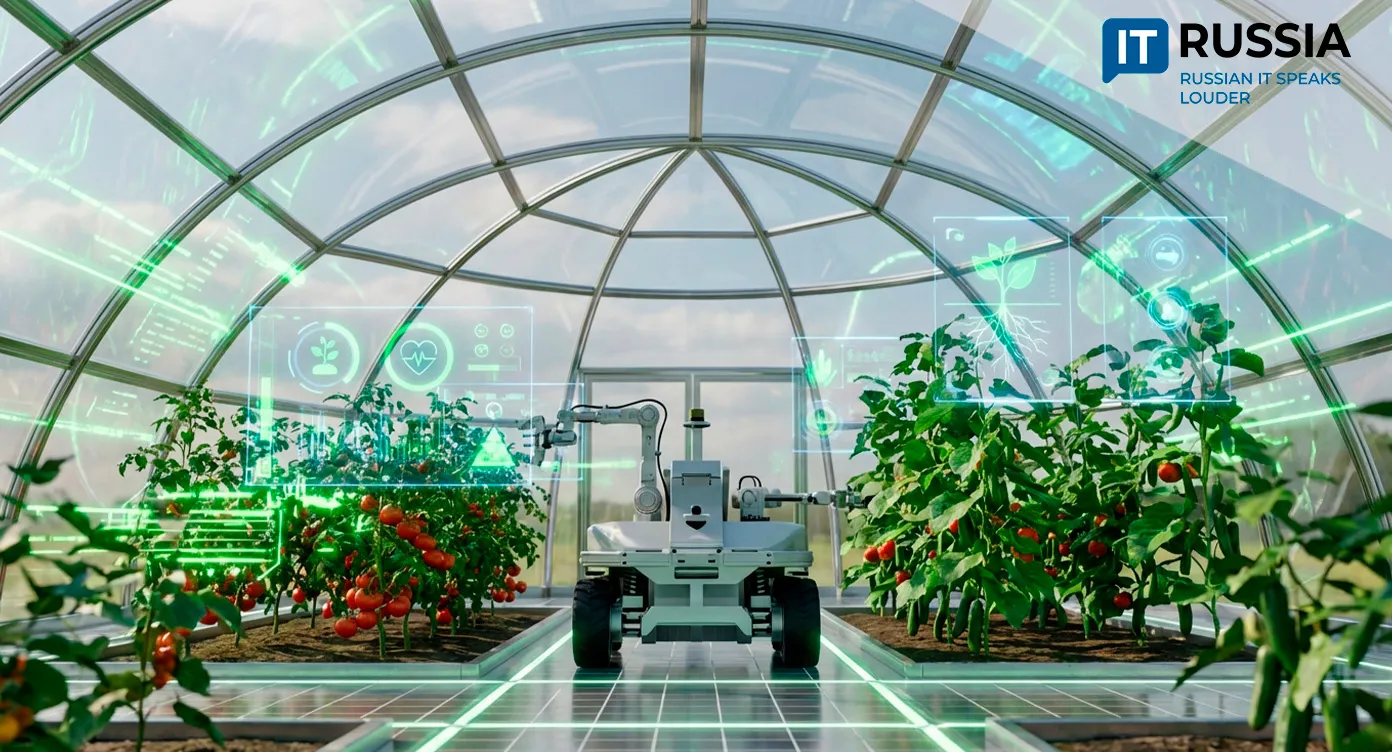
“The system does not just ‘look’ – it understands what it sees. Here is a healthy tomato plant, and here, on a cucumber leaf, are early signs of powdery mildew. When a human notices a disease, treatment is often already late or costly. A neural network can detect the problem much earlier, when treatment requires minimal resources,” says project leader Alexey Prokhoshin, deputy director of the X-BIO School at Tyumen State University.
The project aims to create an intelligent biological plant protection system and automate phytosanitary monitoring in large industrial greenhouses. In practical terms, the researchers are developing a robot capable of taking over the monotonous and physically demanding task of inspecting plants across vast greenhouse areas.
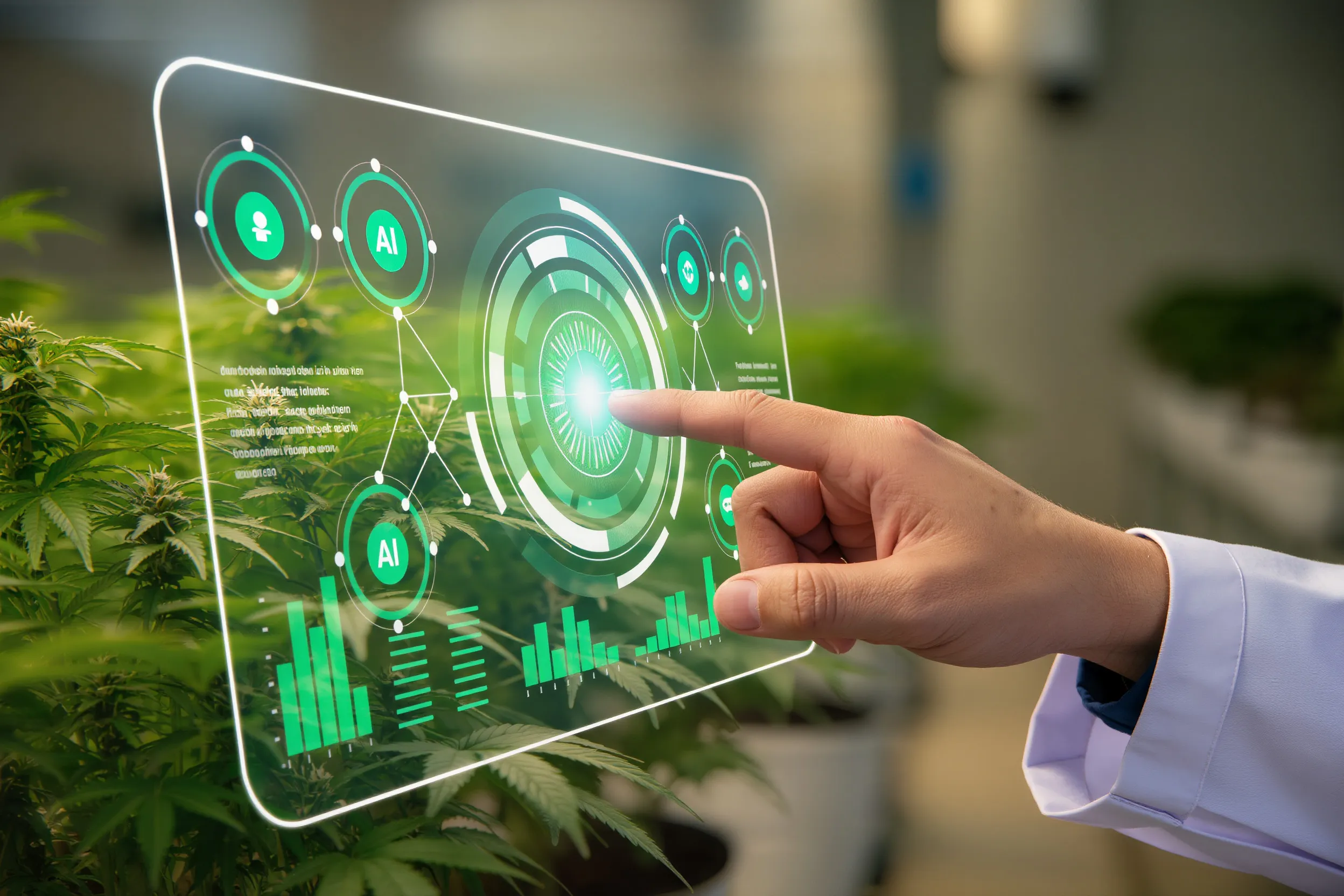
From a hardware perspective, the robot consists of two main components: an autonomous mobile platform and specialized equipment mounted on it. Tyumen State University researchers designed the 3D models of the components, handled their printing and assembly, and developed the software. This includes platform navigation, integration with mounted equipment, and control of workflows for detecting diseases and pests.


Cutting Costs by 20%
The data collected by the robot is used not only for targeted treatment of plants. It also forms the basis of a phytosanitary map of the greenhouse, highlighting areas where diseases or pests have been detected. This allows growers to apply protective treatments only to potentially dangerous zones rather than the entire crop. As a result, agronomic processes move to a qualitatively new level of precision.
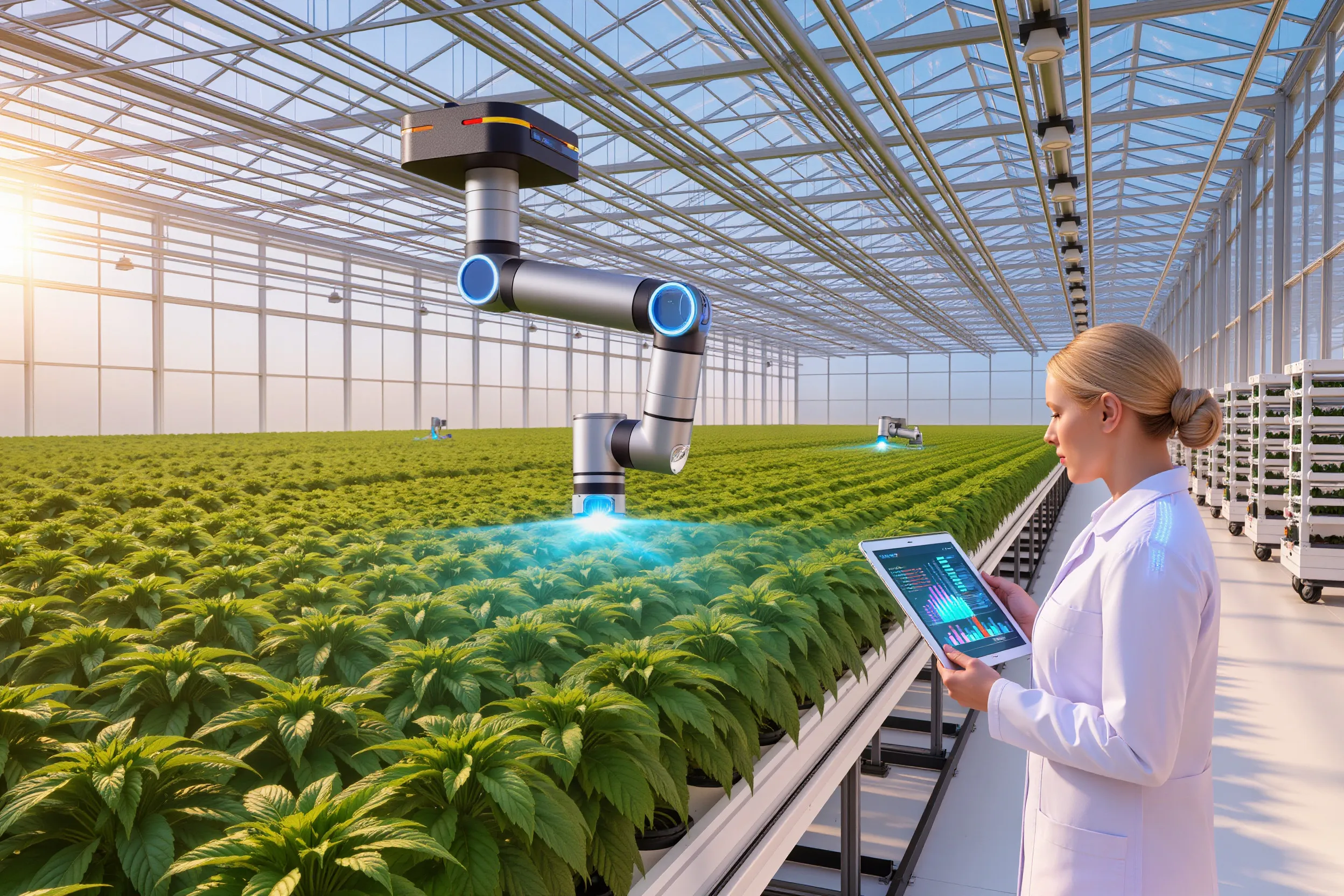
“According to preliminary estimates, implementing our technology can reduce plant monitoring and protection costs by 15–20 percent. Because the system is trained not on idealized images, as many analogues are, but on real-world greenhouse conditions, the accuracy of object and disease recognition reaches levels comparable to the best global standards,” notes Dmitry Glukhikh, senior lecturer at the Tyumen State University School of Computer Science.
Advancing Russian AI for Crop Protection
The project is progressing with support from the Russian Ministry of Science and Higher Education. Tyumen State University received a grant under the Priority 2030 strategic academic leadership program, enabling the team to cover labor costs and work with advanced equipment for prototyping and testing at the university’s agrobiotechnology complex.
Going forward, the researchers plan to refine the robot prototype based on data collected during trials. The intelligent system itself will also evolve as AI models are improved and retrained. A key objective is to expand the list of diseases and pests the system can recognize, making the solution even more effective.
The development is expected to strengthen the domestic market for smart greenhouse systems and compete for the attention of agricultural producers. As a result, the automation of greenhouse production in Russia is expected to accelerate. Robots like this can be integrated into precision farming systems and become a core component of data-driven agriculture. In the longer term, the robots may also be adapted for export to countries with rapidly growing protected agriculture markets, particularly in the Middle East and Northern Europe.