Roselektronika Develops and Produces High-Temperature Photomultiplier Tubes
Until recently, detectors for deep geological exploration were not produced in Russia due to extremely demanding technical requirements. The newly developed devices operate under extreme drilling conditions and make it possible to determine the composition and structure of subsurface formations in real time.
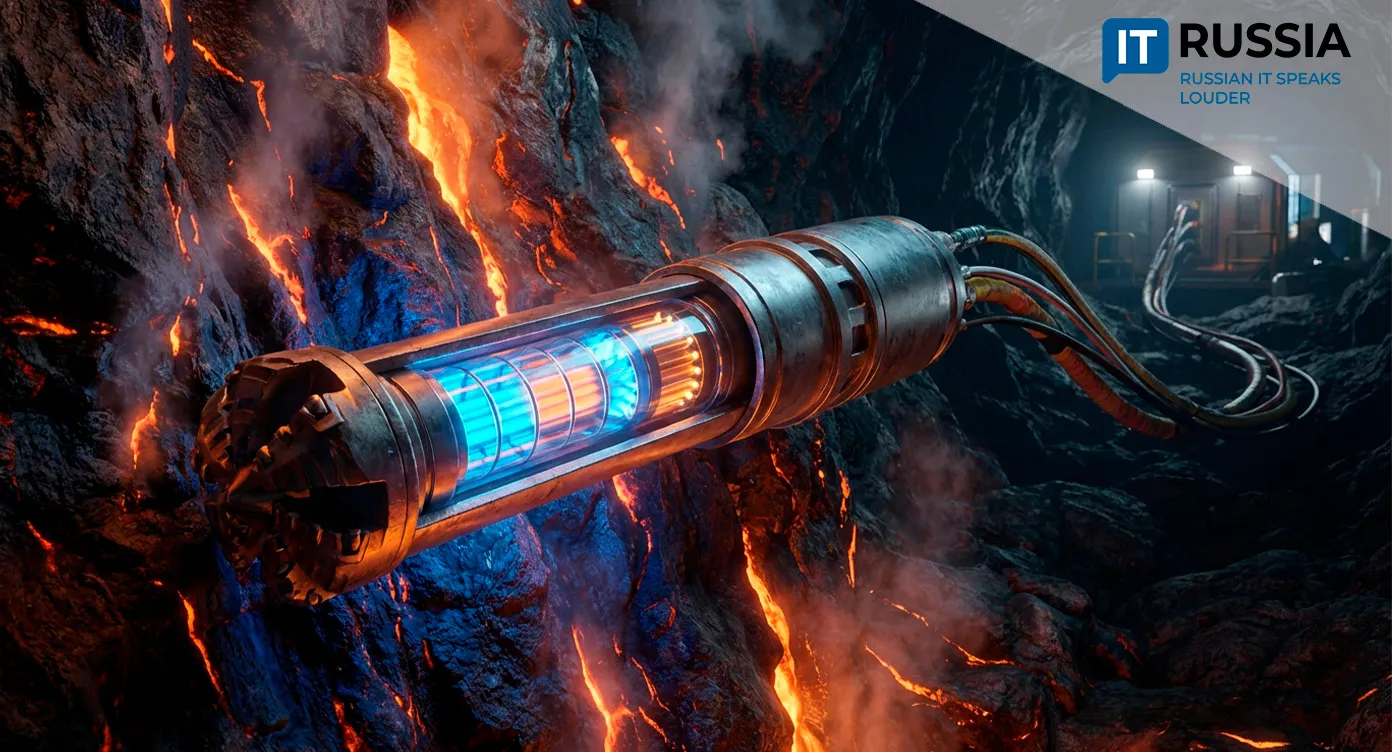
Deep Underground Vision
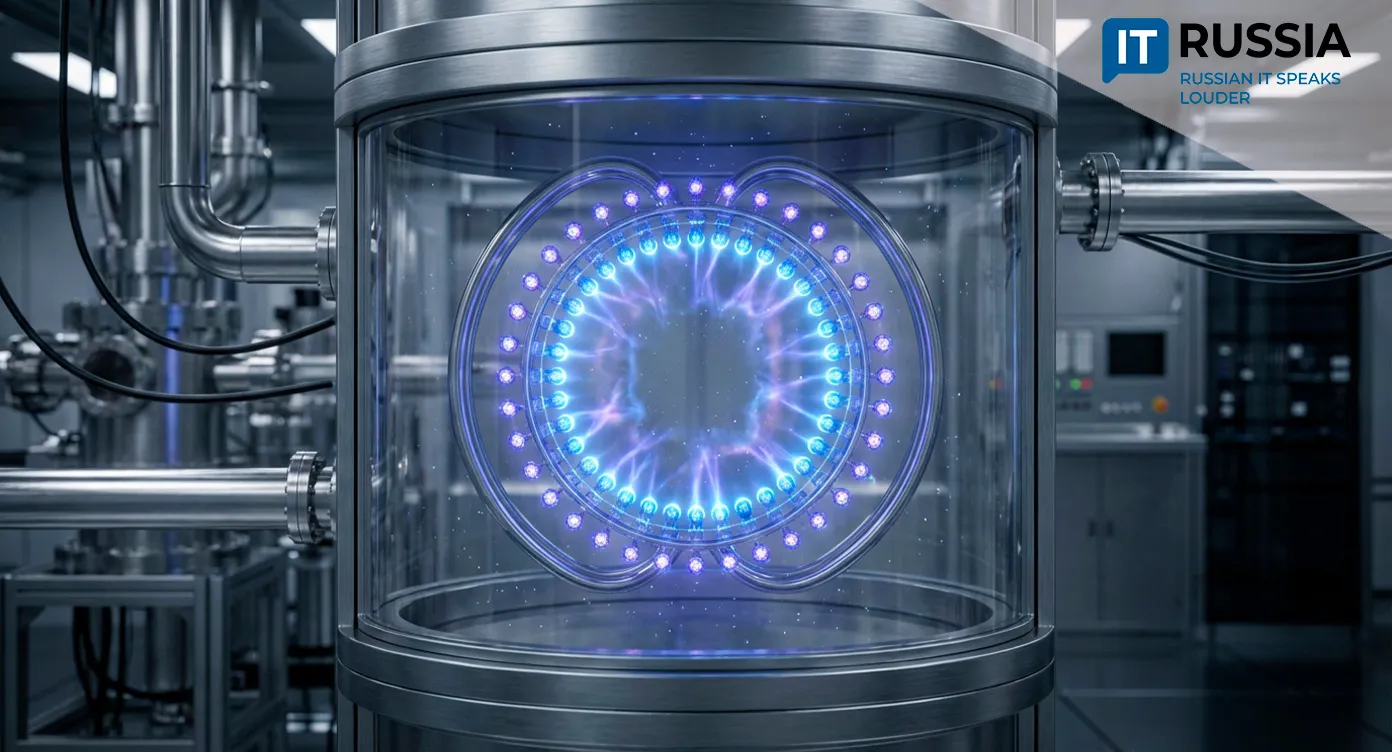
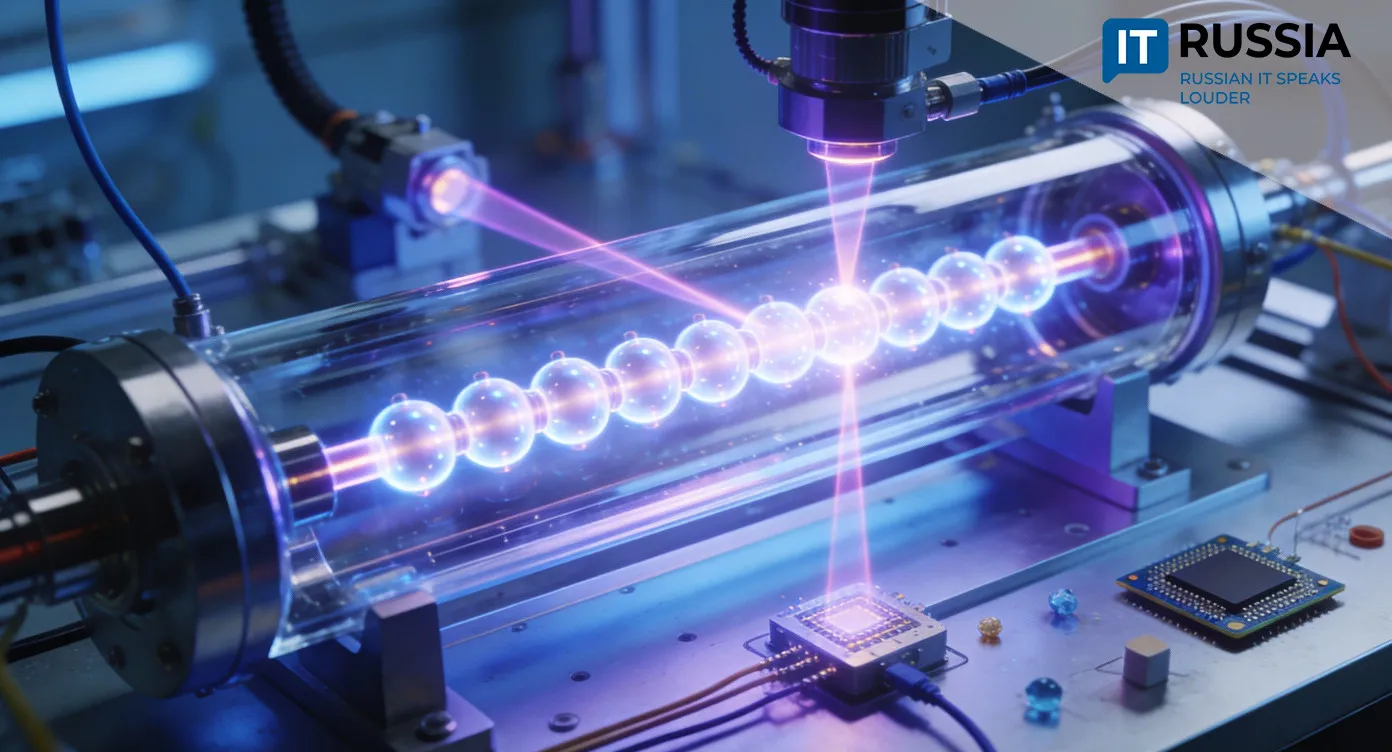
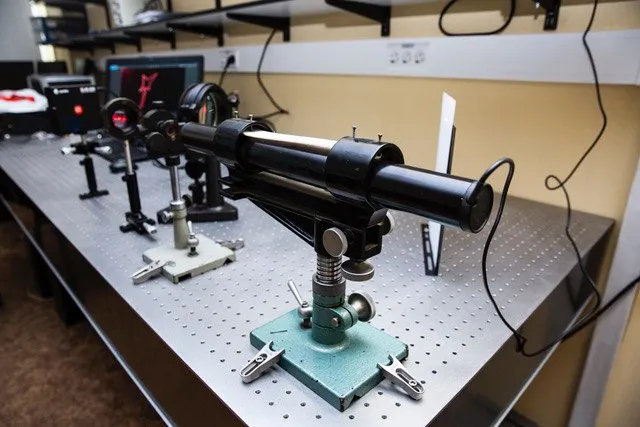
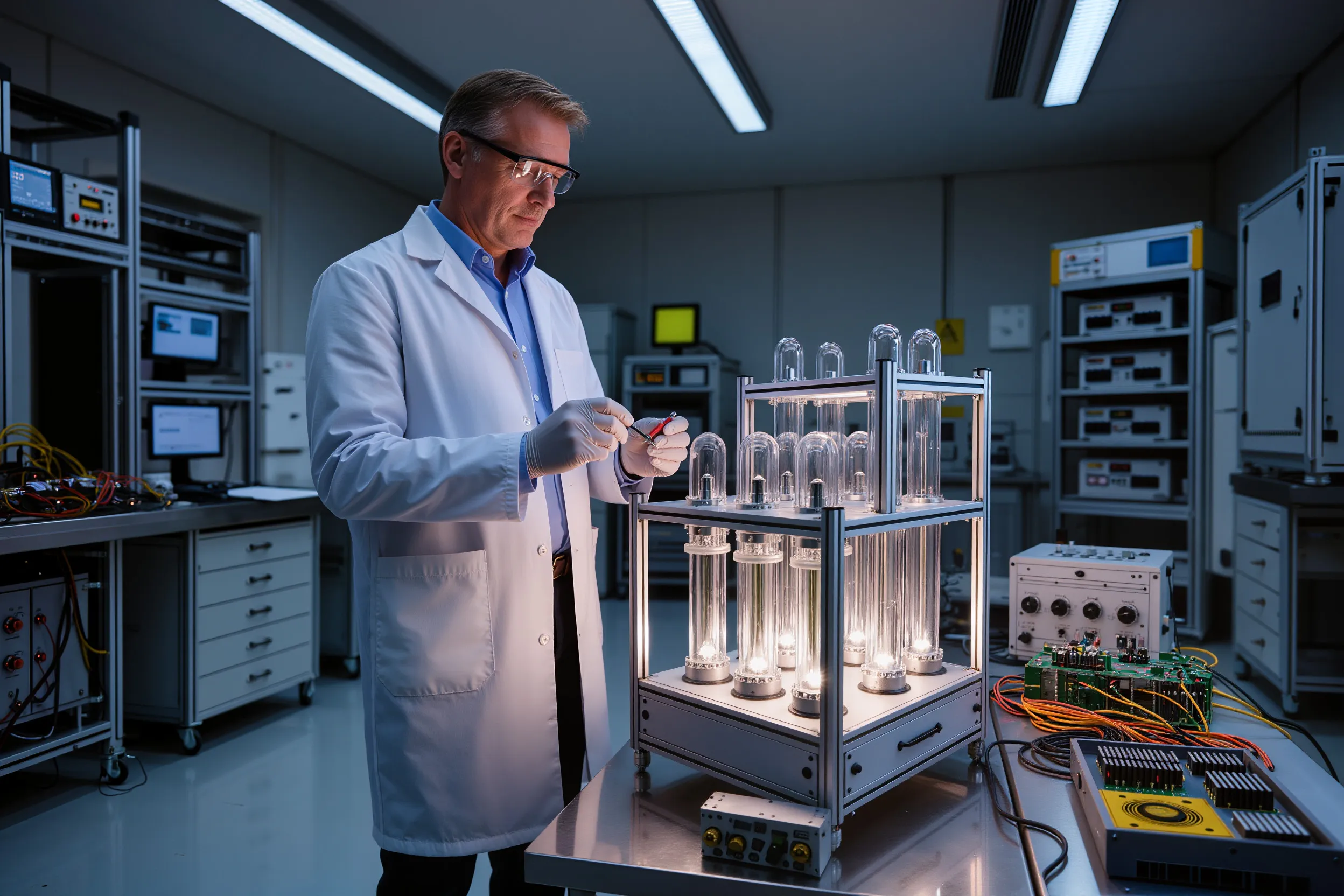
Roselektronika, a Russian electronics holding and national vendor in the electronics sector, has delivered a major technological breakthrough. Prototype samples of high-temperature photomultiplier tubes (PMTs) are now operating under extreme drilling conditions. Reservoir pressures reach thousands of atmospheres, while temperatures range from 130 to 160 degrees Celsius. The devices detect faint light flashes generated during neutron logging and convert them into electrical signals, enabling real-time determination of formation composition.
The development is applicable to Russian companies engaged in a wide range of geological exploration activities – from oil and gas to the extraction of strategic mineral resources. With this achievement, all high-sensitivity photomultiplier tubes used in deep exploration can now be replaced with domestic alternatives, strengthening Russia’s technological autonomy in equipment for natural resource exploration. At the same time, downhole geological detectors must be not only highly sensitive but also extremely compact. Under enormous pressure and high temperatures, the drilling string undergoes significant mechanical deformation. In such conditions, a large detector would likely be crushed quickly.
The device incorporates proprietary signal-processing algorithms and electronic components, expanding the portfolio of domestically produced microelectronic solutions. These deep-detection instruments significantly improve both the accuracy and speed of interpretation of geological exploration data.
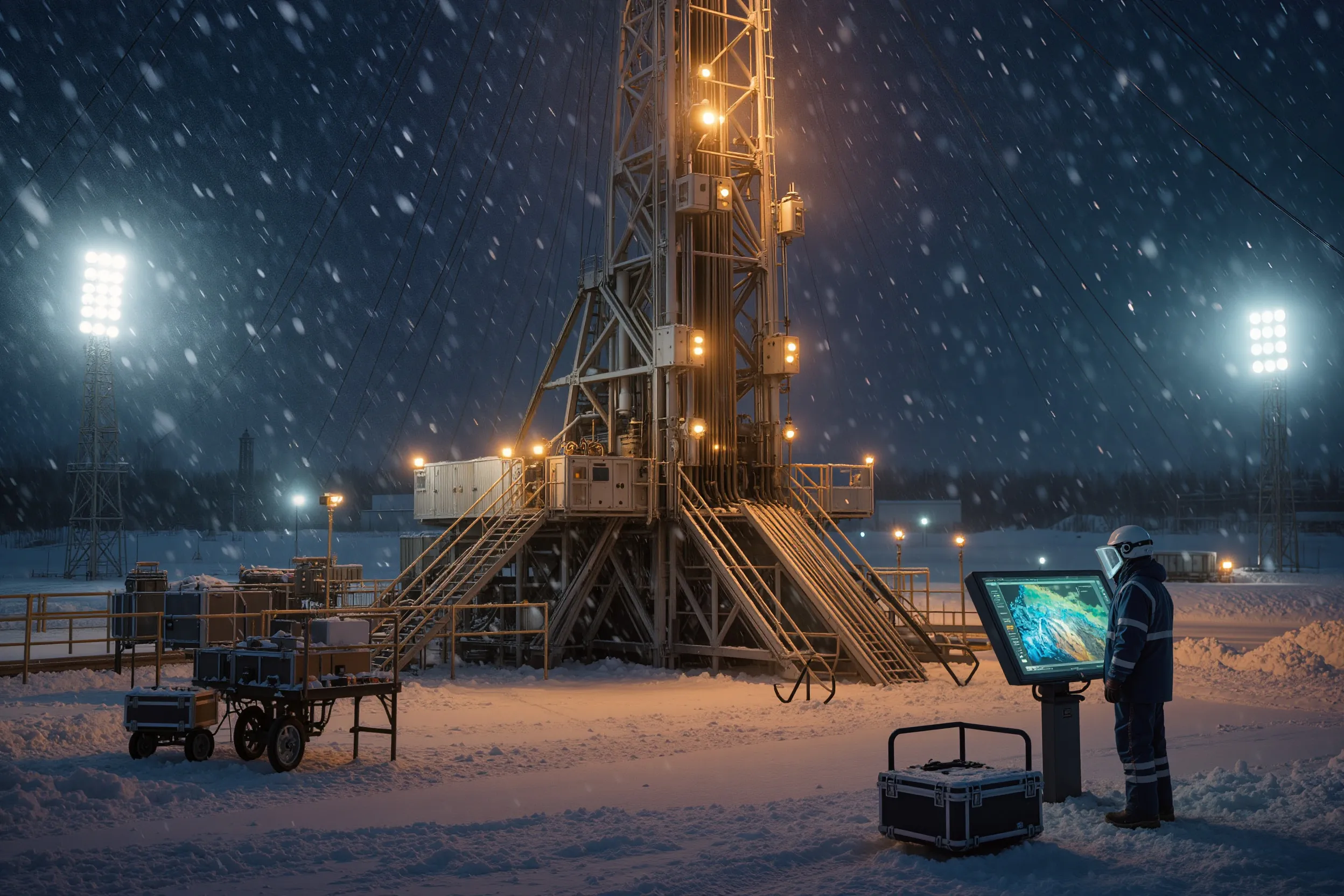
Growing Demand for Domestic Solutions
Demand for domestically developed software and hardware solutions in the Russian market continues to grow. Today, major industry players are responding to this challenge not only by relying on internal capabilities but also by forming alliances with experienced developers and attracting grant funding.

In 2024, Rosgeo and Geomix completed a joint project to enhance the GGIS GEOMIX-Geology 6.0 deposit design platform. The platform is designed for use at mining enterprises operating under continuous production conditions. The version developed for Rosgeo includes eight functional modules: Geology, Mine Surveying, Geostructure, Blasting Design, Fragmentation Modeling, Mining Planning, Mining Design, and Mining Optimization. As a result, the platform can be used both for expert-level data analysis in consulting and for solving routine production tasks.
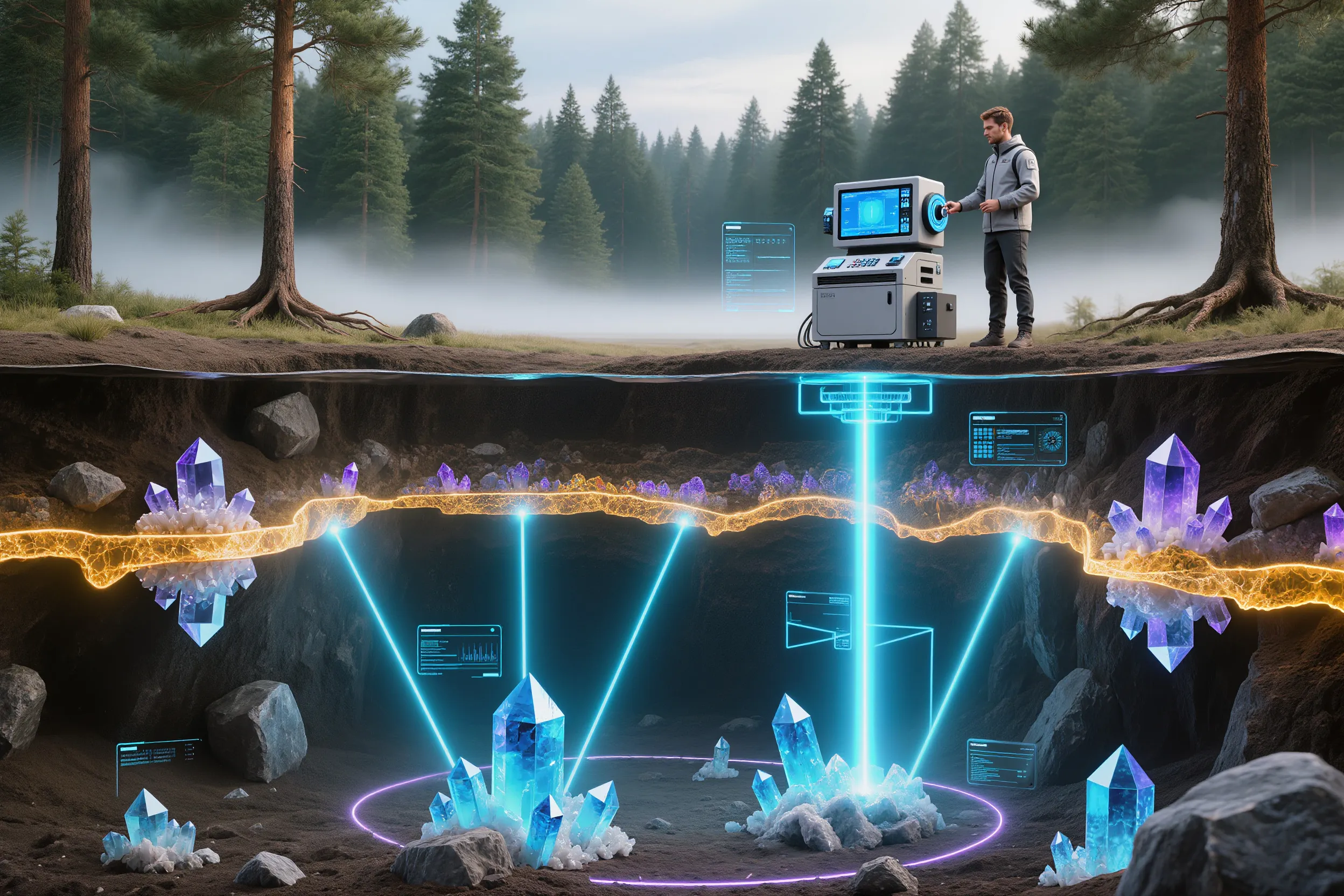
Responding to Industry Challenges
Russia’s largest geological holding, which possesses a unique volume of accumulated geological data, has obtained its own software product that enables the collection and processing of primary geological information, interpretation of results, creation of three-dimensional models of mineral deposits, analysis of spatial patterns in ore quality, and calculation of mineral reserves.
As a result, Russian software has fully replaced foreign analogues for a company that conducts all types of geological exploration – from regional surveys for all types of mineral resources to reserve estimation and commissioning of deposits. In addition, operational efficiency increased by more than 2.5 times, primarily due to a comprehensive approach to automating solid mineral exploration processes.
The project was implemented with grant support from the Russian Foundation for Information Technology Development. Representatives of the subsoil-use holding highlighted the effective performance of the Geomix team. Beyond the originally planned scope, numerous additional tasks were completed. As a result, the customer received a fully functional applied product that is not inferior to foreign counterparts and has strong potential for replication across the industry. Importantly, GGIS GEOMIX-Geology is a fully domestic product that replaced an Australian solution.
A positive example from the current year is also the collaboration between Rosgeologia and AGR Software. Their significant project to enhance a geological data collection and documentation platform is likewise expected to see broad market adoption. The IT solution maximizes efficiency in documenting all types of mine workings, management processes, and processing large volumes of accumulated geological data. It can be integrated into a unified digital model of mining enterprises to improve the quality of exploration and subsoil development projects.