Neural Network–Driven App Helps Bionic Prosthetics Adapt to Each Patient
A Russian prosthetics developer is building a mobile app that uses AI to tailor bionic limb performance to individual movement patterns, improving comfort, mobility, and long-term rehabilitation outcomes.
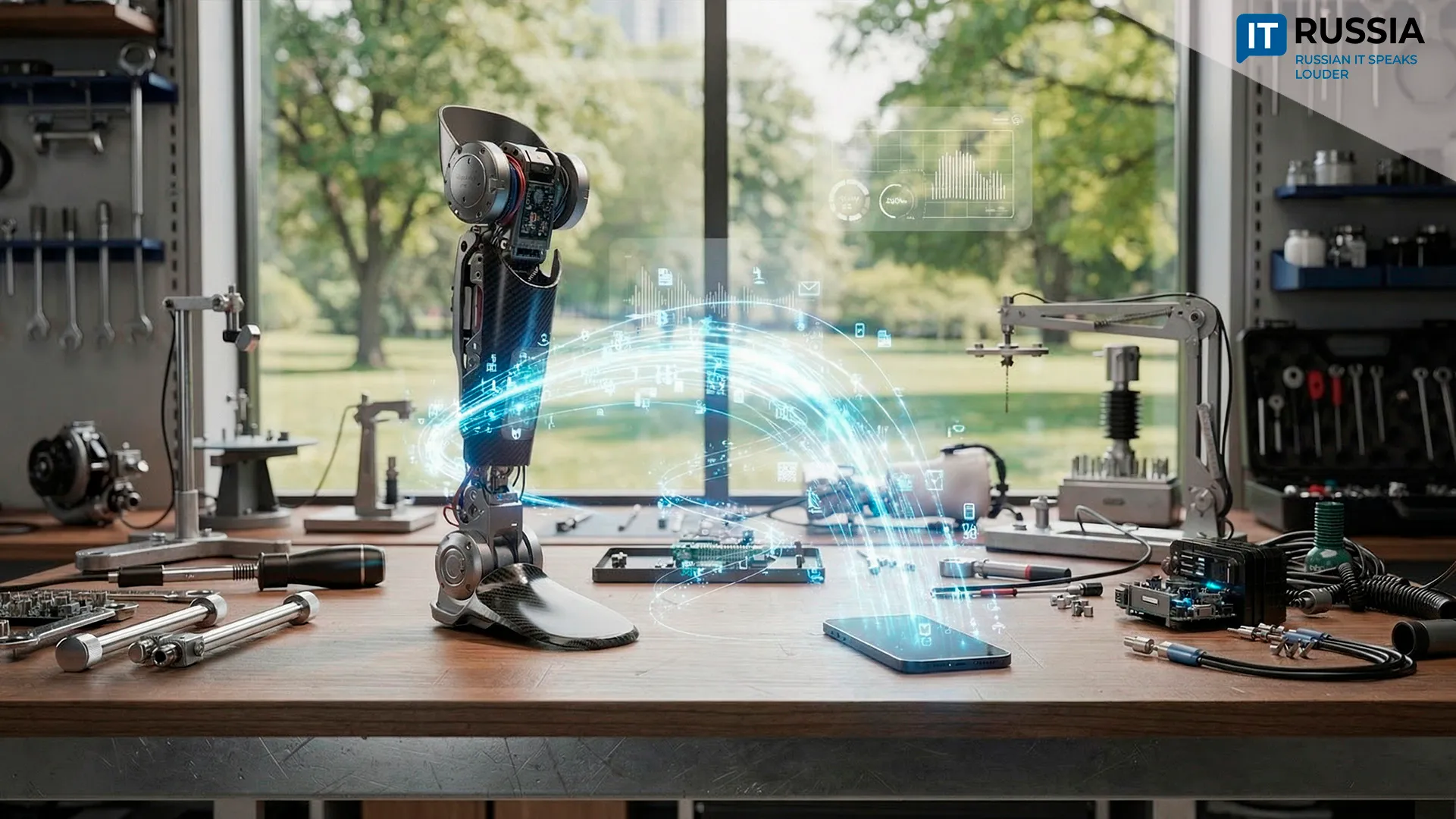
Russian prosthetics manufacturer Steplife is developing a mobile application to manage knee modules. The app will be available on Android and iOS, will recognize human movement, adapt the prosthesis to walking and different obstacles, and collect data to train a neural network. The first version is expected by the end of the second quarter of 2026.
Natural Movement, Digitally Assisted
Today, Steplife patients use different applications depending on the model of knee module. However, the company significantly expanded its product lineup in 2025, making it clear that a unified digital environment is needed. In practice, this means one app instead of several – and a single interface that patients do not have to relearn each time.
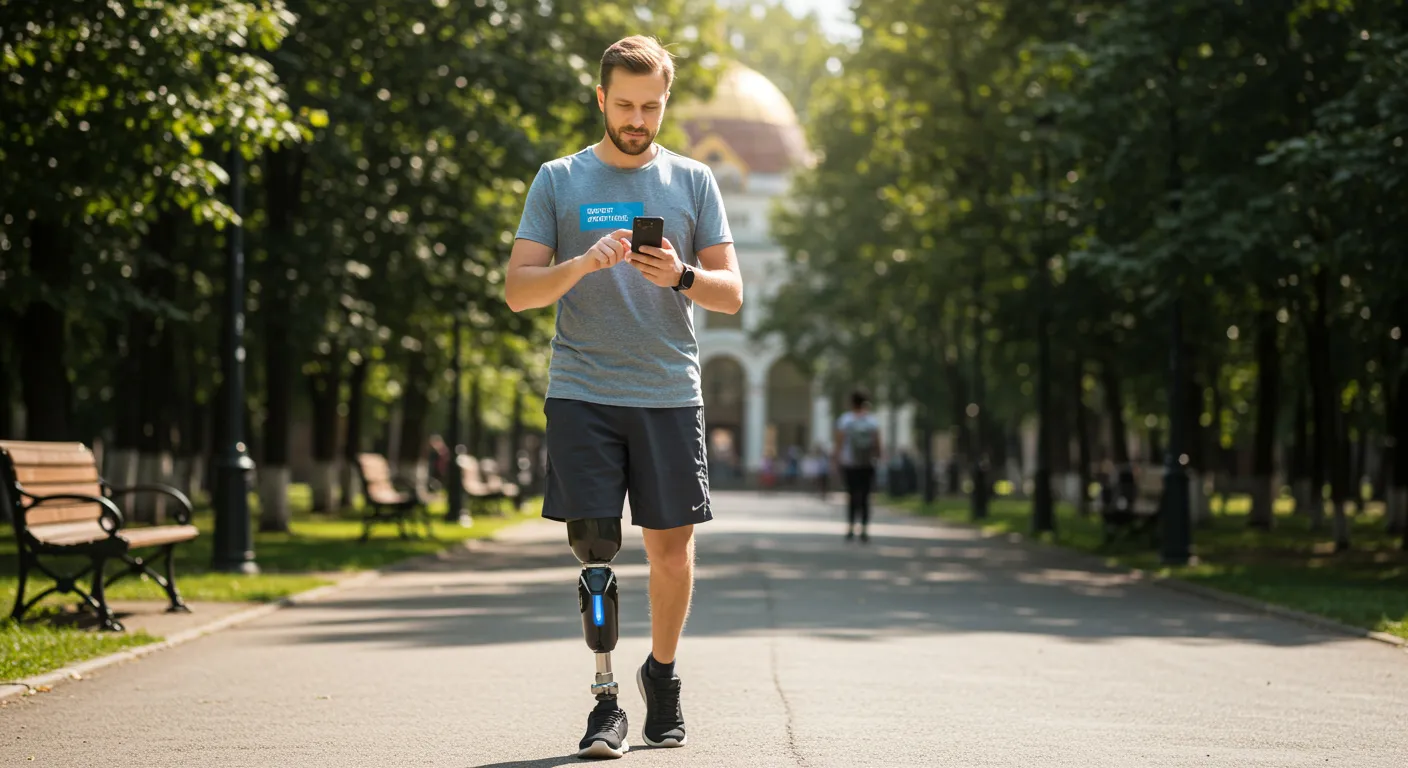
Development is proceeding in stages. The first version will include core features: the app will detect what the user is doing – walking on a flat surface, climbing stairs, descending, sitting down, or remaining at rest – and adjust the prosthesis accordingly to ensure maximum comfort.
Future updates will add a sports mode, features such as heating the hydraulic unit in cold weather, and, most importantly, continuous collection of movement data. These data will be used to train a neural network, enabling more precise and personalized prosthetic adjustments over time.
Why It Matters for Patients
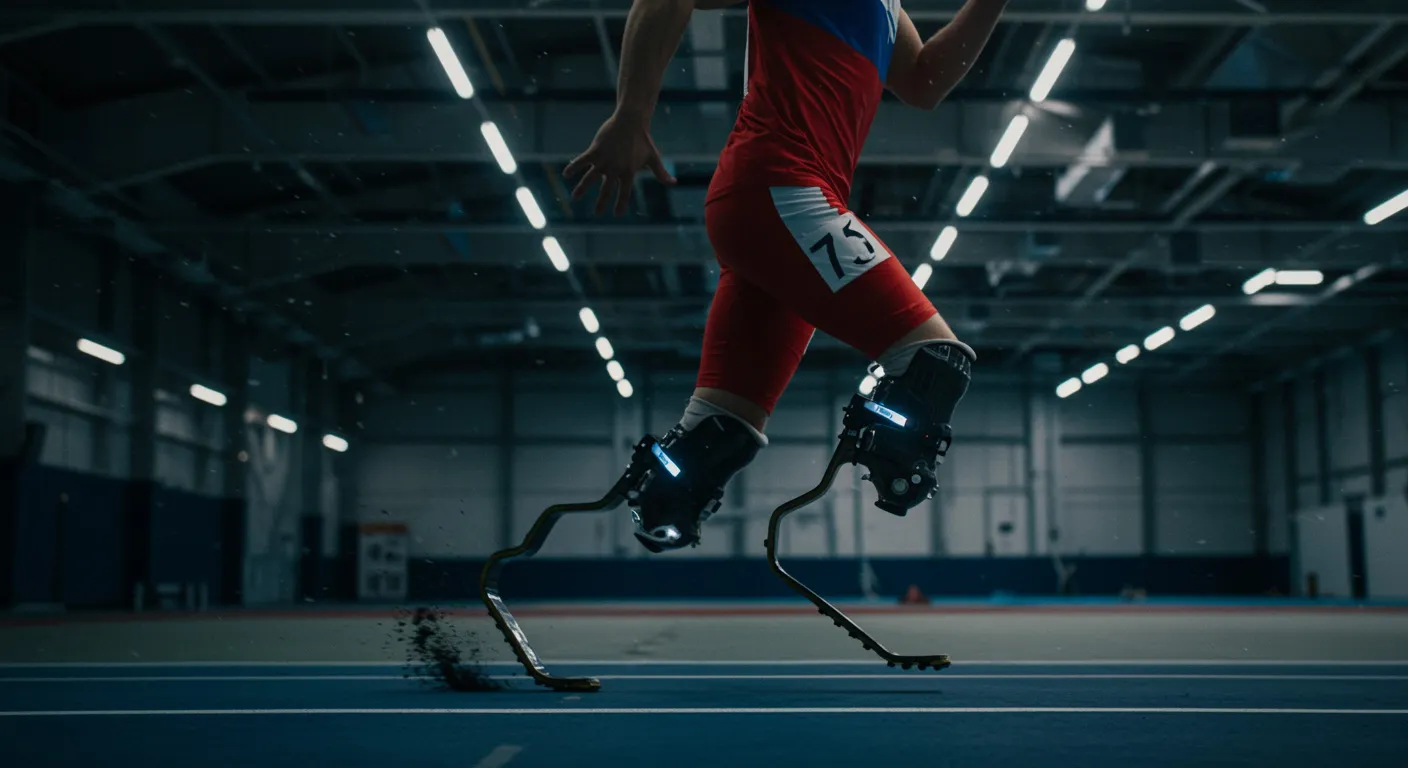
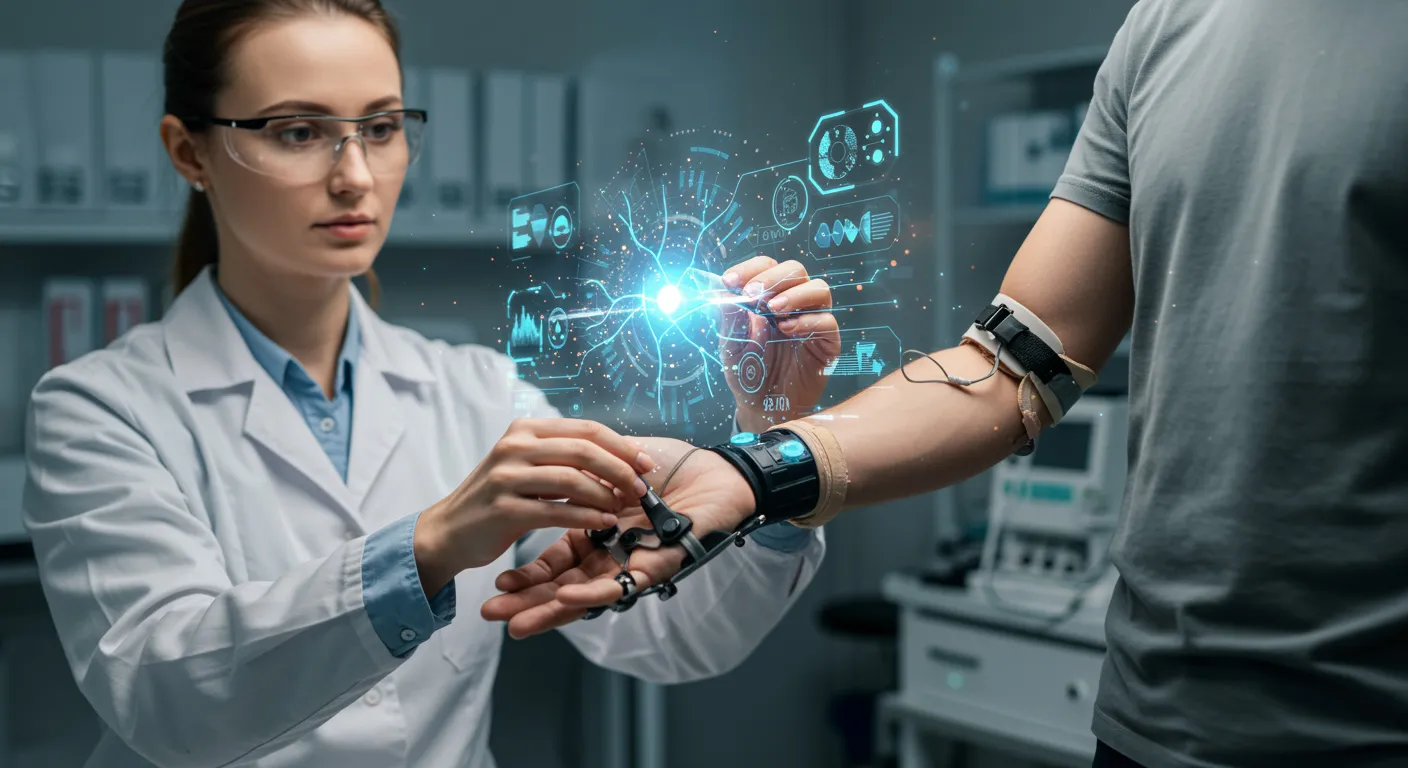
For people who have lost a limb but want to maintain an active lifestyle, this development represents a major step forward. Unlike traditional prosthetics, bionic devices do not simply replace a missing limb – they work in coordination with the user. They interpret muscle signals, adapt to movement patterns, and can learn how an individual walks or interacts with objects. The new application strengthens this connection, making it more responsive and easier to manage.
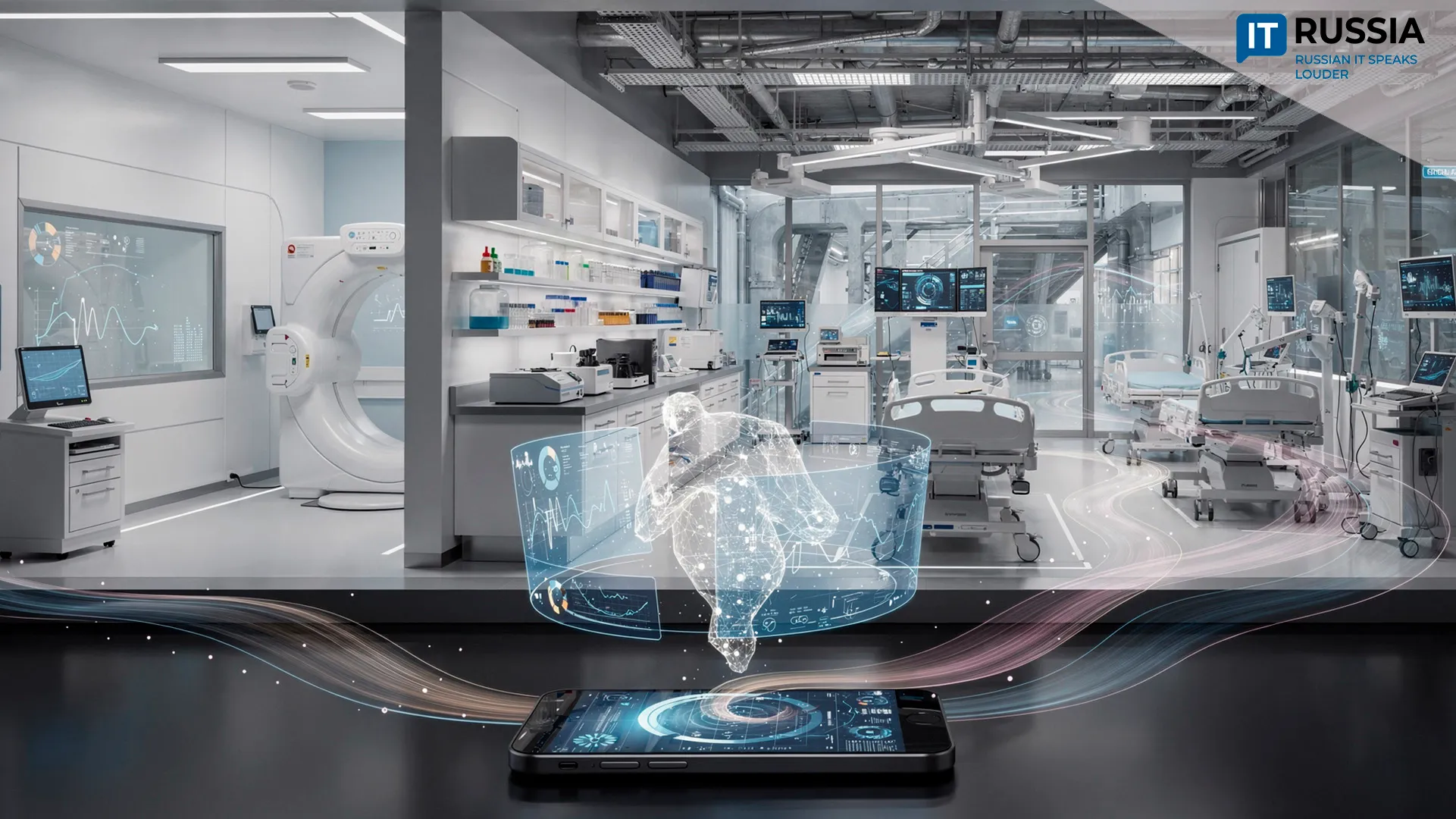
Instead of visiting a specialist for recalibration, users will be able to adjust their prosthesis via a smartphone. The app will learn their gait, track how often they climb stairs or sit down, and adapt the device to real-world usage scenarios.
For individuals with limb loss, the quality of prosthetic tuning directly affects mobility, fatigue levels, and confidence in daily life.
In addition, a unified user profile will preserve the history of settings, while software updates can be delivered remotely without requiring a visit to a prosthetics center.
What It Means for Russia’s HealthTech Sector
Thirty years ago, the primary challenge was simply making prosthetics functional. Today, IT developers and rehabilitation specialists are building a full digital ecosystem designed to make prosthetics feel like a natural extension of the body. The high-tech rehabilitation segment is clearly maturing. Beyond hardware and electronics, companies must now deliver ongoing service, data-driven personalization, and continuous updates.
For users, this means prosthetics are no longer static devices that remain unchanged after fitting. Instead, they become controllable, updatable, and adaptive systems – a meaningful advance in rehabilitation.
Global Outlook
A unified app for Android and iOS makes the product more accessible to international markets. For global users and distributors, a mobile interface is now a baseline expectation. Without it, a prosthetic device can appear outdated.
Steplife already operates an English-language website and reported shipments to Africa in 2025, along with cooperation with a Chinese partner. The company is planning expansion into India, Malaysia, Brazil, and CIS countries. This positions Russia not only as a manufacturer of high-quality prosthetics but also as a provider of a full digital platform for managing them.
Where the Market Is Headed
Over the next few years, Russia’s rehabilitation industry is expected to move from isolated engineering solutions to integrated digital products.
The competitiveness of prosthetic devices will increasingly depend not only on mechanical design but also on usability, frequency of updates, and the level of personalization for each user.
Most importantly, Russian rehabilitation technologies are becoming truly human-centered. Prosthetics are evolving from complex, intimidating devices into functional, user-friendly tools that integrate seamlessly into everyday life.