Russian Robotics Moves Into Serial Production
The final of the GreenTech Ustoychivoe razvitie 2025-2026 (GreenTech Sustainable Development 2025-2026) program took place on March 25-26 at the Skolkovo Innovation Center, Russia’s largest platform for внедрение high-tech solutions into industry. Partners included Tatneft, Severstal, EuroChem, as well as specialized players such as Helyx Group, FINGO Group, and INTELKA Group.
More than 800 applications were submitted for the program’s sixth season, covering technologies aimed at challenges identified by Skolkovo’s industrial partners, including environmental protection, industrial safety, resource efficiency, production infrastructure management, and biotechnology. Seventy projects advanced to the final and will be eligible for Skolkovo Foundation grants and access to deployment pathways, including pilot testing and potential large-scale rollout. Since last year, the program has also expanded to include collaboration with customers from BRICS countries.
Smart Hands for the Factory Floor
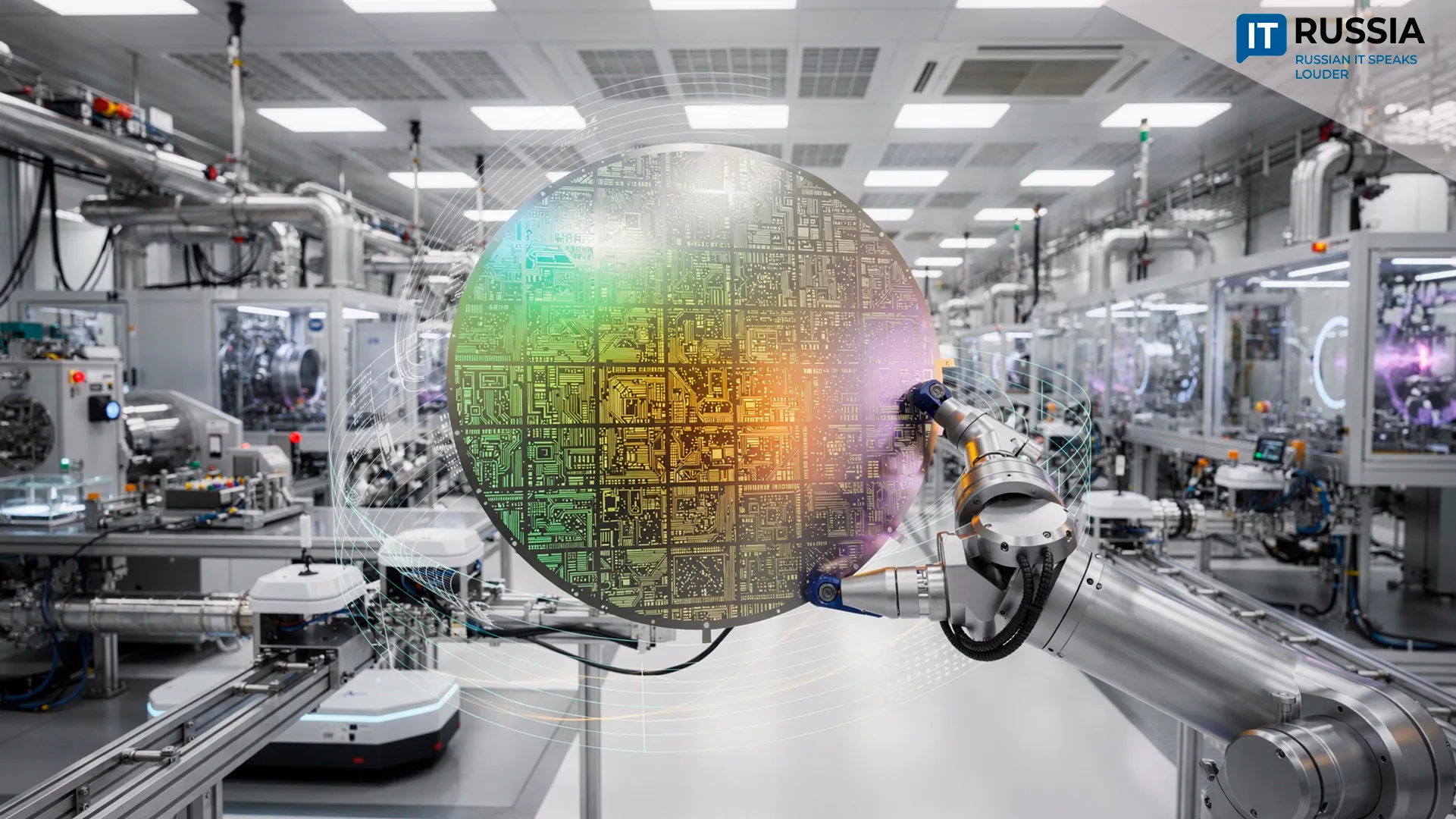
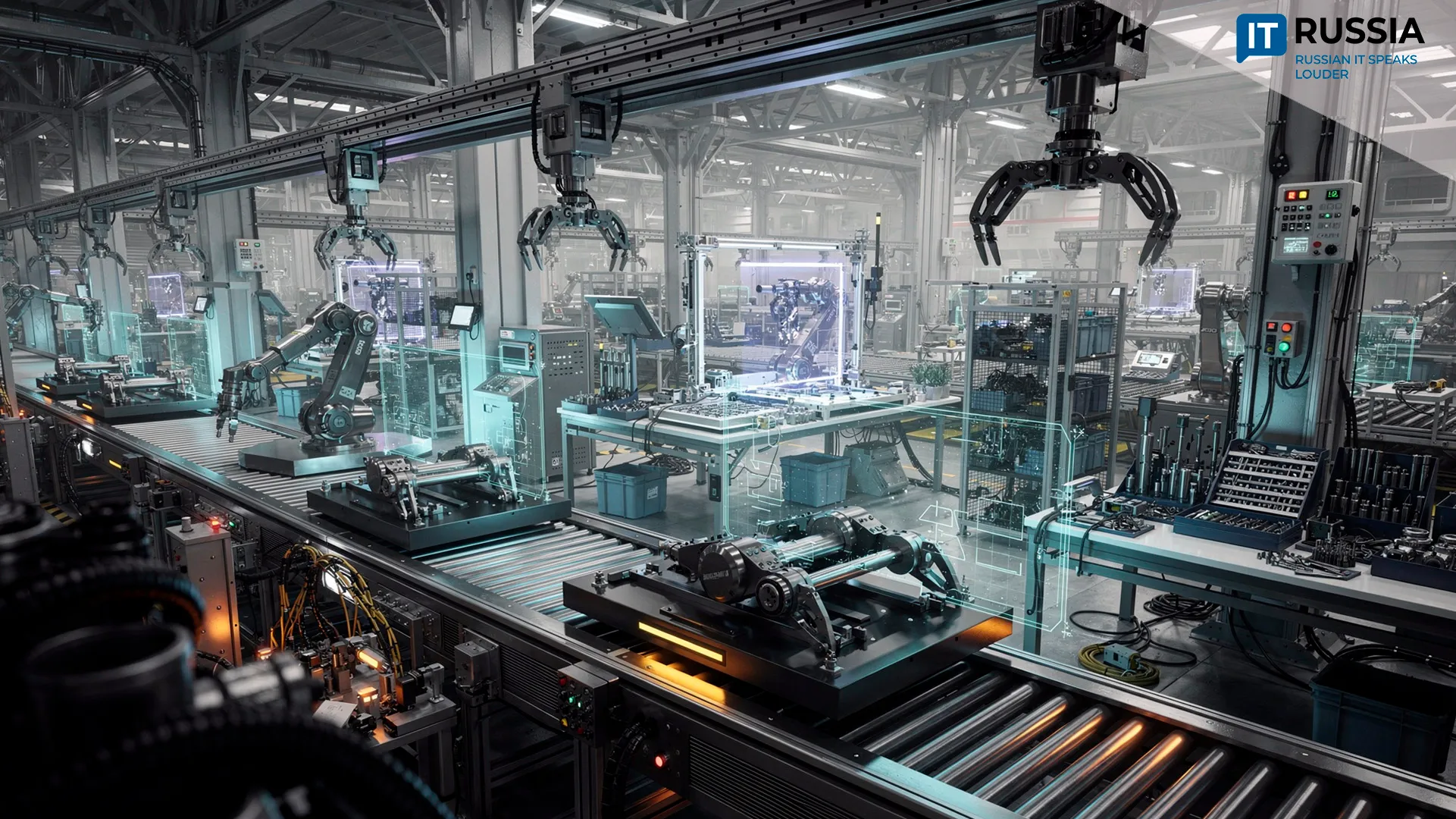
A key highlight this year was the presentation of results from the industrial robotics incubator. The company ROBOPRO, a Skolkovo participant (VEB.RF Group), demonstrated a prototype robotic line for product labeling and palletizing, developed through integration with a production line operated by INTELKA Group.
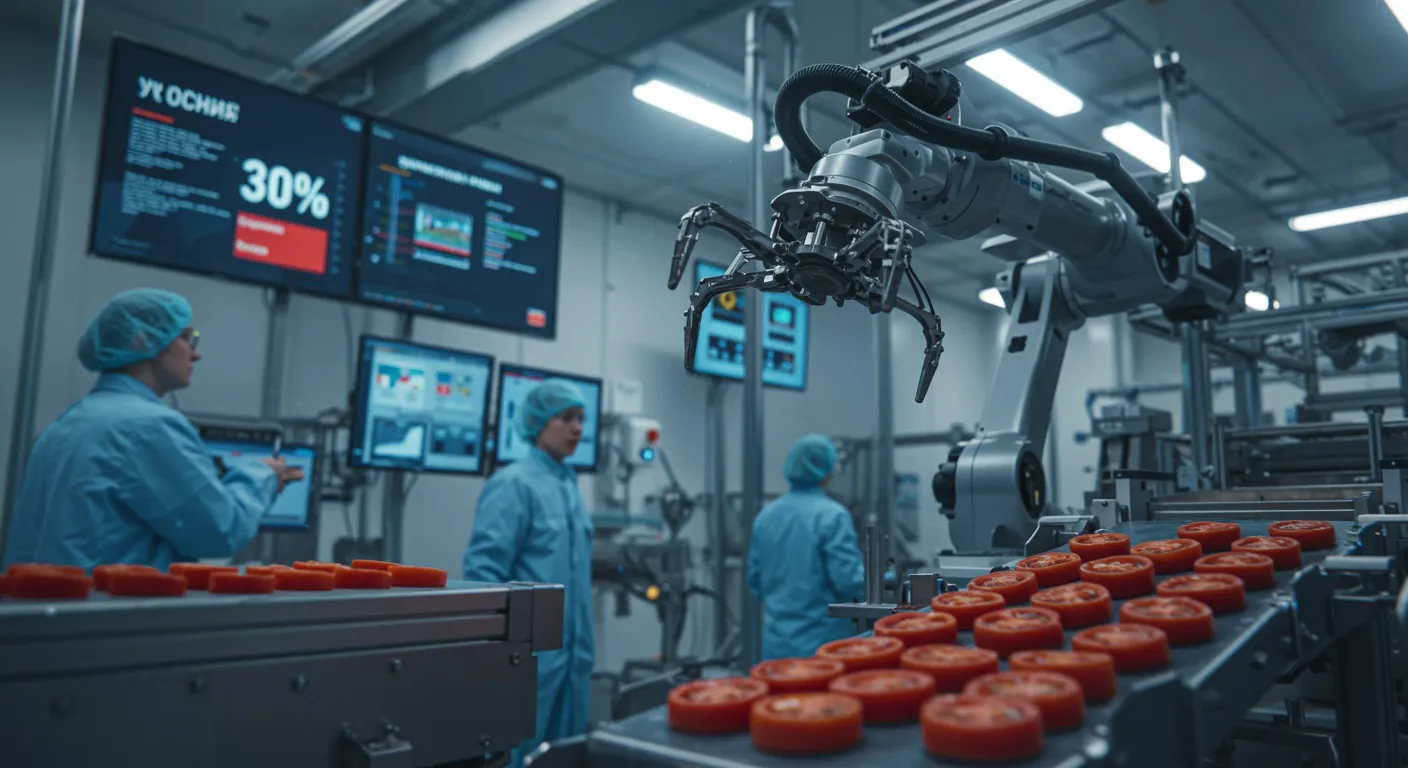
The solution combines a collaborative robot designed for safe interaction with human operators on the factory floor. The conveyor system includes additional components such as an operator panel, a machine vision camera, and a robotic module for product handling. The system delivers a 30% increase in production efficiency and meets localization requirements. The next phase involves refining the prototype into an industrial-grade product and launching it for use in the food industry.
Global Trend, Local Solutions
The INTELKA Group solution aligns with global trends in industrial automation. The market for collaborative robots has seen rapid growth in recent years. Modern cobots are equipped with machine vision systems and can integrate with external equipment such as conveyors, CNC machines, and 3D printers. Their applications span industries, performing repetitive tasks including assembly, packaging, quality control, and palletizing. Their flexibility allows manufacturers to quickly adapt production lines to new products, which is critical in an era of demand customization. Cobots handle routine tasks while human operators focus on higher-value work, increasing productivity by 30-50%.
From Lab to Production Scale
The INTELKA Group project reflects a broader structural shift. Industrial robotics is becoming a key driver of production modernization and economic competitiveness. Russia’s industrial robotics market is entering a phase of accelerated growth, supported by government initiatives. Under the national project Sredstva proizvodstva (Means of Production), the initiative Razvitie promyshlennoy robototekhniki i avtomatizatsii proizvodstva (Development of Industrial Robotics and Production Automation) provides a range of support measures for both manufacturers and adopters.
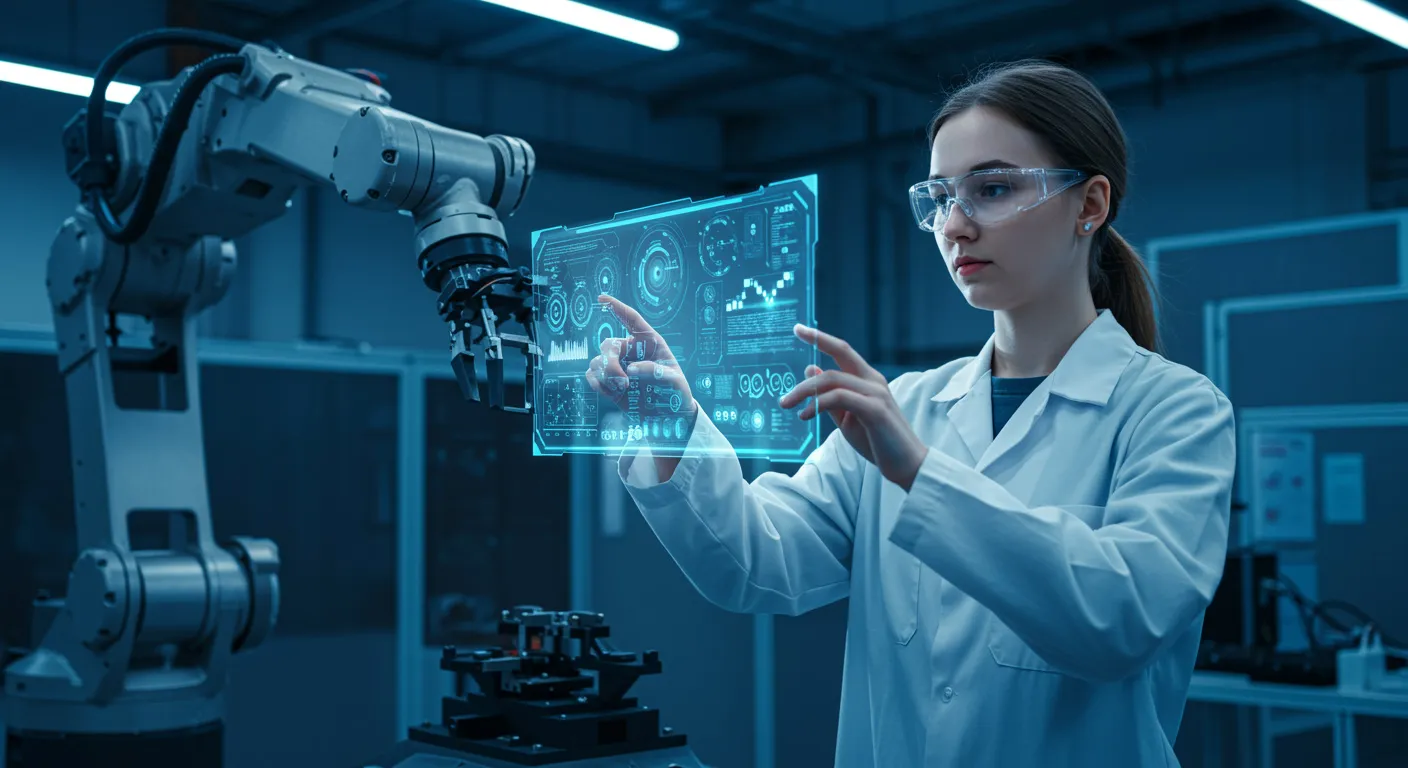
A clear signal of this shift was the launch in 2024 of the Zavod robotov (Robot Factory) at the Chelyabinsk Forge-and-Press Plant. The facility plans to produce up to 600 robots annually, marking a transition from laboratory development to serial manufacturing.
At the same time, the first national standards are being introduced, simplifying the development of interoperable solutions for manufacturers and system integrators and reducing the time required to adapt technologies to specific industrial environments. This is enabling the emergence of mixed robot fleets combining technologies from different vendors. As a result, companies can deploy new robots more quickly while lowering automation costs.
A System-Level Response to Import Substitution Challenges
The government has set clear priorities for robotization, while global market dynamics confirm that industrial automation is a long-term trend. The number of solutions similar to the INTELKA case is expected to grow in the near term. However, success will depend not only on hardware but also on the maturity of integration, including machine vision, software, interfaces, and service capabilities. The ability to adapt quickly to different production lines and comply with standards will be critical.
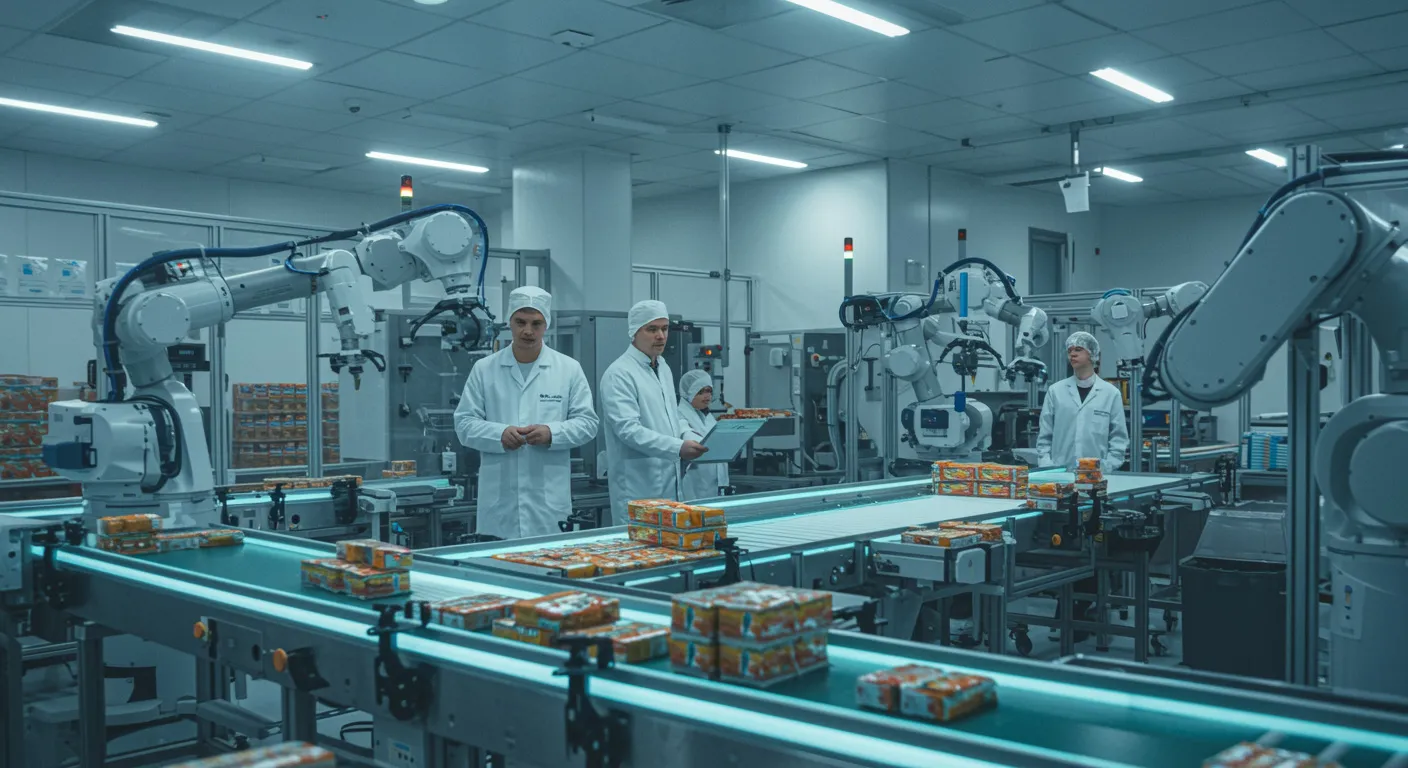
This is why incubators and pilot deployments are becoming essential for increasing technological maturity across the sector. They create the conditions needed for large-scale adoption of industrial robotics. Russia is steadily moving from isolated deployments to scalable solutions, building an independent industrial ecosystem that supports long-term resilience and competitiveness.