Robotic Rock Breaker Goes Underground at Nornickel Mine
Nornickel has deployed a robotic rock breaker at the Komsomolsky mine in the Norilsk Industrial District. The control software for the system was developed jointly with Russian technology company Reksoft.
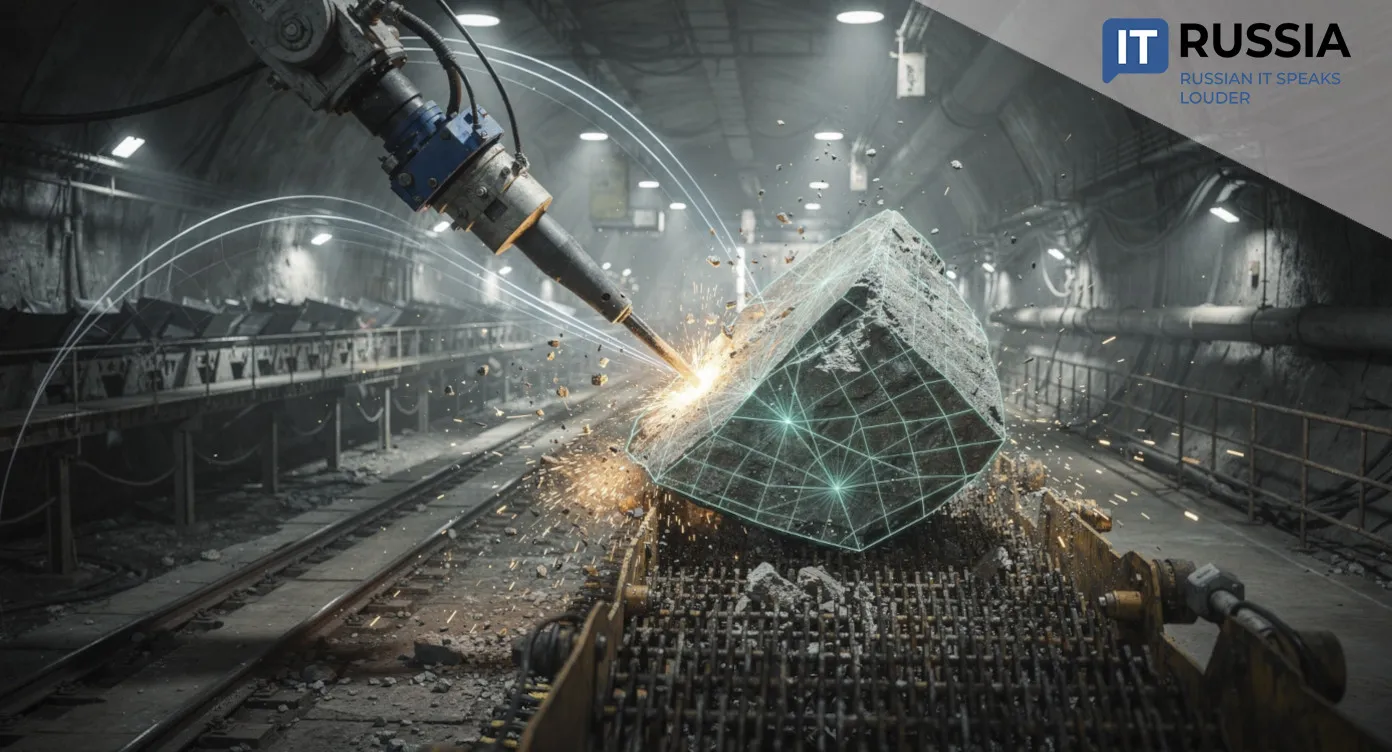
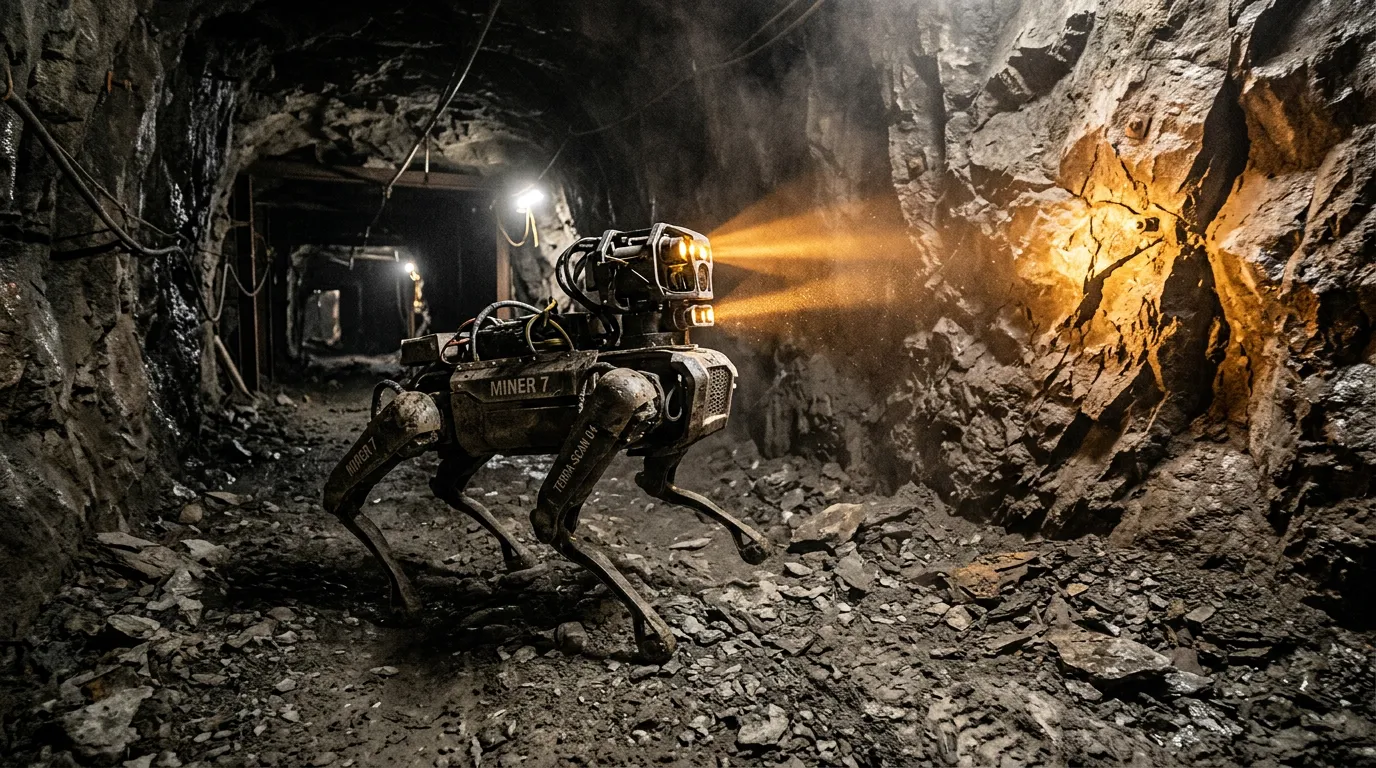
A rock breaker is a robotic machine used at underground mines after blasting operations. Its role is to crush oversized fragments of blasted rock mass that can obstruct ore transport systems and damage mining equipment. Until recently, these oversized rocks were often removed manually, creating serious safety risks for underground workers. Robotization has created an alternative approach and moved personnel out of the most hazardous parts of the operation.
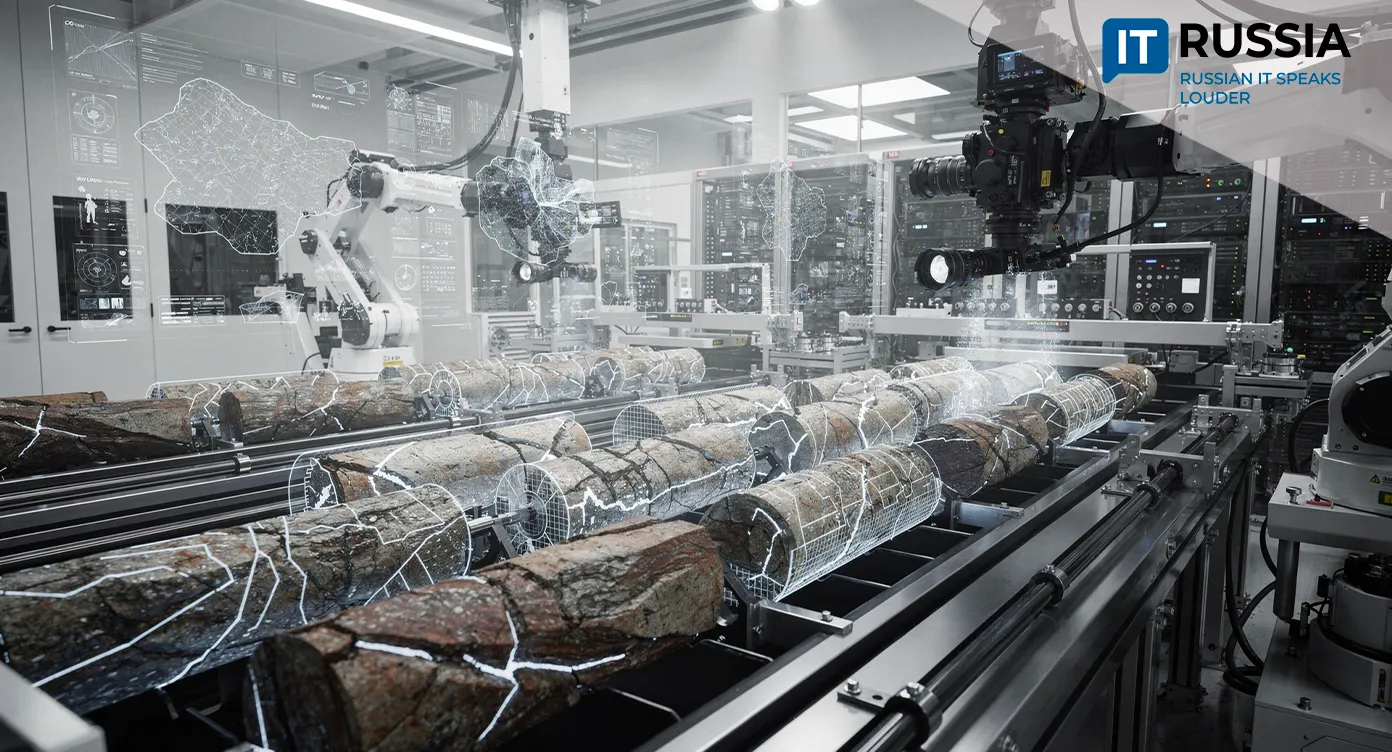
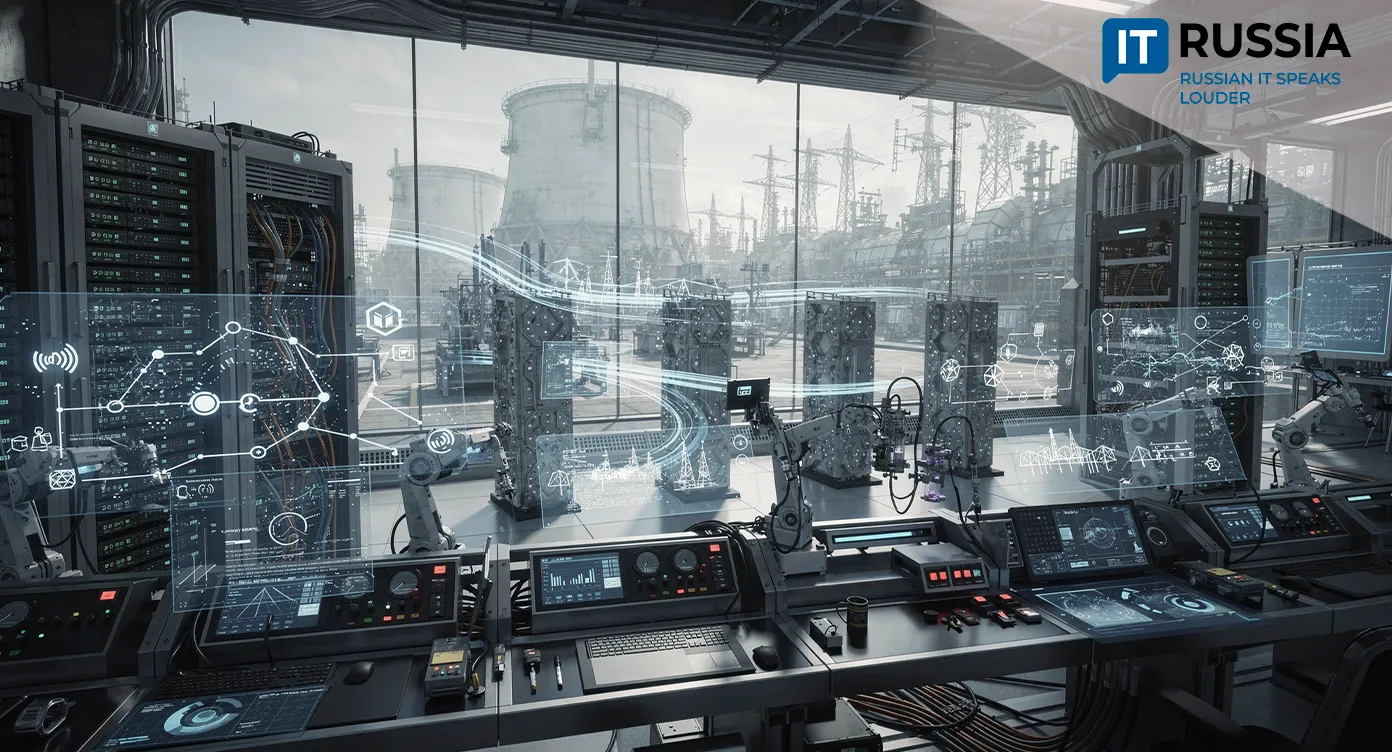
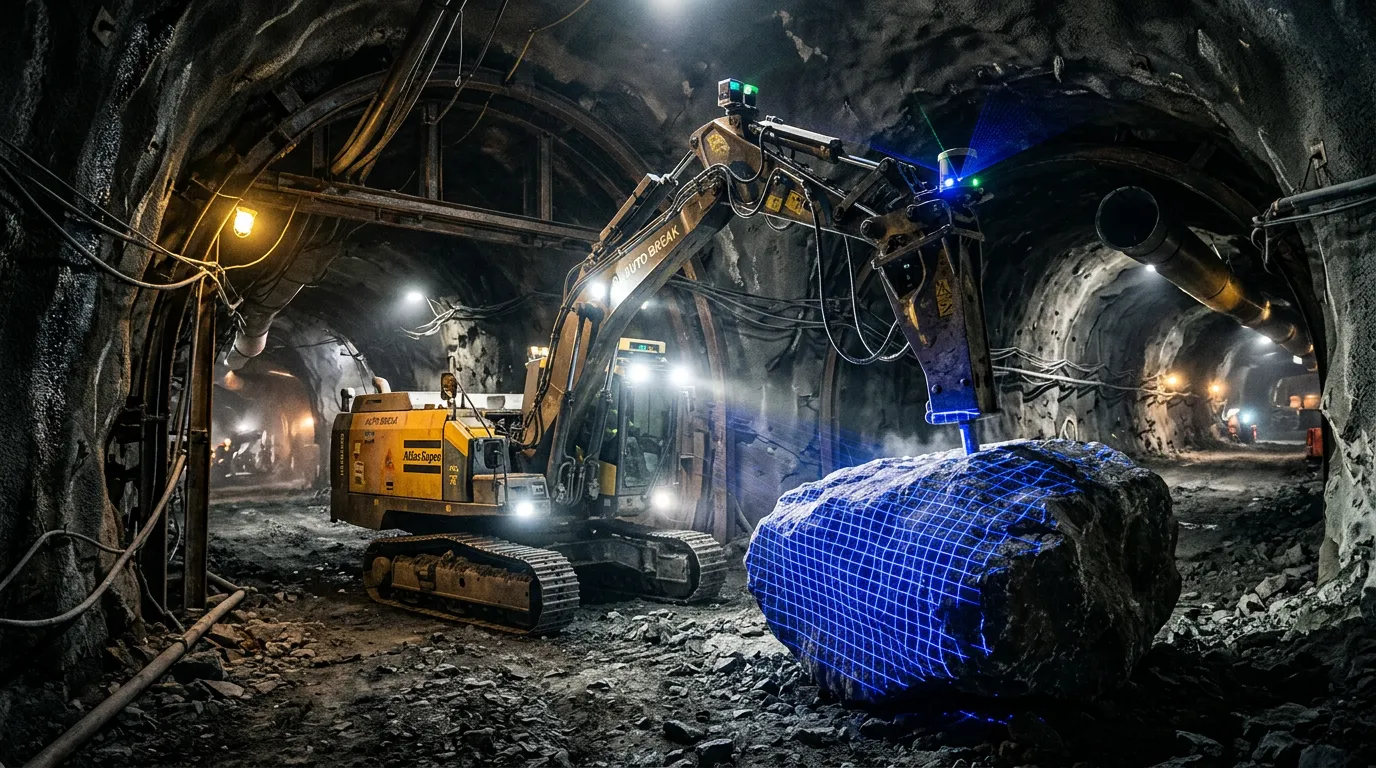
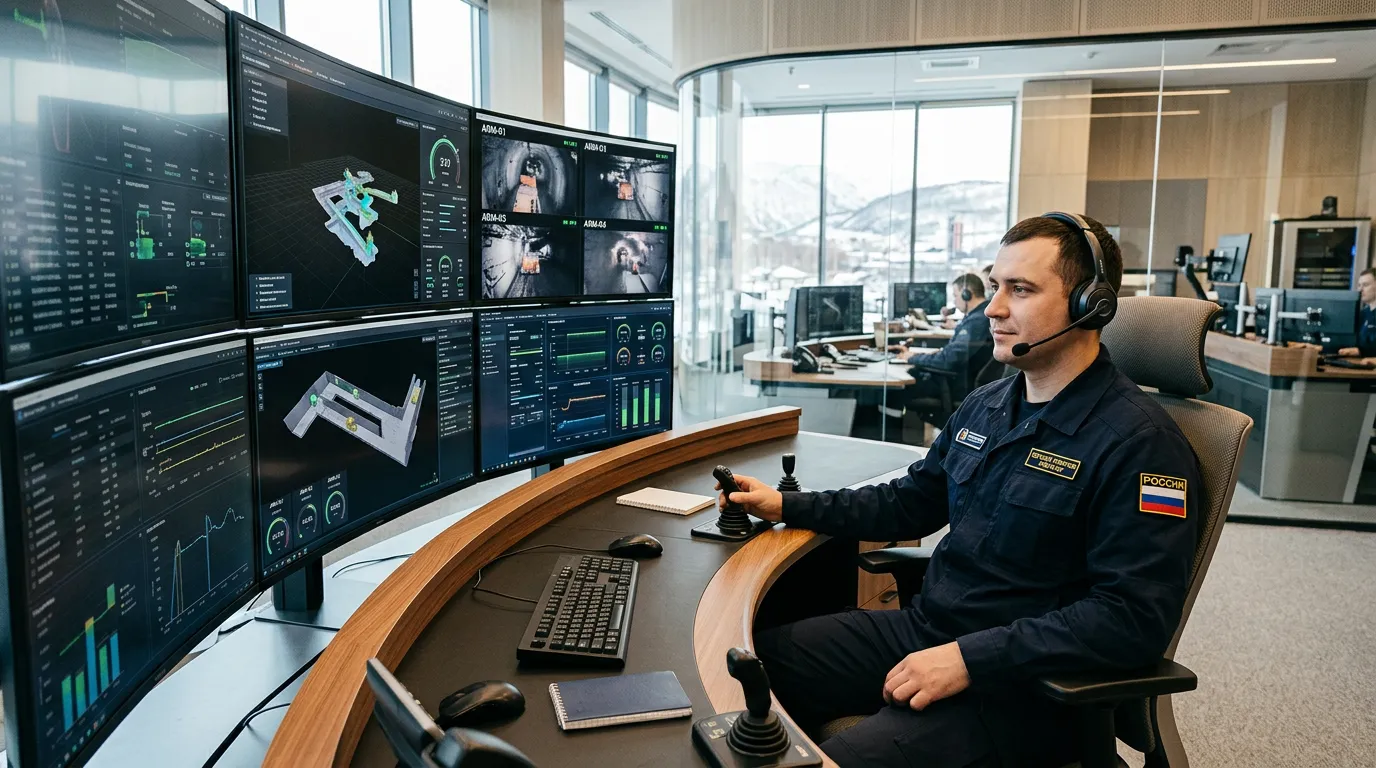
The rock breaker is now controlled through a centralized dispatch center. The system itself combines remote, automated, and potentially autonomous operating modes using machine vision, 3D lidar systems, and industrial AI.
Also, the platform can operate in manual, semi-automated, and fully automatic modes. The control architecture is built entirely on Russian software capable of supporting equipment from multiple manufacturers.
Machine-vision systems and lidar sensors are used to determine the position of the grizzly screen, oversized rock fragments, and the rock breaker itself. AI algorithms select the crushing target, calculate the optimal hydraulic hammer strike point, and determine the shortest boom trajectory. Over time, a single operator could potentially supervise several robotic systems simultaneously.
Robots Take Over Hazardous Underground Tasks
What is happening at the Komsomolsky mine – the largest and most strategically important mining asset within Nornickel’s Polar Division – represents a broader move toward autonomous underground mining operations. One of the company’s core production assets for sulfide copper-nickel ore extraction regularly encounters large oversized rock fragments, which are common in hard-rock mining environments. Rock breaking using robotic systems has already demonstrated operational effectiveness, as the site has been running an earlier manually controlled prototype for some time.
The new robotic rock breaker was manufactured at the facilities of Impuls LLC. Its engineers developed a flexible transition system between fully automatic, semi-automated, and manual operating modes, allowing dispatch operators to take direct control at any moment.
Machine-vision algorithms help stabilize productivity at the upper operational range by reducing the impact of human error and minimizing unavoidable downtime. The deployment already represents a major step forward in both operational control and underground mining safety.
Near-Term Expansion Plans
According to the roadmap extending through 2027, the company expects rock-breaker productivity gains of up to 10% through reduced downtime. Beyond crushing oversized rock, the system will also take over volumetric measurement of blasted material.
Installation and calibration work for industrial-scale testing is currently underway at the mine. Specialists have completed mine surveying, designed sensor-mounting brackets, and conducted 3D modeling to verify equipment layout solutions. If trials at Komsomolsky are successful, the technology will be scaled across other mines within Nornickel’s Polar Division.
The longer-term objective involves moving from isolated digital projects toward a fully integrated “peopleless mine” model. The new system creates a foundation for autonomous management of underground production processes. The robotic rock breaker complements earlier deployments, including remote and automated drilling systems at the Skalisty, Komsomolsky, Taimyrsky, and Oktyabrsky mines, as well as autonomous underground haul trucks.
Since 2020, Nornickel has continued expanding the digital infrastructure of its mines. More than 300 kilometers of fiber-optic cable have been installed underground, alongside more than 1,000 Wi-Fi access points. Positioning systems have been integrated into 386 mining vehicles, while more than 500 specialists have completed training programs. The company has also rolled out underground dispatch and infrastructure systems covering communications, equipment positioning, telemetry transmission, and machine-vision components. Together, these systems form the foundation for digital mine management and future autonomous mining operations.
Industry analysts note that the Russian mining market is already moving toward a more mature stage of automation adoption. At MiningWorld Russia 2025, experts estimated that large-scale deployment of autonomous mining technologies could take place within the next five to 10 years. Representatives of Nornickel, however, expressed a more optimistic outlook.