Russia Makes a Digital Breakthrough in Materials Science
Russia is building a database for an AI platform designed to generate new precious-metal-based materials tailored to specific industrial applications. Existing global AI models still struggle to accurately predict alloy behavior under real manufacturing conditions, creating a rare opening for Russian developers to establish an edge in computational materials science.
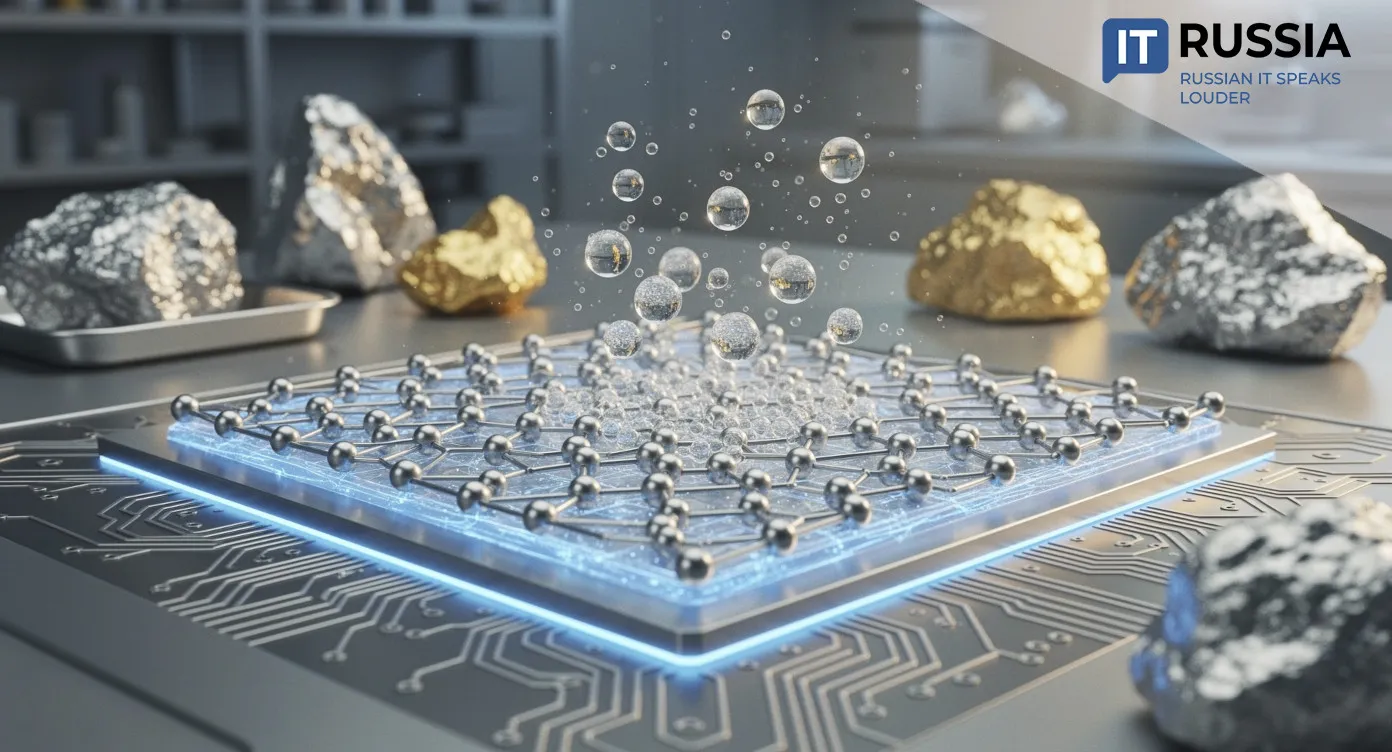
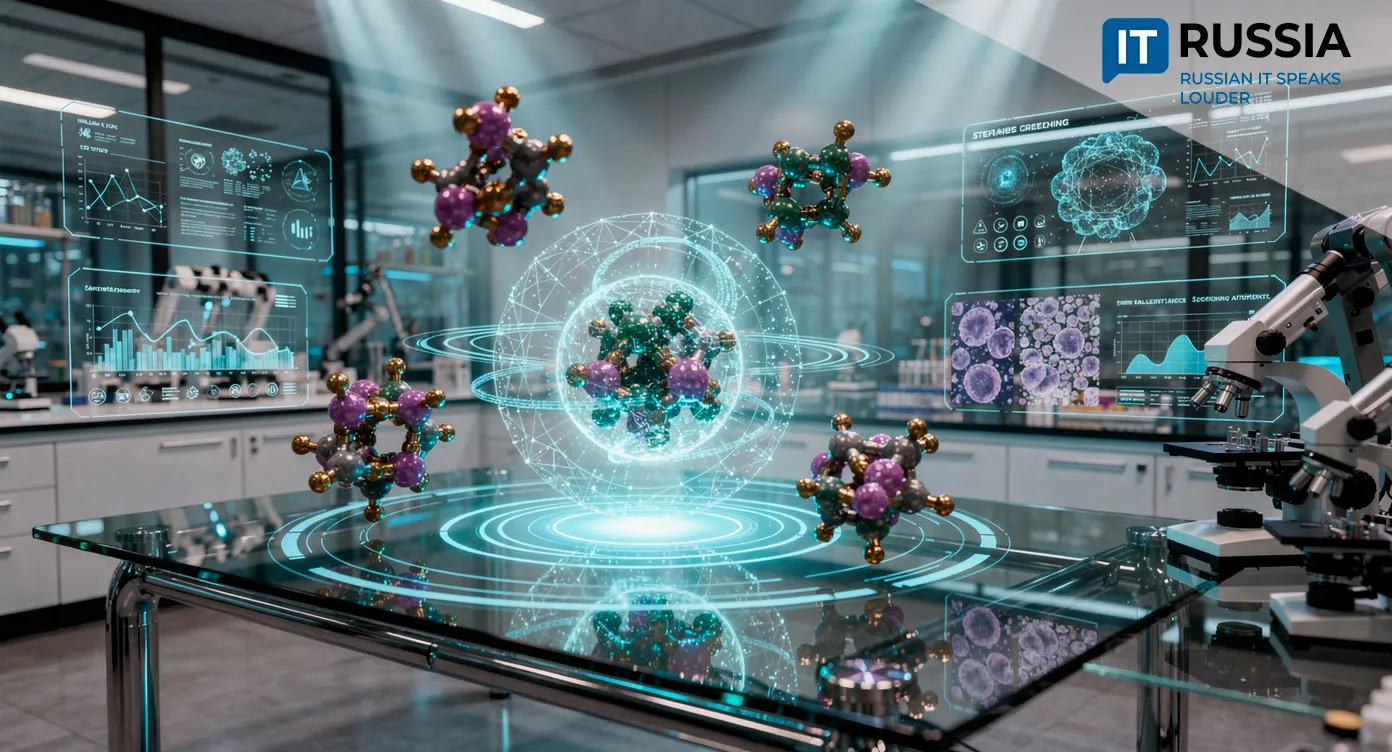
Nornickel and the Kurnakov Institute of General and Inorganic Chemistry of the Russian Academy of Sciences, known as IGIC RAS, are joining forces to develop an AI platform capable of designing new materials, including coatings for electronics and catalysts for hydrogen energy systems.
Digital Materials Science Moves Into Industry
IGIC RAS, one of Russia’s leading centers for inorganic materials research, will provide the AI system with a unique training dataset. The institute has accumulated tens of thousands of measurements covering material compositions, structures, and properties over several decades. During the first stage of the project, the partners plan to assemble at least 1,000 unique material compositions with experimentally verified characteristics.
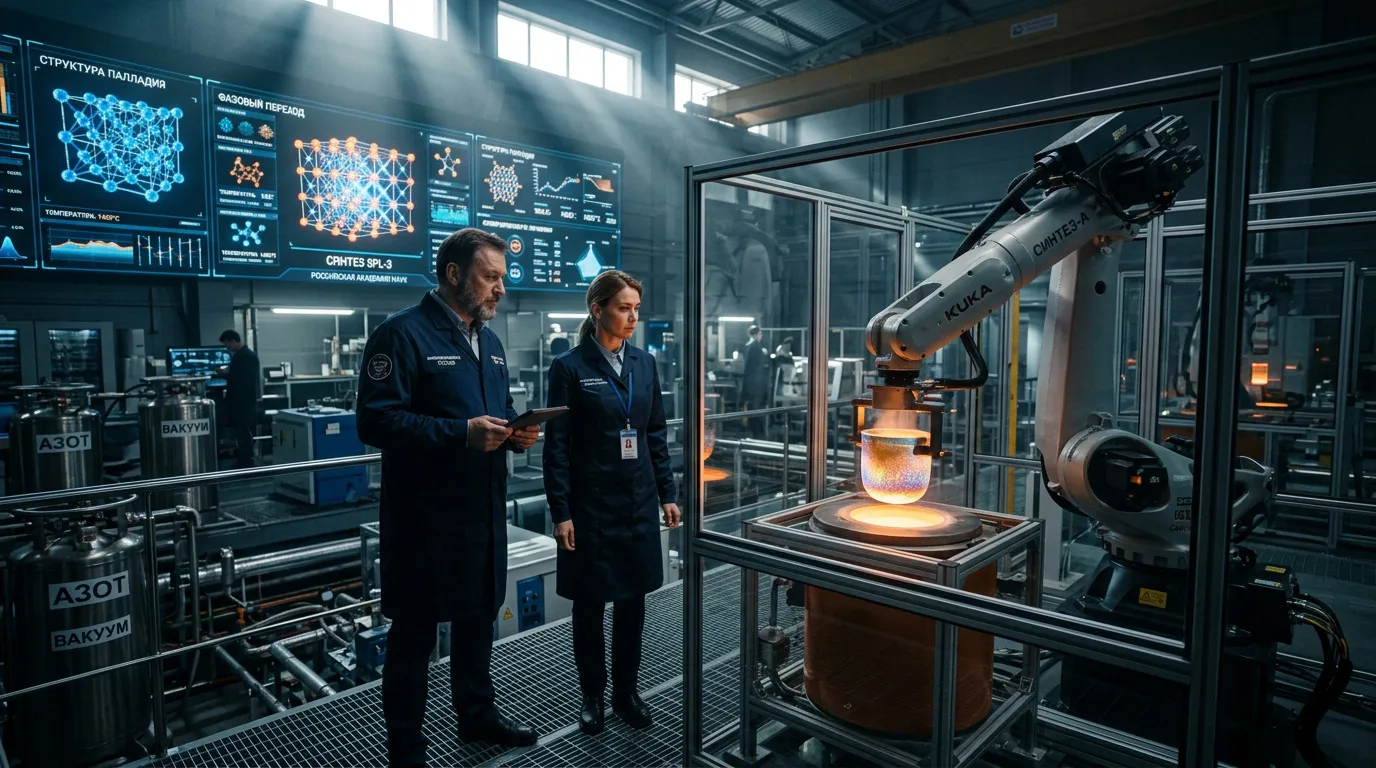
Nornickel is contributing expertise in AI systems and the microstructure of palladium-based materials. The company’s Tsentr palladiyevykh tekhnologiy (Palladium Technologies Center), established in 2023, is already working to improve the accuracy of predicting the applied properties of materials based on their crystal structures. Access to the institute’s experimental database is expected to enable the next step – generating entirely new alloys by training algorithms on real-world data.
Together with industrial partners, Nornickel is already developing palladium finish coatings for contact pads used in next-generation devices. Palladium creates a protective barrier that prevents corrosion while maintaining reliable electrical contact. In practice, every device – from server boards to sensors operating in extreme environments – requires unique compositions and deposition technologies. The AI platform is expected to handle that complexity automatically by rapidly selecting optimal materials for highly specific manufacturing parameters.
AI Platform Targets Gold Replacement in Electronics
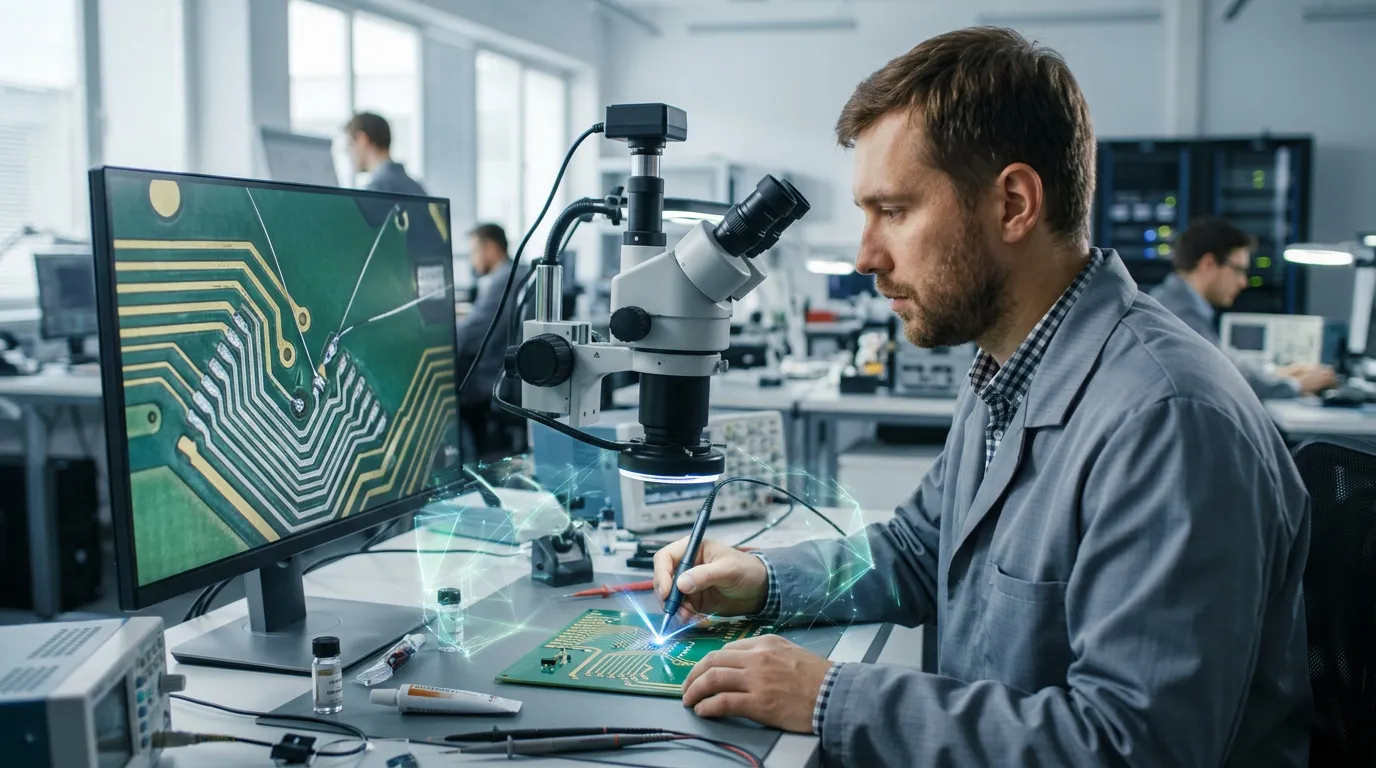
One of the platform’s most commercially significant goals is finding a replacement for gold in microelectronics. The global electronics industry is under growing pressure to reduce costs, and palladium is emerging as a strong alternative. It is roughly three times cheaper than gold and nearly twice as light, but ultrathin chip coatings require specially engineered compositions.
The AI platform is expected to accelerate the discovery of alloys capable of maintaining stability and conductivity at the nanoscale, helping move lower-cost, high-performance electronics closer to large-scale production.
The project is designed as a two-year effort. Initially, the platform will focus on crystalline inorganic materials, including alloys and chemical compounds. Later stages will expand into metal-organic frameworks, two-dimensional materials, and amorphous systems. That progression could open the way to a new generation of materials, including 2D catalysts, high-entropy and amorphous alloys, functional coatings, and high-precision sensors. The largest long-term potential, however, may lie in hydrogen energy and the chemical industry, where palladium is already widely used as a catalyst.
Russia Builds a Digital Materials Science Ecosystem
In 2024, Bauman Moscow State Technical University announced a platform built around multiscale modeling technologies. Meanwhile, the PolymerAI web service was launched to predict the properties of polymer materials using AI-based tools.
In 2025, the Moscow Institute of Physics and Technology and the Dukhov All-Russia Research Institute of Automatics, known as VNIIA, applied machine learning to search for new steels for nuclear reactors. Researchers assembled a database containing 294 compositions and more than 4,000 records describing mechanical properties and heat-treatment regimes. Based on that dataset, AI models proposed new alloys with improved characteristics. A key part of the project was its end-to-end workflow, which stretched from digitizing experimental data to validating results in the lab.
In August 2025, Rosatom reported deploying AI technologies in the development of next-generation advanced materials. According to the state corporation, modern algorithms can identify optimal solutions within weeks rather than through years of conventional experimentation.
Russia’s First Large-Scale Digital Alloy Dataset
Nornickel has become the first Russian company to systematically build a digital materials-science dataset in partnership with the country’s academic research sector. IGIC RAS will serve as the project’s coordination hub, while additional institutes and universities are expected to join later. The company plans to invest about $100 million in AI-assisted palladium materials development by 2030.
A shift from gold to palladium in microelectronics could open a new market for Nornickel worth hundreds of tons of metal annually. Beyond strengthening the company’s market position, the initiative could help Russia expand its capabilities in AI-driven materials design and move closer to a broader strategic objective – strengthening the country’s role in global critical-material supply chains.