Russia Develops a “Digital Vehicle” to Predict the Lifespan of Transportation Structures
Russian engineers have created an AI‑driven simulation tool that can accurately predict how long aircraft, automotive, and other transport components will last in real‑world conditions
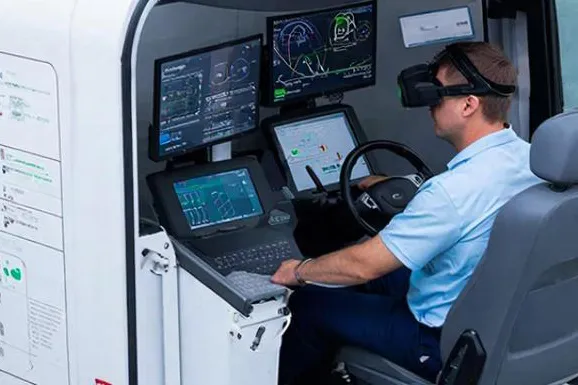
Scientists at South Ural State University have developed a breakthrough method for assessing the durability of aircraft, automotive, and other transport structures using neural networks. The approach makes it possible to precisely forecast how long components will remain safe under real operating conditions — and to prevent failures before they occur.
Traditional fatigue‑analysis methods rely on lengthy physical tests and often produce only approximate results. Russian researchers combined a fundamental Soviet‑era theory of durability with modern artificial intelligence. At the center of their work is the “digital vehicle,” a virtual model that simulates the behavior of every component in a transport system under different loads.
Simulating Wear During the Modeling Process
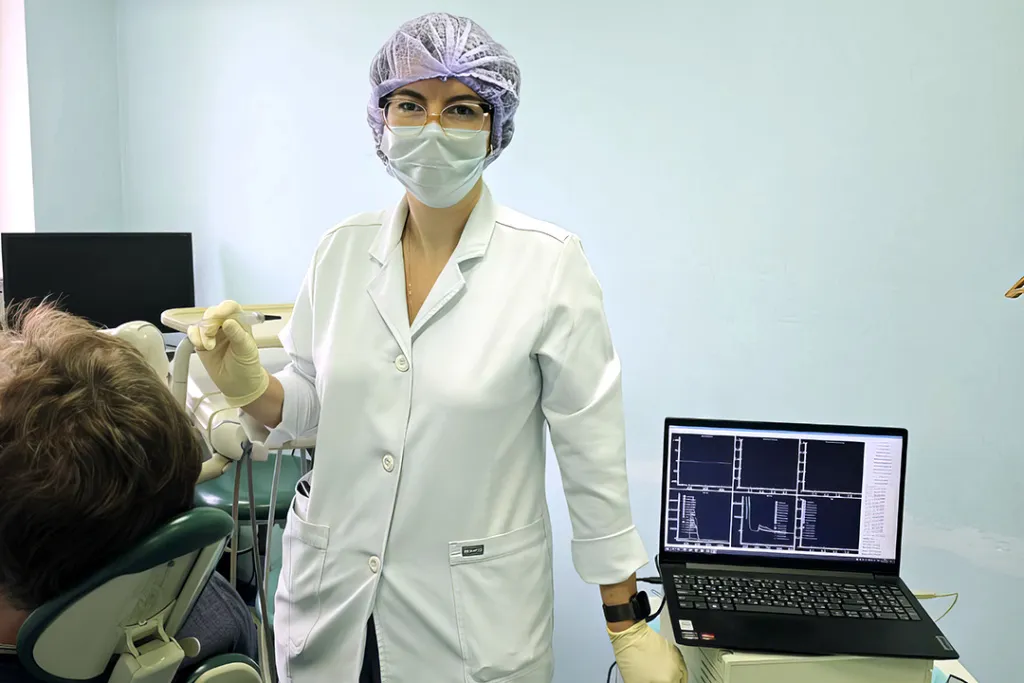
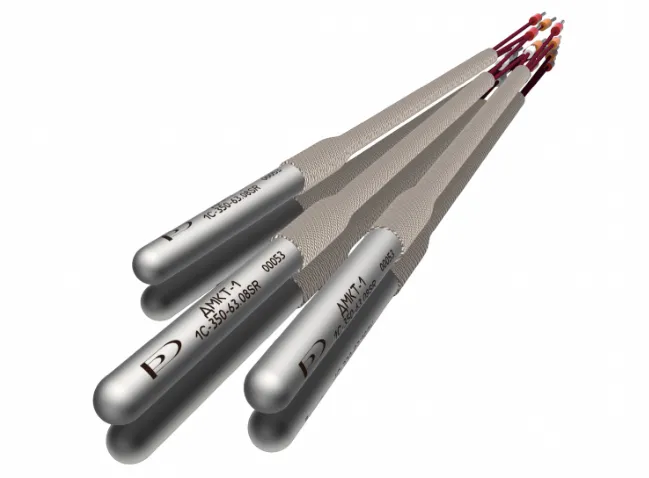
The method’s key innovation solves one of the biggest challenges in training neural networks: the lack of sufficient data. The researchers found a way to generate virtually unlimited synthetic datasets based on short recordings from sensors installed on real vehicles.
The project is supported by a grant from the Russian Science Foundation. The team plans to develop user‑friendly software for engineers and service organizations, enabling them to analyze structural health and plan maintenance in advance.
The technology will help manufacturers reduce testing costs, minimize unexpected failures, and improve the safety and reliability of transportation systems — benefits that matter both to Russia and to the global market.