In Russia, a Neural Network Monitors Environmental Conditions at Oilfields
Russian researchers and energy specialists are using AI to analyze satellite imagery and field data, helping reduce industrial impact on ecosystems and preserve biodiversity
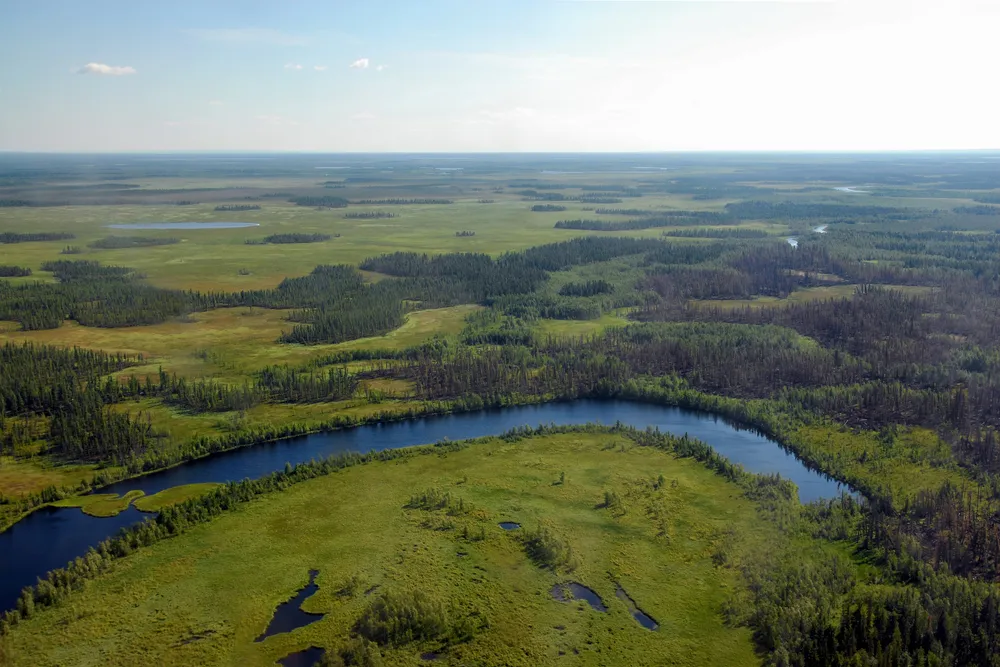
Russia’s Khanty-Mansi Autonomous Area—Yugra is adopting a new high-tech approach to ecosystem protection near oilfields. Salym Petroleum Development, together with Yugra State University, is implementing neural networks to analyze biodiversity and perform environmental monitoring.
Ecologists and researchers conduct extensive fieldwork across the Salym group of oilfields: studying plant species, observing bird populations, and tracking wildlife migration routes. All collected field data, combined with satellite images, is uploaded into specialized algorithms.
The neural network learns to recognize types of natural habitats — for example, wetland boundaries or distinct forest zones. This makes it possible to create highly accurate digital maps of species distribution. The system allows specialists to monitor environmental changes over time and assess human impact.
Greenhouse Gases Under Control
Yugra has also deployed Russia’s first industrial real-time greenhouse gas monitoring station. The equipment continuously measures the concentration of chemical compounds in the air. Long-term monitoring will help scientists assess how efficiently local wetlands absorb carbon.
These tools bring environmental protection into a new digital era. AI enables accurate forecasting of consequences, identification of optimal infrastructure routes, and the creation of scientific models that can later be applied in other regions of Russia.