Russian Scientists Develop AI-Powered Probe for Precision Cavity Treatment
A new AI-driven optical probe developed in Russia gives dentists real‑time, objective data about tooth tissue, potentially transforming global standards of minimally invasive dentistry
A Breakthrough in Real-Time Dental Diagnostics
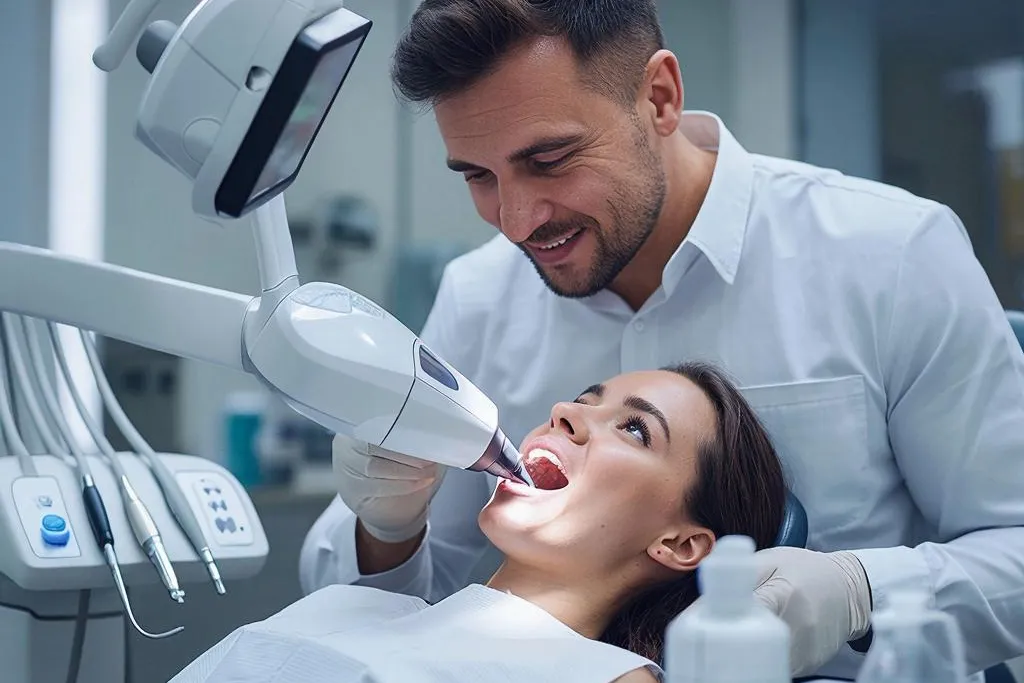
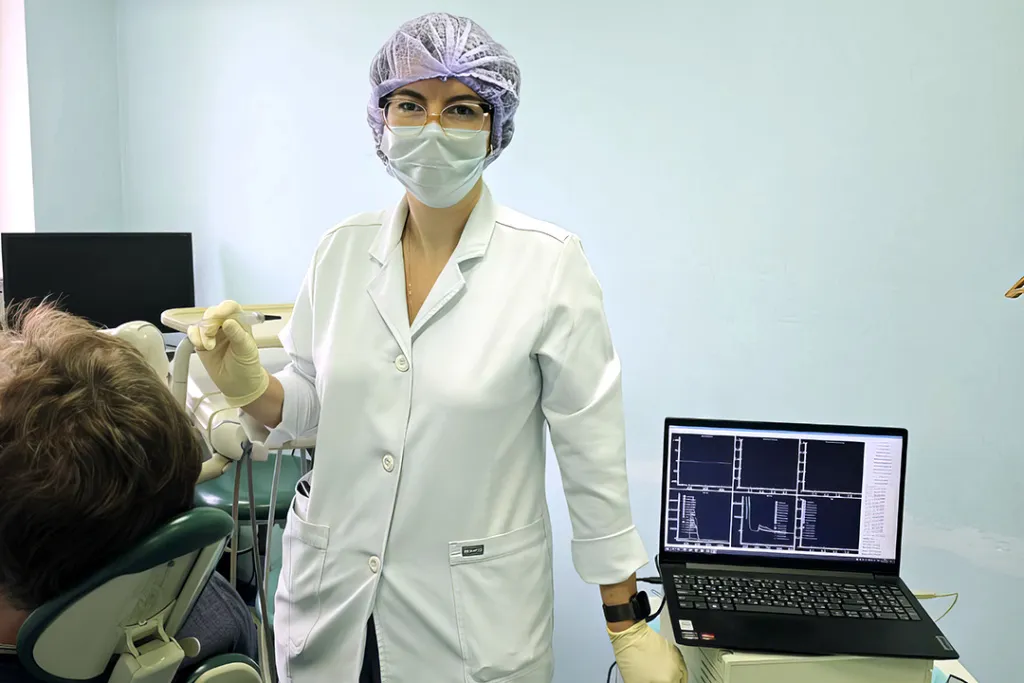
Clinical trials have begun in Moscow for a unique optical device developed at Sechenov University. Using light analysis and artificial intelligence, the probe determines which parts of a tooth must be removed and which should be preserved. The innovation promises a major shift in global dental practice.
During cavity preparation, dentists often rely on visual judgment—even microscopes cannot always differentiate between infected dentin that must be removed and healthy tissue that should remain. The new Russian diagnostic probe addresses this challenge directly.
How the AI Probe Works
Created in the Laboratory of Clinical Biophotonics, the device analyzes the fluorescence of dental tissues. A thin optical sensor is placed on the tooth, capturing light signals and transmitting them to a computer. A machine‑learning algorithm—trained on fluorescence spectra from more than one hundred clinically verified samples—processes the data instantly and displays the tissue type on the screen.
Toward Gentler, More Accurate Dentistry
The technology’s advantages include non‑invasiveness, patient safety, and real‑time operation. It eliminates subjective assessment and removes the need for dyes or additional diagnostic steps, significantly accelerating care.
A Step Toward Global Standards
Supported by the Priority‑2030 program, the project highlights how Russia’s scientific advancements and digital transformation efforts are producing competitive medical technologies. The approach could inspire a new global standard of precise, tissue‑preserving dentistry.
Researchers plan to adapt the algorithm for specific patient groups, including children, and to expand its functions to measure the distance to the tooth pulp for even greater accuracy. The device is currently being tested clinically with patient consent, and incoming data is used to improve the system further.