Russia Develops Digital Twins for Urban Transport Systems
A virtual replica of city transport operations could help authorities optimize infrastructure and reduce costs.

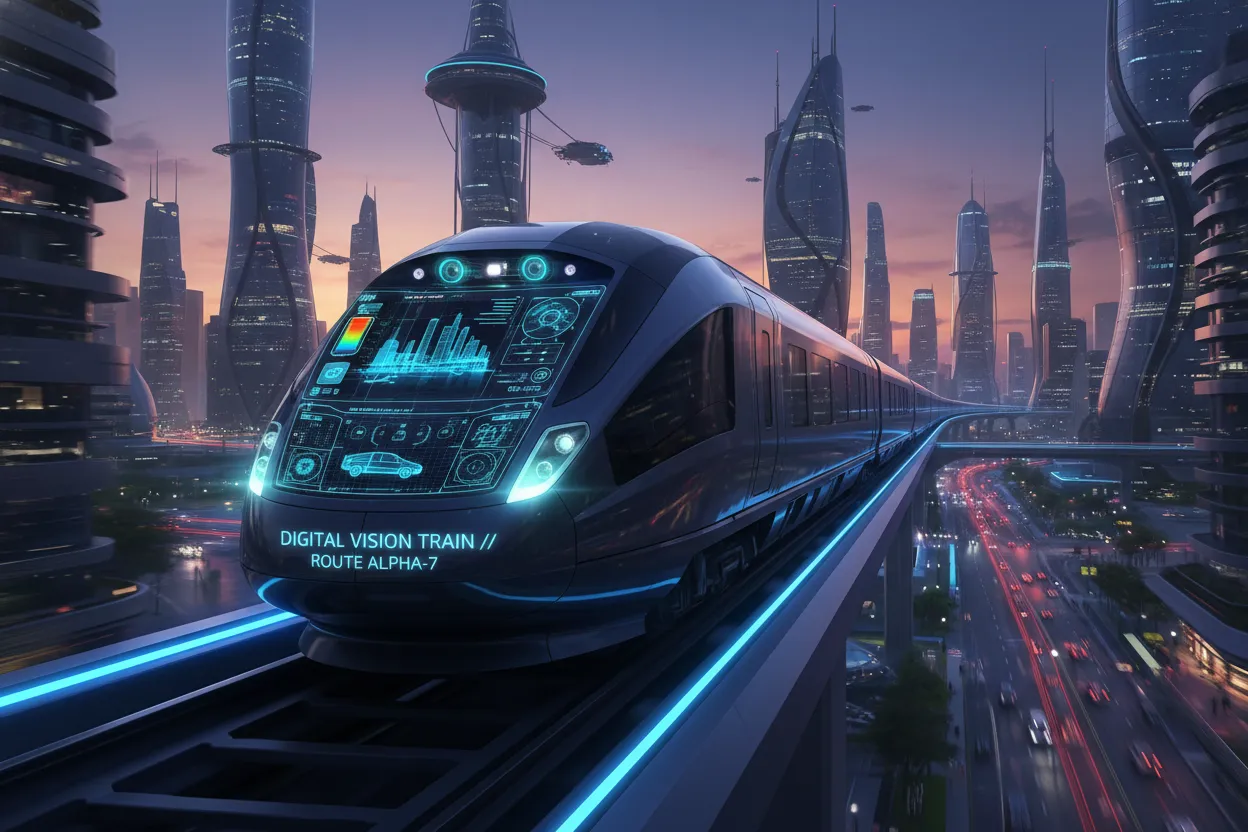
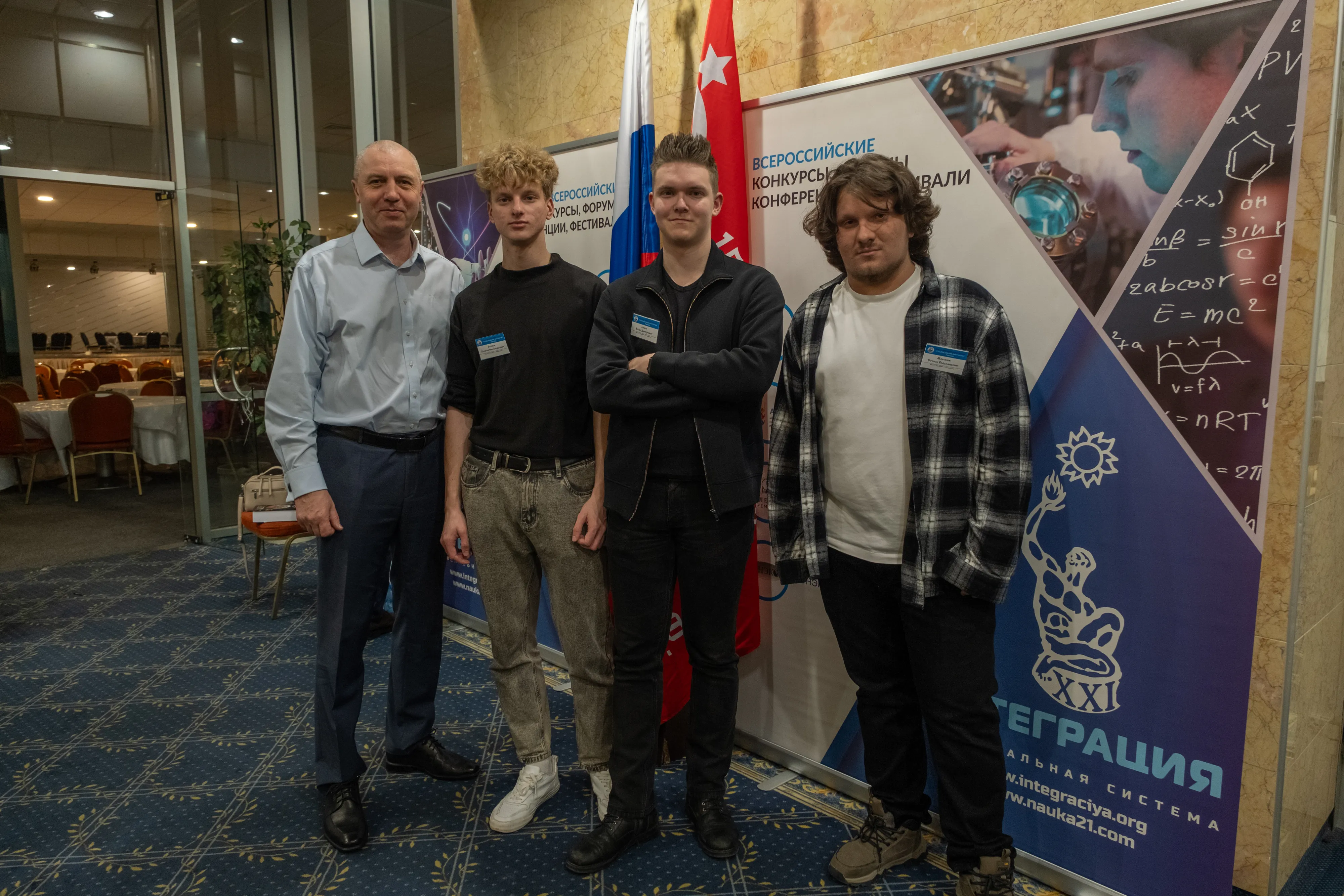
A digital twin of the urban transportation system is being developed in Tyumen. Researchers at Tyumenskiy industrialnyy universitet (Tyumen Industrial University), led by Dmitry Zakharov, head of the Department of Automotive Transport Operations, are working on the methodology for the computational digital twin.
According to Zakharov, transport management is undergoing a shift in paradigm, moving away from extensive development toward a more intensive approach.
Turning Digital Footprints Into a Structured Digital Shadow
Developers have already presented a laboratory prototype of an operational digital twin. The platform integrates a geographic information system, microservices for analyzing transport performance parameters, and simulation-based macro models of urban traffic flows.
Using Tyumen as a case study, researchers identified how changes in public transport operations, road traffic, and parking patterns depend on population growth and urban development.
The team is currently refining individual microservices within the digital twin architecture. Limited access to relevant databases remains the main obstacle for the researchers.
In the future, a fully developed laboratory prototype of the computational digital twin could help local authorities make more effective decisions even when financial, material, and territorial resources are limited.