Russia Unveils First Tandem Triple-Quadrupole Mass Spectrometer for Liquid Chromatography
The instrument has passed state acceptance tests, with a pilot production run planned for 2026–2027.
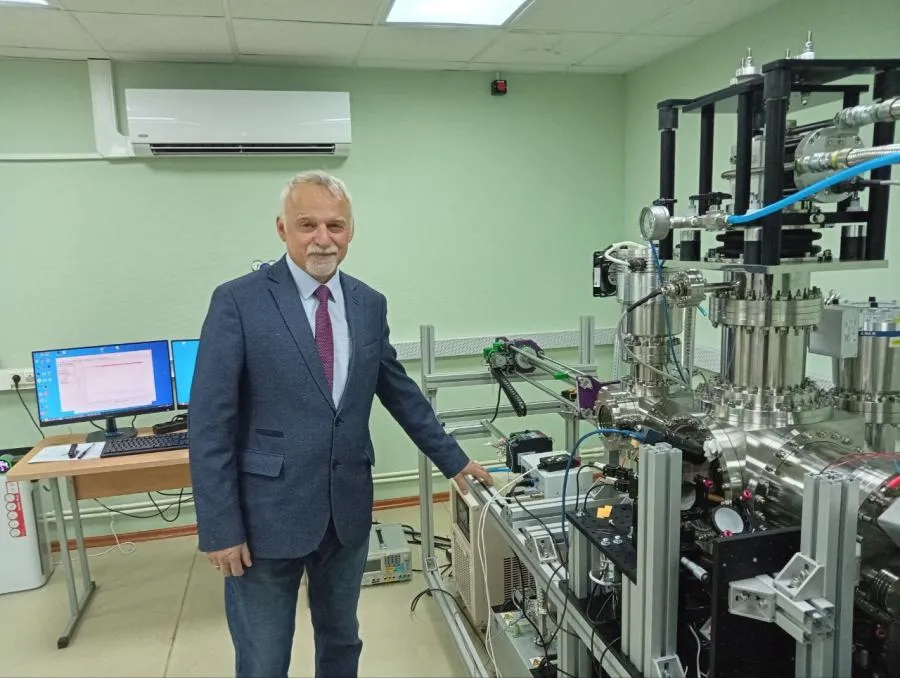
Russia has developed its first tandem triple-quadrupole mass spectrometer designed for liquid chromatography. The instrument completed state acceptance trials at the end of 2025, and a pilot batch is scheduled for release in 2026–2027.
IT Meets Chemistry
Project lead Alexei Sysoev, a professor at National Research Nuclear University MEPhI, confirmed the successful completion of testing.
The instrument’s IT architecture is based on a distributed design. Each electronic module is controlled by its own microcontroller, while a central control module coordinates their operation.
The system uses programmable logic chips, requiring specialized expertise in FPGA programming. The project team includes specialists in embedded systems, as well as digital and analog electronics.
Digital Analytics and Precision Control
The device operates in tandem with a liquid chromatograph. It uses electrospray ionization and collision-induced dissociation of precursor ions.
The method enables analysis of non-volatile compounds and provides data on molecular ions and their fragments. Managing these processes requires precise synchronization of the vacuum system, radio-frequency units and detectors.
Applications in Environment, Chemistry and Forensics
Alexei Buryak, director of the Institute of Physical Chemistry and Electrochemistry of the Russian Academy of Sciences, emphasized the practical value of the technology.
According to him, the method is particularly important in analyzing water and soil contamination, where toxic substances can rapidly transform.
The pilot production run is expected to generate feedback from laboratories and prepare the instrument for full-scale manufacturing.