Russian Researchers Find That Volcanoes Will Not Save the Planet from Rising Temperatures
Public imagination often portrays climate catastrophe as the eruption of a supervolcano, followed by a volcanic "winter" that cools the Earth. New research from Russia, however, presents a far more nuanced picture.
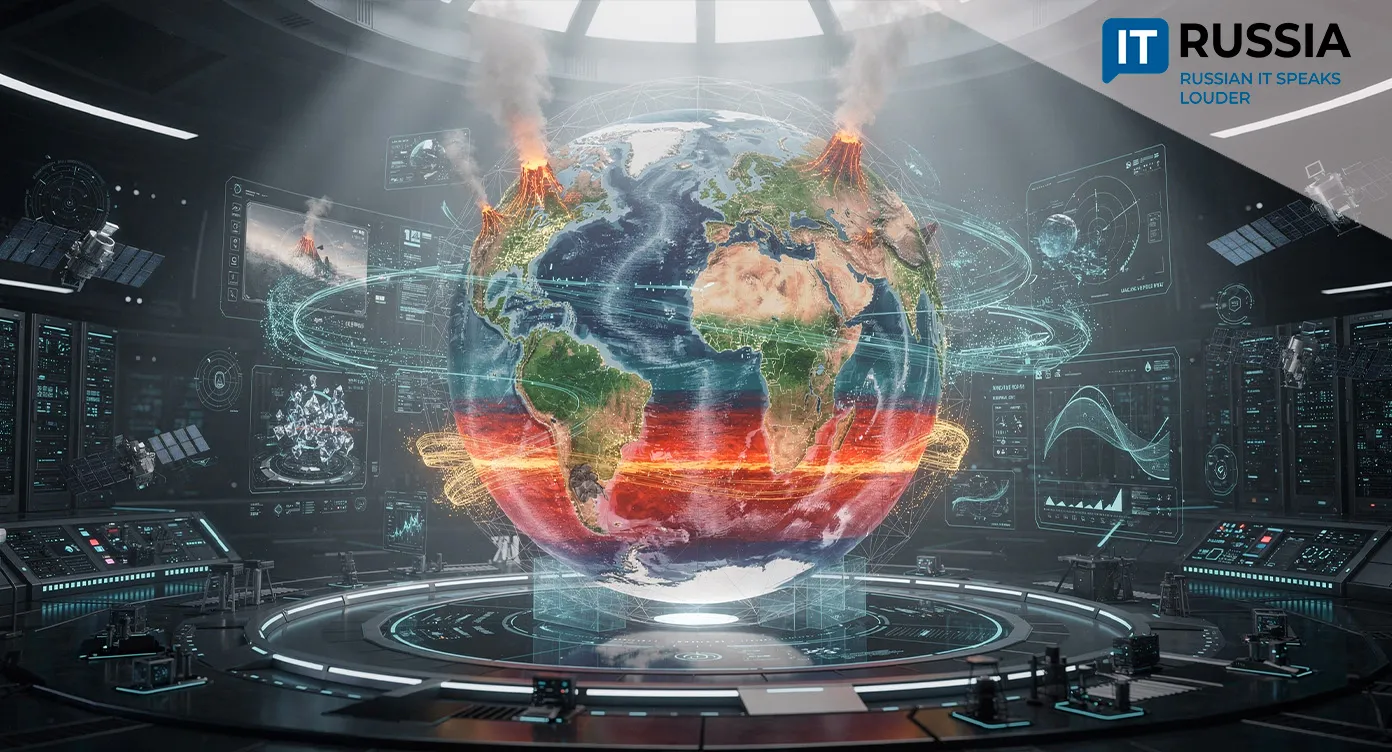
Researchers at SPbGU (St. Petersburg State University) have carried out a comprehensive climate-modeling study. Their results indicate that volcanic activity through 2100 will not halt global warming. Instead, volcanic eruptions are likely to alter regional weather patterns only temporarily.
Volcanic Ash and Water Vapor
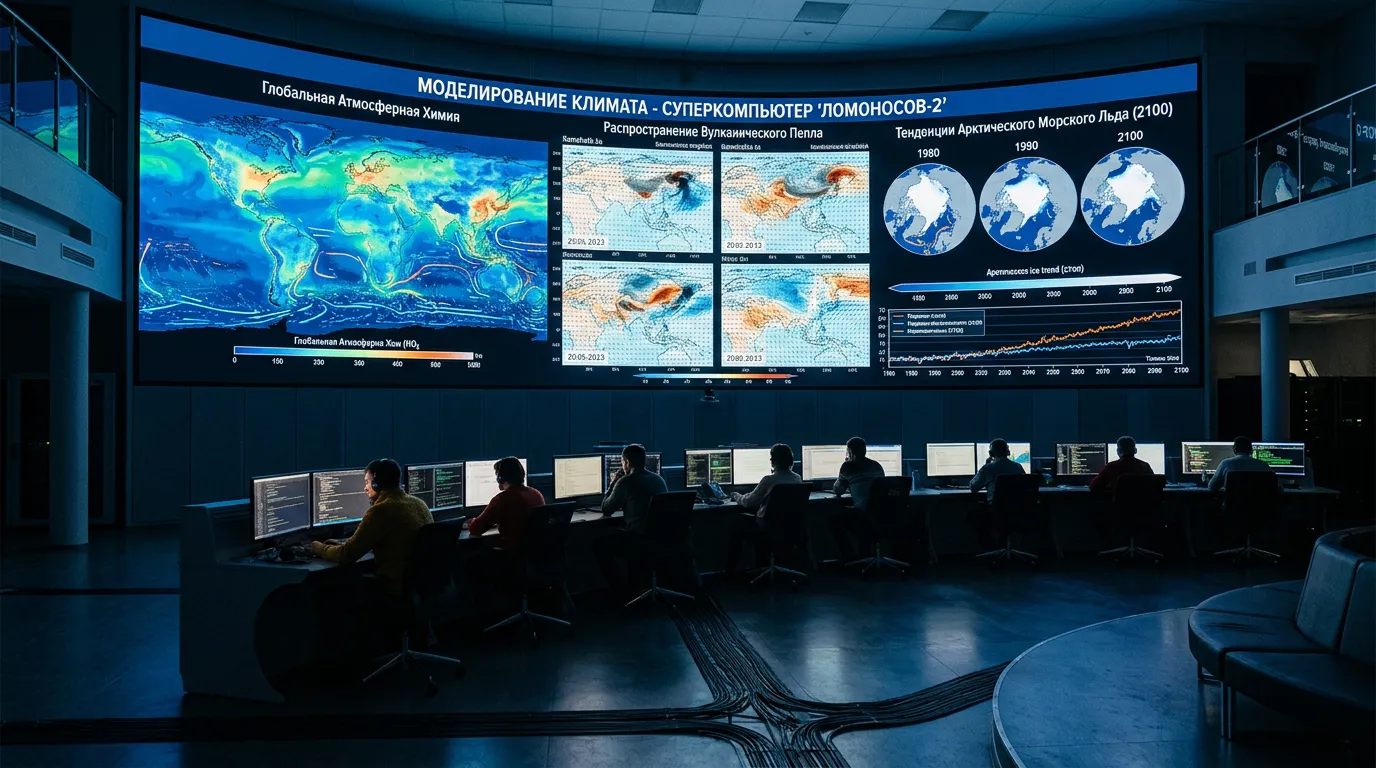
The SOCOL-MPIOM model is a digital representation of the Earth in which mathematical equations simultaneously describe atmospheric chemistry, ocean circulation, sea-ice thermodynamics, and aerosol transport. The researchers performed 25 simulation runs. Their findings show that sulfur dioxide emissions, which are converted into sulfate aerosols in the stratosphere and do reflect a portion of incoming sunlight, producing short-term cooling, are ultimately unable to offset the accumulated warming caused by greenhouse gases.
The simulations account not only for the magnitude of an eruption but also for its latitude, the height of the eruption column, and even the season in which it occurs. The simple assumption that "volcanoes mean cooling" does not hold. In fact, winter temperatures in Northern Europe could rise by about 1 °C. Even a one-degree increase could reduce precipitation, leading to less rain and snowfall. Engineers constructing pipelines in permafrost regions could be forced to redesign foundations. Hydropower operators might need to revise reservoir and generation planning, while agricultural producers would have to prepare for an increased risk of drought.
When Volcanoes Fall Silent
In 2025, SPbGU researchers used their computational framework to analyze data from the Hunga Tonga eruption, the most powerful volcanic eruption of the past 150 years. They concluded that its climatic impact depends not only on the volume of material released but also on the specific mixture of gases emitted. Meanwhile, researchers at MGU (Lomonosov Moscow State University) developed a hydrodynamic model that uses atmospheric waves to estimate the composition of volcanic emissions remotely, reducing the time and cost associated with airborne reconnaissance. Notably, the model was successfully validated using data from the same Hunga Tonga eruption.
The new SOCOL-MPIOM model is expected to be integrated into Russia's national climate forecasting systems, including those operated by Roshydromet. Before that happens, however, the digital model will need to be supplemented with observations from satellites, ground-based seismographs, and volcano monitoring networks.
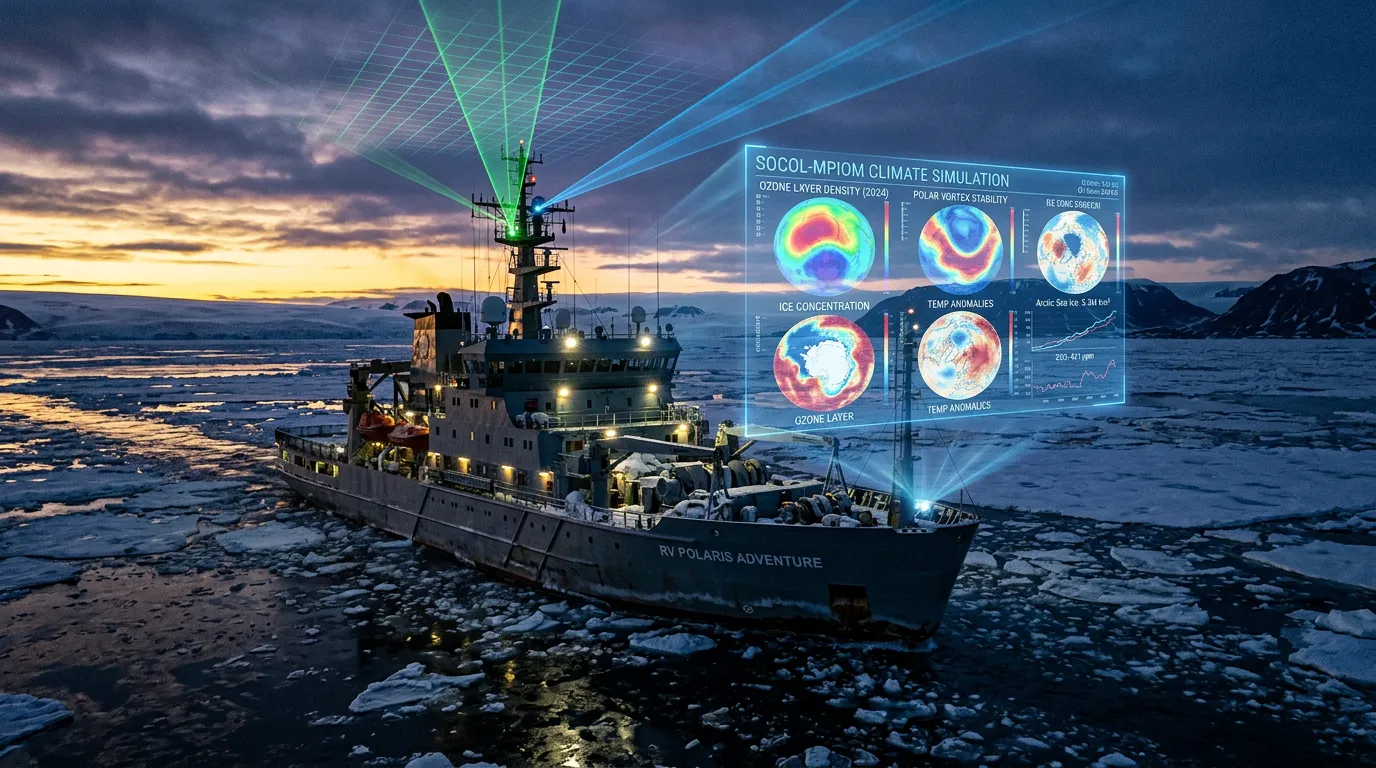
The Arctic remains a region of particular concern. High northern latitudes are warming at roughly twice the global average rate. If an eruption occurs near Arctic ice, ash deposited on the ice surface could reduce its albedo, or reflectivity, accelerating melting even more effectively than greenhouse gases under some conditions. Because Russia's northern territories contain extensive hydrocarbon resources and serve as a strategically important transportation corridor, accurate climate modeling has substantial practical significance.
The Climate of the Future
Volcanoes are powerful enough to disrupt weather in individual regions, but they are not capable of stopping the long-term rise in global temperatures. The climate of the future will emerge from the combined influence of billions of interacting factors.
Climate modeling is fundamentally an exercise in probabilities rather than precise prediction. These results should not be interpreted as an exact forecast for conditions in 2050. Instead, they define a range of plausible outcomes. The challenge is to distinguish meaningful signals of future droughts or episodes of anomalous warmth from the background variability inherent in complex climate systems.
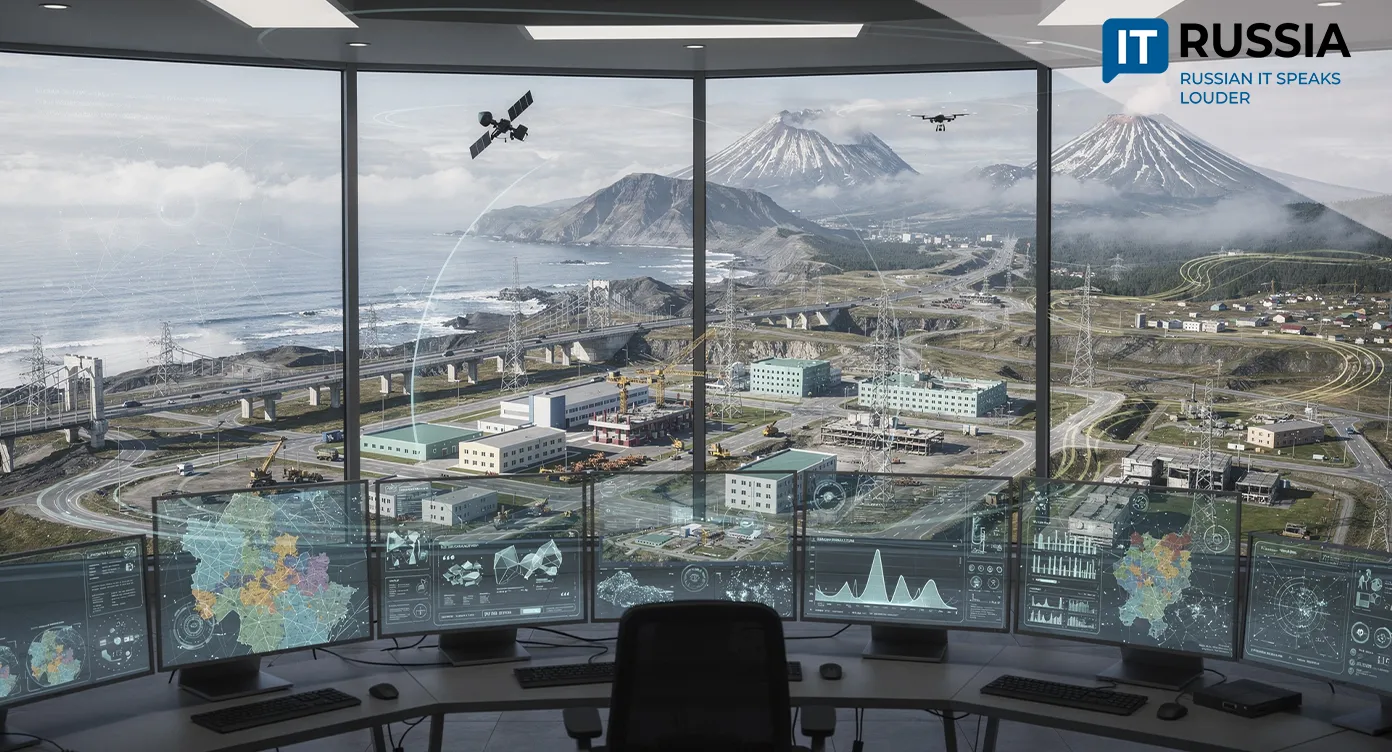
Over the coming years, researchers will need to move beyond regional averages and develop localized forecasts for individual northern communities. They also plan to produce three-dimensional maps of volcanic cloud dispersion. As demonstrated by the 2023 Shiveluch eruption on Russia's Kamchatka Peninsula, volcanic ash reaching altitudes of 20 kilometers can pose a threat to transcontinental aviation. In addition, ozone monitoring will become increasingly important because some chemical components of volcanic plumes actively deplete the ozone layer. Future forecasting systems are expected to incorporate this factor as a standard component of climate assessments.