VR Simulator Trains Future Livestock Specialists in Cattle Evaluation
Scientists at Russia’s Timiryazev Academy have developed a virtual reality simulator designed to train students in linear conformation assessment of cattle, a core skill in modern breeding and herd management.
Assessment as the Basis for Animal Selection
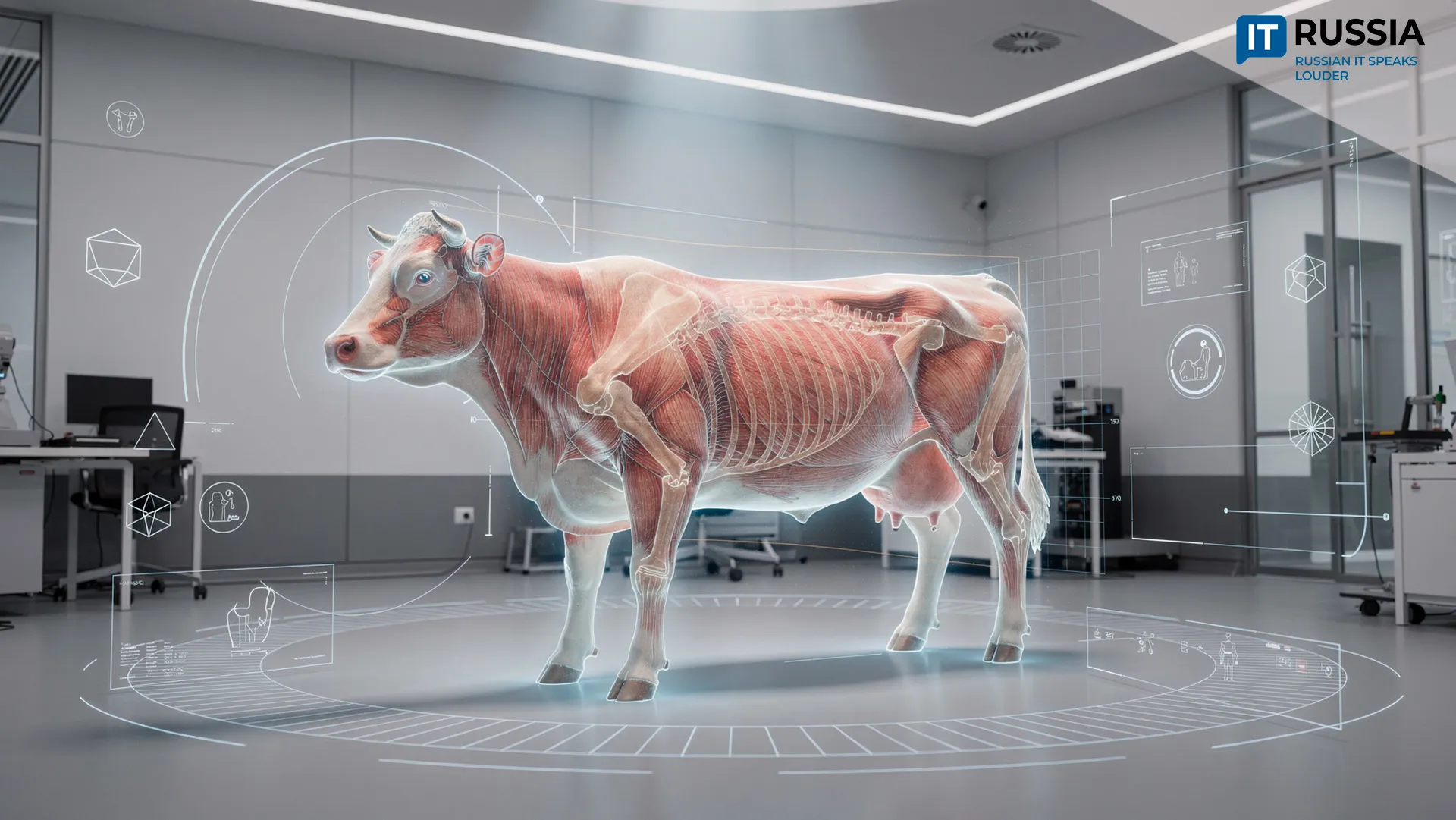
Linear conformation assessment plays a critical role in effective breeding programs and herd management. It supports accurate animal selection, formation of breeding groups, productivity forecasting, and long-term stability in both dairy and beef operations. The method is standardized and relies on describing and measuring key anatomical traits using established scoring scales and measurement rules. Accuracy at this stage directly affects the economic performance of farms.
At the same time, students and early-career specialists often struggle at the initial stage of training. Live animals move, change posture, and respond to people and their surroundings. Identifying precise anatomical reference points requires confident technique that comes only with experience. For novice evaluators and livestock specialists, digital technologies – specifically virtual reality – are becoming a practical solution.
Researchers from the Project Institute for Digital Transformation (VR Laboratory) at the Russian State Agrarian University – Moscow Timiryazev Agricultural Academy have developed a VR simulator for training linear conformation assessment of cattle. The solution was created under the Priority 2030 strategic program and is intended to improve the quality of training for future livestock professionals.
Safe and Effective Training Environment
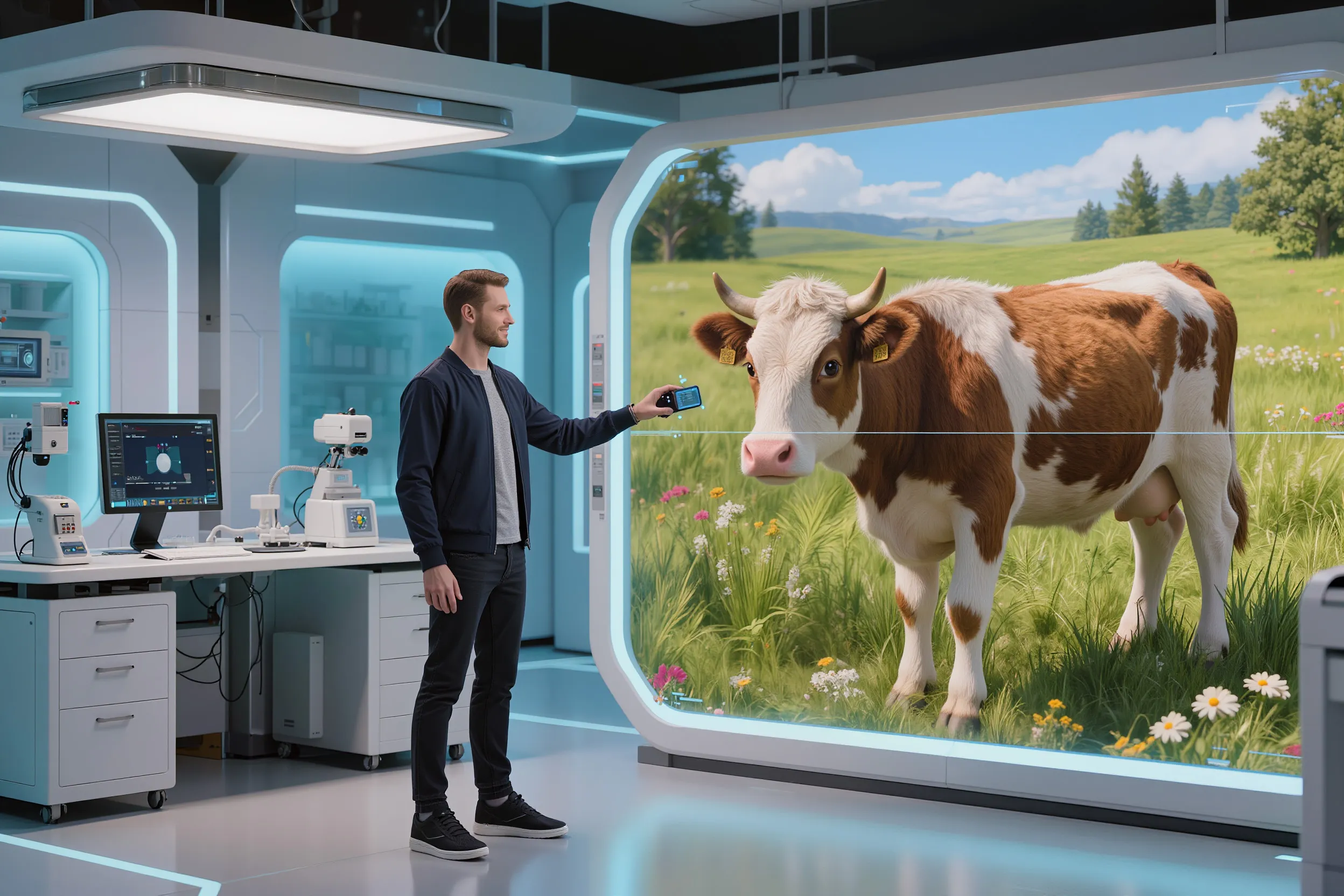
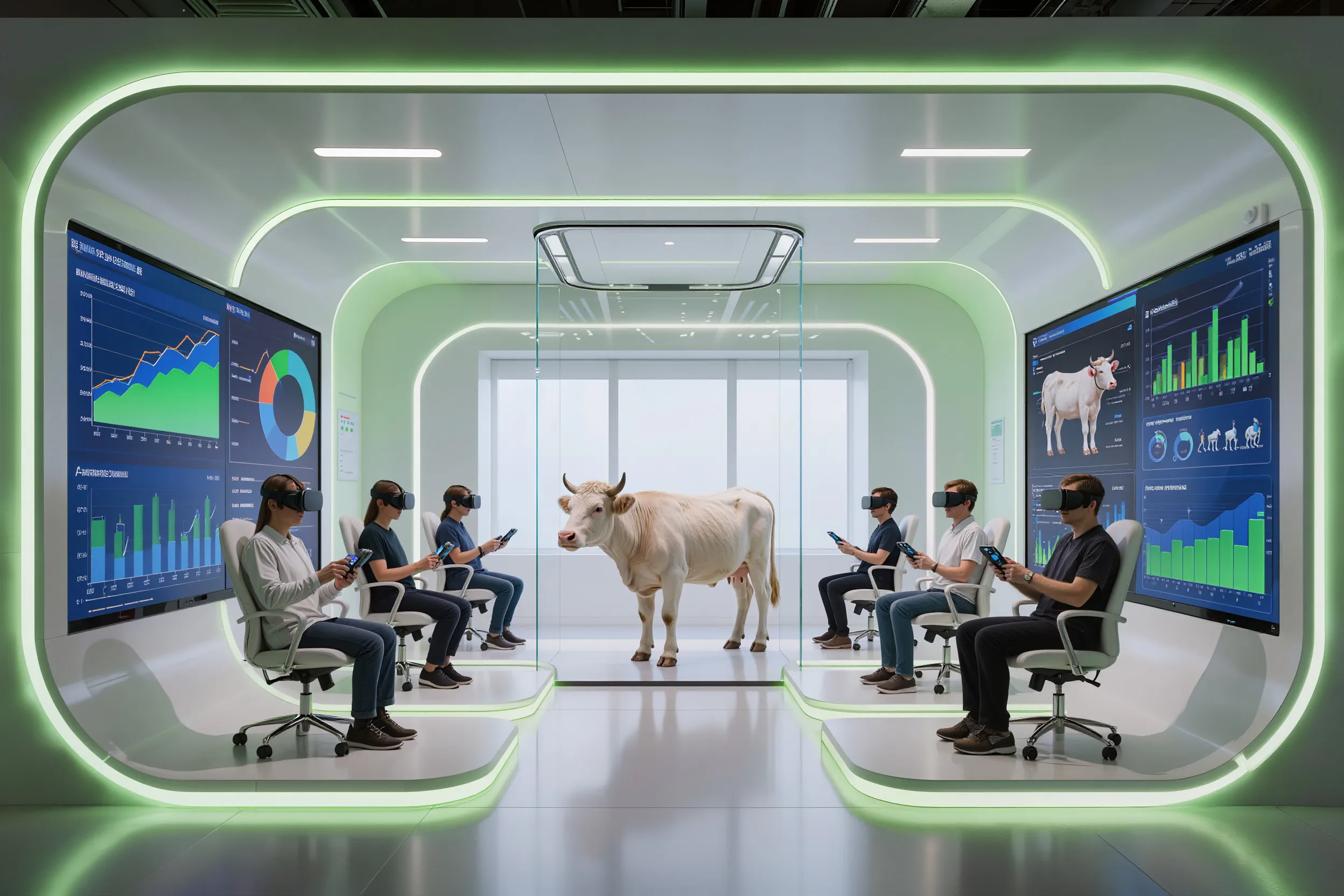
Training with the VR simulator allows users to acquire all essential skills in a controlled environment. Inside the simulator, a virtual cow fully reproduces real animal behavior – constantly moving, shifting body position, and adjusting limb placement. This closely mirrors real-world production conditions, where identifying correct measurement points can be extremely challenging. Such training helps, as agricultural professionals often say, to “train the hand” and develop muscle memory before entering an actual farm setting.


A key advantage of the simulator is safety. Trainees face no physical risk, while live animals avoid stress from interaction with inexperienced handlers. The system also supports repeated practice and detailed review of common mistakes.
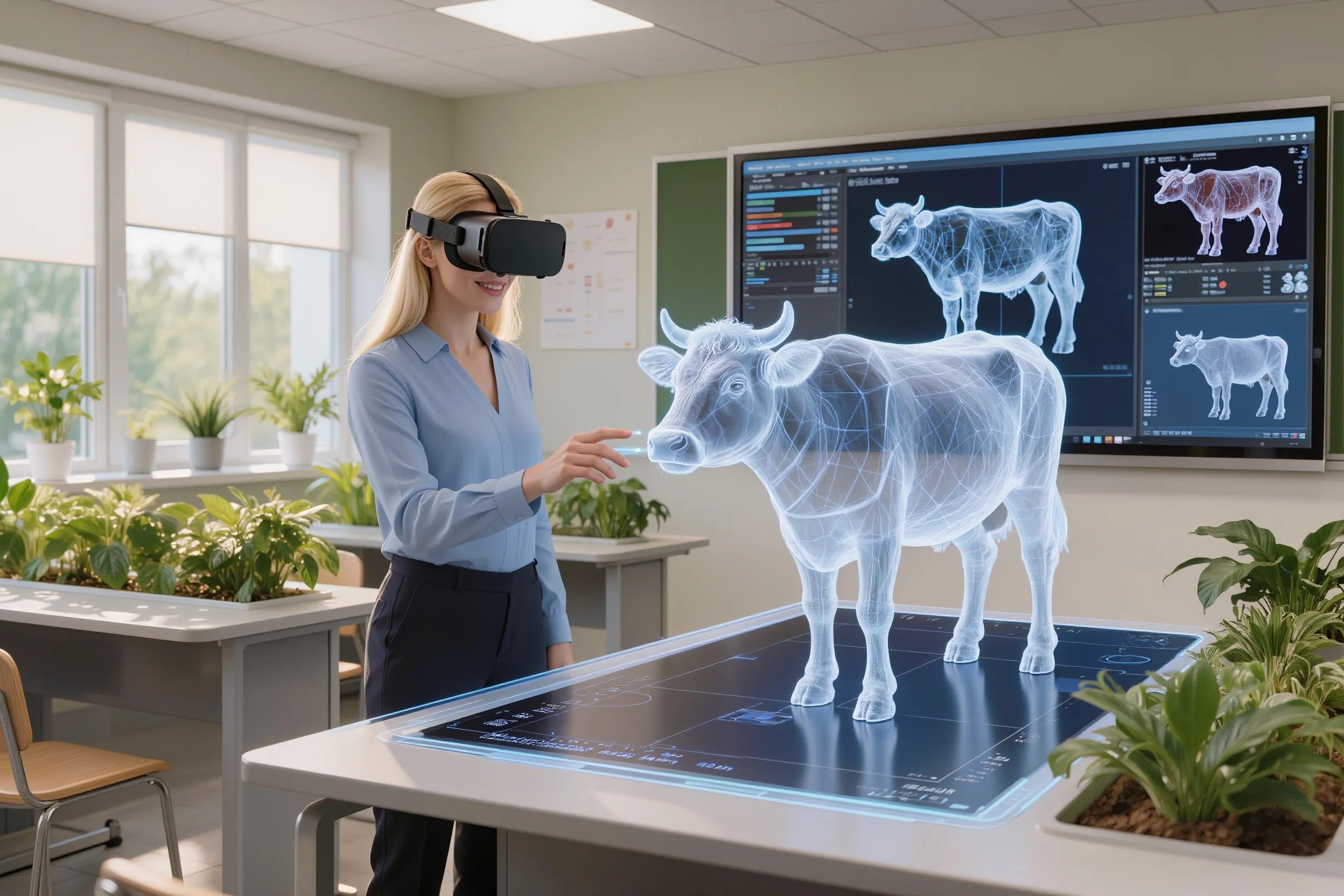
Another important advantage is that the simulator generates digital output. Based on 3D livestock models, it creates a synthetic dataset that includes parameterized conformation variants, annotated measurement points, and scenarios covering different poses, movements, and observation conditions. This dataset can later be used to train artificial intelligence models on synthetic examples. Over time, this opens the door to AI systems capable of automated conformation recognition, landmark detection, and expert-level decision support in breeding programs.
Toward Precision Livestock Farming
Further development of the project enables the creation of advanced AI models for livestock farming. The VR simulator will continue to evolve – training scenarios will expand, animal behavior models will become more realistic, and tools for assessing trainee performance will improve.
These developments are expected to raise the professional competencies of Russia’s agricultural workforce. In the longer term, the VR module could become a mandatory part of training at agricultural universities and colleges nationwide. This would not only improve workforce quality but also accelerate the digital transformation of Russian agriculture. Specialists proficient in advanced technologies will be better positioned to deploy precision livestock farming systems at scale.
At the same time, the VR simulator has export potential. After adaptation for international agricultural universities – including multilingual interfaces and alignment with alternative evaluation standards – it could be marketed to countries investing in domestic livestock development. Eventually, it may be exported as part of broader Russian precision livestock farming solutions.