AI Flags Tuberculosis Before Symptoms Appear
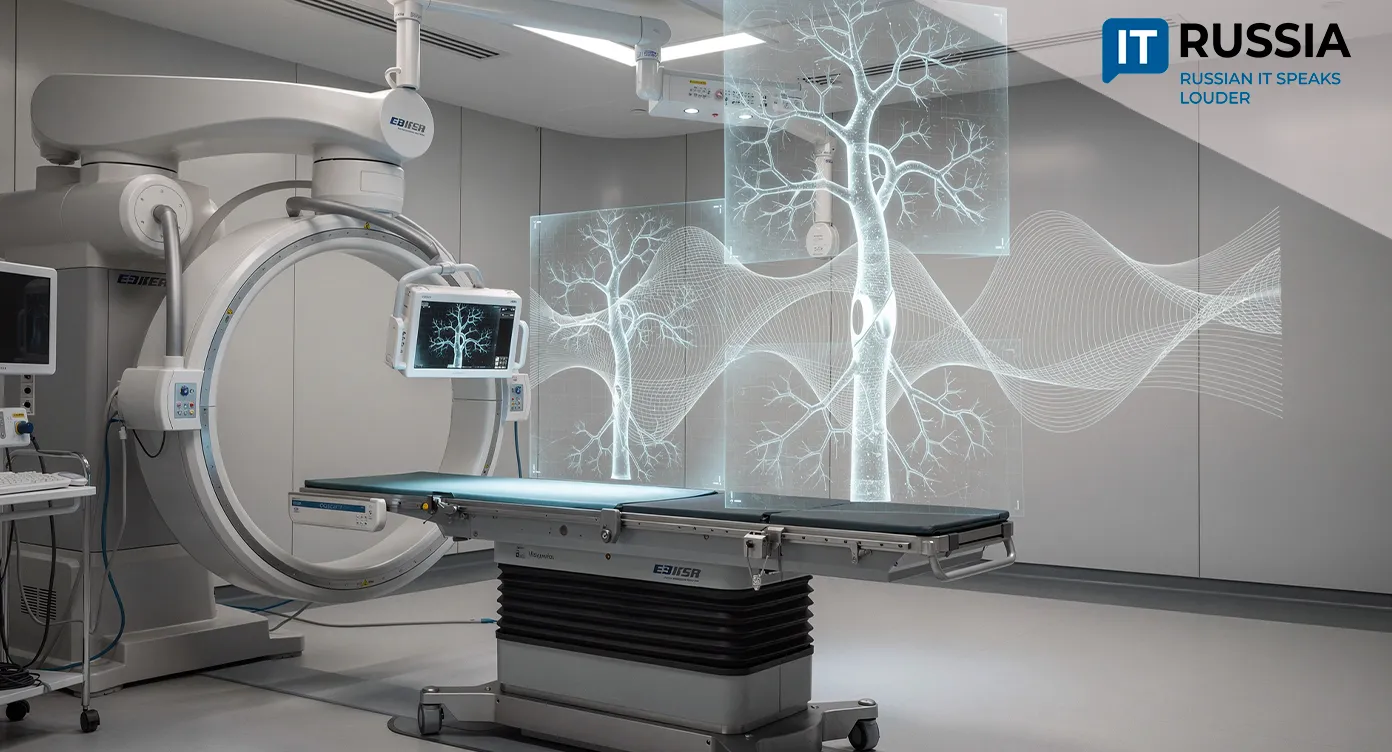
Since early 2026, Russia has rolled out an AI-powered system for early tuberculosis detection. It is connected to all digital fluorography units in the region, and every scan is automatically routed to a unified medical database where a neural network analyzes the image.
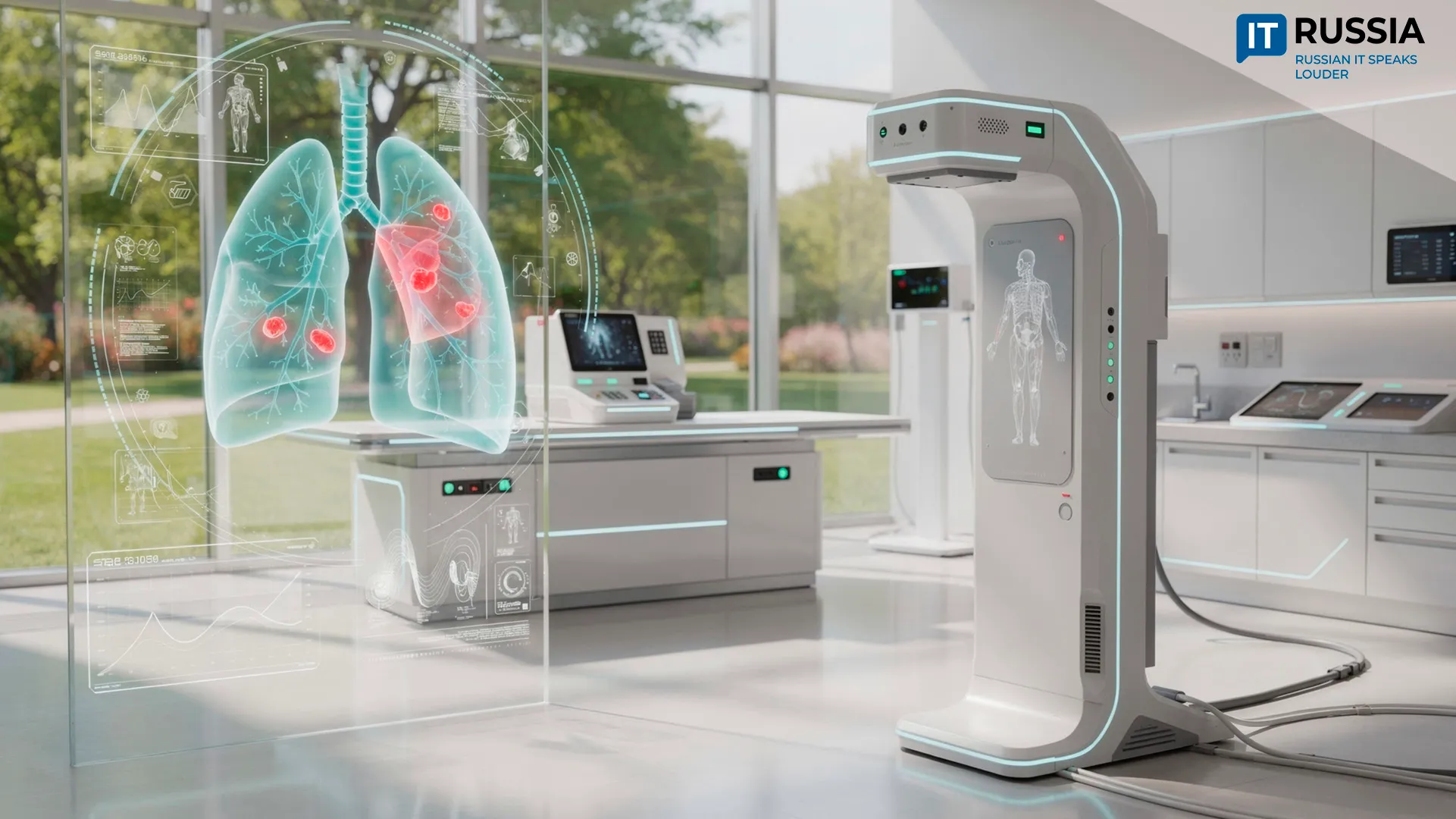
In Krasnoyarsk Krai, clinicians are using AI to identify tuberculosis at early stages. The workflow is straightforward. After imaging, software reviews each scan, highlights suspicious areas, and forwards them to radiologists at the regional tuberculosis dispensary. Medical care professionals review flagged cases within one day and decide whether additional testing is required.
If a follow-up is needed, the patient receives a notification through Gosuslugi (public services portal), and a primary care physician contacts them by phone. Patients are not left to interpret ambiguous findings on their own.
In the first months of 2026, the system helped detect early-stage chest diseases in 23 patients. Tuberculosis was confirmed in one case, and treatment began without delay. Seven more patients were referred for additional diagnostics.
Early Detection Makes the Difference
At the beginning of the 20th century, tuberculosis was a major public health threat. It affected both the wealthy, who sought treatment abroad, and those with limited means who lacked access even to basic nutrition. The disease cut across social boundaries.
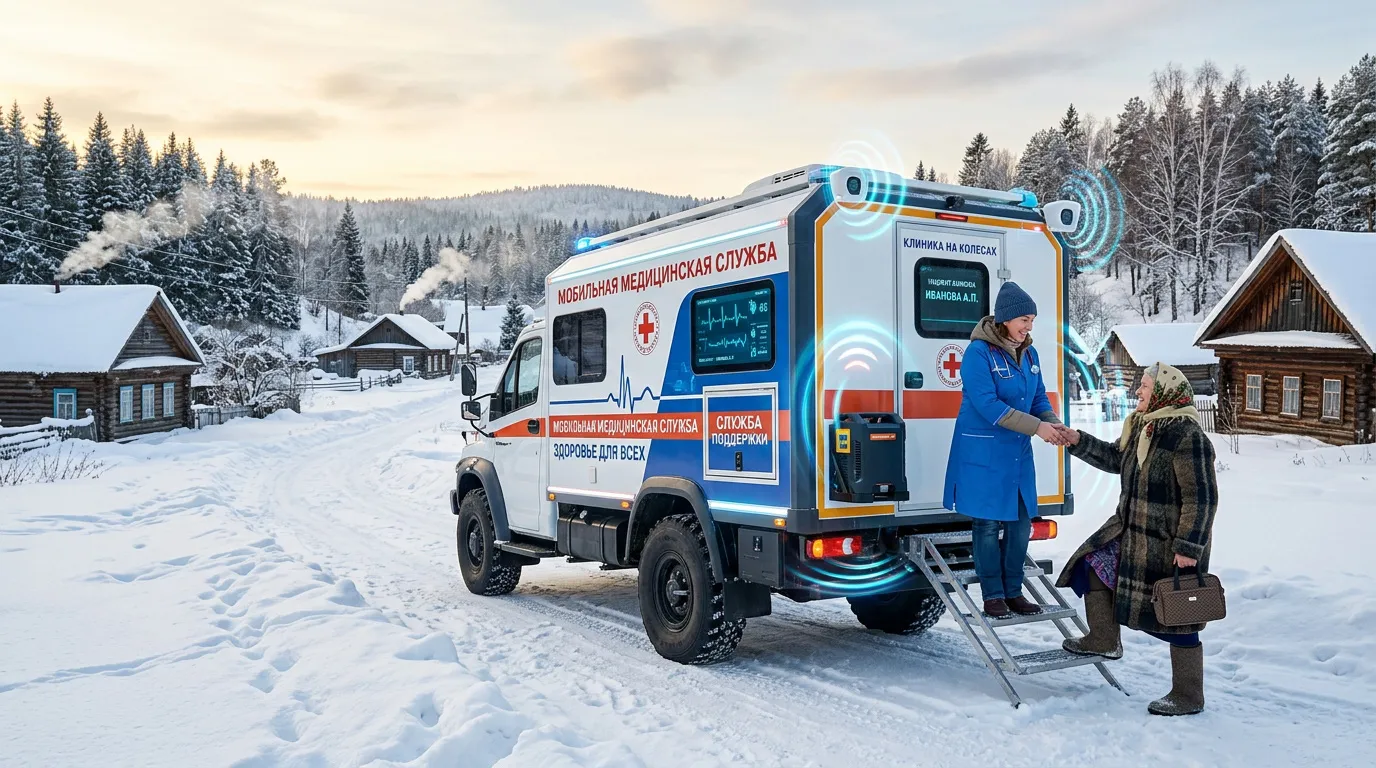
Today, the situation has changed. For tuberculosis to become life-threatening, it typically requires prolonged neglect - skipping screenings, avoiding fluorography exams, and not seeking treatment. In most cases, early detection determines the outcome.
If a lesion is found at an early stage, when it is as small as a match head, modern therapies can fully cure the patient without lasting lung damage. This is why diagnostic speed and accuracy are critical in controlling Mycobacterium tuberculosis.
However, the risk has not disappeared. Urban density, environmental factors, and stress continue to influence exposure. Tuberculosis remains a socially driven disease and requires a coordinated, system-level response.
Better Outcomes for Patients
The key shift is time. The interval between imaging and clinical response has dropped from days to minutes. This is particularly important in regions with high workloads for specialists. Patients no longer need to track imaging results themselves or worry about delays. The system flags potential issues automatically and initiates the appropriate clinical workflow.
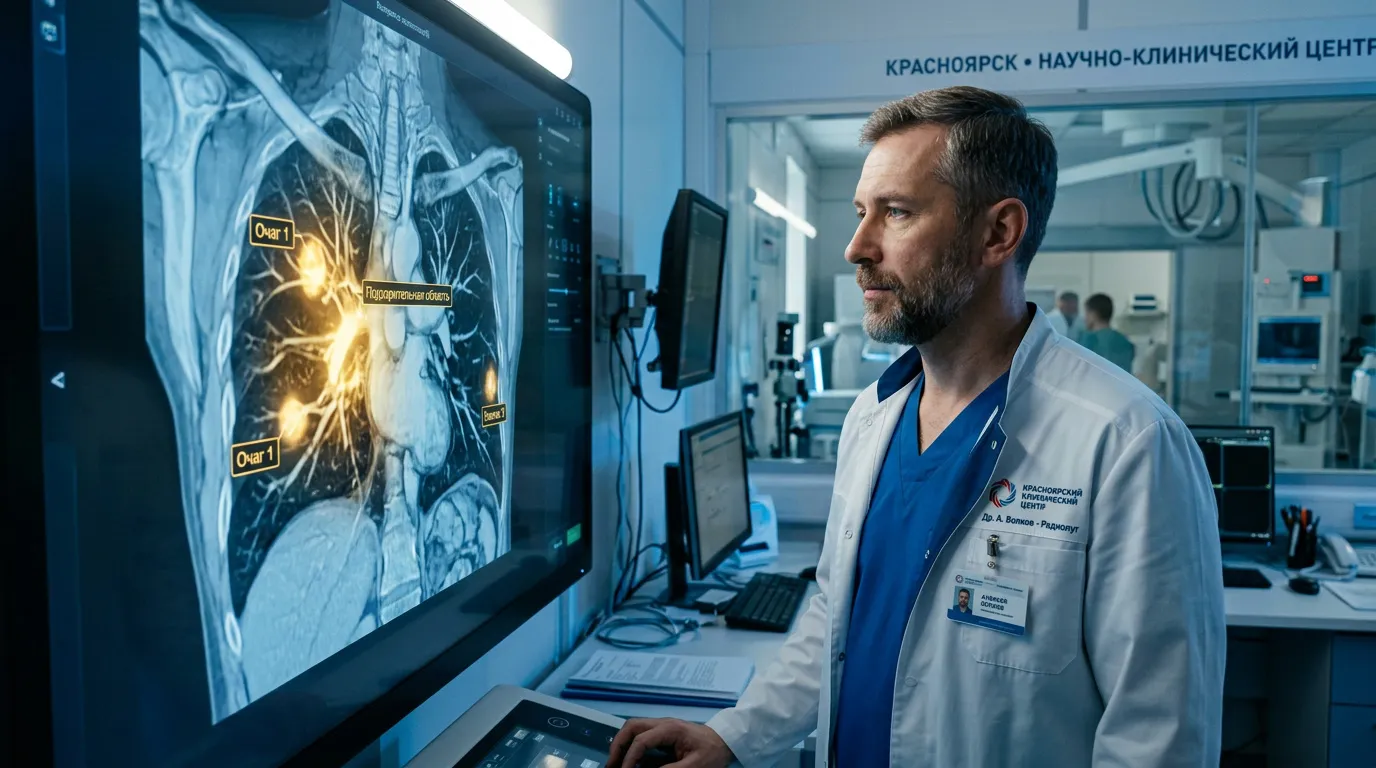
The risk of human error is also reduced. The neural network maintains consistent performance, analyzes every scan against defined criteria, and helps clinicians detect subtle changes that might otherwise be missed.
In effect, patients receive answers faster - either confirmation that they are healthy or an early diagnosis. When treatment is required, it begins sooner.
How It Supports Clinicians
For clinicians, the system functions as a high-value triage tool. It performs the initial review of large volumes of imaging data and prioritizes cases that require attention. This is especially relevant for tuberculosis, where early signs can be barely visible. The software effectively acts as a second set of eyes, reducing workload and allowing physicians to focus on complex cases.
The system also identifies where the scan was performed and links it to the patient’s assigned clinic. This improves coordination across facilities and accelerates patient routing.
Implications for Russia and Beyond
Krasnoyarsk Krai is the first region in Russia to deploy AI-based tuberculosis detection at scale rather than as isolated pilots. This enables a more effective model for preventing socially significant diseases. When technology operates across an entire region, it delivers measurable impact.

Such solutions could be scaled with ease. Once integrated into a regional network, the system can be adapted to other regions and disease areas. It also opens pathways for telemedicine development and for training neural networks on large datasets.
Future Outlook and Export Potential
The approach offers a model for other countries on how to combine healthcare infrastructure with digital tools. Tuberculosis remains a challenge globally, particularly in regions facing shortages of medical specialists. AI-assisted diagnostics can help bridge that gap.
Ultimately, the most important outcome is the patient experience. Tuberculosis has long been portrayed in literature, but in real life it is anything but romantic. Today, early detection can change the trajectory of the disease. Treatment becomes more manageable, and the chances of recovery increase significantly.