Smart Power at the Edge: Micro-IRES Redefines Industrial Energy Systems
Engineers at the NTI Center “Energinet” have introduced micro-intelligent distributed energy systems, or micro-IDES (micro-intelligent distributed energy systems), designed for large industrial sites. Rather than a single piece of equipment, the technology functions as an integrated digital organism that links the external grid, on-site generation, storage systems, and thermal circuits into a self-regulating ecosystem. The concept could reshape how factories, remote territories, and even entire regions approach energy supply, making it more flexible, autonomous, and economically predictable.
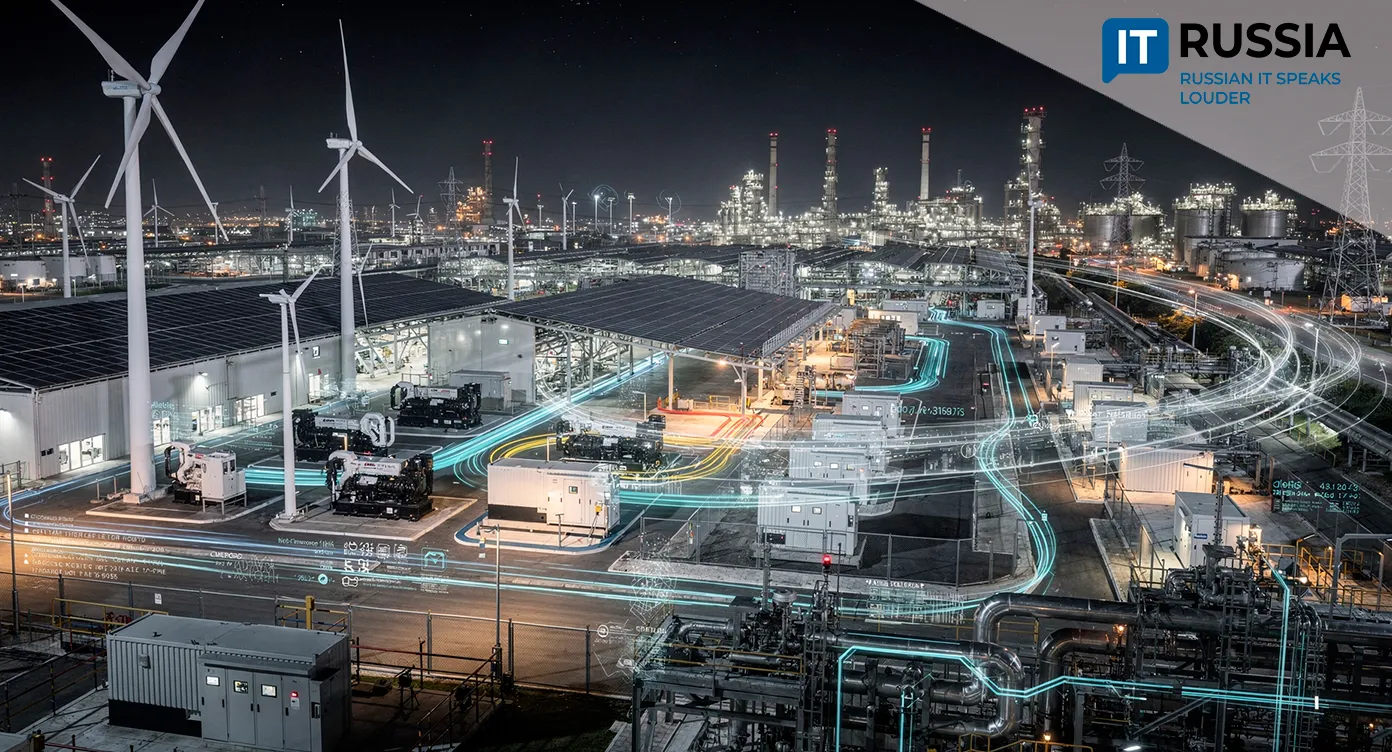
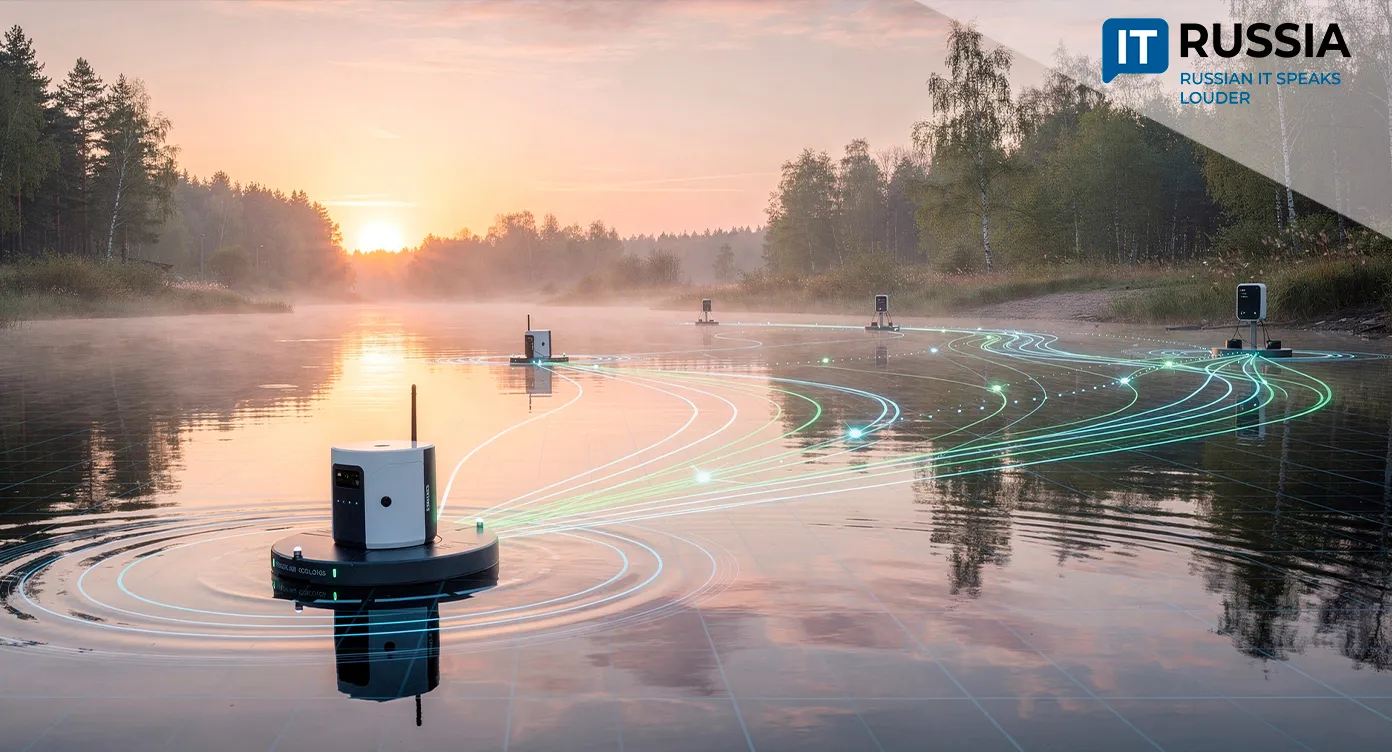
The core idea is both simple and elegant. Micro-IDES acts as a local dispatcher that continuously evaluates load, tariffs, and resource availability. In practice, micro-IDES dynamically switches between centralized power, gas or diesel generation, solar panels, wind turbines, hydrogen modules, and industrial-scale batteries. It stores energy during periods of low demand and releases it at peak times, allowing energy-intensive operations to shift to more cost-efficient windows.
Developers estimate that this approach can reduce enterprise energy costs by 10 – 50%, accelerate grid connection timelines by two to three times, and cut greenhouse gas emissions, potentially to net zero at the local level.
A New Frontier for Russian Industrial IT
Behind the physical infrastructure sits a complex hardware and software stack. Stable operation requires thousands of high-precision sensors, predictive analytics, digital dispatch platforms, and seamless integration with enterprise systems such as ASU TP (automated process control systems), ERP, and MES. That, in turn, is driving demand for industrial IT solutions, including digital twins of energy networks, AI-based load forecasting, industrial internet of things platforms, and specialized cybersecurity tools.
For Russian software developers and system integrators, micro-IDES represents both a strategic challenge and a rare opportunity. It opens the possibility of occupying a leading position in managing critical infrastructure, demonstrating that domestic algorithms can operate independently of foreign platforms.

From Arctic Use Cases to Export Potential
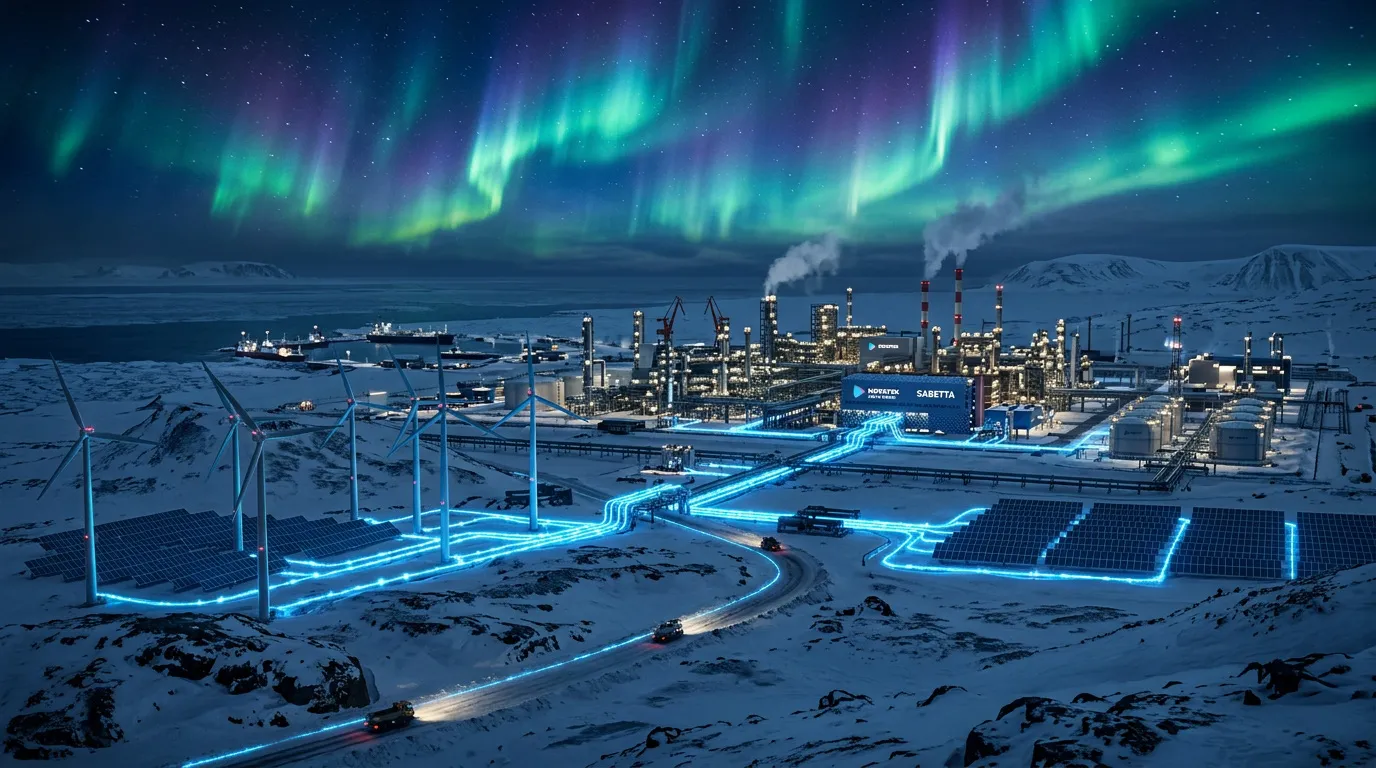
The domestic market is emerging as a primary testbed. Russia’s geography includes vast distances and decentralized energy zones covering nearly 65% of its territory. In isolated regions, Arctic and Far Eastern industrial sites, single-industry towns, and logistics hubs, electricity costs are typically high, while supply reliability remains a persistent concern.
Micro-IDES enables autonomous hybrid systems that balance conventional generation, renewables, and storage. Its export potential is also significant. Countries across the Asia-Pacific, the Middle East, Africa, and Central Asia face similar challenges in managing distributed or islanded energy systems. In late 2025, Energinet presented a geothermal micro-IDES concept for Kamchatka that could reduce tariffs by 1.5 to 2 times.
Barriers to Scaling
Despite its promise, the path from pilot projects to large-scale deployment is complex. Economics remain the primary constraint. Equipment costs are still high, and payback periods may extend over several years. Scaling adoption will require standardized project designs, preferential financing, and, critically, regulatory changes in retail electricity markets.
Integration with legacy industrial infrastructure presents another challenge, as does ensuring robust cybersecurity. The reliability of domestic components, including industrial controllers and energy storage systems, is also a key factor. According to the International Energy Agency, global demand for demand-side management technologies is set to grow rapidly, but commercial success depends on well-developed service models and transparent methods for calculating economic impact.

From Centralized Grids to Adaptive Systems
Micro-IDES signals a shift away from rigid, centralized energy systems toward flexible, digital, and localized architectures. Over the next two to three years, the technology will be tested in pilot deployments across industrial and remote sites. Widespread adoption will depend on three conditions: proven economic viability, government support, and a mature domestic technology supply chain.
If these elements align, Russia could gain a powerful tool for technological sovereignty, one capable of making its industrial sector cleaner, more reliable, and more economically resilient in a changing global environment.