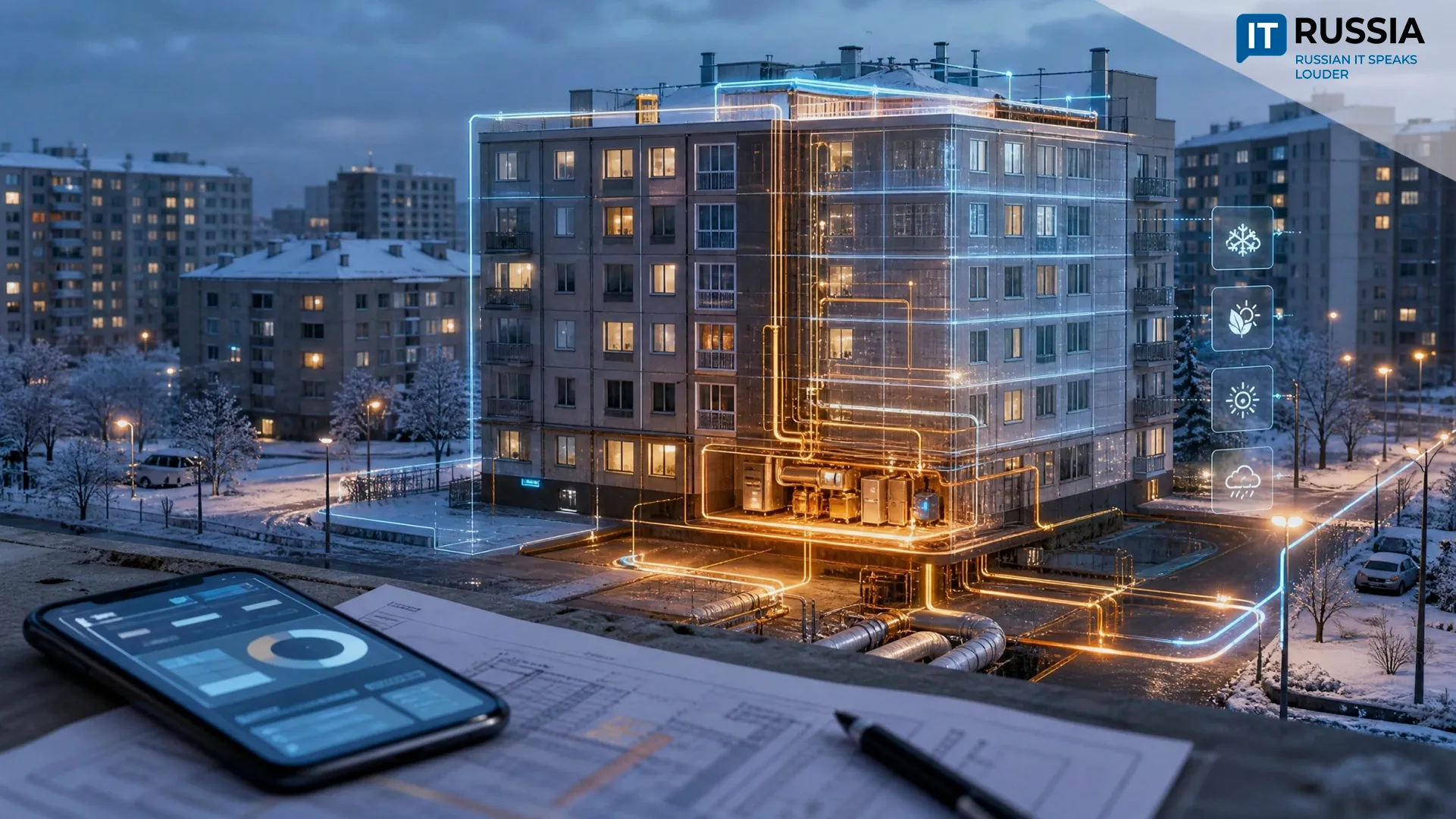
Algorithms Matter More Than Generators: A Chelyabinsk Research Project Is Redefining Power Reliability
A software platform for managing hybrid energy systems has been developed by researchers at South Ural State University, or SUSU. The system can control multiple power sources simultaneously, optimizing their operation and improving the reliability of electricity supply for critical infrastructure.
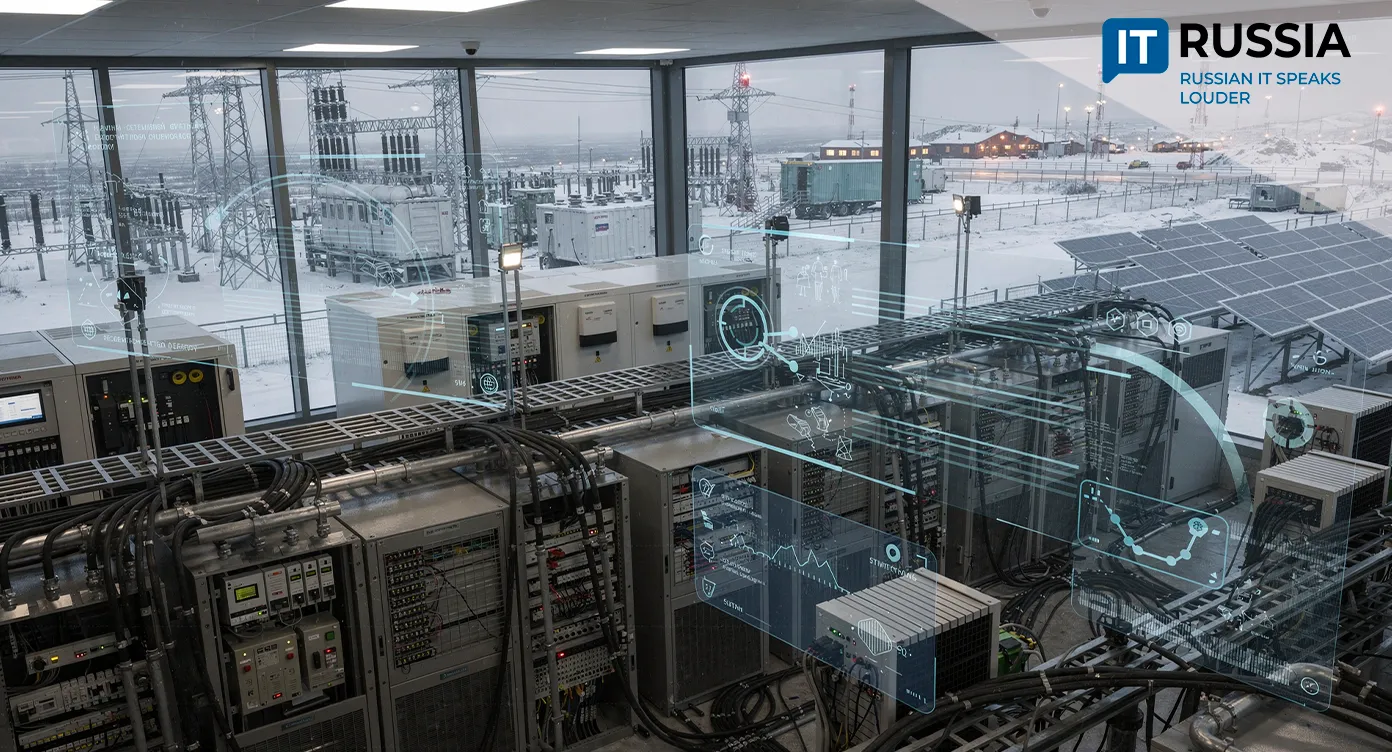
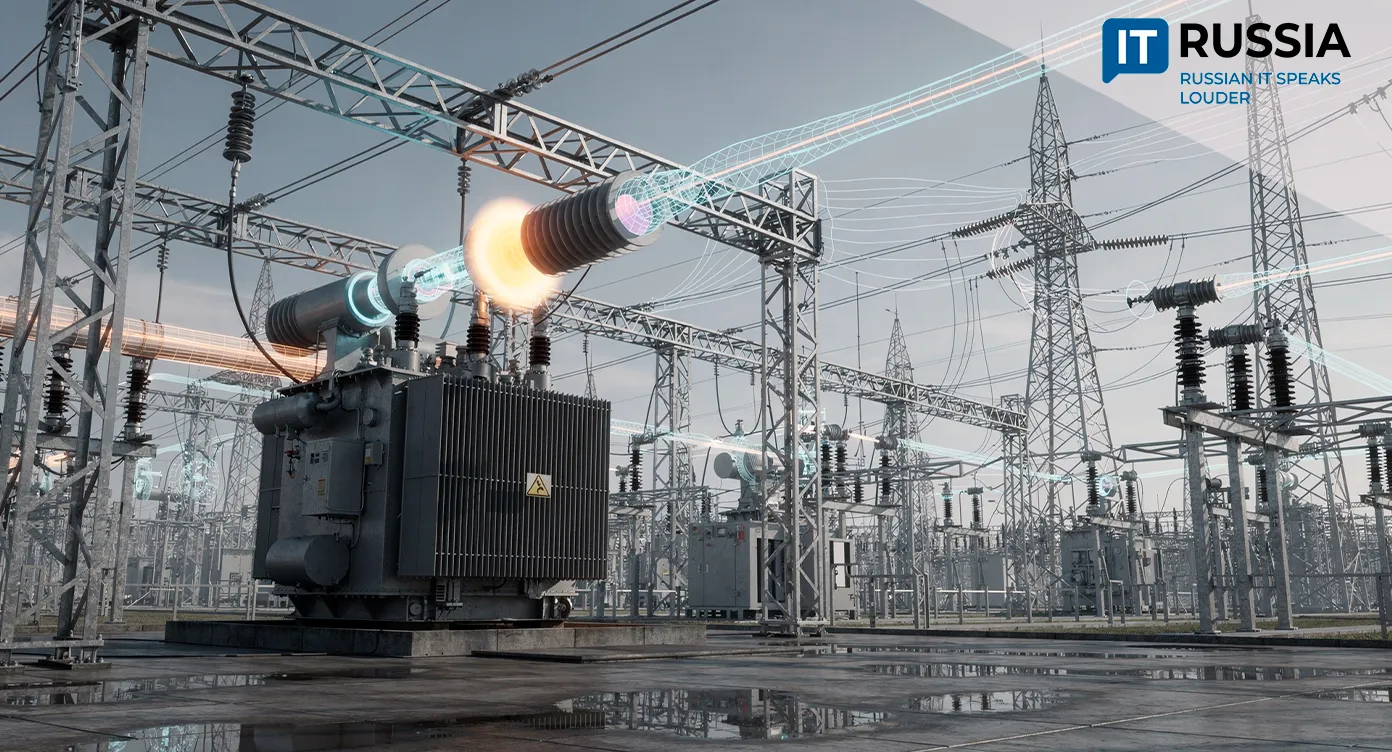
The system is designed for facilities powered by several energy sources at once, including the external power grid, solar panels, diesel generators and UPS systems. Such architectures are commonly used at airports, telecommunications hubs and hospitals, as well as at larger facilities in remote and isolated territories.
In systems of this kind, operators typically face difficulties linked to the unstable output of renewable energy sources. Reliable power delivery must be maintained while compensating for peak loads or, conversely, activating additional generation capacity when needed. In many cases, these sources are not integrated into a unified network, which means that traditional setups can experience delays when switching between power sources during failures.
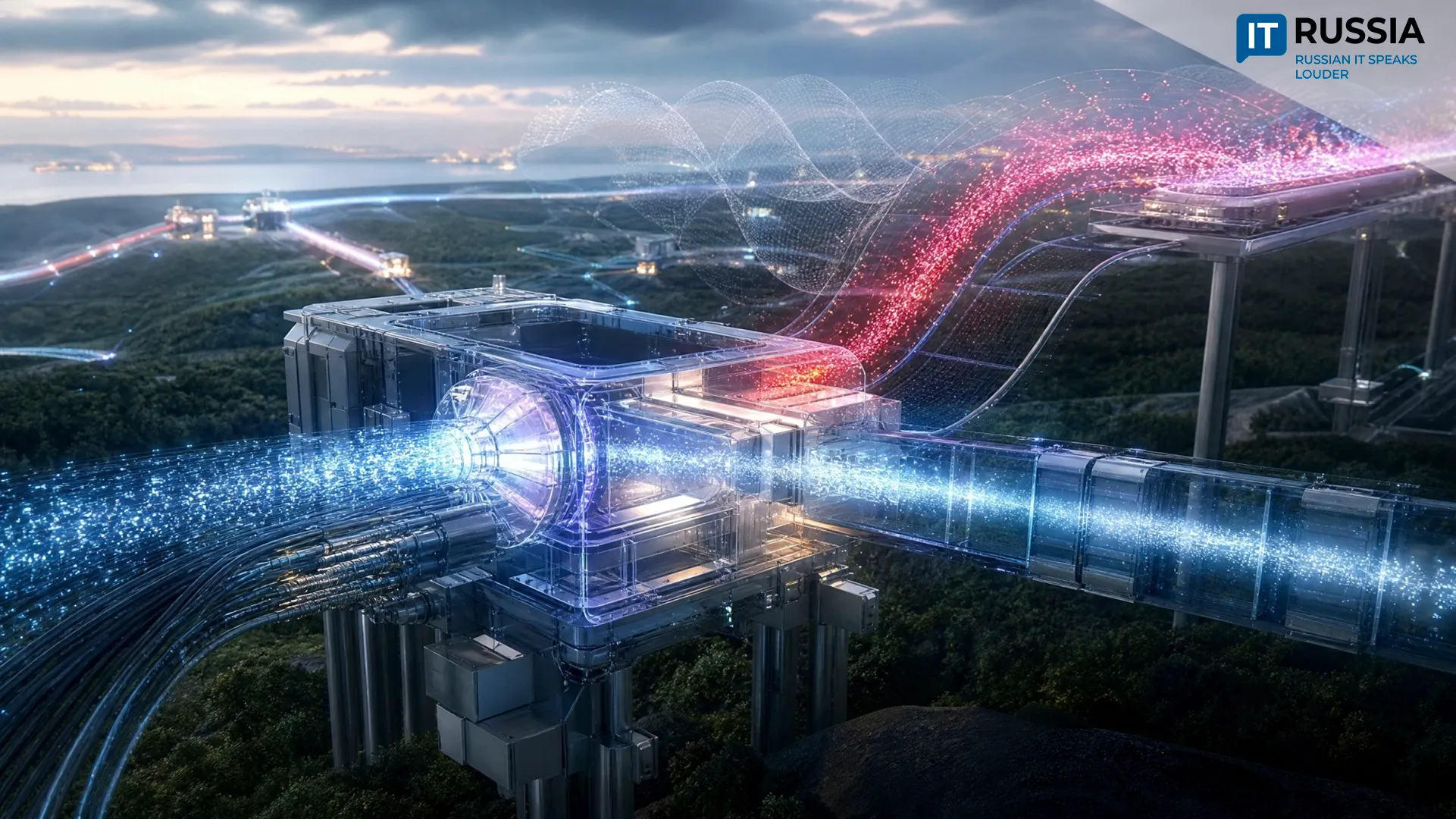
The solution developed in Chelyabinsk makes it possible to integrate multiple energy sources into a single network. At the same time, the software suite continuously analyzes the condition of each source and models potentially critical outage scenarios. As a result, switching from one power source to another, or activating diesel generators, can take place almost in real time when required.
Deploying the system could improve the reliability of power supply for critical infrastructure and socially important facilities.
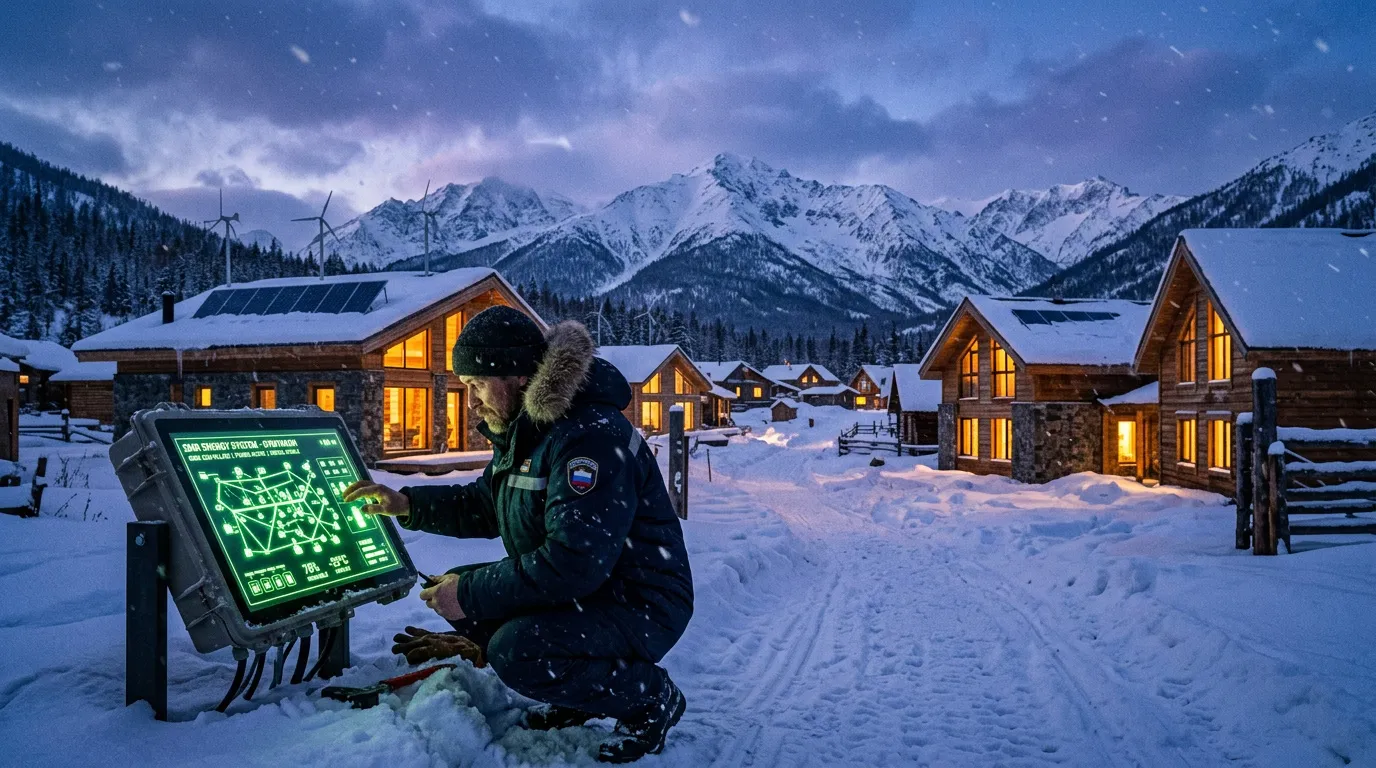
Growing Demand for Flexible Energy Management, From Arctic Settlements to Industrial Sites
The Chelyabinsk software suite has strong prospects on the domestic market. The technology is designed for deployment within industrial microgrid management platforms where multiple energy sources operate simultaneously.
Russia is also rapidly expanding production of autonomous hybrid power systems. One of the country’s largest manufacturers in this segment is Hevel, a joint venture backed by Renova Group and Rusnano. That creates potential for the Chelyabinsk-developed platform to be integrated into Hevel’s energy stations, both as part of larger power systems and in standalone deployments for remote settlements and isolated industrial facilities.
If the software suite proves effective under Russia’s demanding operating conditions, it could also find applications in international markets where hybrid power systems are being deployed.
Five Years of Hybrid Energy Development
Russia’s hybrid energy sector has been developing rapidly, making the SUSU project closely aligned with current industry demand.
In 2021, researchers at Yugra State University worked on control systems for solar panels operating in harsh climatic environments.
In 2022, SUSU specialists conducted research into digital control and power-dispatch architectures for hybrid energy complexes. That same year, RusHydro commissioned four automated hybrid energy systems in Yakutia. Those facilities combined solar panels, battery storage and diesel generators to provide electricity to isolated territories.
In 2023, authorities announced plans to build 72 hybrid energy complexes in Yakutia and seven more in Kamchatka.

The Future Belongs to Software-Defined Energy
The SUSU project demonstrates that power reliability can be strengthened not only through additional generators and battery capacity. Algorithms capable of managing complex systems can significantly improve resilience and maintain uninterrupted power supply.
The next stage for the Chelyabinsk research team will involve testing the software module in pilot projects at industrial and social infrastructure facilities. Once its effectiveness is confirmed, the platform could become the foundation for a Russian-developed hybrid energy management system independent of imported software solutions.