Citizen Sensors Come to Ryazan as Residents Begin Tracking Air Quality Themselves
Ryazan, one of Russia’s most polluted cities, is adding a new layer to its environmental monitoring system. Alongside official stationary monitoring posts, residents can now track exactly what is in the air in their own neighborhoods using a publicly accessible sensor network.
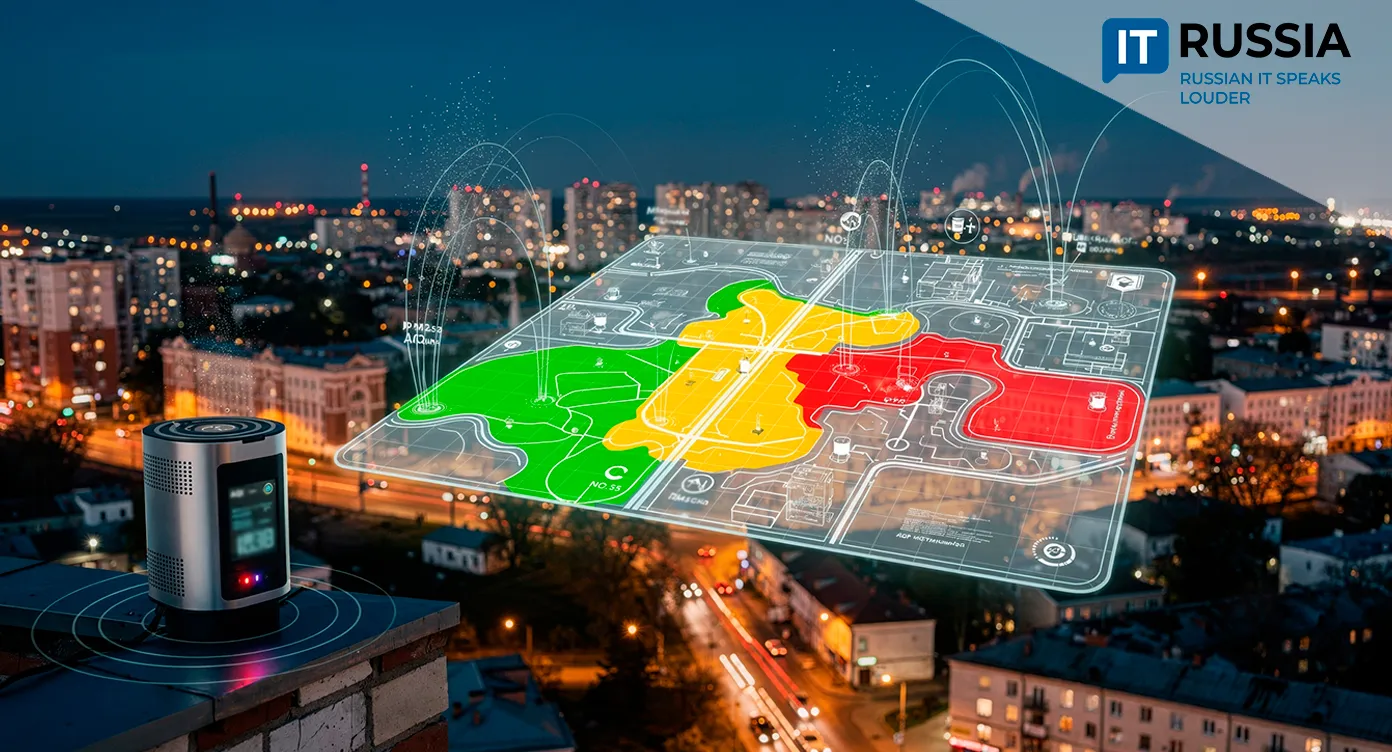
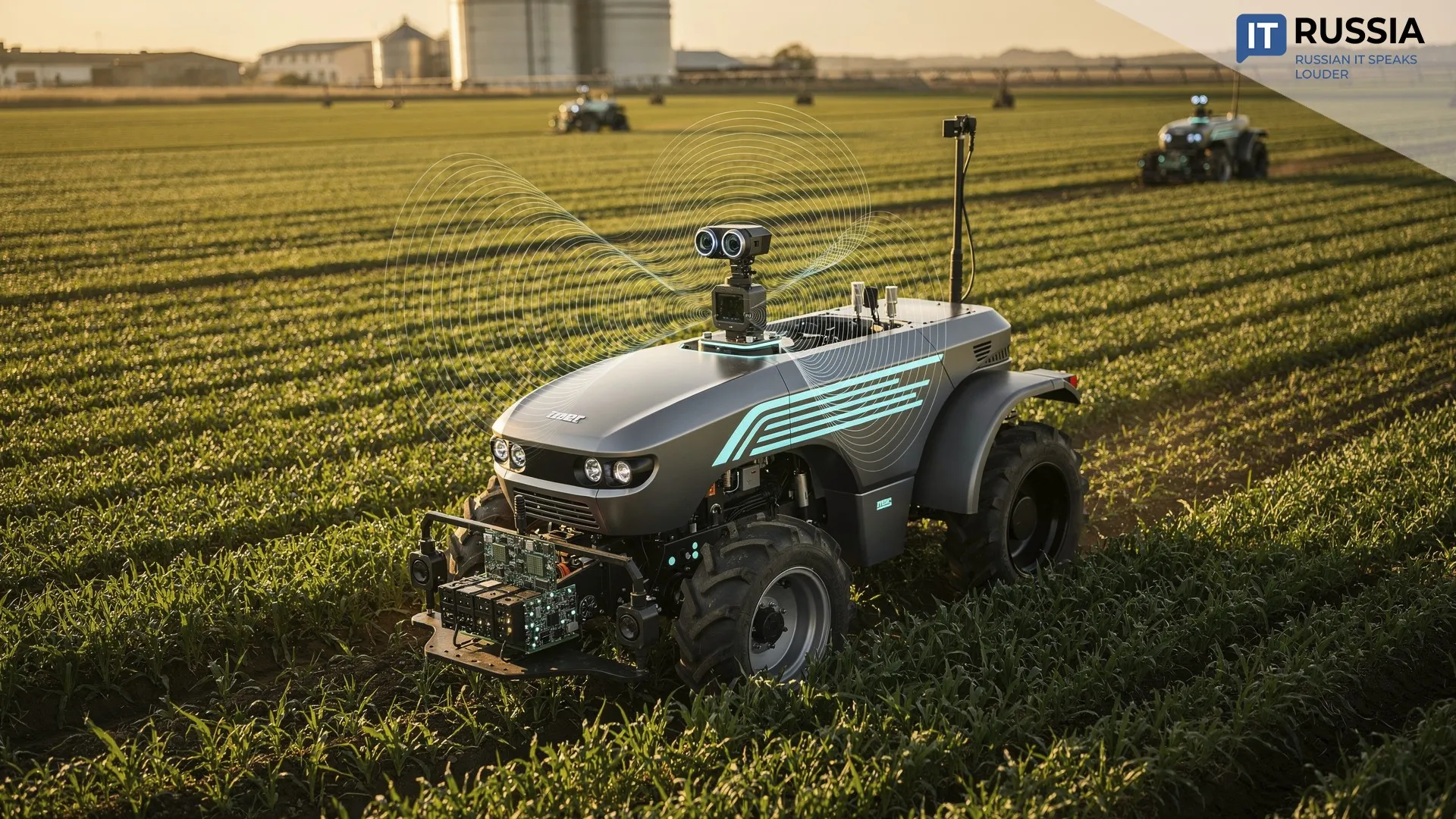
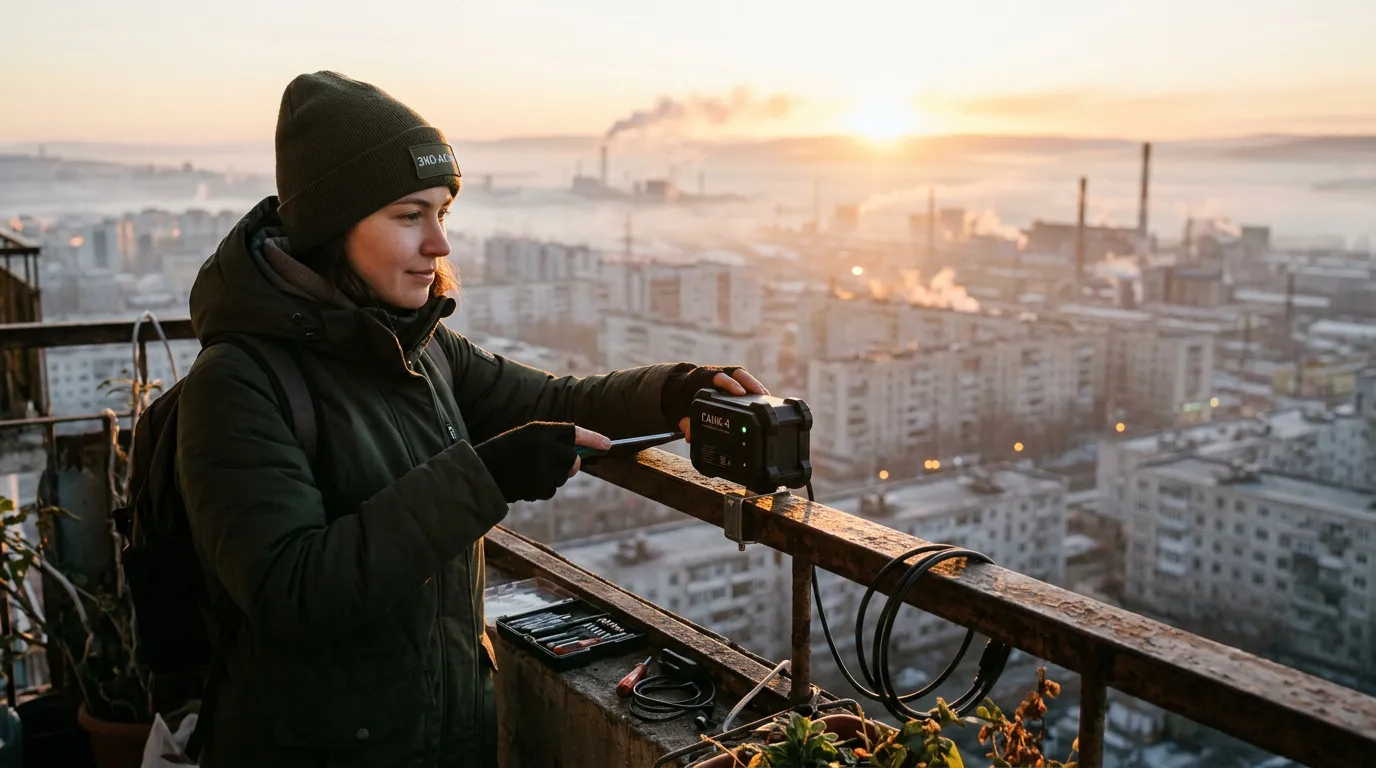
The project was launched by the civic organization Ekologichesky Ryazansky Alyans (Environmental Ryazan Alliance). Its website, Ekomonitor 62, publishes real-time air quality data collected from a Russian-made GANK-4M gas analyzer. The sensor can detect more than 260 substances, ranging from hydrogen sulfide to formaldehyde. Online summaries, historical archives and daily charts are all available in one open-access platform for Ryazan residents.
An Additional Layer of Environmental Oversight
Instead of judging air quality “by smell and physical discomfort,” residents can now rely on measurable data from a public monitoring service. When pollution levels worsen, citizens can use those readings when filing complaints with regulators or contacting the media. Relevant agencies also gain an additional early-warning signal: if sensor readings repeatedly align with spikes in public complaints, industrial sites or construction zones may require inspection. The sensor itself is expected to move between different districts of the city over time.
According to polling data from VTsIOM, Russia’s state-run public opinion research center, the country’s top environmental concerns are water quality, cited by 44% of respondents, waste management at 43% and air quality at 41%. In recent years, Russia has also seen the emergence of public environmental platforms such as AIRCMS.online and Dyshi.Moskva, along with ecology-focused messaging bots including Vozdukh 42.
Russia’s Growing Civic Air Monitoring Network
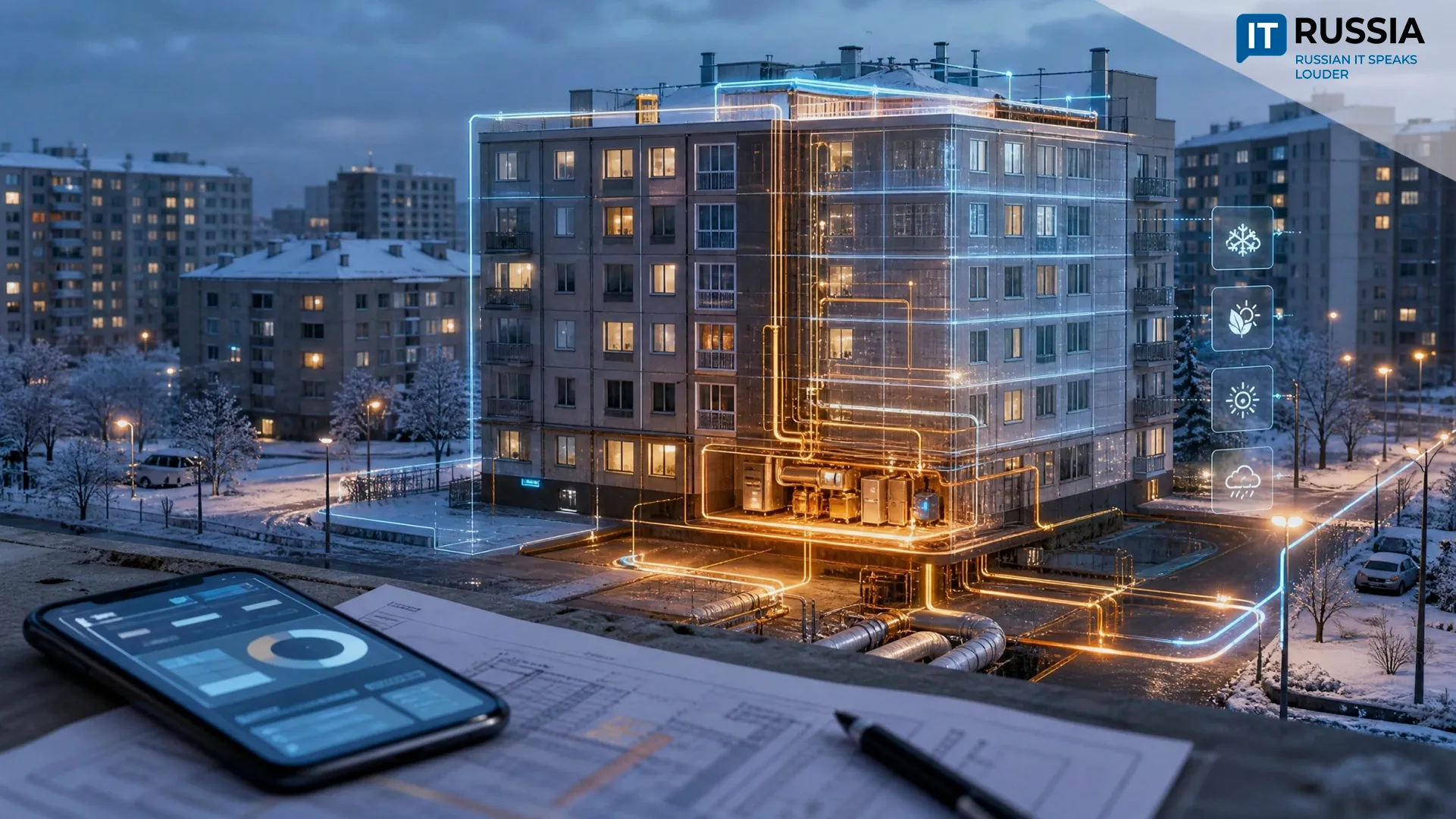
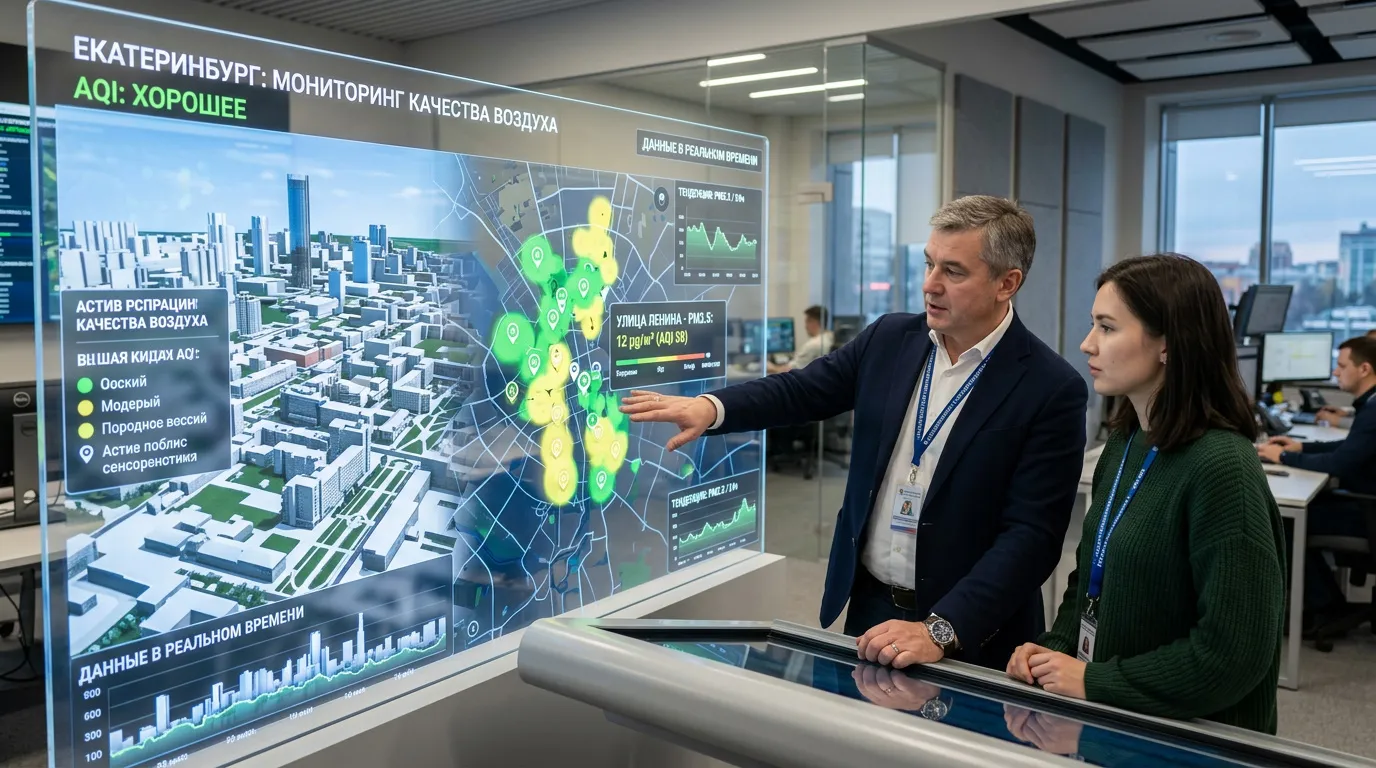
Its own “digital dispatcher” for environmental monitoring is now being launched in Kemerovo. The new system will combine data from major industrial enterprises, city services and meteorological agencies. Emissions data will flow into a unified database and be analyzed automatically. Residents are expected to gain faster and more objective insight into local air quality conditions. Demand for that kind of public environmental data has already been demonstrated by the independent monitoring platform airkemerovo.ru, which is currently operating in the city.
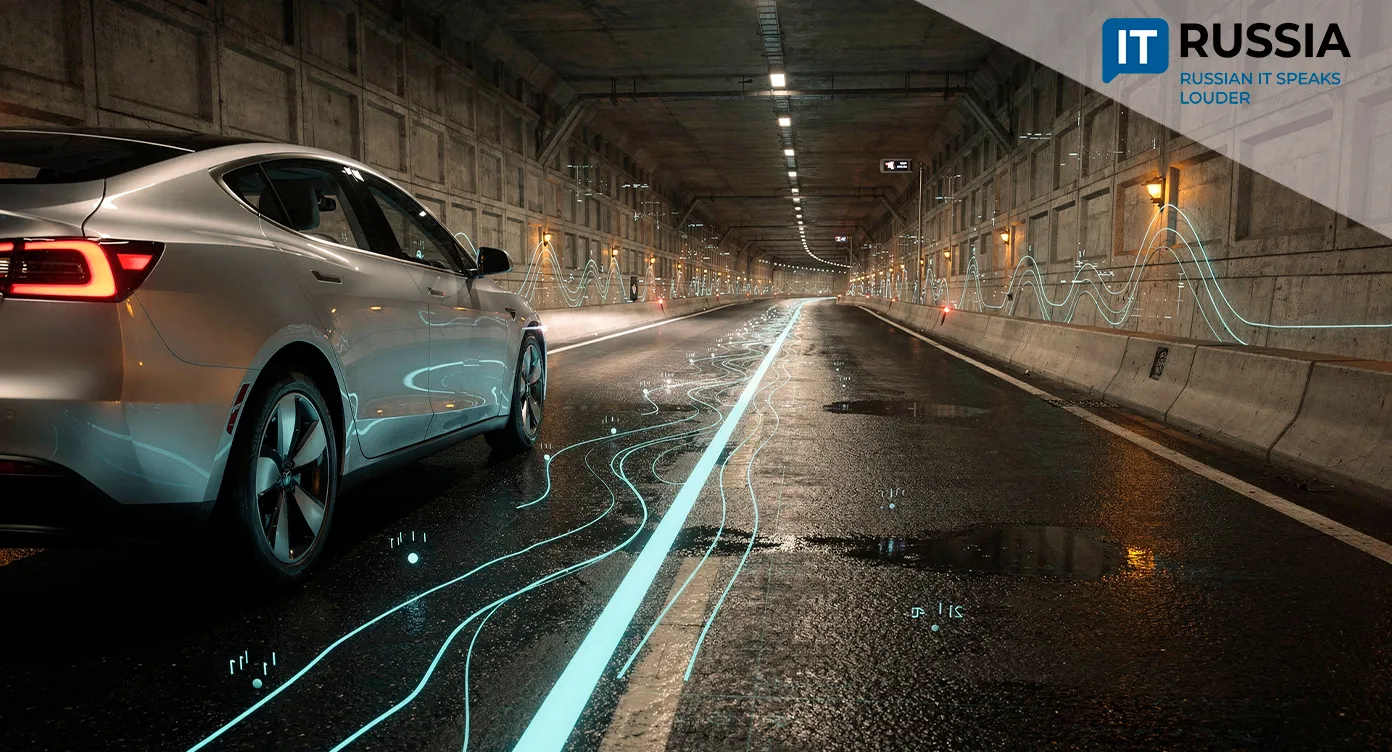
In Rostov-on-Don, authorities have installed cameras and sensors along major highways to collect data on vehicle emissions, traffic density, weather conditions and time of day. A neural network analyzes video streams in real time. Each section of the city map receives its own “air health” rating. The issue remains especially urgent there: as far back as 2009, road transport accounted for 94% of all emissions in the city.
Meanwhile, Krasnoyarsk Krai is expanding its network of automated atmospheric monitoring stations. The systems continuously measure concentrations of key pollutants while also recording meteorological conditions. All readings are updated every 20 minutes and published through open-access platforms. Similar but larger-scale systems have already demonstrated effectiveness in Moscow and St. Petersburg.
From Environmental Anxiety to Environmental Data
Unlike expensive industrial-scale systems, Ryazan’s citizen sensor represents an affordable technology for localized environmental oversight. Demand for comprehensive monitoring systems like these is also growing across CIS countries, Asia and Africa, where according to the World Health Organization, 99% of the global population breathes polluted air.
Over the next several years, similar projects are expected to spread to other industrial cities across Russia. Rather than operating as isolated sensors, the systems are likely to evolve into interconnected networks with open maps, public notifications and integration into the federal Chisty Vozdukh (Clean Air) program, which currently includes Krasnoyarsk, Lipetsk, Chelyabinsk and other cities.
Notably, four out of the 12 original cities participating in the federal Clean Air initiative have already reached their target indicators. In 2025 alone, nearly 190,000 atmospheric air studies were conducted across those 12 cities. Maximum permissible concentration limits were exceeded in 1,900 samples, representing less than 1% of the total observations collected. The project now includes 41 cities.
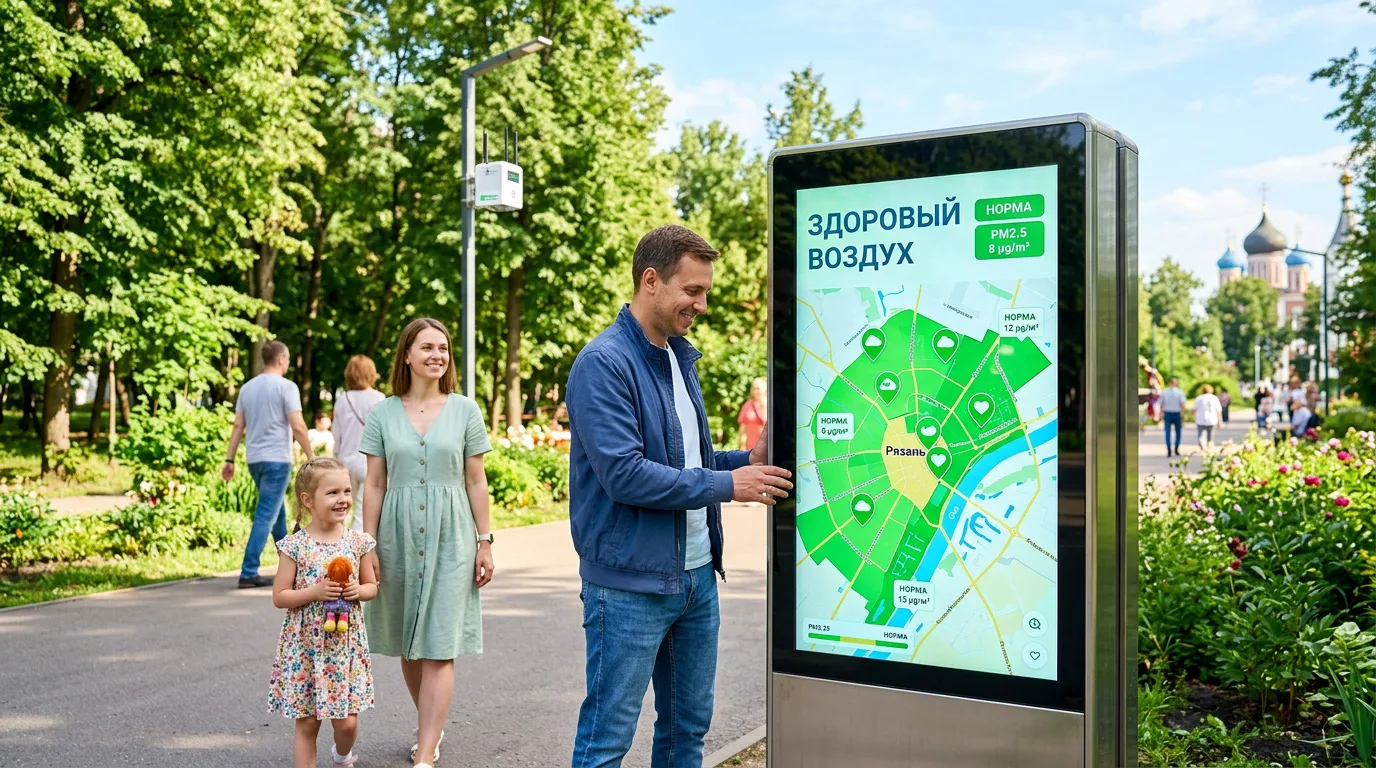
Citizens themselves are also becoming part of the monitoring ecosystem. Ryazan Oblast, where researchers estimate that nearly 70% of the urban population lives under conditions of high or very high air pollution, is gradually shifting from what could be called an “ecology of sensations” to an ecology built on measurable data. For Russia’s IT sector, the project also serves as a visible example of how Internet of Things technologies are moving into urban public services.