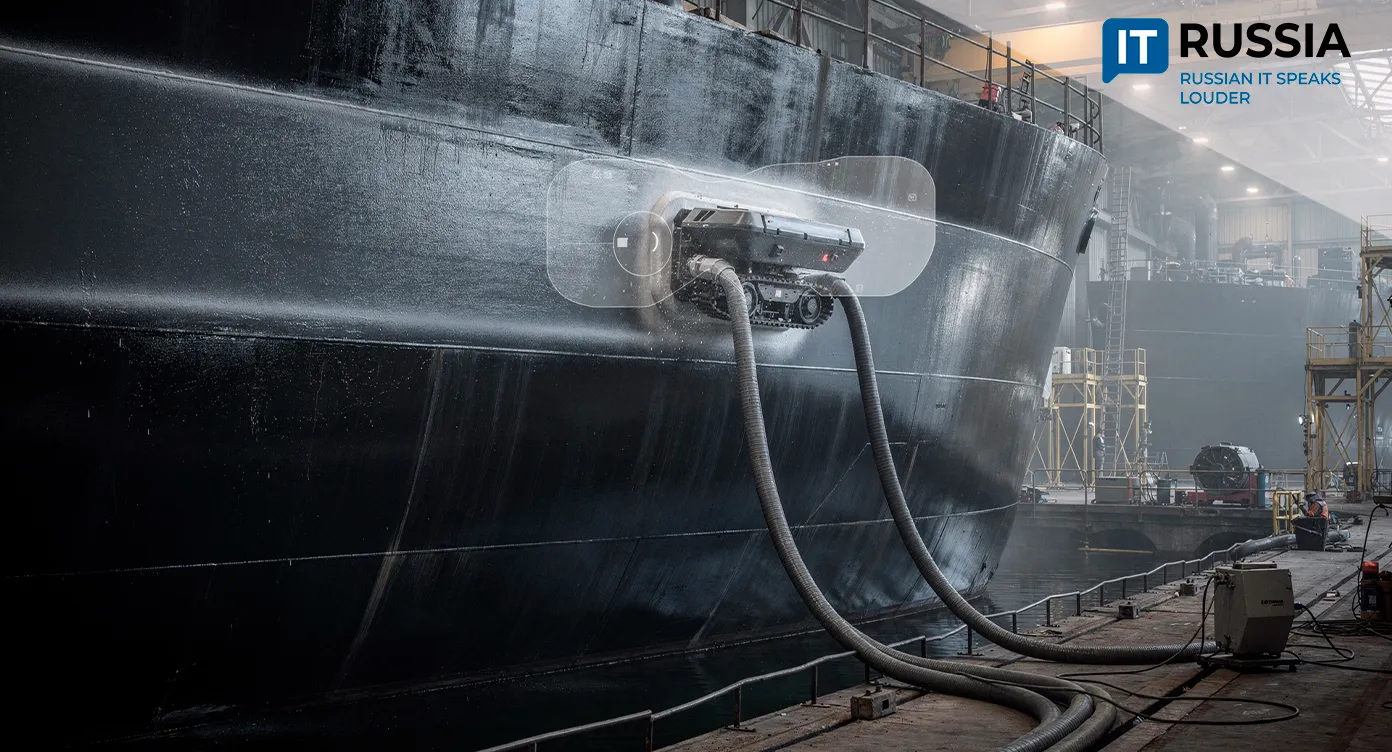
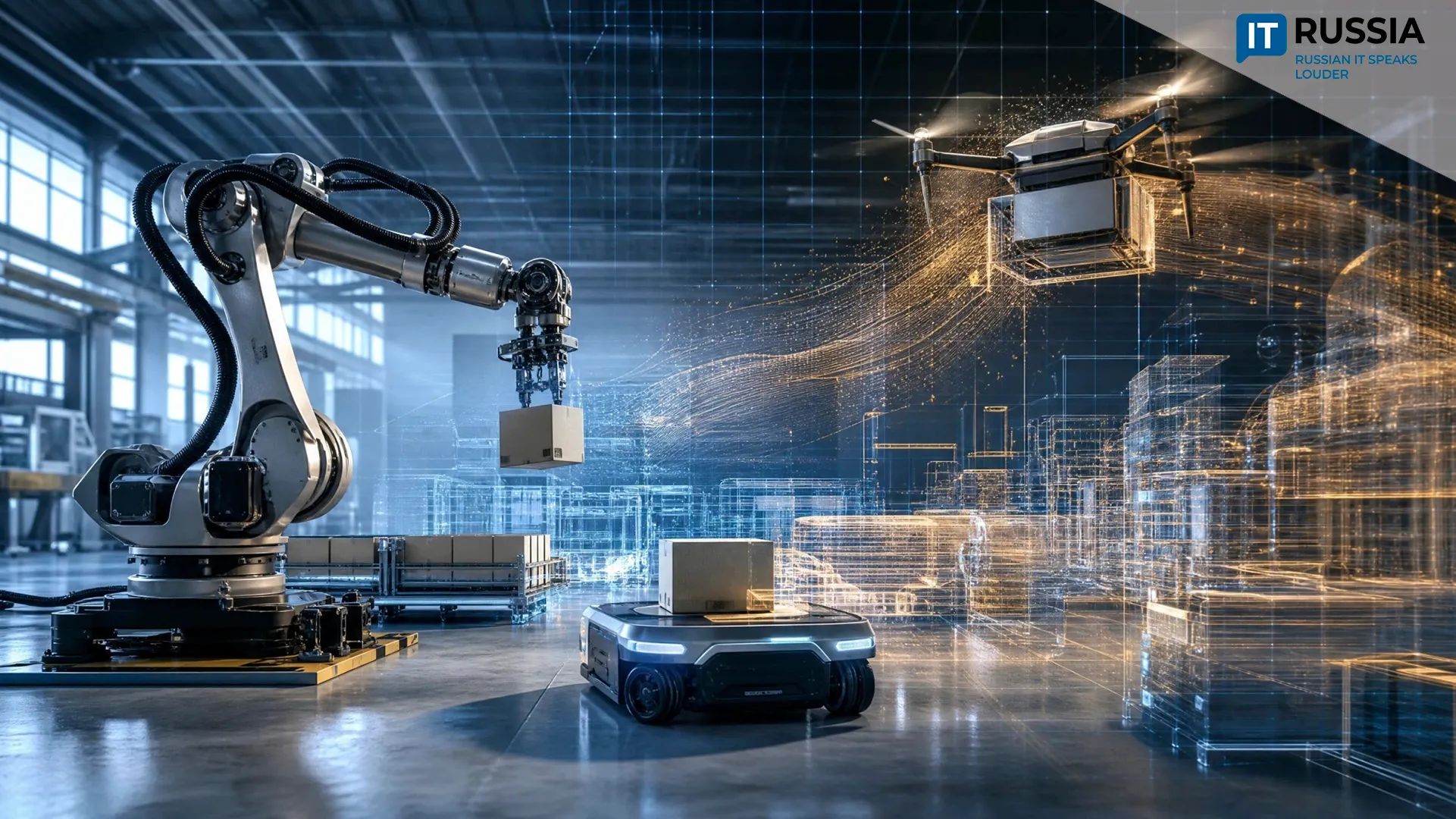
How AI Is Reshaping the Chemistry of the Future
Russian petrochemical company SIBUR has announced a large-scale research initiative aimed at integrating artificial intelligence into the development of catalysts and materials. The project applies machine learning and digital methods to speed up research, cut the number of physical experiments, optimize industrial processes, and create new materials with predefined properties.
From Test Tubes to Algorithms
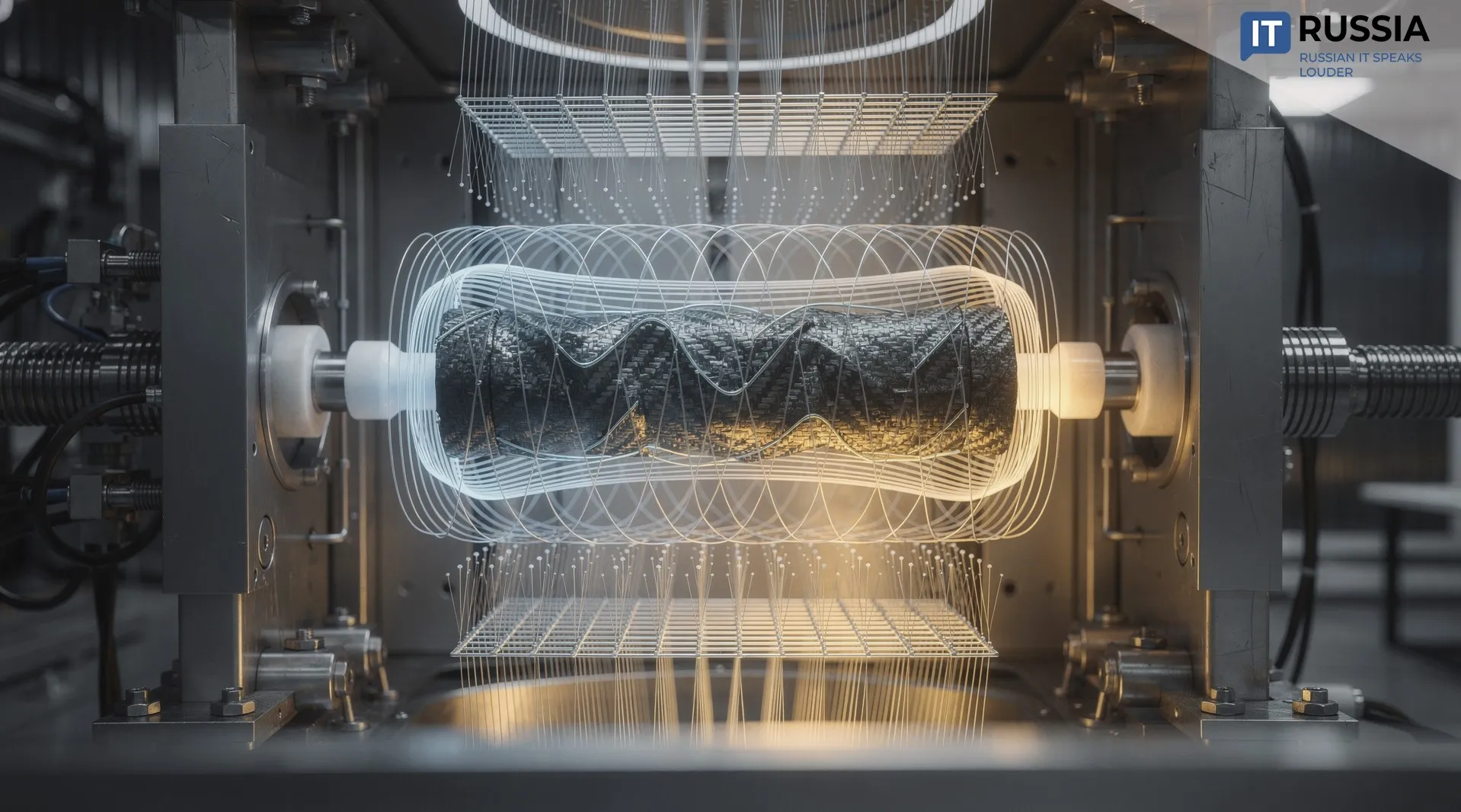
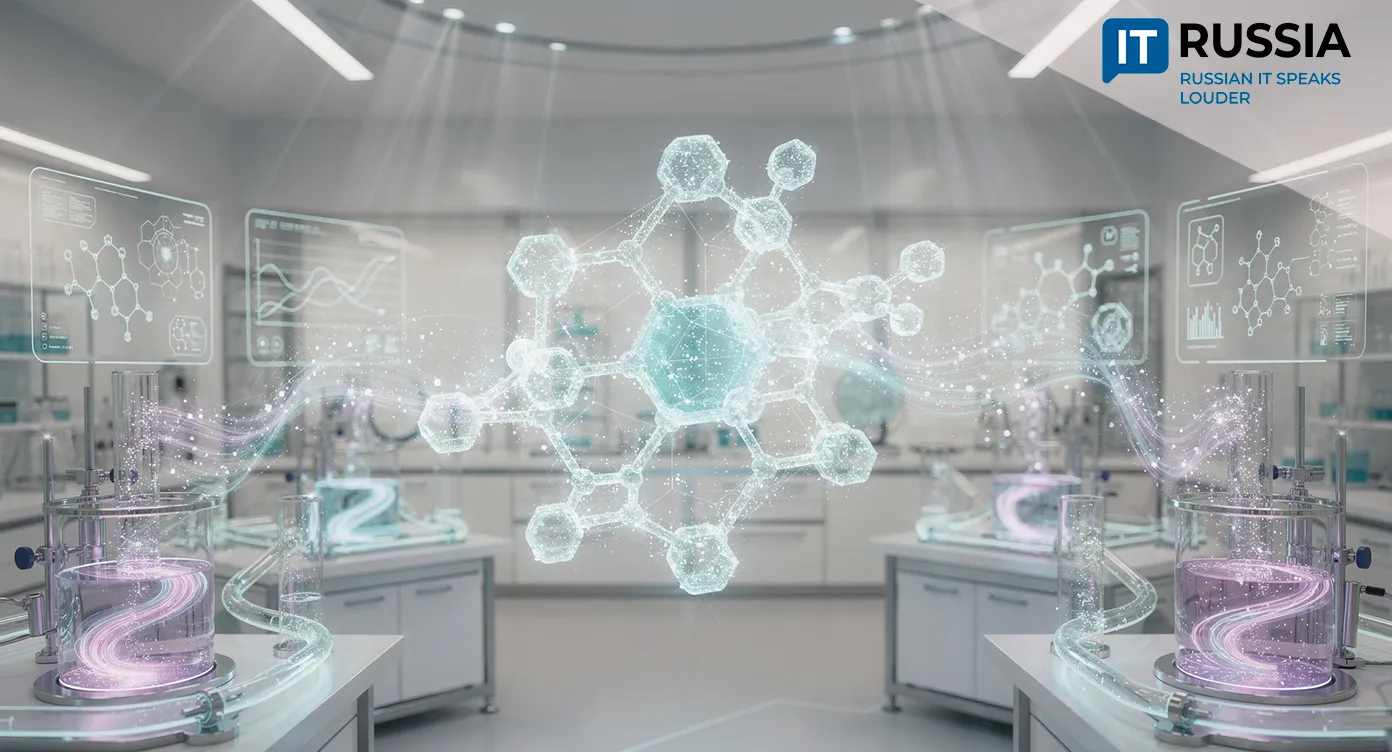
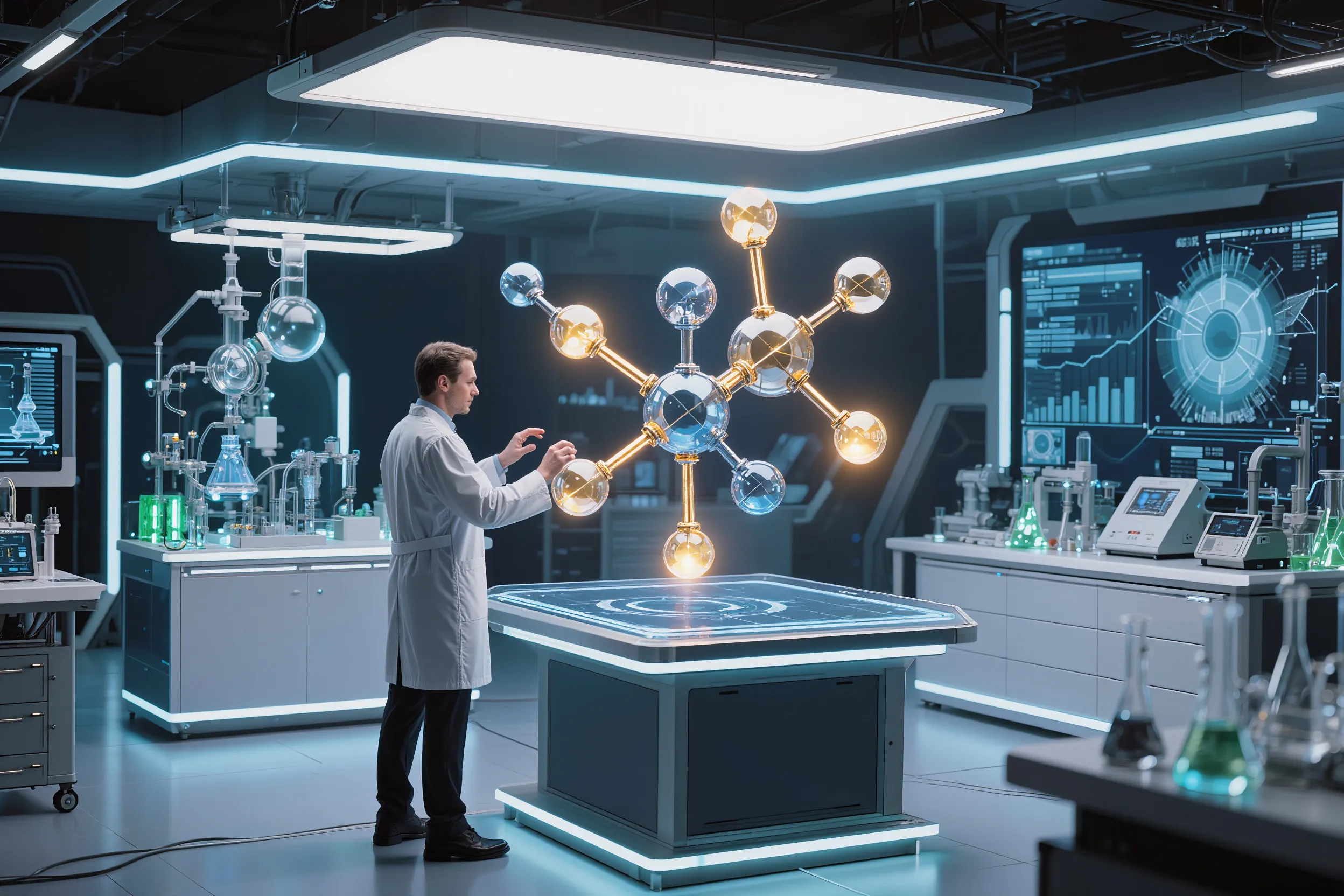
Russia’s petrochemical sector is making a decisive move into the digital era. PJSC SIBUR Holding has launched a major scientific program in which artificial intelligence becomes a core collaborator in the development of catalysts and polymers. This is not about automating routine tasks. It signals a fundamental shift in R&D. Algorithms are being trained to predict molecular properties, select synthesis conditions, and even design materials from scratch. In the laboratories of the future, physical experiments will be complemented by virtual ones, dramatically accelerating the pace of discovery.
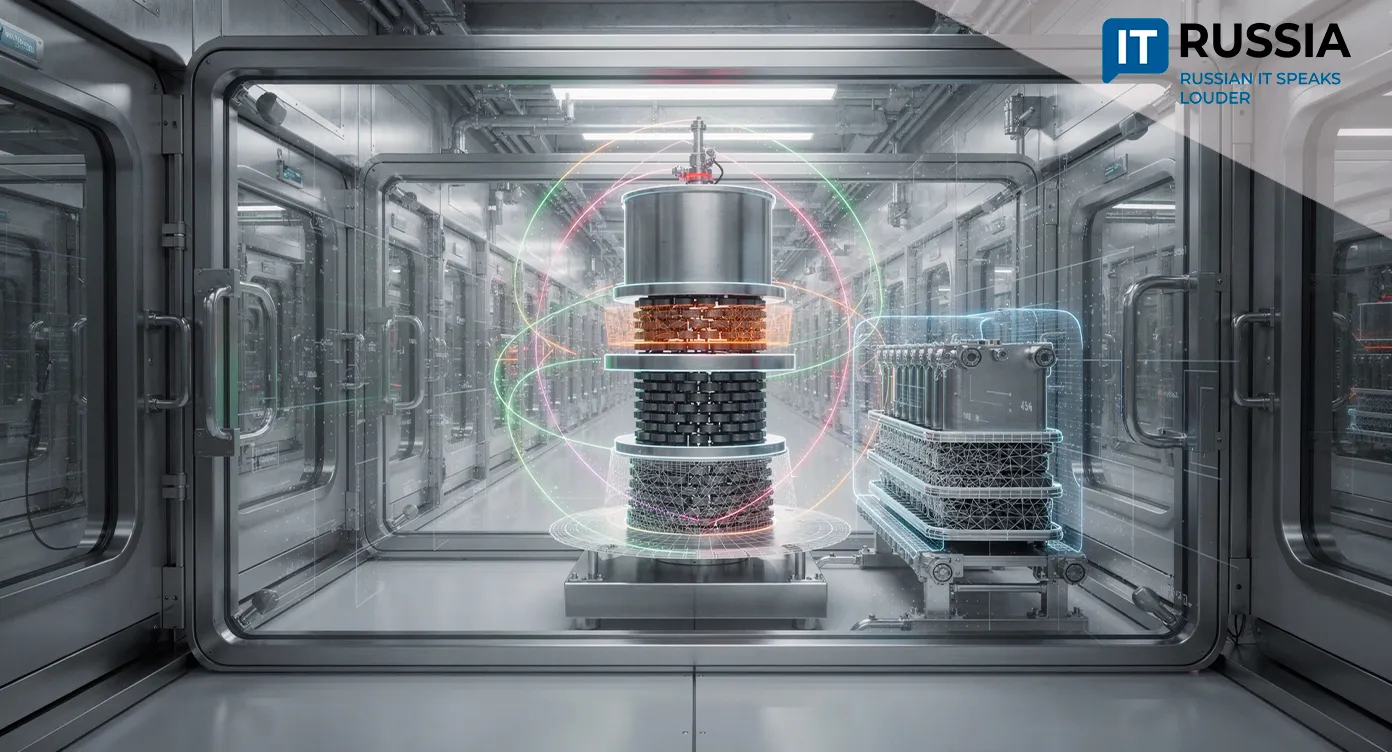
At the heart of the initiative is a transition from empirical trial-and-error to predictive science. Instead of running hundreds of costly experiments, AI analyzes large datasets to uncover hidden links between molecular structure and material properties. Digital twins of production units will allow real-time optimization of process parameters, while machine-learning models will search for post-metallocene catalysts, the key “conductors” of chemical reactions. One of the most promising directions is generating new molecules based on customer demand analysis, letting the market itself signal which materials will be needed next.
Technological Sovereignty via Science
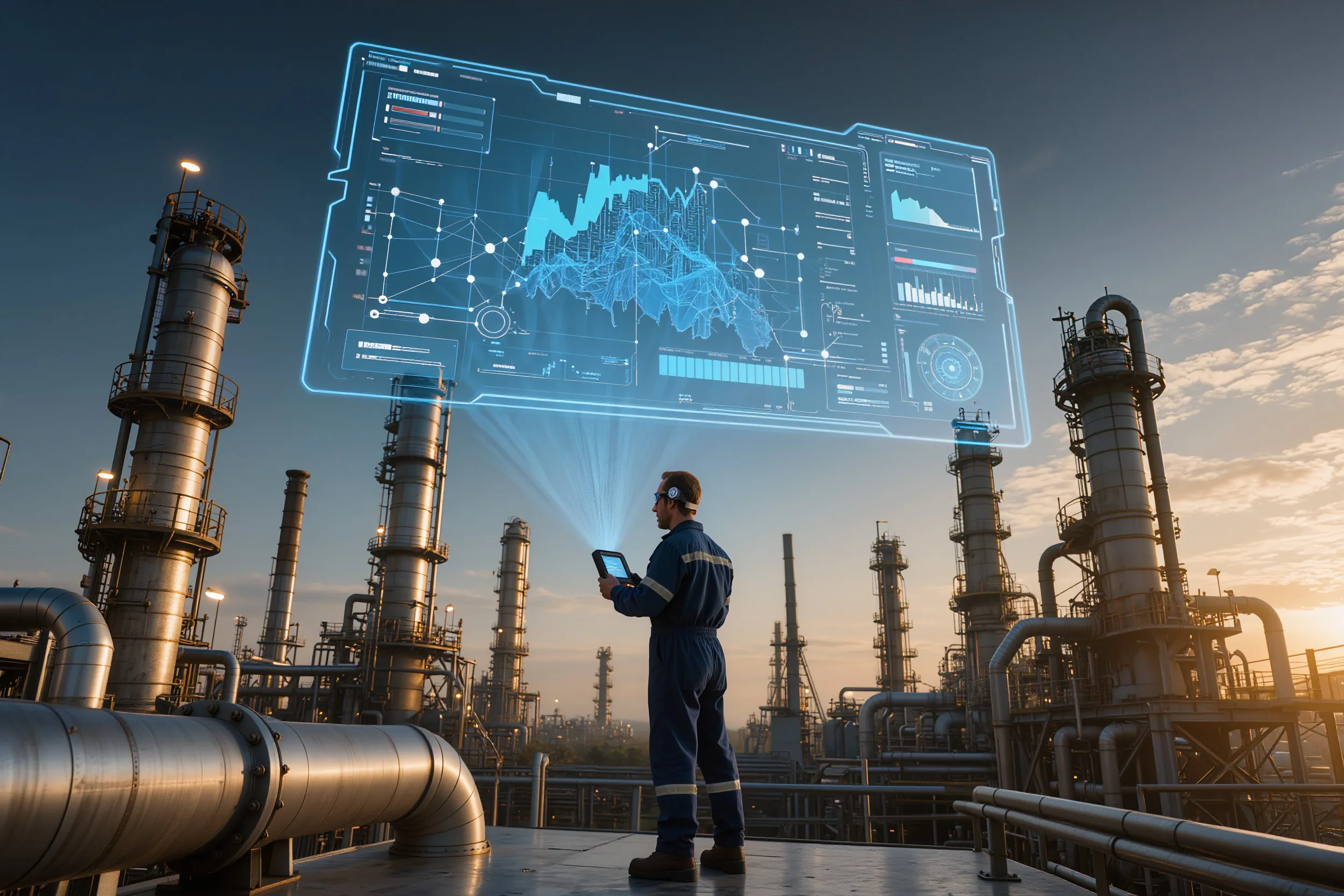
For Russia, the project goes beyond corporate strategy. Catalysts sit at the core of petrochemical production, and reliance on imported solutions has long constrained technological autonomy. Building a full domestic cycle, from digital design to industrial-scale manufacturing, strengthens the national chemical value chain. At the same time, SIBUR is not working in isolation. Partnerships with leading universities and research centers are creating an ecosystem where academic science meets industrial challenges. This kind of collaboration could become a growth engine for the entire sector, helping shift Russian chemistry from a raw-materials focus toward high-tech production.


A Global Trend With a National Focus
Global chemical giants such as BASF, Dow, and Shell have been investing in AI-driven materials science for years. SIBUR’s approach, however, emphasizes integration. Digital tools are embedded directly into production environments rather than developed separately from manufacturing. That creates a competitive advantage. Algorithms are trained on real industrial data, and solutions move more quickly from the lab to end users. Exporting AI platforms developed through this work looks ambitious but realistic, as demand for digital tools in chemical research continues to grow worldwide. The main constraint is time. Moving from algorithm validation to full industrial deployment will take years, and success will hinge on data quality and interdisciplinary teams where chemists and data scientists speak the same language.
The digital transformation of chemistry is already underway. SIBUR’s initiative is not just a corporate experiment, but a bid to take part in shaping a new technological paradigm. Results will not appear overnight. The first commercial products are expected within three to five years, while a fully developed digital ecosystem could take decades. Still, the starting point is clear. If deep chemical expertise can be combined with the power of artificial intelligence, Russian science may gain the chance not to chase the future, but to build it, molecule by molecule.