Indeed and Ideco Strengthen Access Security for Enterprise Resources
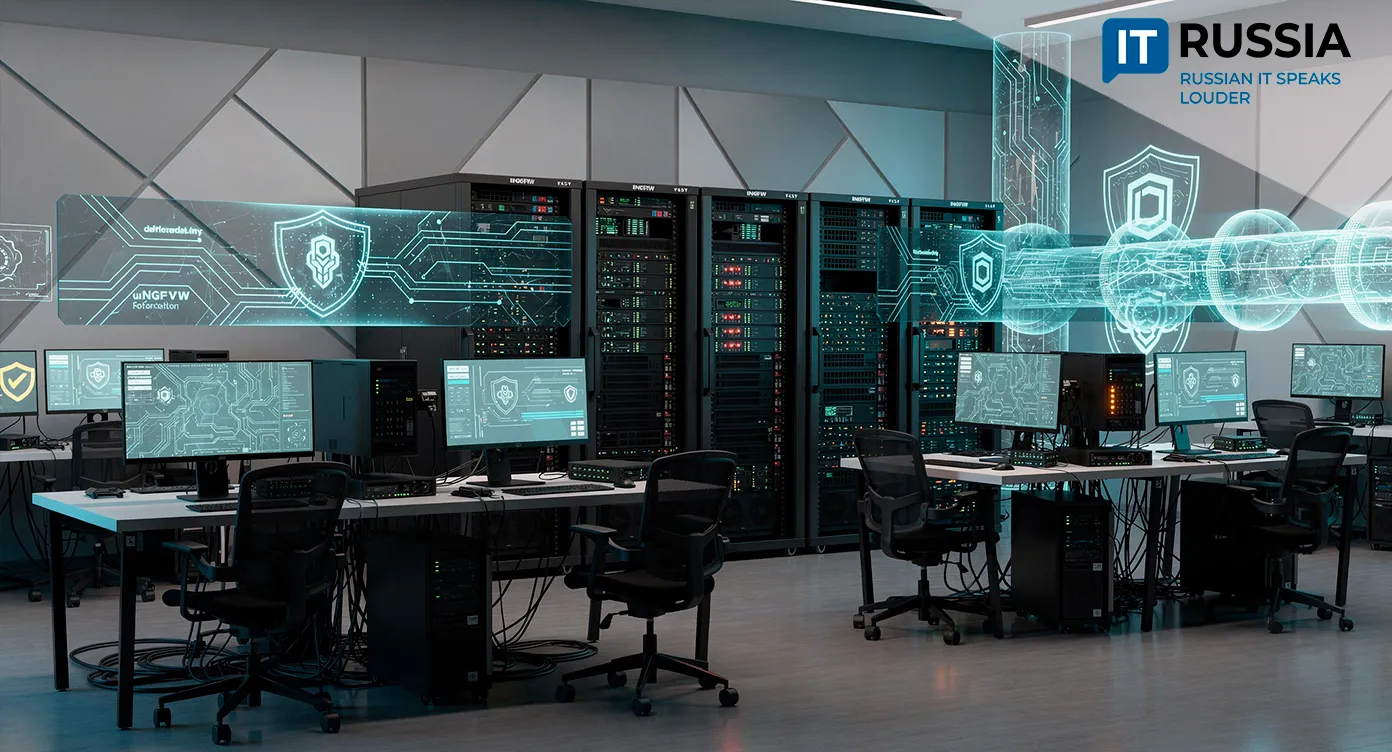
Indeed and Ideco have introduced an integrated solution combining Indeed Access Manager for multi-factor authentication and Ideco NGFW. The integration brings together identity-based access control and network-level protection into a single security layer.

When users connect remotely through Ideco NGFW, Indeed Access Manager adds an additional identity verification step. This reduces the risk of unauthorized access, even if credentials have been compromised. Second-factor options include one-time passcodes, push notifications, and other MFA methods.
The integration reflects a broader shift in enterprise security. Organizations increasingly require unified protection for remote access and hybrid IT environments. Ideco NGFW acts as a platform for perimeter defense, remote access, ZTNA, and VPN scenarios, while Indeed Access Manager functions as a centralized access control system supporting SAML, OpenID Connect, RADIUS, and other integration protocols.
The development points to a maturing cybersecurity ecosystem in Russia. Vendors are moving beyond replacing individual foreign products toward integrating multiple security layers, including IAM/MFA, VPN, NGFW, SSO, and access management. This points to the emergence of a more cohesive domestic security architecture. The importance of such integration is reinforced by the effectiveness of MFA. According to Microsoft, MFA can block more than 99.2% of account compromise attacks.
For organizations, this translates into more resilient digital services and lower risk of personal data breaches. At the national level, it strengthens the internal cybersecurity perimeter and reduces reliance on foreign platforms. This is especially relevant for enterprises, critical infrastructure, and projects with high requirements for remote access.

Outlook for Joint Deployments
Demand in Russia is shifting toward bundled cybersecurity solutions, which is likely to drive more integrations between domestic vendors. This can accelerate deployment timelines and support the development of a broader security ecosystem. Export potential remains limited, with a primary focus on corporate use cases in the domestic market amid rising cyber threats. However, the solution could find demand in CIS, EAEU, and partner jurisdictions due to its use of widely adopted protocols and standard enterprise access scenarios.
Growing demand is being driven by the rising importance of protecting credentials and remote access. Globally, regulators and major vendors are pushing for MFA and identity-first security models. Microsoft is making MFA mandatory for administrators, while CISA recommends it for remote access. Over the next few years, such integrations are likely to become a key factor in procurement decisions. Buyers will increasingly evaluate how well products integrate into existing security architectures. This creates opportunities for joint deployments and deeper integration with access policies and SIEM systems.

A Global Security Trend
On April 12, 2024, Kod Bezopasnosti and Avanpost successfully tested the integration of the Kontinent 4 NGFW with the Avanpost FAM/MFA+ system. This mirrors the same approach, where MFA integrates with network or perimeter security solutions to strengthen enterprise access protection.
In November 2025, Indeed confirmed compatibility between Indeed Access Manager and Check Point Remote Access VPN and Check Point Mobile Access. This integration also reduces the risk of infrastructure compromise by adding MFA controls.
By late 2025, ComNews reported that despite expanding capabilities of Russian NGFW solutions, the market still faces challenges in performance and integration. Against this backdrop, the partnership between Ideco and Indeed highlights the importance of embedding NGFW into a broader security framework.
Globally, passwords are no longer considered sufficient protection for critical access scenarios. Since October 2024, Microsoft has begun rolling out mandatory MFA for access to Azure Portal, Microsoft Entra Admin Center, and Intune Admin Center. In early 2025, these requirements extend to tools such as Azure CLI and Azure PowerShell. In parallel, Okta and Palo Alto Networks expanded their partnership to combine browser and network security signals with identity controls. This reflects a broader shift toward multi-signal authentication, where access decisions rely on multiple layers of verification. Demand for integrating MFA with enterprise remote access solutions remains high worldwide.

Shift Toward a Platform Model
The integration between Indeed and Ideco reflects a broader transformation in Russia’s cybersecurity market. The industry is moving from point-by-point import substitution toward interoperable security ecosystems. This shift is becoming a defining trend. Today, the primary risks for organizations stem from compromised credentials, remote sessions, and access privileges. Integrating NGFW and MFA represents a move toward a model where security is built around identity, session context, and network policy simultaneously.
In the coming years, demand is expected to grow for pre-integrated combinations of IAM/MFA, PAM, NGFW, VPN, ZTNA, SIEM, and endpoint protection tools. Vendors that can demonstrate seamless integration into a unified security architecture are likely to gain a competitive edge. The Indeed–Ideco case illustrates how the cybersecurity market is evolving from fragmented tools to platform-based models.