Russian Scientists Build the World’s First AI Platform to Rapidly Design Drone Components
*Scientists in Russia are developing what they say is the world’s first artificial intelligence–powered platform designed to dramatically speed up the design of components made from polymer composite materials.*
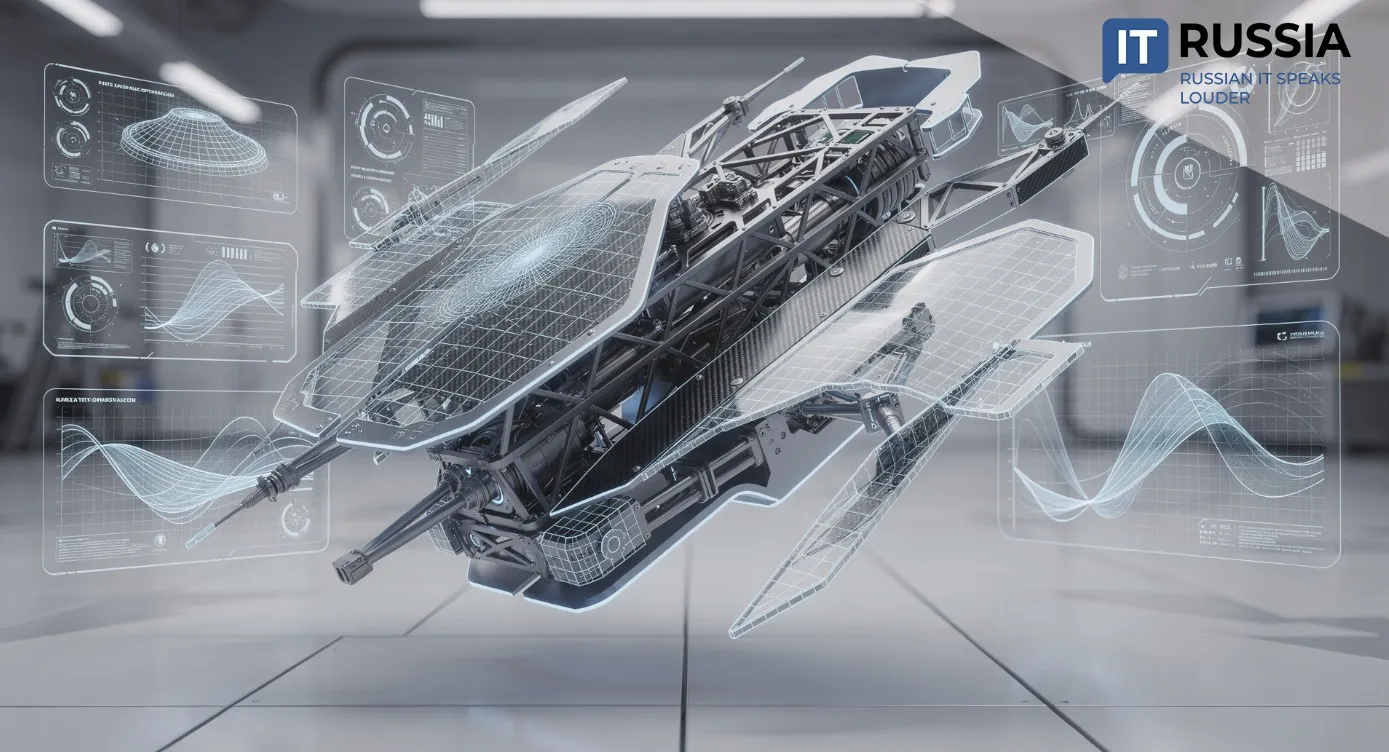
How the platform selects the best materials on its own
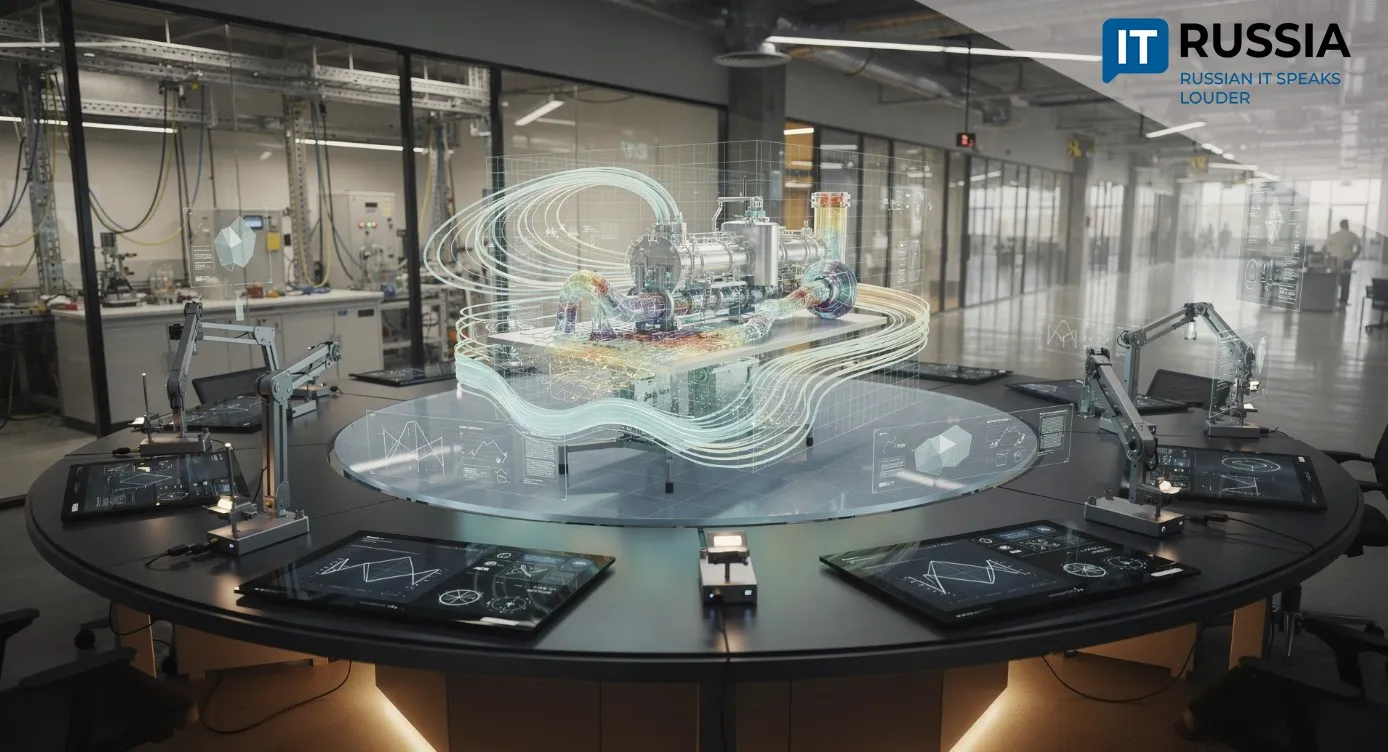
Thanks to the new technology, engineers with little or no prior experience in composite materials will be able to design lightweight, high-strength structures, particularly for unmanned aerial vehicles, or UAVs. The system is being developed by the NTI Center “Digital Materials Science: New Materials and Substances” at Bauman Moscow State Technical University. Working entirely in a digital environment, the platform identifies optimal composite materials for specific operating conditions, analyzes how they behave under mechanical loads, and produces an assessment of the strength and durability of future components.
Developers say the platform could cut the time required to design composite parts by 30–40%, while reducing testing costs by about 20%. According to specialists, the technology is especially relevant for UAV airframes and load-bearing elements, where minimal weight and maximum strength are critical.
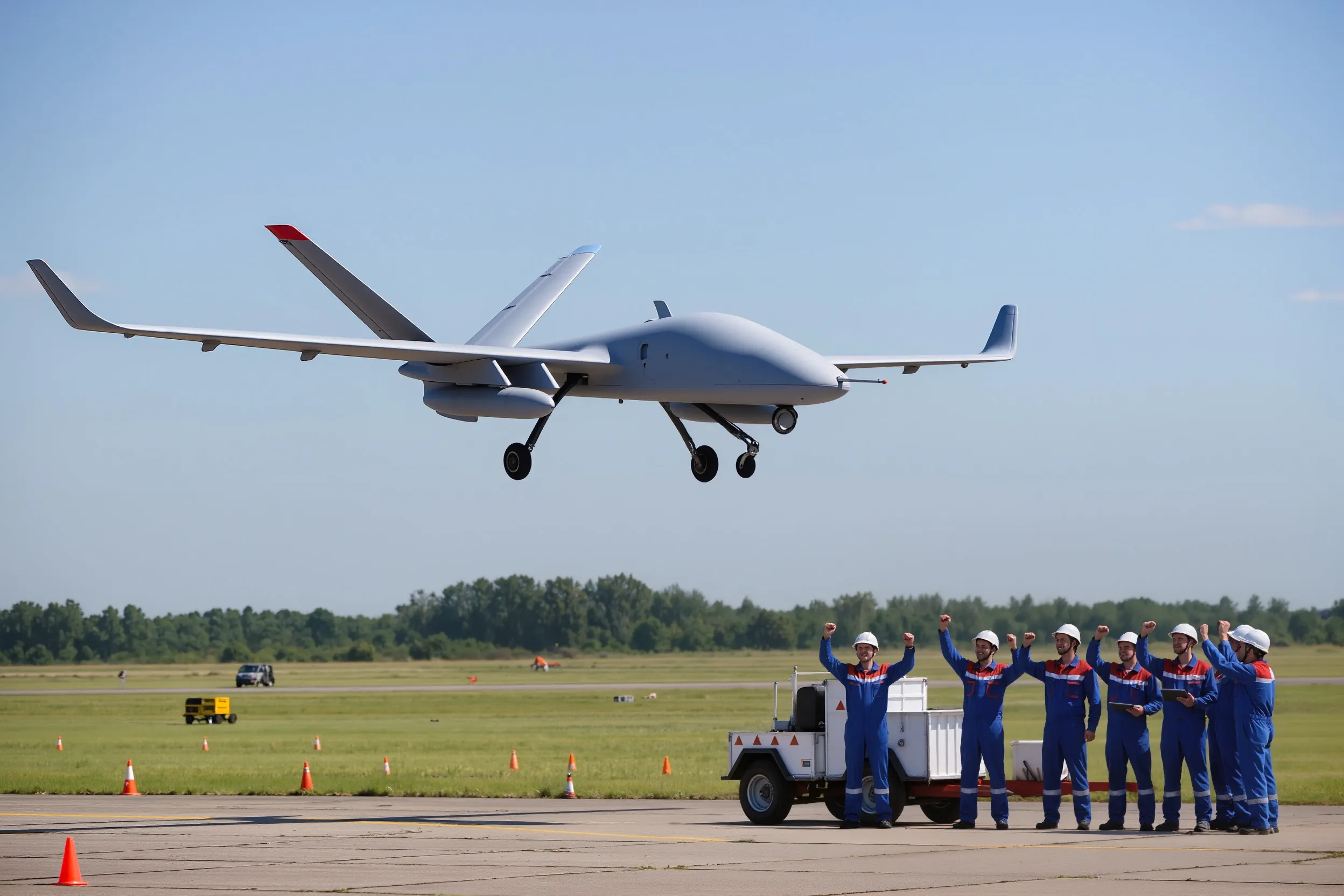
Lower costs and faster manufacturing
Researchers at the NTI Center emphasize that integrating digital technologies and artificial intelligence into materials science is essential for Russia’s technological sovereignty. The system is being built entirely on domestic data and does not rely on foreign databases or software solutions. At the same time, the project aligns with real industrial demand. The global market for polyetherketoneketone, a high-performance structural thermoplastic, is growing at a steady annual rate of 6–11%.


Polymer composite materials are increasingly used across industries ranging from energy and transportation to aerospace and oil and gas. Experts believe the platform will significantly accelerate the production of drone components and reduce the cost of bringing them to market.
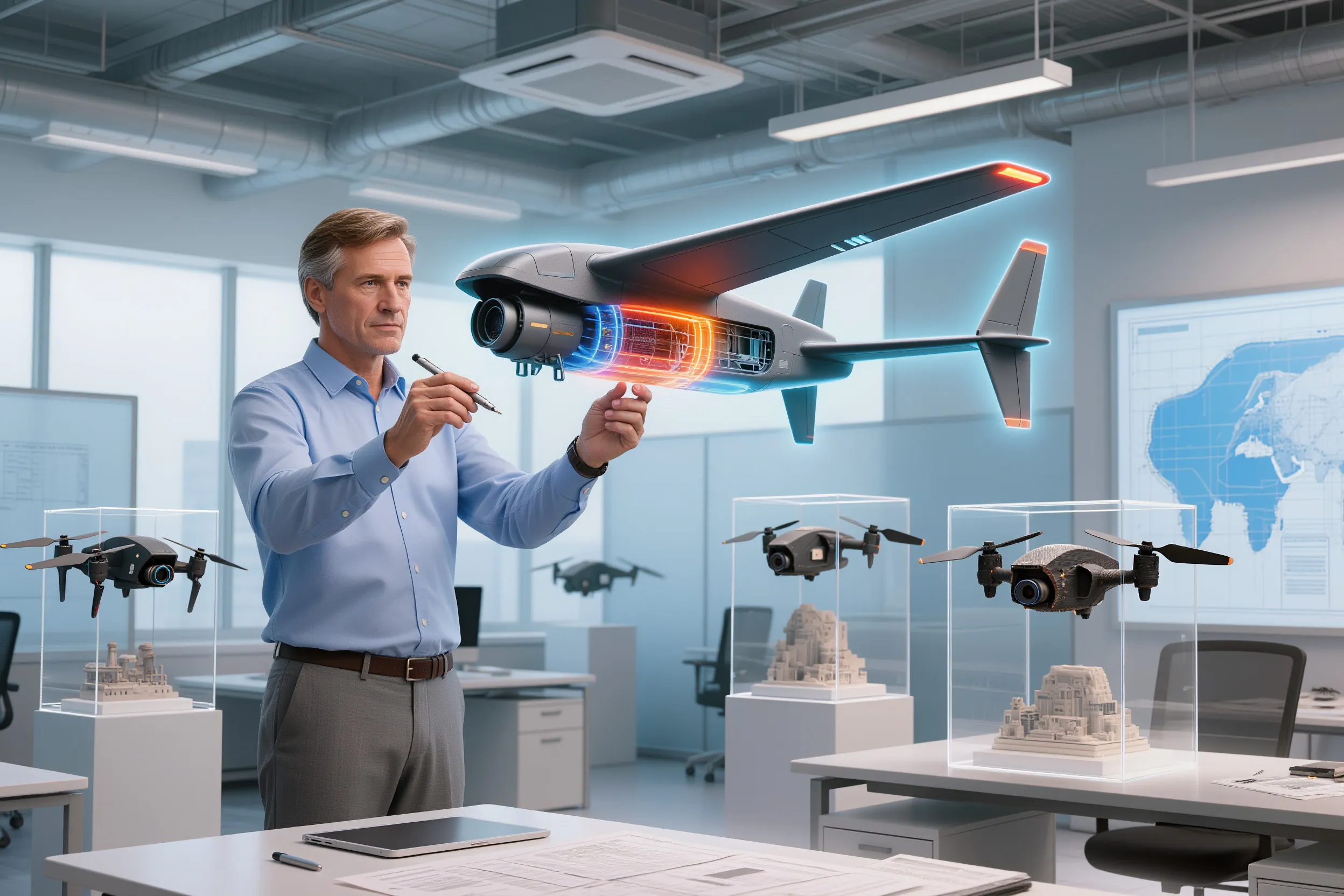
An investment in technological sovereignty
The new design platform is expected to support the digital transformation of engineering workflows in Russia and strengthen technological independence in the aviation and UAV sectors. The project represents a meaningful contribution to the development of domestically produced drones for both civilian and defense applications. For everyday users, higher-quality and more reliable drones could translate into faster development of practical solutions such as agricultural drones and medical delivery systems. Over time, the technology could also create new jobs, particularly in digital engineering.
Looking ahead, the AI platform could reshape how composite components are designed across aviation and other industrial sectors in Russia. It can be quickly integrated into civilian drone projects serving agriculture, environmental monitoring, and logistics. The digital solution also shows strong potential for defense applications involving lightweight and tactical UAV systems. Further down the line, the platform could be linked with Russian manufacturing ecosystems, helping streamline production from design to deployment.
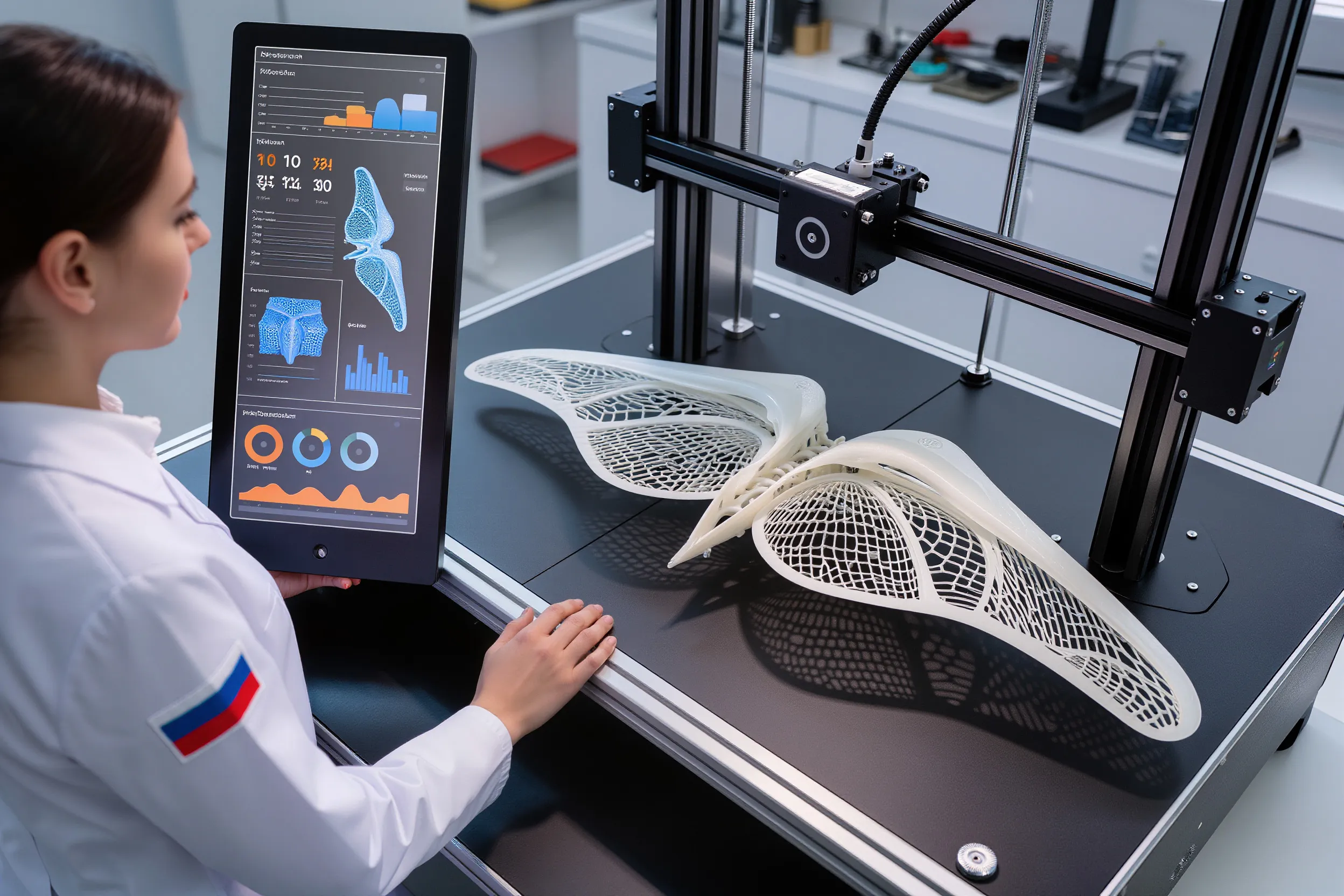
Taken together, these developments reduce reliance on foreign software while boosting export potential. Composite materials are increasingly central to aerospace, automotive manufacturing, shipbuilding, energy, and space exploration worldwide, making the platform attractive not only domestically but also internationally.