Second Reader for Women's Health: AI Now Reviews Mammograms in Russian Clinics
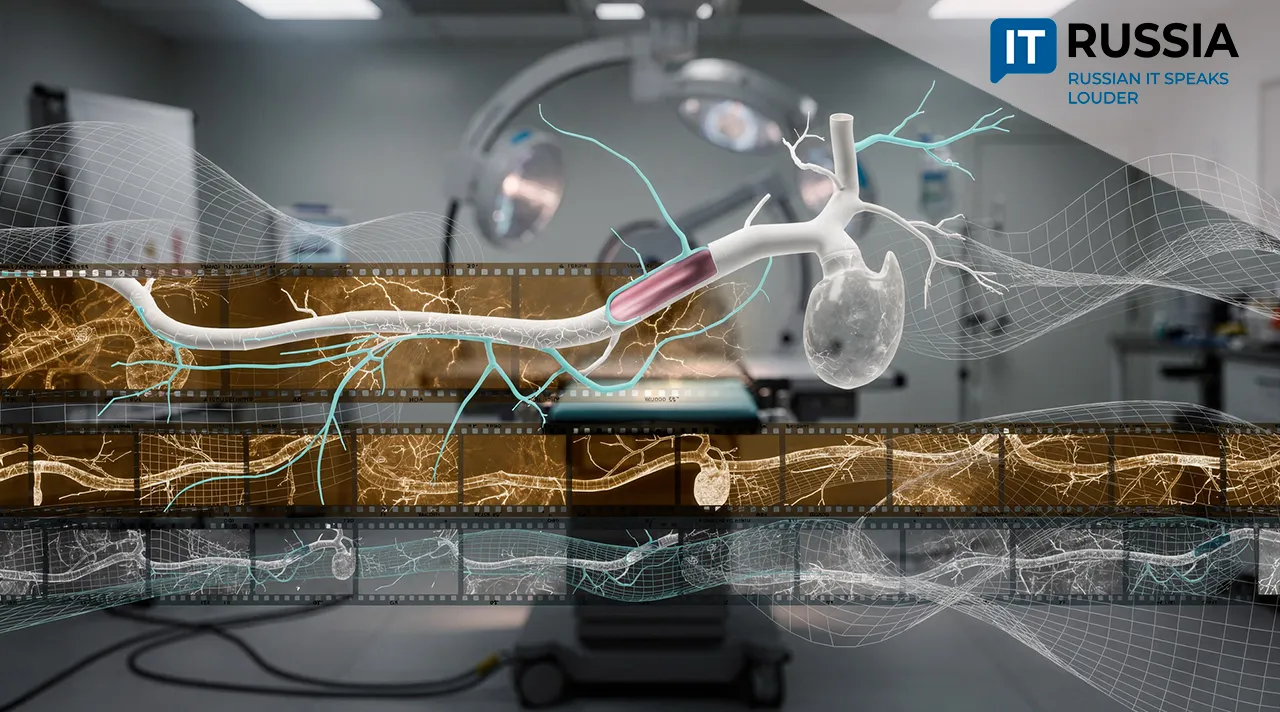
Russian outpatient clinics have begun using artificial intelligence to analyze mammography images. The neural network reviews each scan, highlights suspicious findings, and provides decision support, while the final diagnosis remains the responsibility of the radiologist. The rollout is part of the national project Prodolzhitelnaya i aktivnaya zhizn (Long and Active Life).
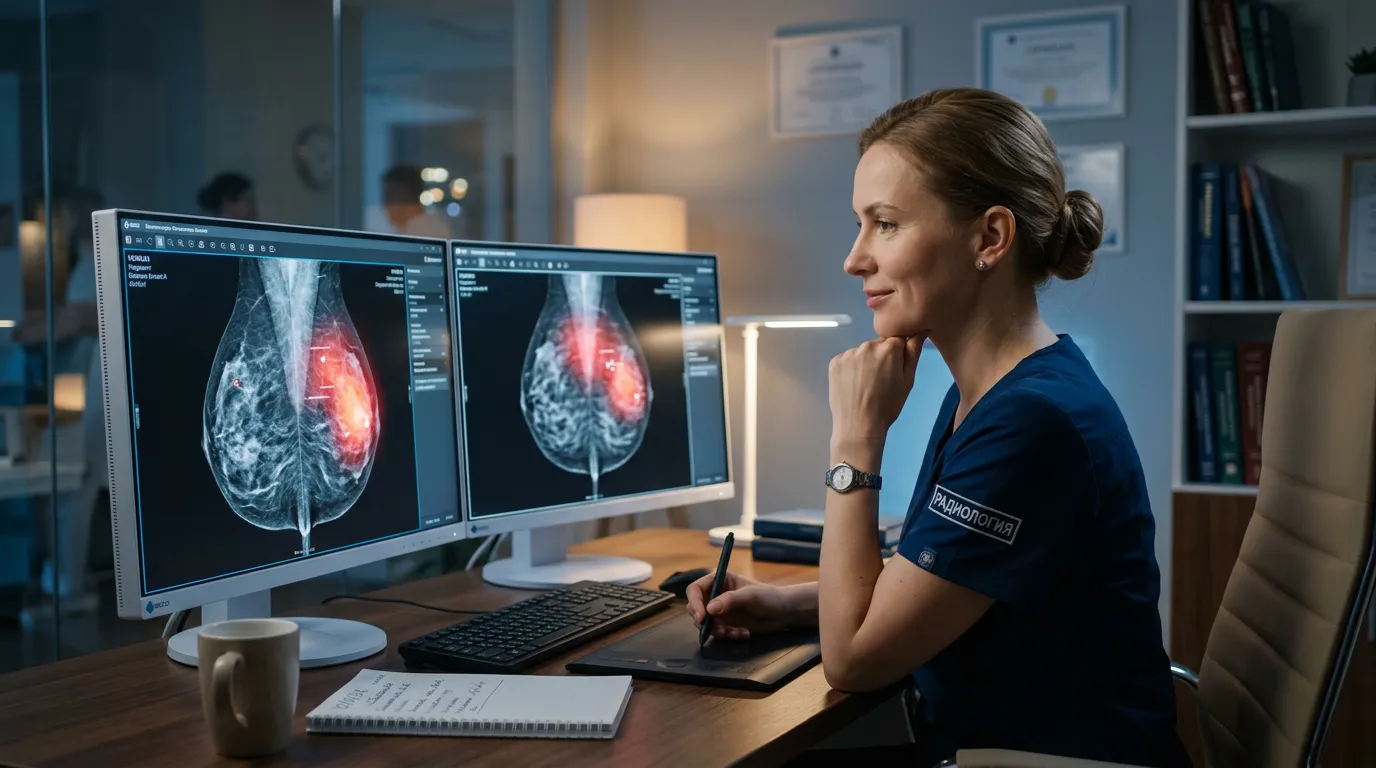
At the Clinical Medical Center in Chita, mammography exams are now reviewed by both a physician and artificial intelligence. The workflow is straightforward. A patient undergoes a mammogram, after which the images are interpreted in two parallel ways: through the radiologist's standard clinical assessment and automated analysis by a neural network. The algorithm helps identify subtle changes that could be overlooked during visual review alone. The radiologist then evaluates the AI findings before issuing the final clinical conclusion. It is worth to emphasize that AI is not replacing the specialist. Instead, it serves as an additional layer of quality assurance.
One of the first patients to experience the new workflow said she usually feels anxious while waiting for mammography results, but this time the entire process was much calmer and considerably faster. Her results were available almost immediately.
"Fortunately, no concerning findings were detected. That speed came as a very pleasant surprise," she said.
Important for the Region
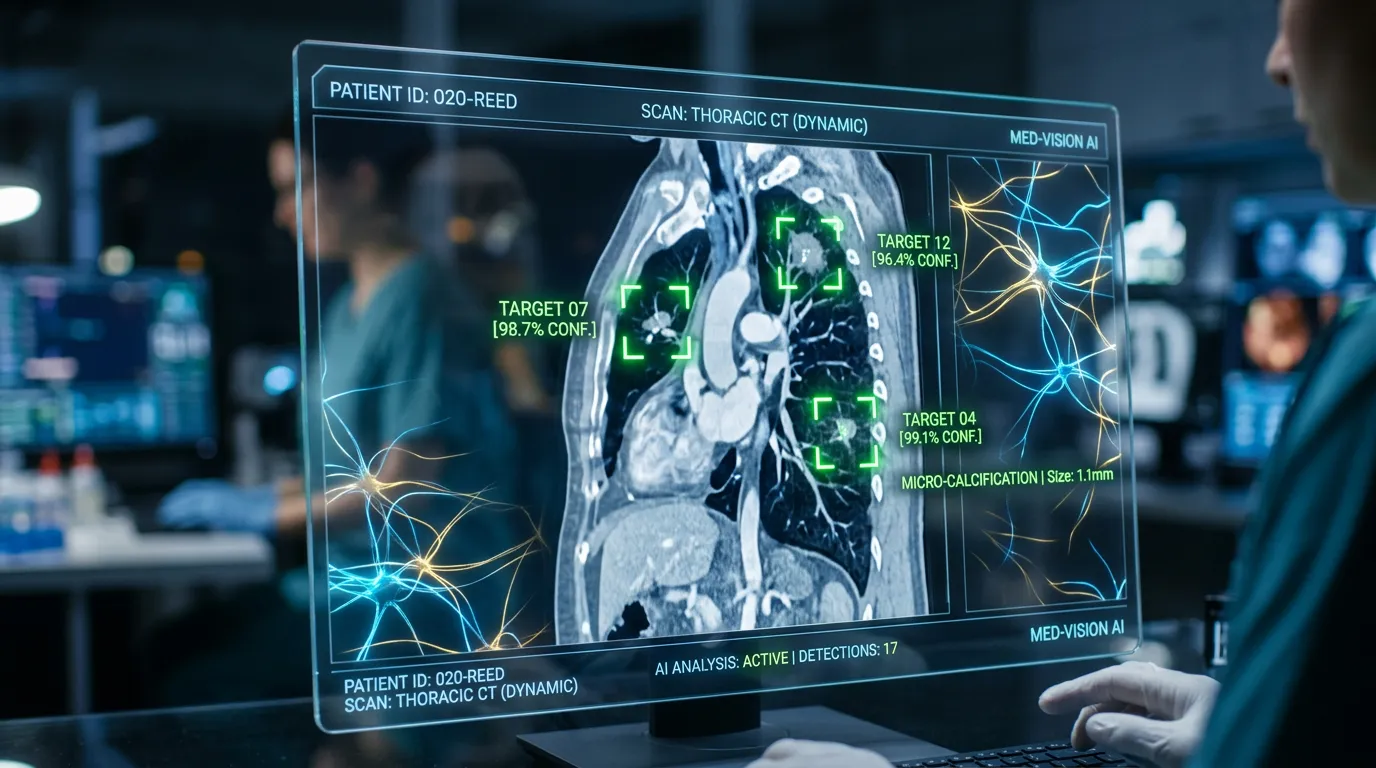
Like several other remote Russian regions, Zabaykalsky Krai faces a shortage of radiologists. Large-scale preventive screening programs, particularly mammography, require significant time and careful image interpretation. A single radiologist cannot realistically review every examination at the highest level of quality. AI performs the initial assessment, flags cases requiring priority attention, and helps physicians avoid missing potentially dangerous abnormalities. The system also prioritizes the imaging workload without adding to physicians' burden.
Benefits for Patients
For women attending screening or annual preventive examinations, the technology shortens the diagnostic process. Instead of waiting hours or even days for image interpretation, they receive results much sooner. That means reassurance arrives faster when no abnormalities are found, while treatment can begin earlier if additional care is needed. The neural network also reduces the risk of missing breast abnormalities at an early stage, when timely detection is particularly critical in oncology. In effect, Zabaykalsky Krai has gained a tool that allows more preventive examinations to be performed without increasing the workload for radiologists.
A Clinical Tool
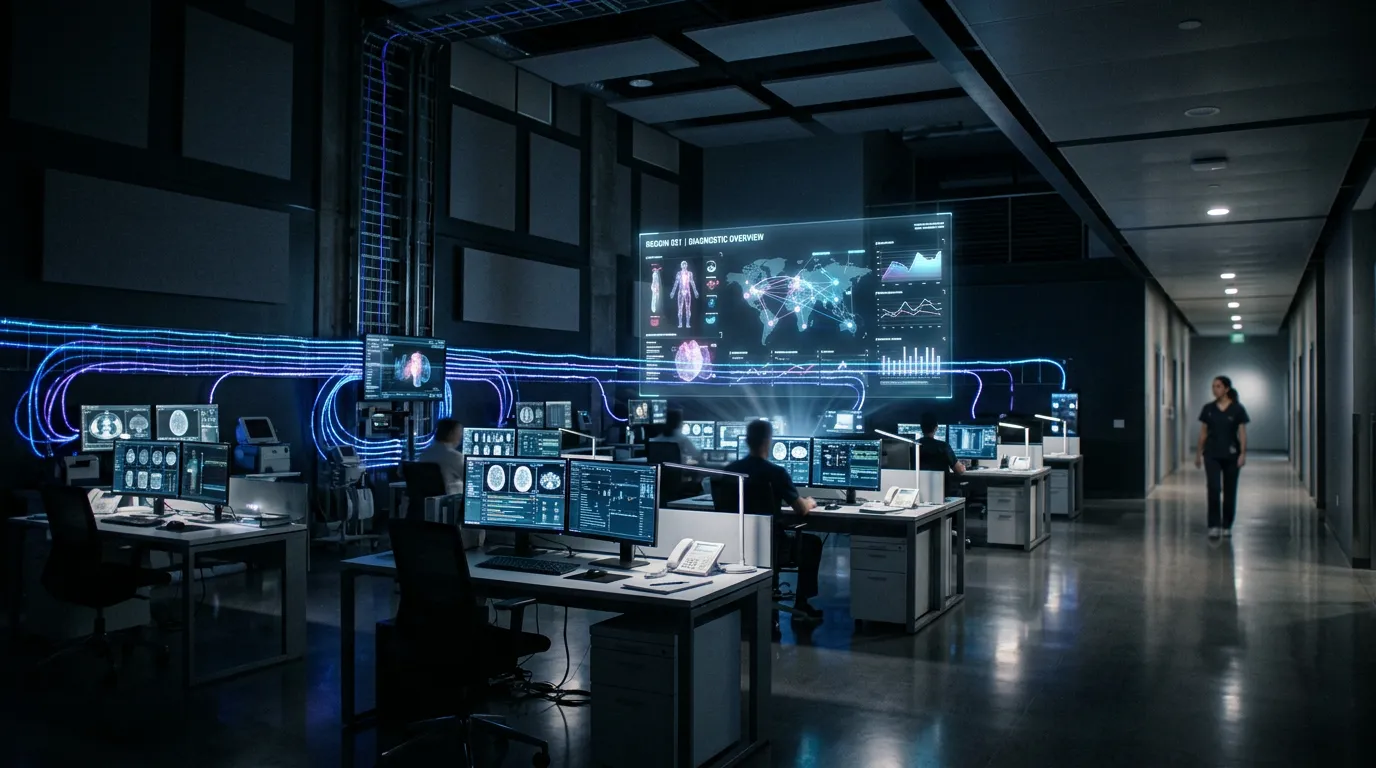
For Russia as a whole, this deployment marks another step toward making artificial intelligence a routine clinical tool in diagnostic imaging. Since 2024, AI-assisted screening mammography has been covered under the country's compulsory health insurance system. During 2024, more than one million AI-supported mammography examinations were performed across 30 Russian regions. That allows healthcare providers to reimburse the technology not only through regional budgets but also through the national mandatory health insurance program.
Moscow has used double reading of mammograms since 2023. During that year, neural networks analyzed more than 350,000 mammography studies, while the city's health authorities reported an eightfold increase in reporting speed. Krasnoyarsk Krai has established a reference center model. If the radiologist's interpretation differs from the AI assessment, the images are forwarded to the regional oncology center for additional expert review.
In Sverdlovsk Region, AI has already analyzed more than one million chest X-rays, with physicians' time savings estimated at approximately 30%. In Tula Region, the technology has processed about 160,000 imaging studies, identifying potential abnormalities in approximately 24,000 of them.
Export Potential and Next Steps
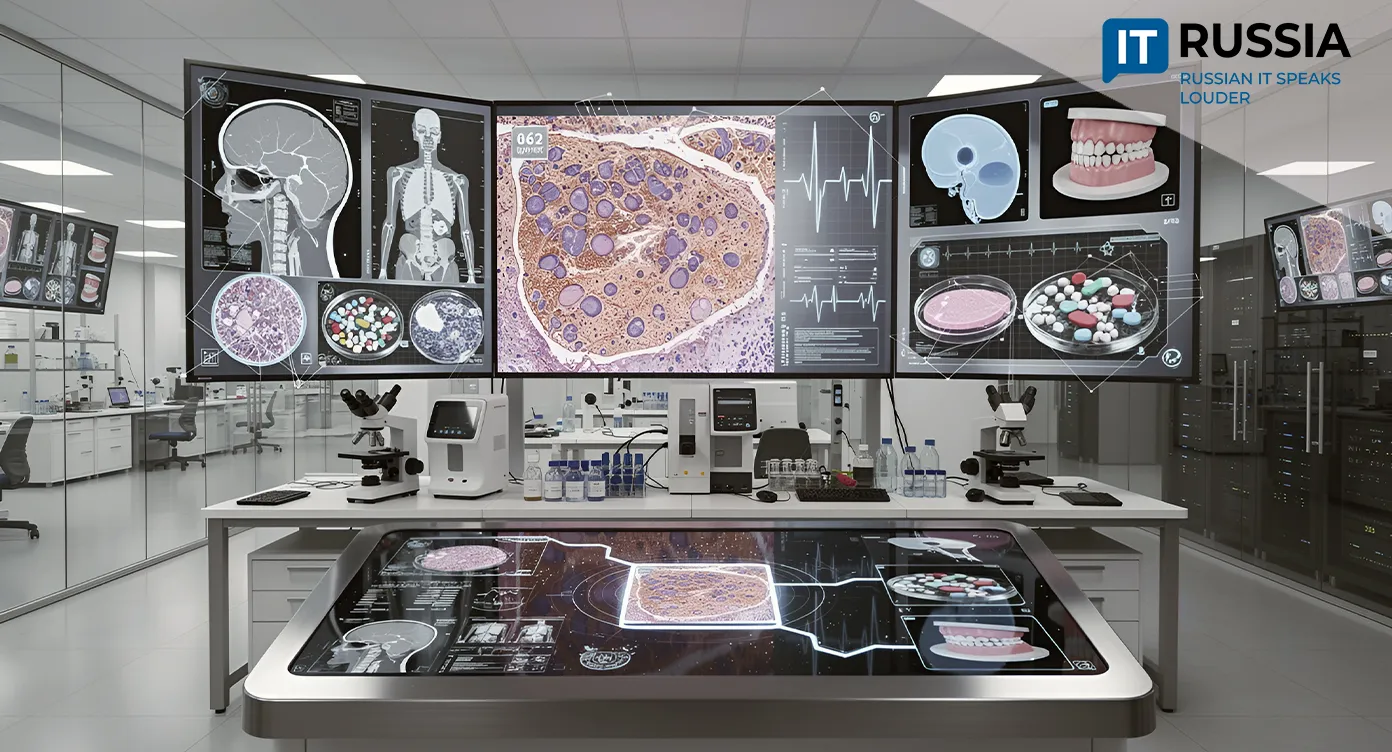
In 2026, Zabaykalsky Krai is scheduled to receive new diagnostic equipment, including mammography systems, CT scanners, and MRI systems. Combined with AI-assisted image analysis, these upgrades are expected to create a unified regional digital imaging network. Looking ahead, neural networks could support physicians not only in mammography but across a broader range of diagnostic imaging studies.
AI systems for mammography interpretation could also find demand in countries facing shortages of radiologists, including nations across the CIS, Asia, and Africa. Russia could potentially export not only the mammography interpretation algorithm itself but also integrated diagnostic equipment, software, cloud infrastructure, and remote reference center services.