A Robot Takes Over the Crane Operator’s Job
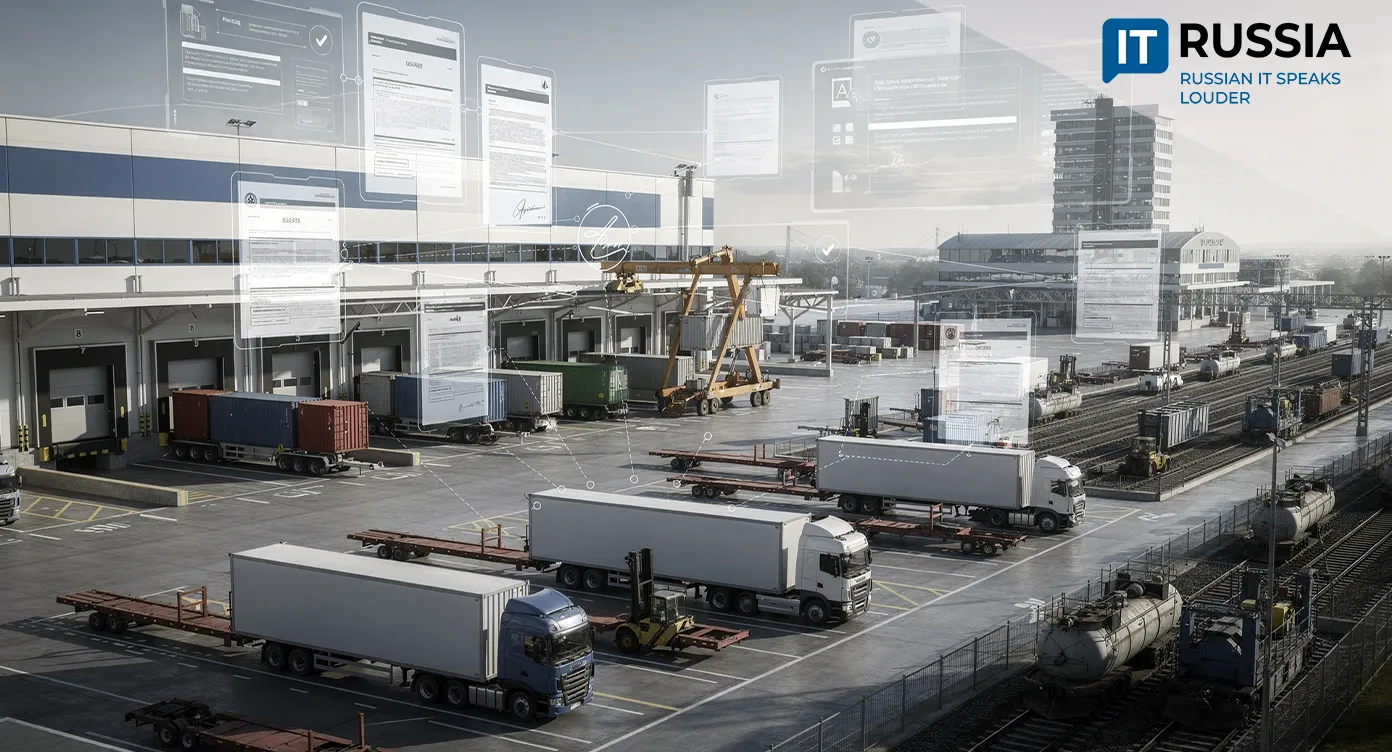
At the Kuntsevo-II terminal, a crane now moves multi-ton containers without direct human involvement – using only cameras, LiDAR and neural networks.
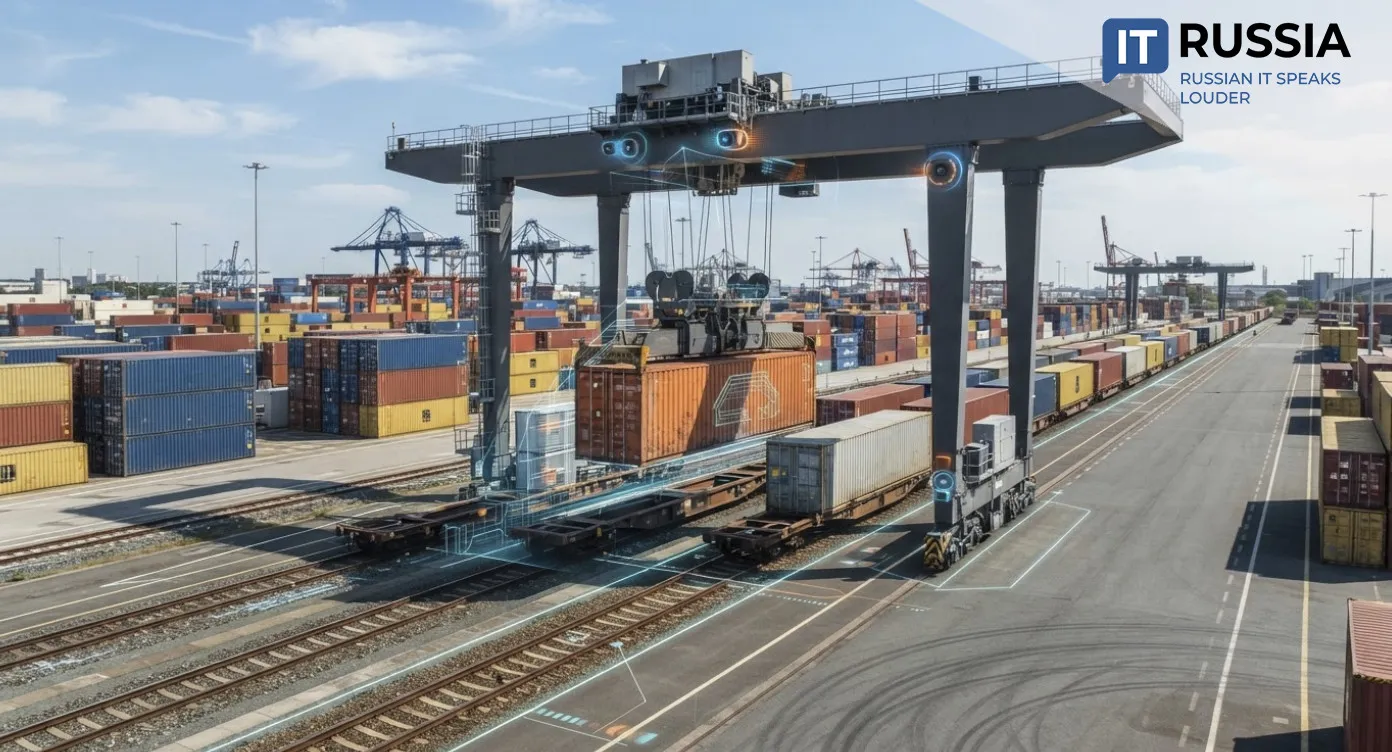
At a quiet but critical point on the freight logistics map of the Moscow Region, the Kuntsevo-II terminal and logistics center has undergone a technological mini-revolution. Gantry crane No. 110, which moves tens of tons of metal and equipment, is no longer simply a machine. It has gained “vision,” “intelligence” and the ability to operate on its own.
It is Russia’s first automated gantry container crane capable of performing a complete cycle of operations without direct involvement from a crane operator. The system is the result of a major modernization carried out by Virsign Innovations with grant support from the Skolkovo Foundation.
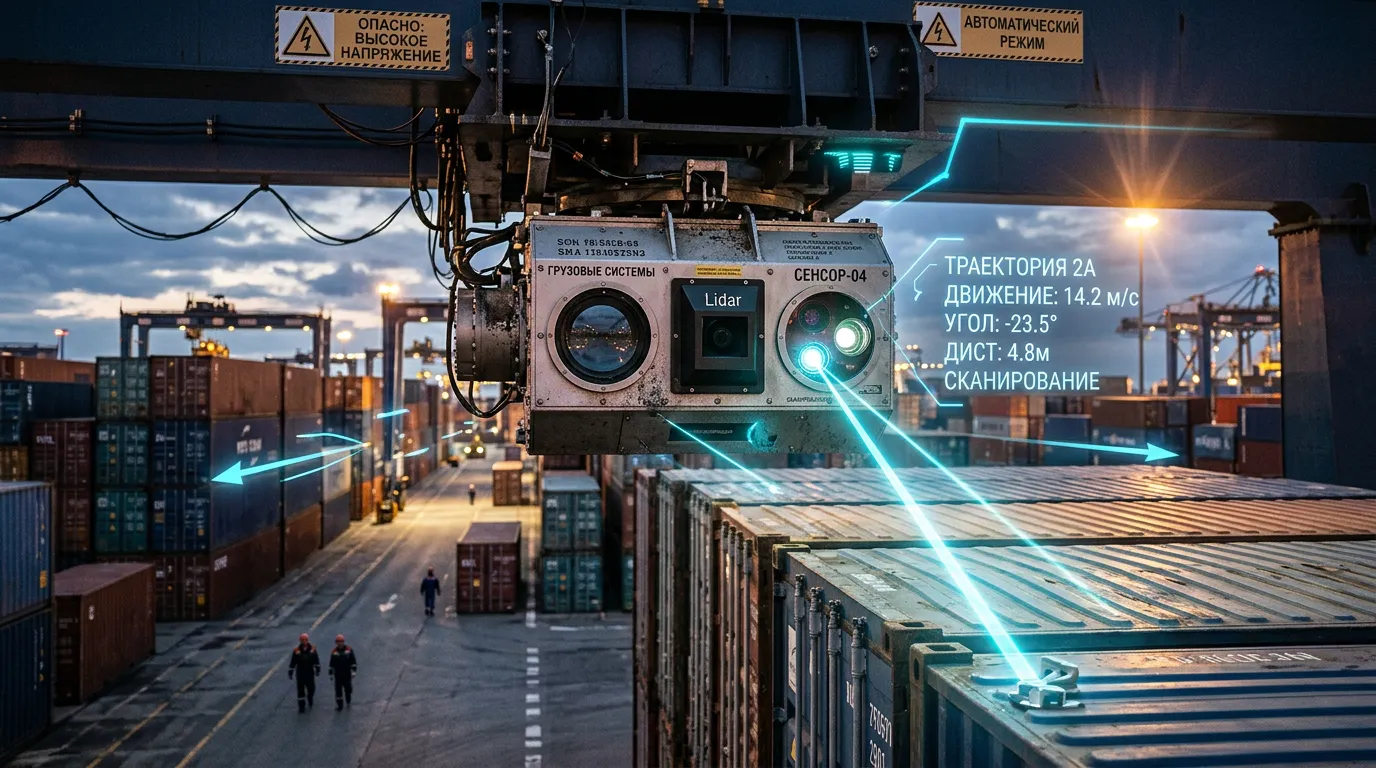
In early 2026, the aging crane was first equipped with a remote-control system and then upgraded further with high-precision LiDAR, machine-vision cameras and, most importantly, Russian-developed software.
What makes the project distinctive is its practical, real-world focus. The modernization was carried out not under laboratory conditions, but at an operating Russian Railways infrastructure facility handling actual day-to-day operations. The hardware and software work together as a complex organism: cameras and LiDAR scan the surroundings to determine the precise position of containers and structures, algorithms calculate the optimal trajectory, and the system then sends commands to the crane mechanisms. An operator monitors the process and is ready to take control at any moment, but for now that role serves more as a safeguard than an operational necessity.
A Freight Handling Upgrade
Although this is still only a pilot project, its significance extends far beyond a single terminal. Above all, it sets an important precedent for Russia’s IT industry. Virsign Innovations has succeeded in creating a working product at the intersection of computer vision, robotics and industrial software that matches foreign alternatives and, in some respects, surpasses them.
The technology’s main potential lies in its scalability. Automation promises substantial economic benefits that could indirectly reach every participant in the market: faster loading and unloading, less downtime, fewer errors caused by human factors and, importantly, the ability to move personnel out of potentially hazardous areas. The technology was designed to be retrofitted to existing cranes rather than limited to new equipment, making it particularly attractive for rapidly modernizing terminals across the country.
Within Russia, the opportunities for deployment are broad, ranging from other Russian Railways terminals and ports to major industrial operations such as steel plants, where similar systems are already finding applications. The technology also has export potential, particularly in countries with large fleets of existing equipment. At this stage, however, the primary goal is to replicate the project’s success domestically and strengthen Russia’s technological sovereignty in this field.
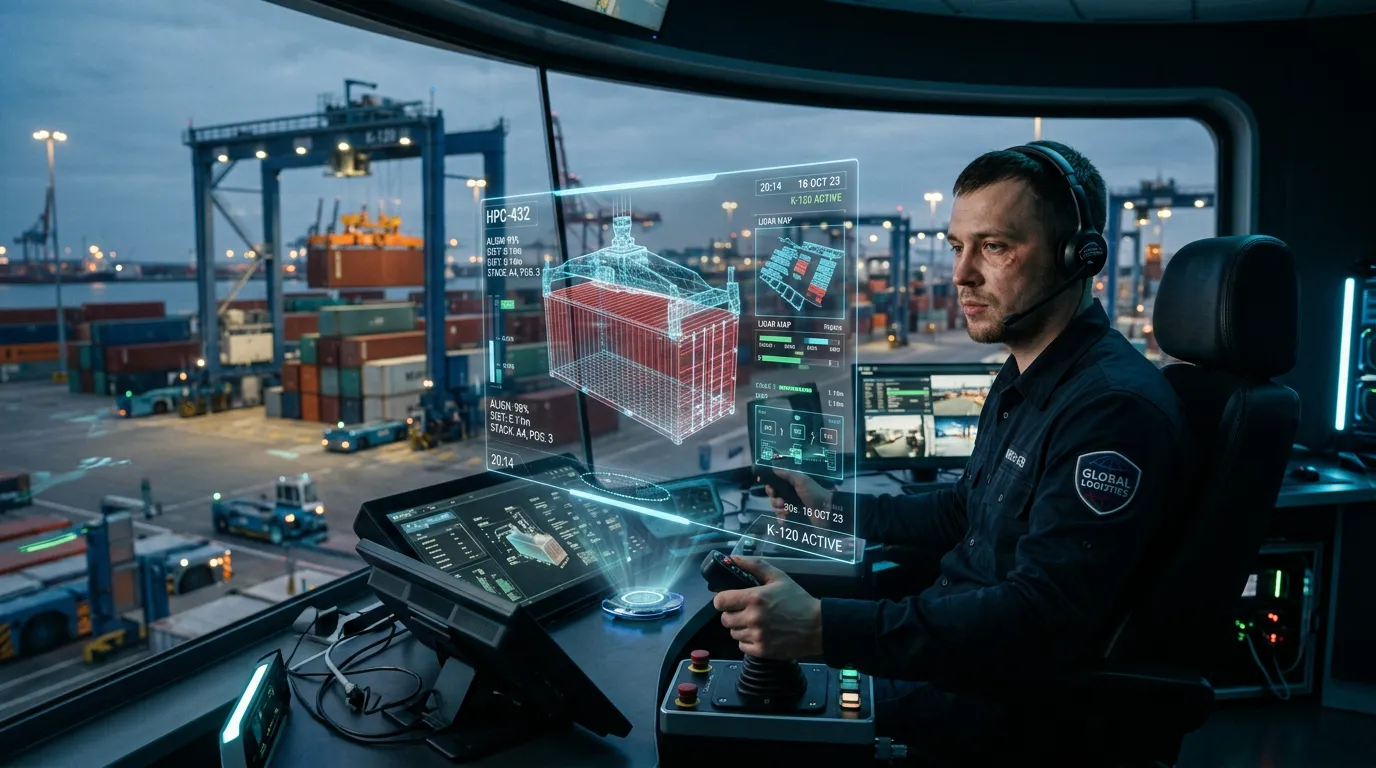
The Evolution of Cranes
The project is the logical outcome of a longer automation push that has gathered momentum in recent years. By 2022, Russian Railways was already actively deploying automated tracking and machine-vision systems at its terminals. Then, in 2023 and 2024, industrial companies such as NLMK began regular operations with remotely controlled cranes, allowing operators to work from safer, more comfortable locations.
In 2025, the Rossiyskiy kiberkran (Russian Cyber Crane) was unveiled, jointly developed by Intekhkom and Virsign Innovations. The system had already been deployed at Nornickel and Severstal facilities, combining 3D LiDAR with video monitoring systems. The crucial difference at Kuntsevo-II, however, is the shift from simple remote operation to automated execution of tasks without continuous human involvement. That represents a qualitative leap, putting Russia alongside global leaders in port and terminal automation.
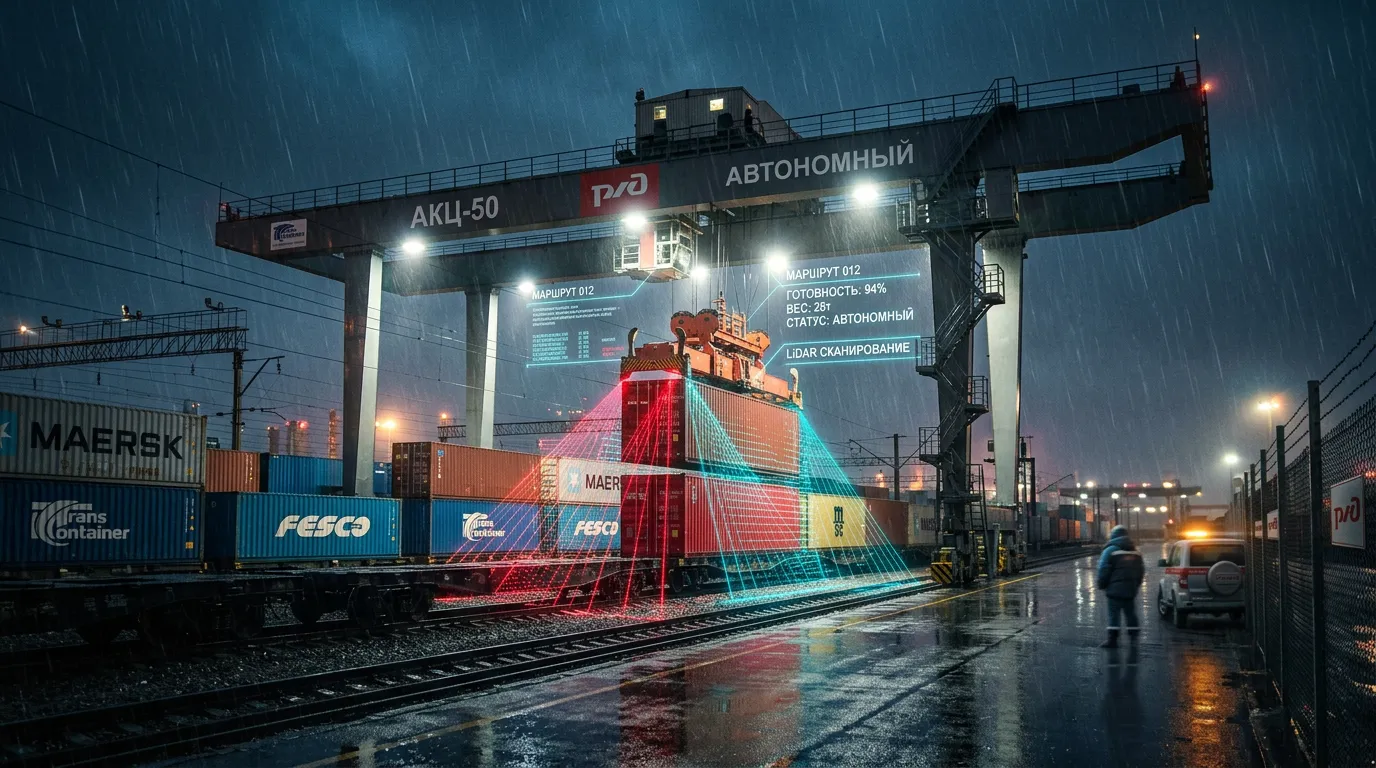
Looking Ahead
The automated crane at Kuntsevo-II signals that Russia’s transportation industry is ready to move to a new technological level. The next stage is expected to integrate these “smart” machines into a unified digital terminal ecosystem, where automation extends beyond an individual crane to the entire workflow – from receiving a container to loading and tracking it.