VR Helmets for Steelworkers: Altai-Koks Opens Virtual Training Lab in Zarinsk
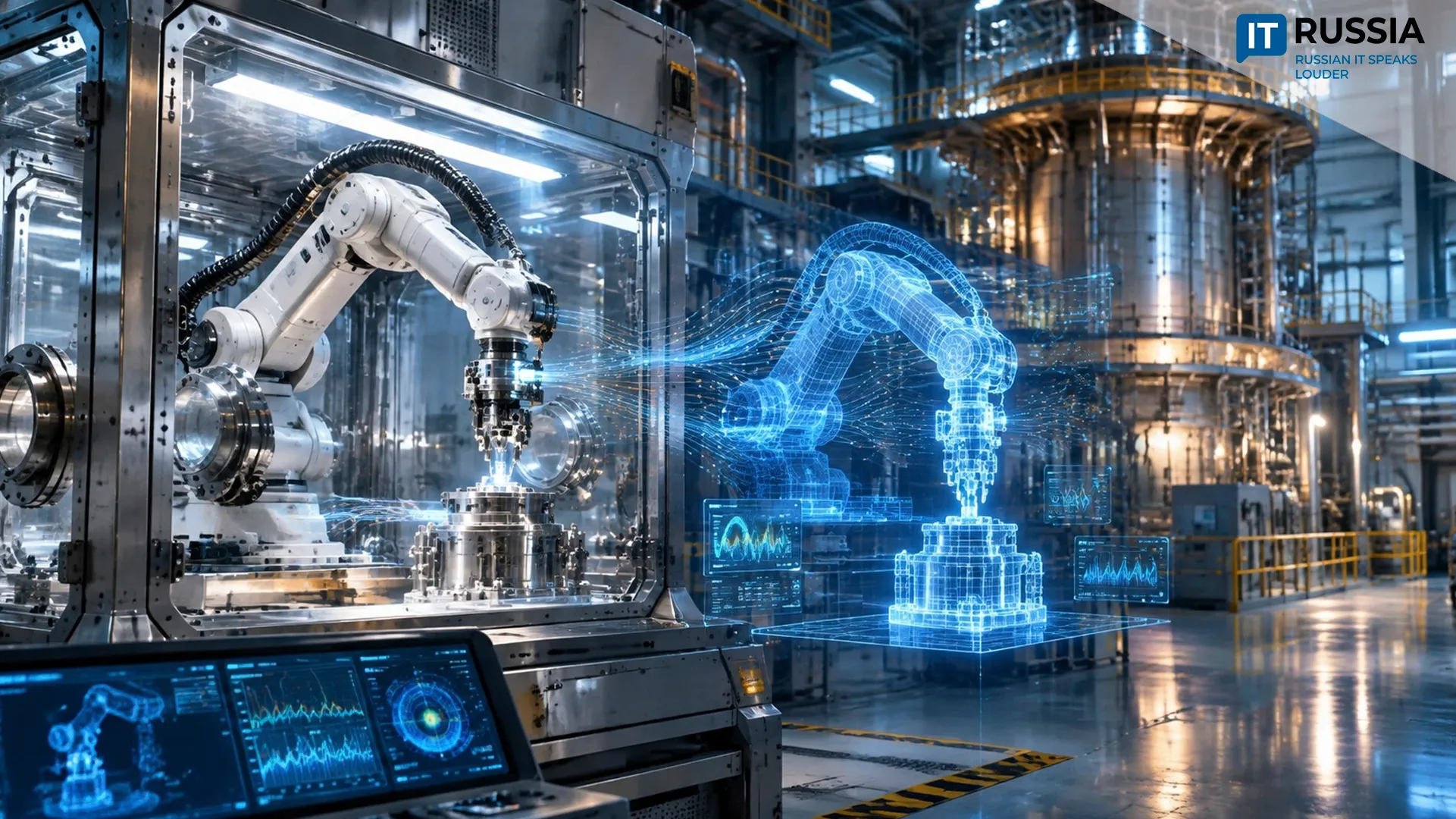
While some metallurgy students still learn coke production from textbooks, their peers in VR headsets are already responding to simulated plant emergencies. Altai-Koks has turned a classroom into a high-tech training ground where mistakes cost nothing more than pressing the restart button.
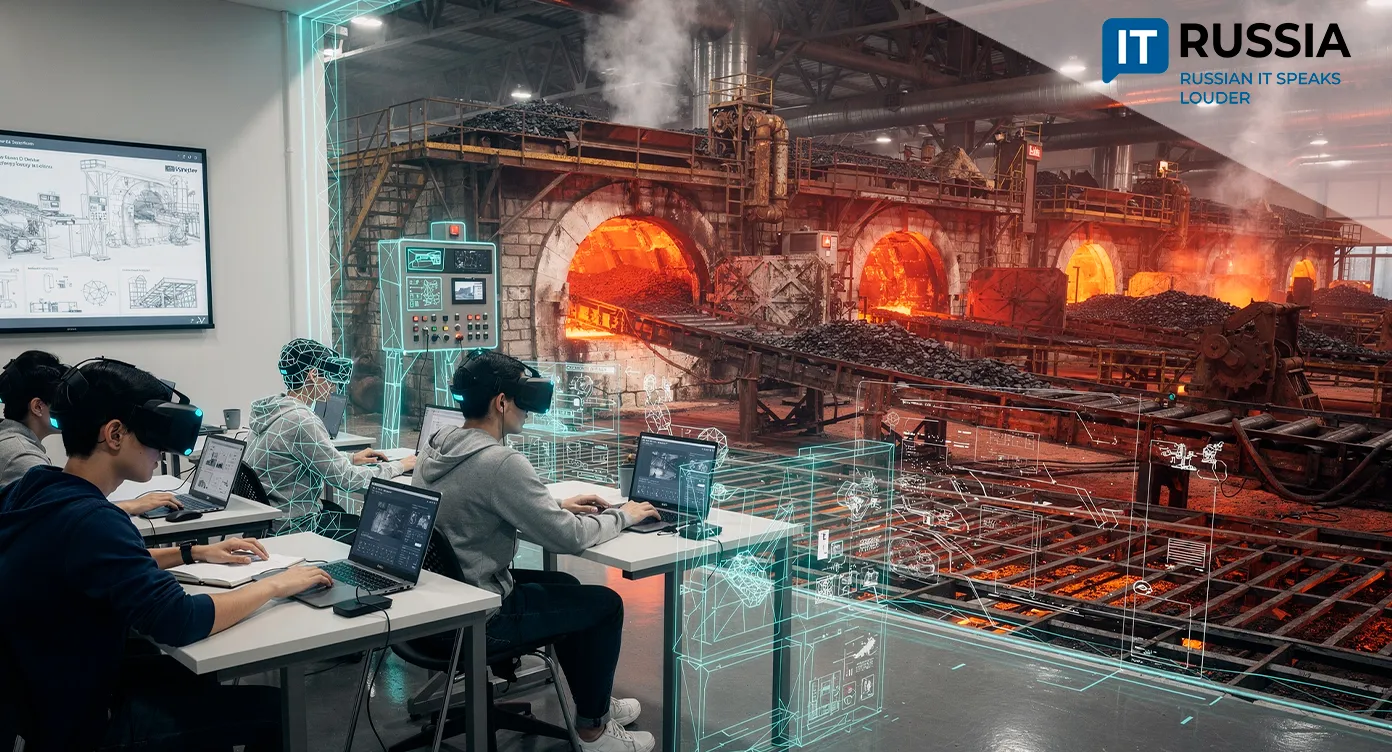
A new VR classroom has opened at the Zarinsk Polytechnic College. This is more than just another room filled with new computers. The company, part of NLMK Group, approached the project as a full-scale industrial education initiative: it renovated the space, installed ergonomic furniture and even designed the interior in the plant’s corporate colors. Students studying “coke chemical production” and training as electricians can now quite literally step inside a virtual plant environment before beginning real-world internships.
Breaking Equipment Down Bolt by Bolt
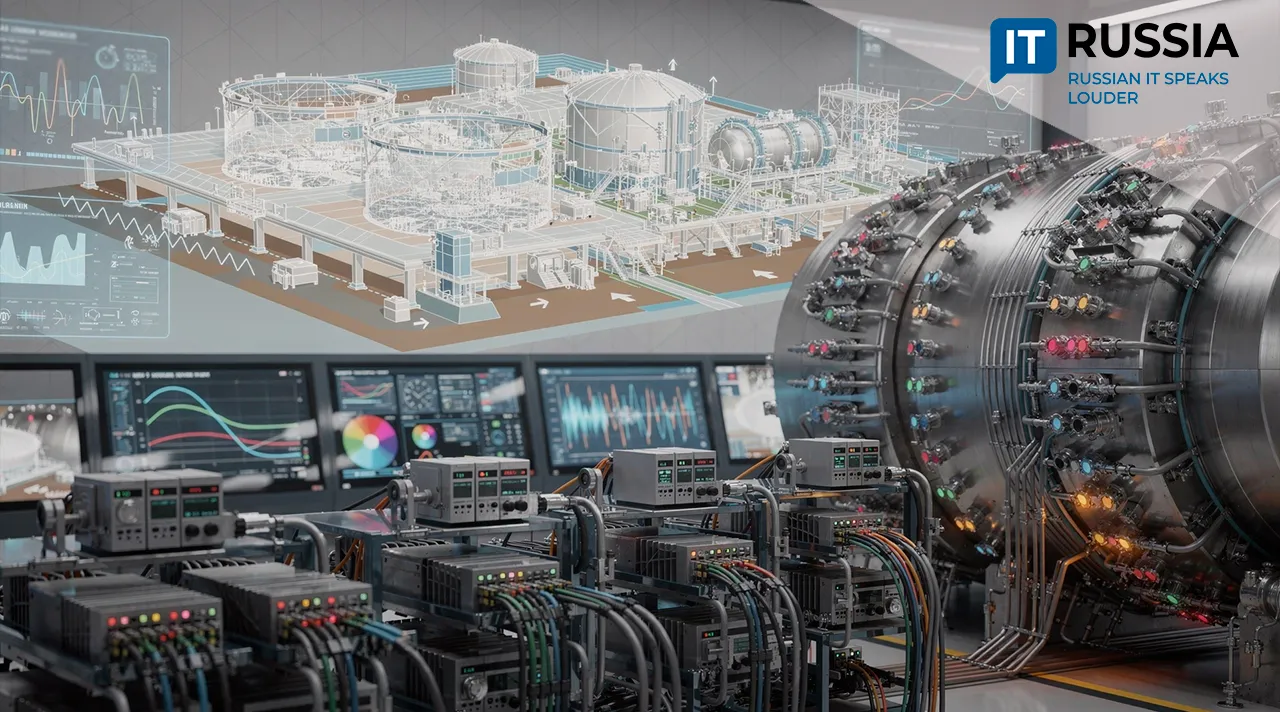
Training scenarios across six simulator complexes fully replicate the plant’s real production processes. The approach is not only safer – virtual reality training can help prevent workplace injuries by allowing students to practice emergency response procedures before entering an operating facility – but also far more effective than conventional instruction. Trainees can pause processes, repeat operations hundreds of times and disassemble equipment “bolt by bolt” without shutting down an actual production line. Maria Aitova, head of personnel and social initiatives at the company, explains: “We are actively deploying new technologies not only in manufacturing itself, but also in training future metallurgists. By the time graduates arrive at the plant, they will already be familiar with the equipment and will adapt much faster.”
The simulators include scenarios with varying levels of difficulty, while 3D equipment models reproduce real industrial systems down to the smallest bolts and fittings. One of the most notable features is multiplayer mode. Up to four people can work simultaneously inside the same virtual environment, seeing and interacting with each other in real time. Even exams can now be taken while wearing a VR headset.
An Industrial Metaverse for Blue-Collar Training
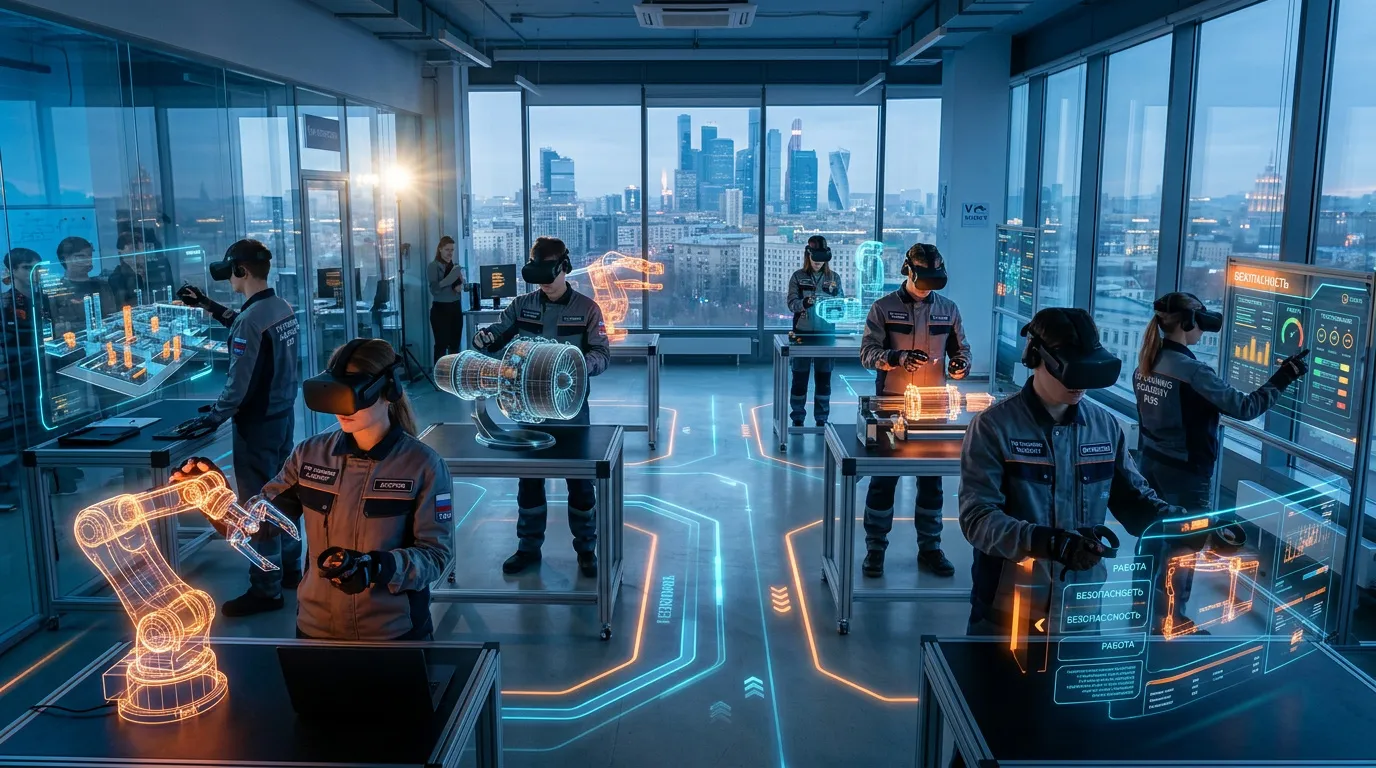
Russia’s corporate training market is rapidly moving toward digital formats. By 2023, the domestic AR/VR market was already valued at 3.5 billion rubles (about $46 million). And while VR headsets were once associated mainly with gaming and entertainment, industrial companies are now driving much of the demand. VTB, Gazpromneft, Sber and Russian Railways have all launched their own VR and AR centers. They are pursuing highly practical use cases: workforce training, equipment monitoring, remote operation of robotic manipulators and even industrial design. SimbirSoft, for example, developed a realistic VR drilling-rig simulator for an oil production company, allowing workers to rehearse emergency scenarios under actual safety protocols.
Global industry is moving in the same direction. Finnish engineering company Wärtsilä, which manufactures marine engines, has built an industrial metaverse for seafarers that includes realistic ship models and environmental zones simulating different weather and operating conditions. The system allows crews to gain experience with advanced equipment without risking an actual vessel. Volvo Cars, meanwhile, uses VR throughout the vehicle lifecycle. Engineers design and test parts inside virtual environments, evaluating scenarios that would be prohibitively expensive in the real world. Virtual environments have also become valuable for marketing teams, which use them to demonstrate different vehicle configurations to customers in digital showrooms.
Heat, Noise and Virtual Danger
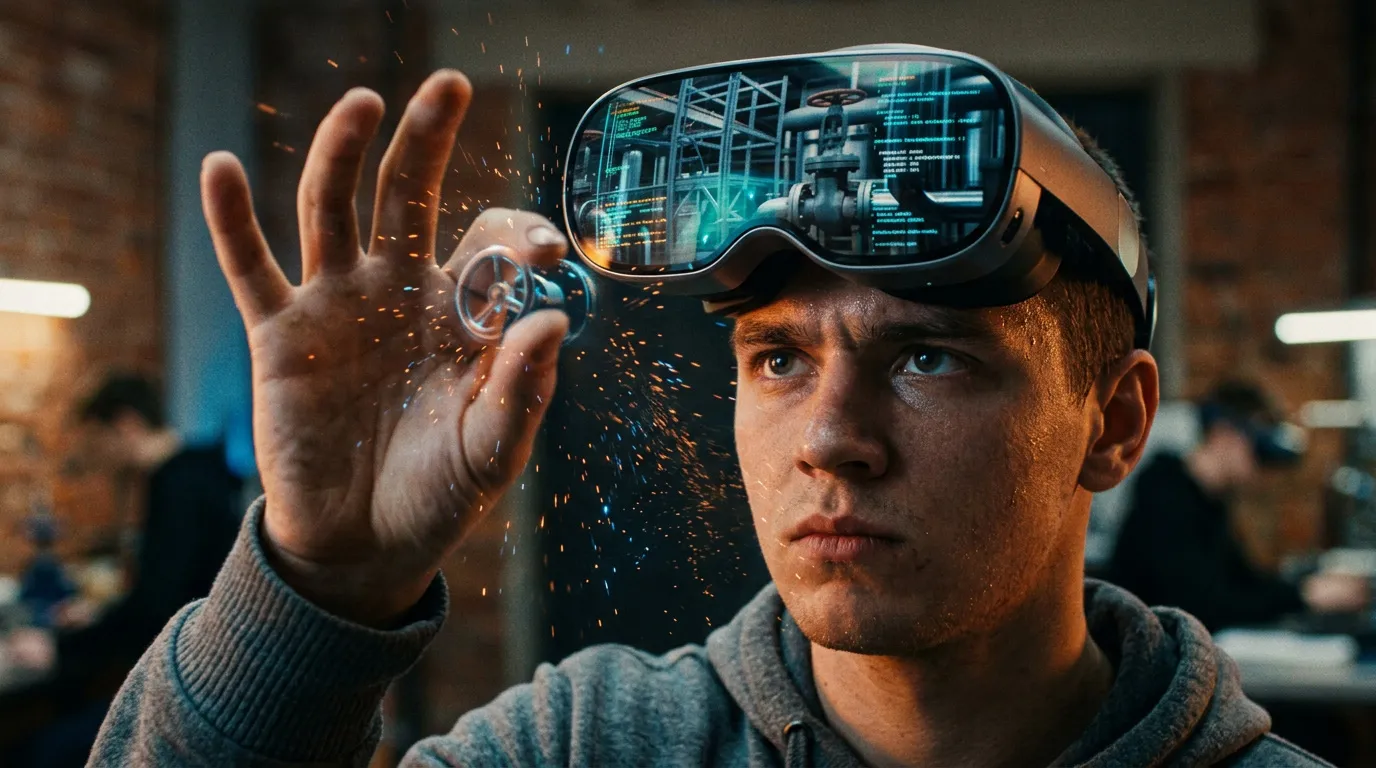
Industrial VR training has evolved from a novelty “wow effect” into an operational necessity. Several years ago, the Cherepovets Metallurgical Plant introduced VR simulators for rolling-mill operators. Workers practiced not only basic procedures, but also emergency situations where every second matters – such as replacing coating rollers or packaging metal products under time pressure. Even then, the virtual environment recreated the noise and heat of a real rolling mill in remarkable detail. That helped new employees arrive psychologically prepared for live shifts.
The next stage has been expansion into vocational education. In the Nizhny Novgorod Region, the Kulebaki Metallurgical College, supported by Ruspolimet, began building not just laboratories, but an entire digital learning environment under Russia’s Professionalitet vocational training initiative. Administrators concluded that embedding VR modules directly into educational programs was easier and more effective than spending months adapting graduates after hiring.
Even the mining sector has embraced immersive learning. At NUST MISIS, with support from BelAZ, a laboratory was launched where students study giant mining dump trucks through VR systems.
And now Altai-Koks has joined that movement. The company first launched the required educational specialties and built the supporting infrastructure around them. In 2025, it renovated the college auditorium and completely rebuilt both the electrical maintenance workshop and the coke chemistry laboratory. The new VR training environment now serves as the capstone of that modernization effort.
Where the Cost of Error Is High
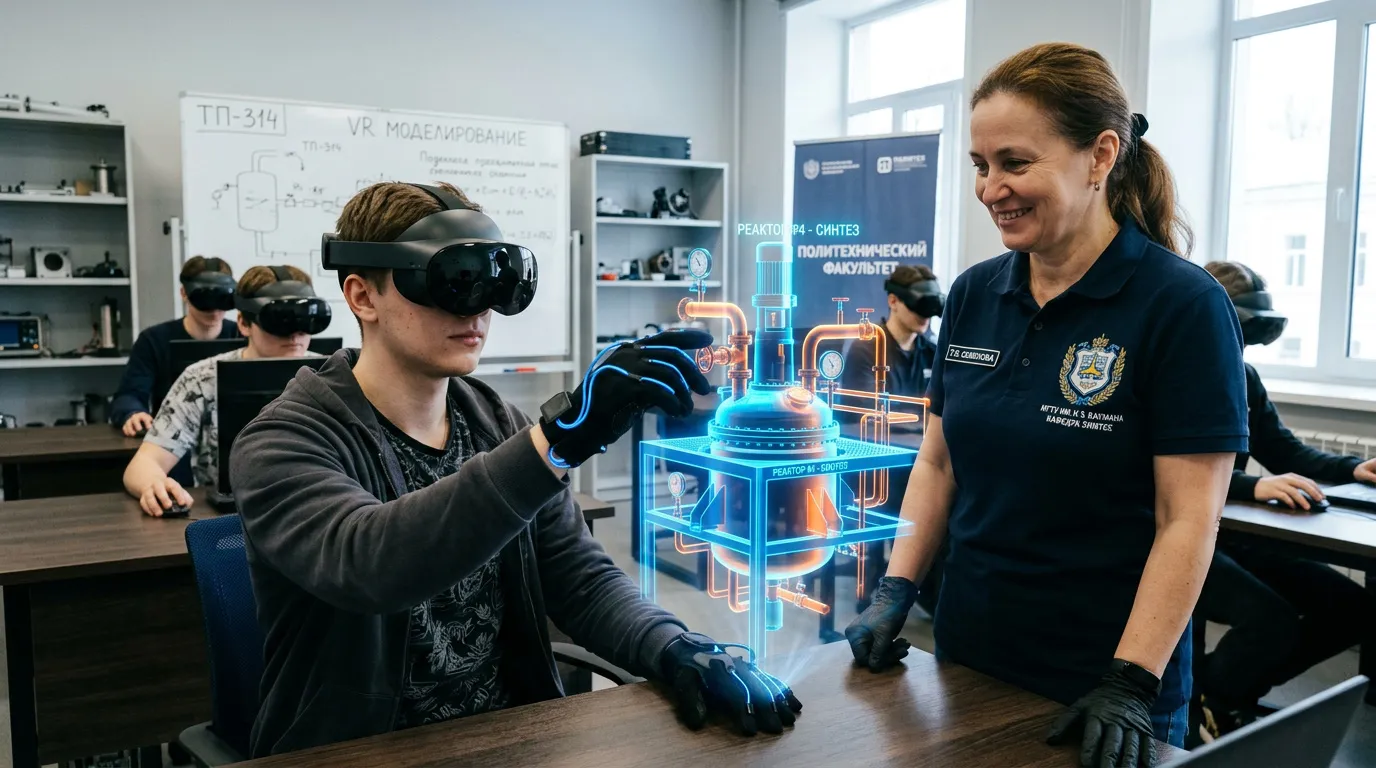
When businesses take responsibility for training future specialists from the workshop stage onward, the benefits extend to everyone involved. Industry experts broadly agree that AR and VR technologies are now advancing rapidly across manufacturing, education and healthcare.
That modernization wave is likely to spread into transportation, chemicals and mining – industries where the cost of mistakes remains exceptionally high. VR-based safety briefings and professional development simulators could very well become mandatory for active industrial workers in the near future.
These solutions also carry export potential, although in a different form. Russia is unlikely to export the hardware itself to Europe, but it can still export expertise in building custom VR simulators for unique industrial equipment.