Geoscan Launches “Pioner Hub” Robotics Platform for Education
Teachers in schools and colleges now have a single digital workspace – assignments, homework and, most importantly, a control point that decides when students can access real drones and robots.
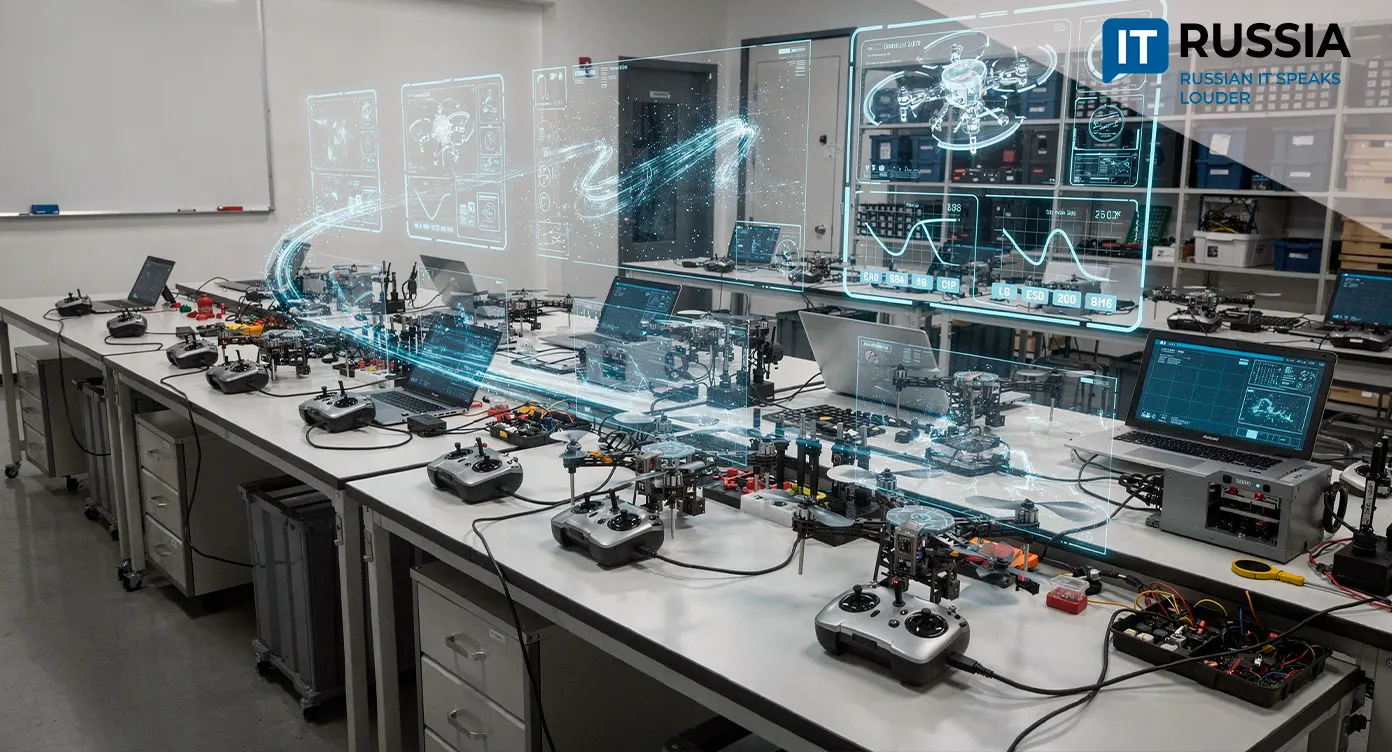
A typical robotics class often looks chaotic: students eagerly launch drones, noise fills the room. But how should teachers grade it – for a dramatic dive or a smooth landing? And what if a student succeeds by chance rather than understanding the theory? This is the gap Geoscan’s new digital platform addresses. In schools and colleges equipped with Geoscan hardware, a structured digital workflow is taking shape. The system records every maneuver, checks practical work and then decides if a student can use real equipment.
Scaling “Pioner” Nationwide
Each drone is just a tool. But combined with assessment tools, teaching materials, performance dashboards and simulators, it becomes part of an engineering pipeline. A market that once focused on supplying hardware to schools is becoming a full digital learning environment.
To put this in perspective: by the end of 2024, Geoscan delivered 13,000 “Pioner” training quadcopters to schools and colleges across 25 regions. At the time, Geoscan CEO Alexey Yuretsky said: “The volume of government orders for educational organizations pushed us – this year alone we produced and delivered more Pioner units than in all previous years combined. But delivering hardware is not enough. These drones must be used in practice. We see our role in helping teachers learn this new field.”
From a Bird’s-Eye View
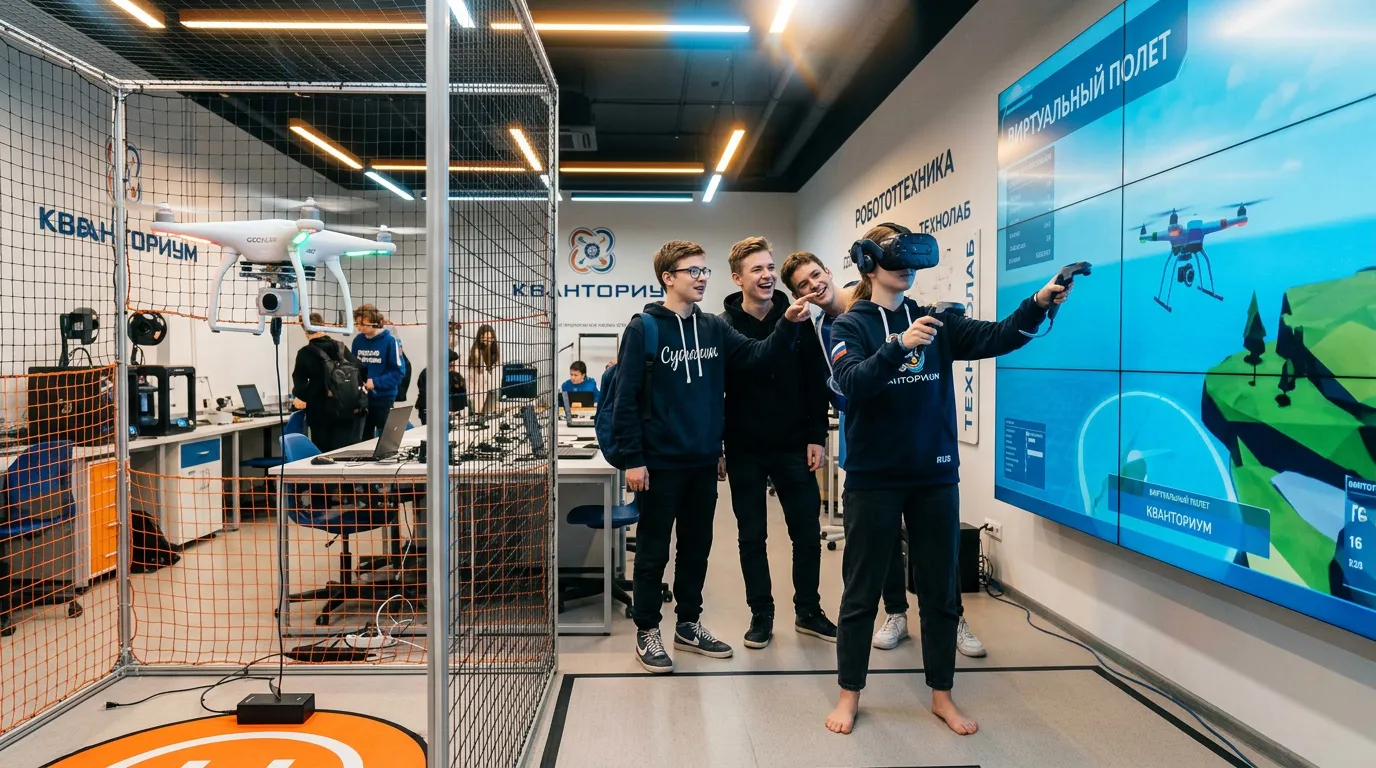
So far, the platform works with the “Pioner Drone Sim” manual piloting simulator. More integrations are coming. Geoscan plans to add autonomous mission capabilities and the “Pioner Code LMS” module. Students should not jump between tools but work in one system. Manual control, coding, simulation and real flight – all in one interface.
For families in remote regions, this model gives a clear path into engineering careers. This is not an after-school hobby with simple devices – it is a structured learning path. Students begin with school modules, practice in simulators at home or in class, work with real drones and then continue into vocational education. From there, they can move directly into industries such as agriculture, geodesy or infrastructure monitoring.
The key issue is talent. The drone industry needs more talent. Instead of fragmented extracurricular clubs, a data-driven training system is taking shape, where each student’s progress is measurable. Next comes integration with federal curricula such as “Labor” (Technology), national competitions and regional training centers. Geoscan is developing lesson plans and working with the National Methodological Council.
What about external markets? As part of a bundled “hardware + software + methodology” package, this school-focused service can scale. Geoscan already operates in more than 50 countries. With proper localization, STEM education solutions like this could be in demand in the Middle East, Africa and Latin America.
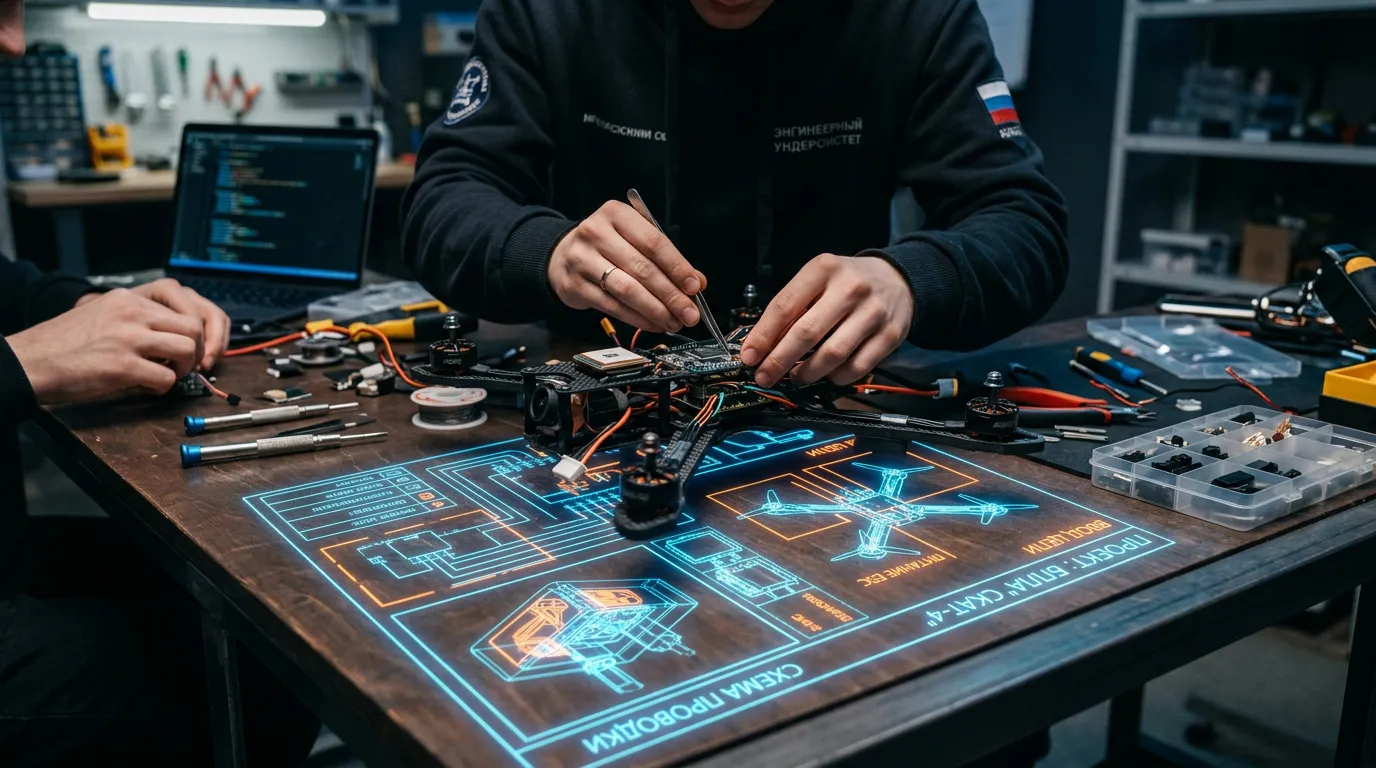
No Work, No Robot
This ecosystem began with building physical infrastructure. In 2023, the Ministry of Education planned to supply training drones to 2,436 schools and 190 colleges. A year later, 30 regions started receiving equipment for UAV training. The current development is the next stage – software integration.
In 2024, the Ministry of Transport announced the release of the country’s first UAV textbook for the “Robotics” module within the “Labor” curriculum. Government agencies and industry are now working together.
That same year, 13,000 Geoscan drones were delivered to 25 regions. In 2025, a UAV textbook for grades 8–9, developed with Geoscan and Prosveshchenie, received official approval and was added to the federal curriculum. Robotics is now a core subject.
In April, Geoscan signed an agreement with the National Methodological Council for technological education and published lesson plans. The company is building a full vertical system – from curriculum standards to hands-on simulator use.
Drone Operator From School No. 5
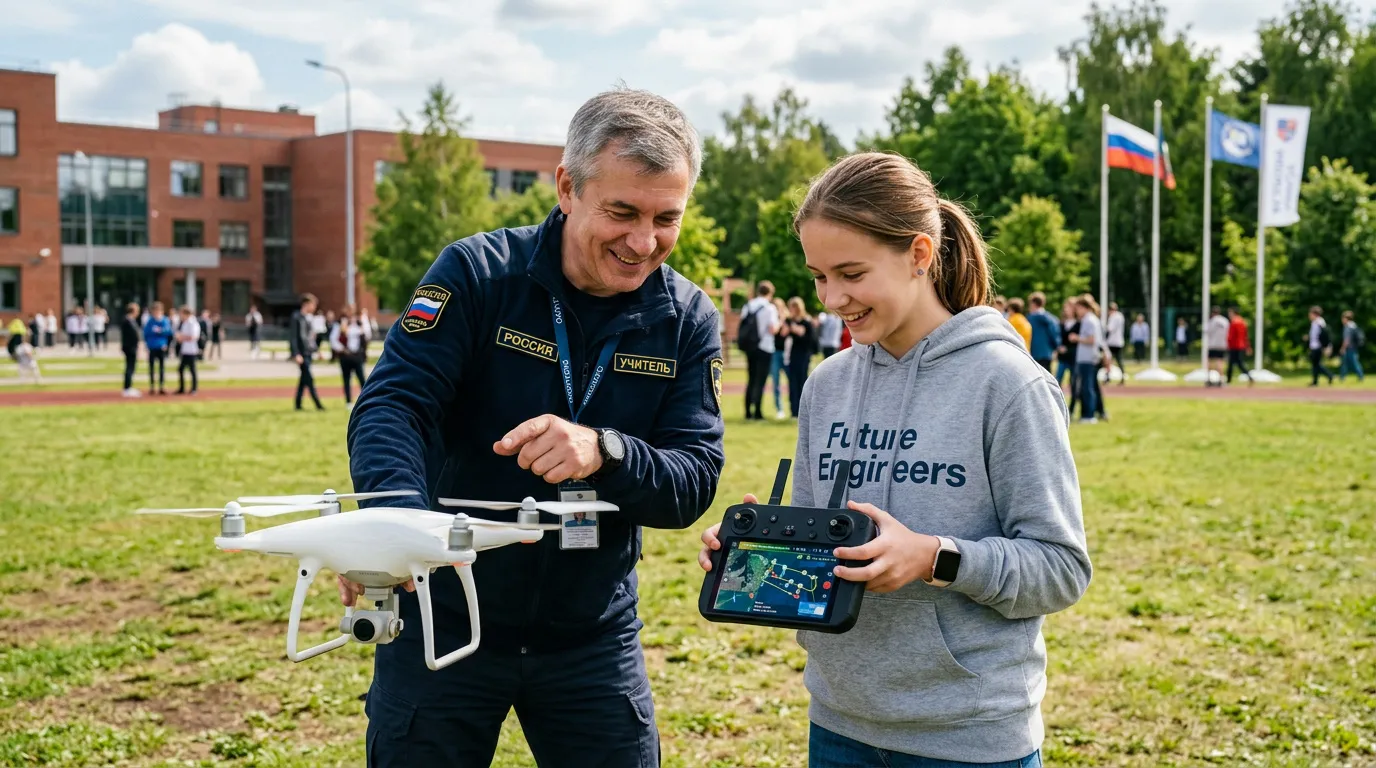
A few years ago, headlines focused on the “first drones in schools.” Today, the focus is now on full digital platforms. In the coming years, these ecosystems will grow. Teachers will get LMS platforms integrated with federal textbooks, competitions like JuniorProfi and student digital portfolios. Regional authorities will also get analytics tools to track student progress and talent development.
If Geoscan keeps this pace, it can move beyond a drone manufacturer into a provider of a fully integrated EdTech platform. At that point, Russia’s UAV education ecosystem can become an export product.