Cable 2.0: Industry Enters the Next Phase of Digital Transformation
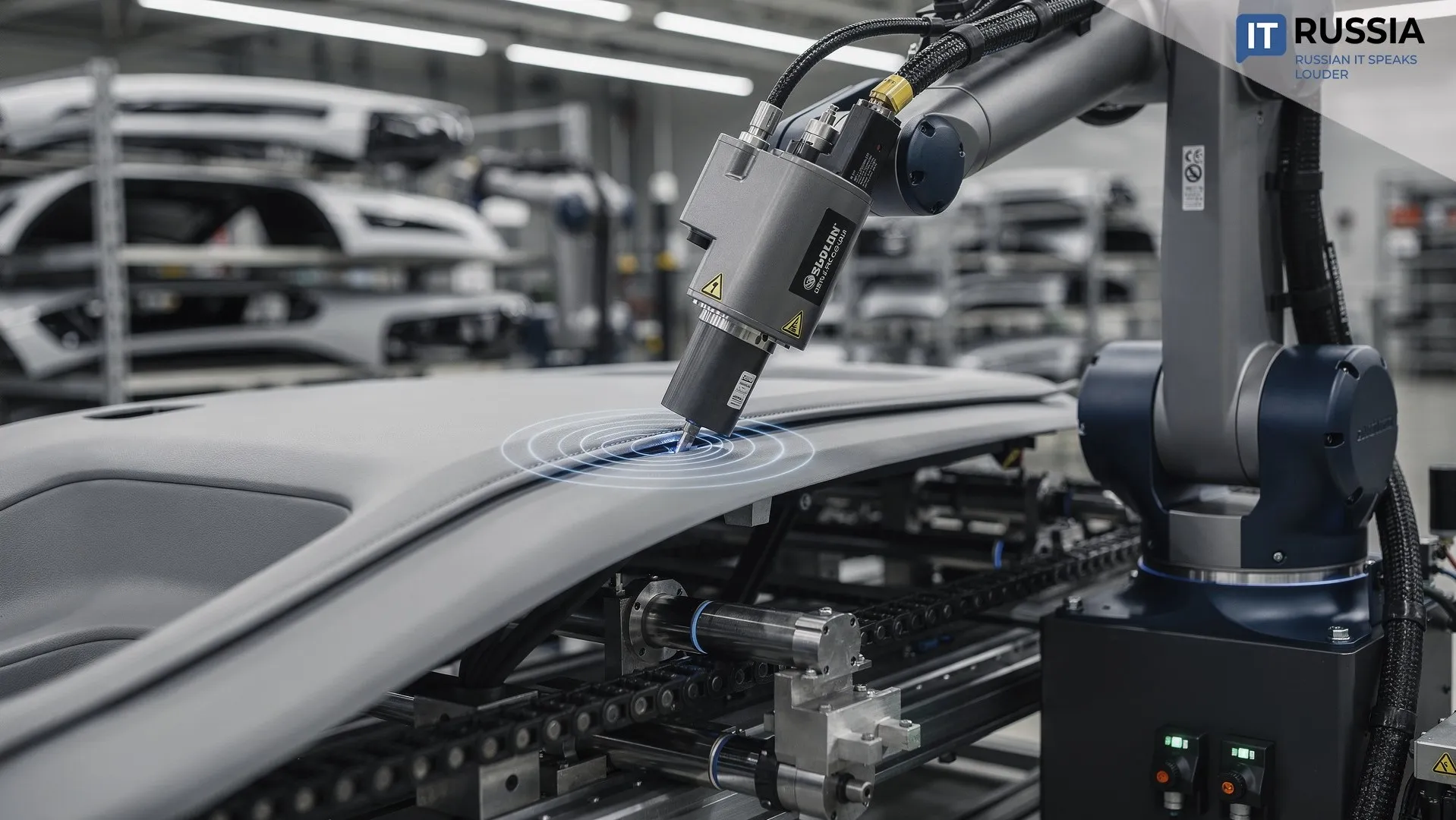
Researchers at Samarskiy gosudarstvennyy tekhnicheskiy universitet (Samara State Technical University, SamGTU) have developed software for the cable industry that helps manufacturers reduce defect rates directly during production.
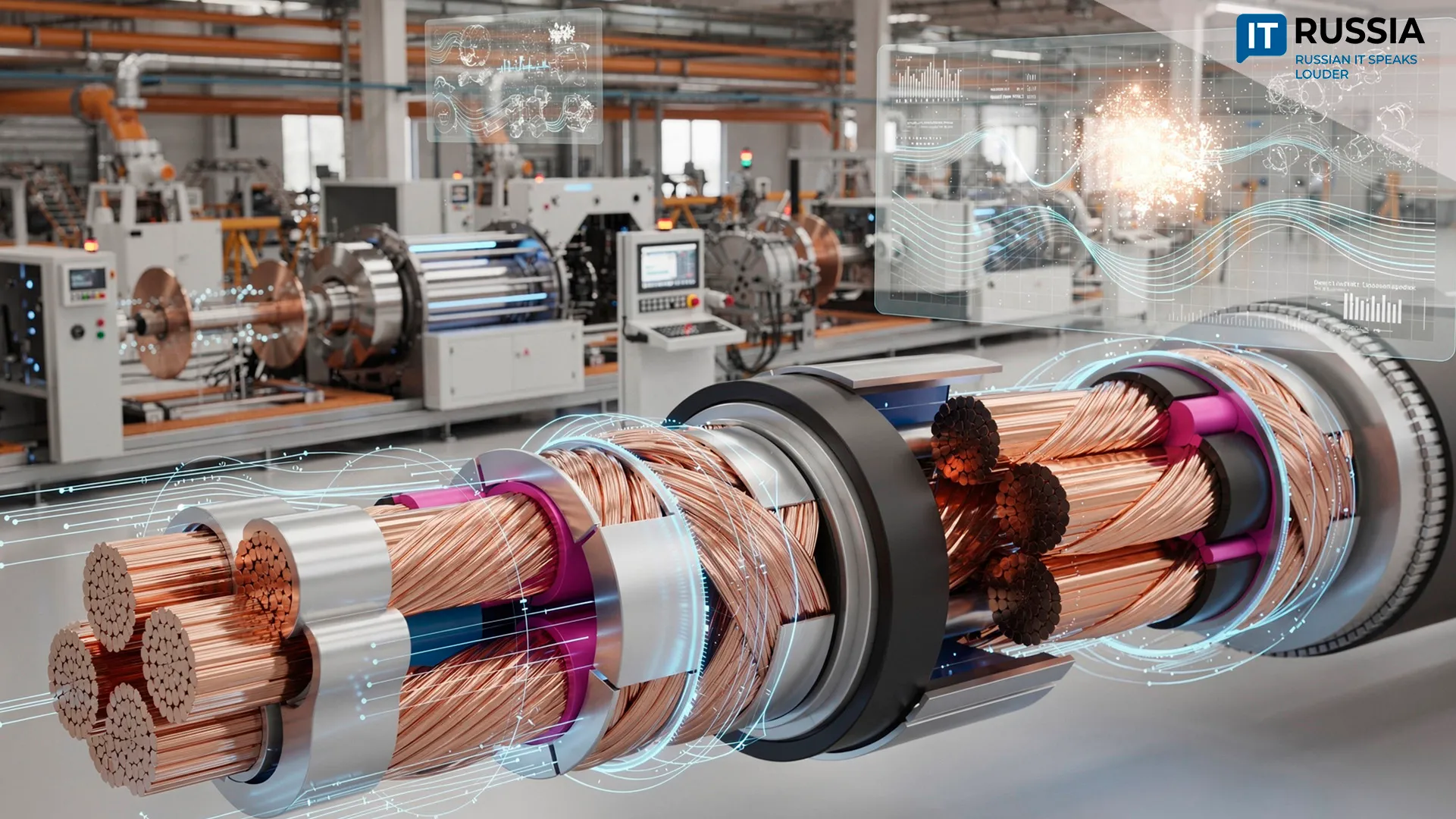
In cable manufacturing, parameters such as insulation thickness, conductor resistance, and geometric dimensions must be tightly controlled. Despite their critical importance, the industry has long lacked effective tools for digital analysis.
The new software developed at SamGTU integrates the Shewhart control chart, widely used in engineering to track process variability, into a digital environment for continuous monitoring of production lines. The system can operate with both real production data and simulated datasets, modeling hypothetical scenarios. This flexibility makes the solution applicable across the broader cable industry.
Smarter Cables, Smarter Production
The Samara-based development aligns with a broader national trend of increasing output while raising product quality and technological sophistication. Growth in the sector has been driven by modernization of existing facilities and the launch of new production lines and processes. As a result, Russian manufacturers have achieved near-complete import substitution in cable and wire products, with only a few niche categories remaining economically unviable due to limited demand.

Building on this production base, the industry is moving toward intelligent systems that combine sensors, connectivity, and integration with digital models, including digital twins, while supporting predictive diagnostics. The goal is to improve the reliability and efficiency of power grids through continuous monitoring, early fault detection, and optimized operating conditions.
One example is a recent development by PAO Kamskiy kabel, a 6 – 35 kV power cable with an integrated fiber-optic module. The embedded fiber acts as a temperature sensor, helping prevent overloads. Insulation condition is monitored using partial discharge sensors, which detect microscopic failures that often precede larger incidents.
AI Moves Into Grid Operations
At the national infrastructure level, the concept of digital twins is embedded in the Tsifrovaya set 2030 (Digital Grid 2030 strategy) led by PAO Rosseti. The company is building a unified digital model of the power system, covering more than 500,000 assets, including substations and transmission lines. Cable lines are an integral part of this model, with their routes and specifications digitized and, as sensor deployment expands, their real-time condition incorporated as well.

Over the past four years, the share of foreign equipment in Rosseti’s digital grid projects has dropped from 40 percent to 9 percent, while 99 percent of cable products are now supplied by domestic manufacturers. This shift means that digital twins will increasingly rely on data from locally produced sensors and integrate with domestic control systems. An ecosystem is taking shape where cable manufacturers, IT companies, and energy providers jointly develop digital models of the national cable infrastructure.
From a tooling perspective, the market is shifting toward integrated predictive analytics solutions in the energy sector. These systems combine sensors, network controllers, cloud platforms, and AI modules to process large volumes of data, often integrating with enterprise dispatch and control software.
Reliability and Technological Independence
Russia’s cable industry has reached a new stage of import substitution, forming a stable and technologically advanced sector aligned with both domestic needs and global trends.
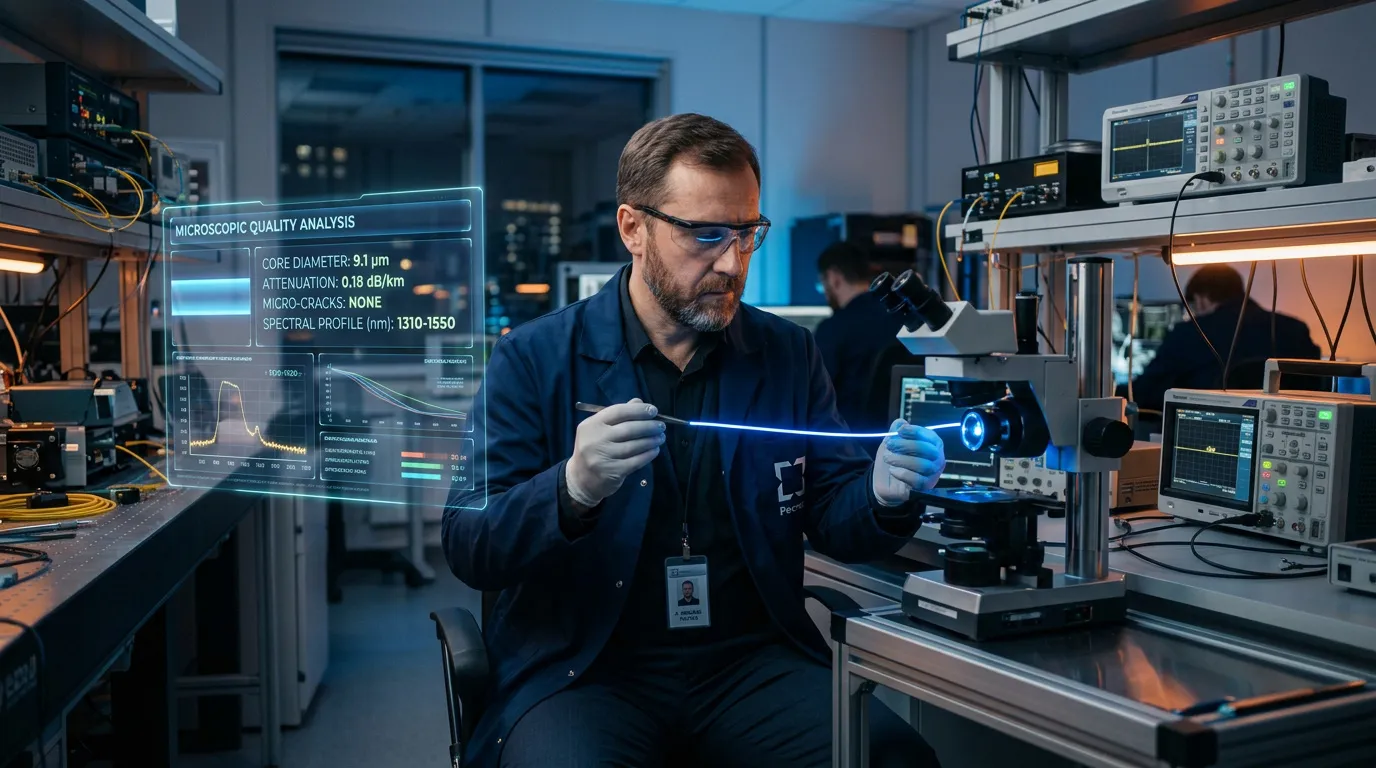
In the coming years, the share of “smart” cables is expected to increase. Standardized monitoring platforms for cable networks may emerge, potentially developed by organizations such as Rostec, Rosatom, or private system integrators. The market for predictive maintenance software is also expected to grow, with global growth rates estimated at 30 to 35 percent annually, a trajectory likely to be mirrored in Russia.
Within the next three years, major grid operators are expected to deploy data centers or cloud services to aggregate information from hundreds of sensors and apply trained models for forecasting. For example, a neural network may flag a cable that appears to operate normally but is likely to fail within six months, enabling preventive replacement. As a result, reliability metrics such as SAIDI and SAIFI are expected to improve in regions with advanced digital grid adoption, encouraging broader progress toward higher levels of digital maturity.
Within this fully localized ecosystem, the SamGTU development plays a role in supporting grid reliability and data security. Bringing scientific research into industrial deployment strengthens Russia’s energy security and reduces dependence on foreign technologies.