Automation Takes Root at Mayak: Kirov Plant Develops Its First Automated Coating System
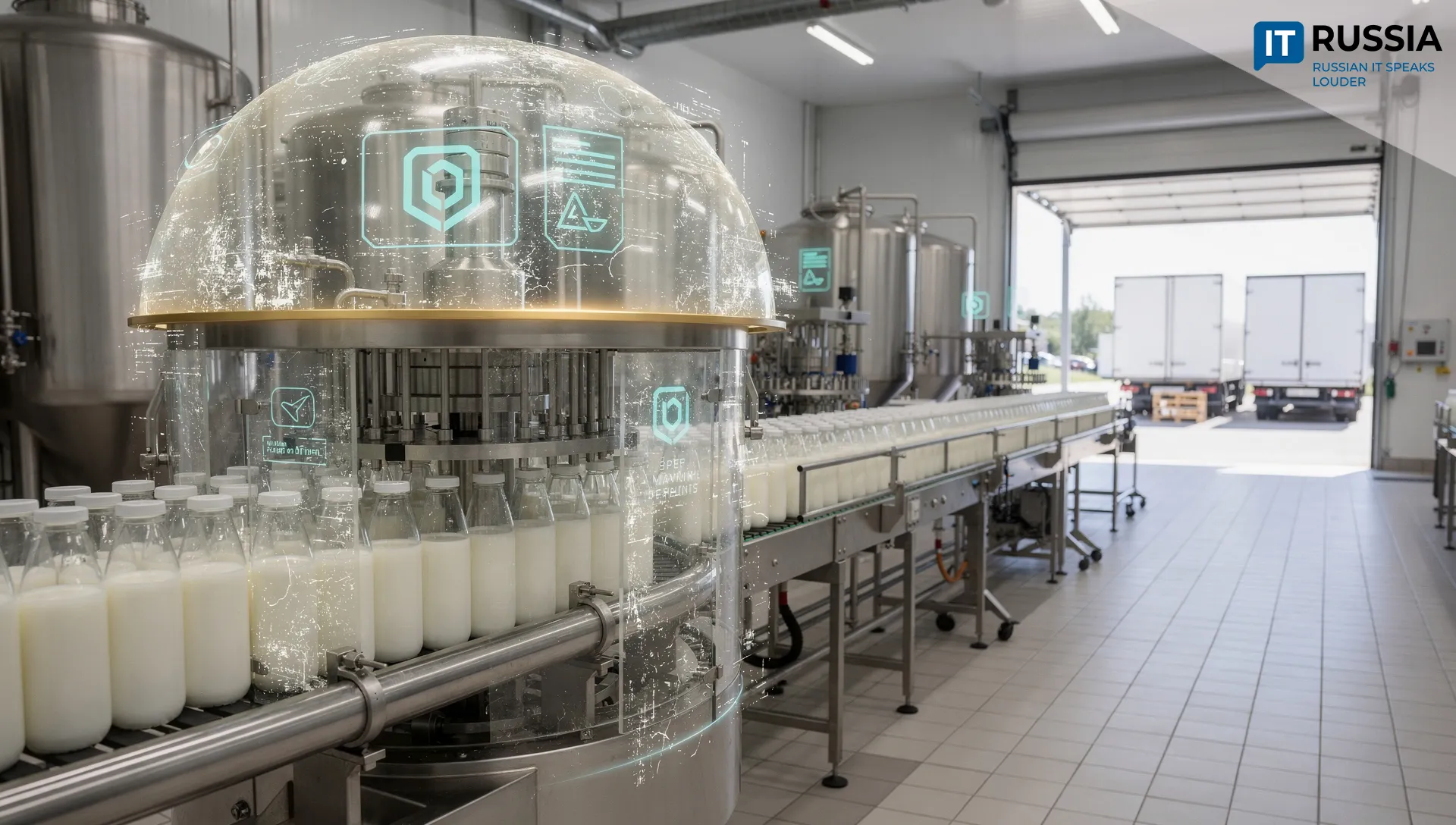
Engineers at the Mayak Kirov Plant have developed the company's first automated system for applying protective coatings to industrial components.
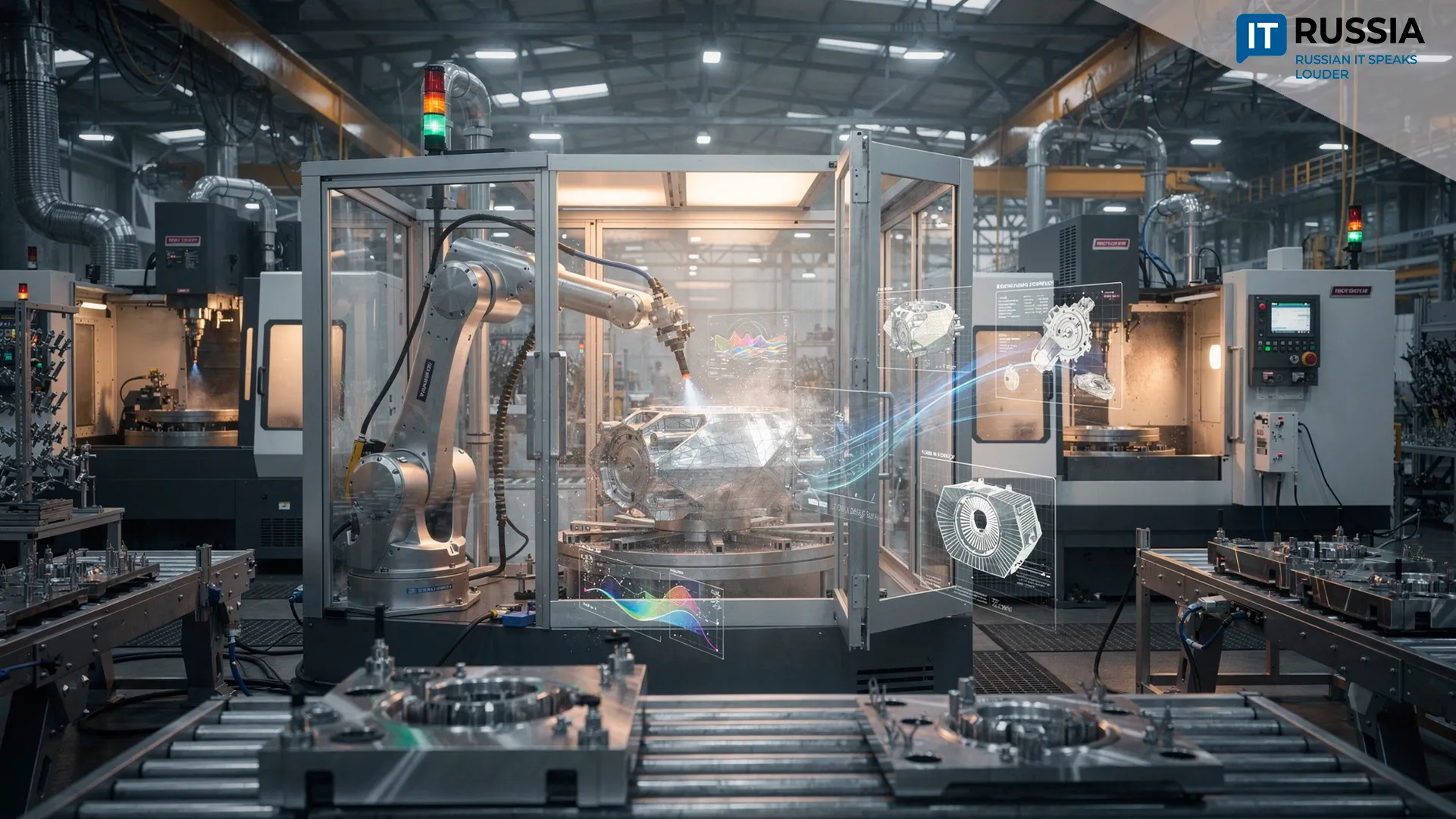
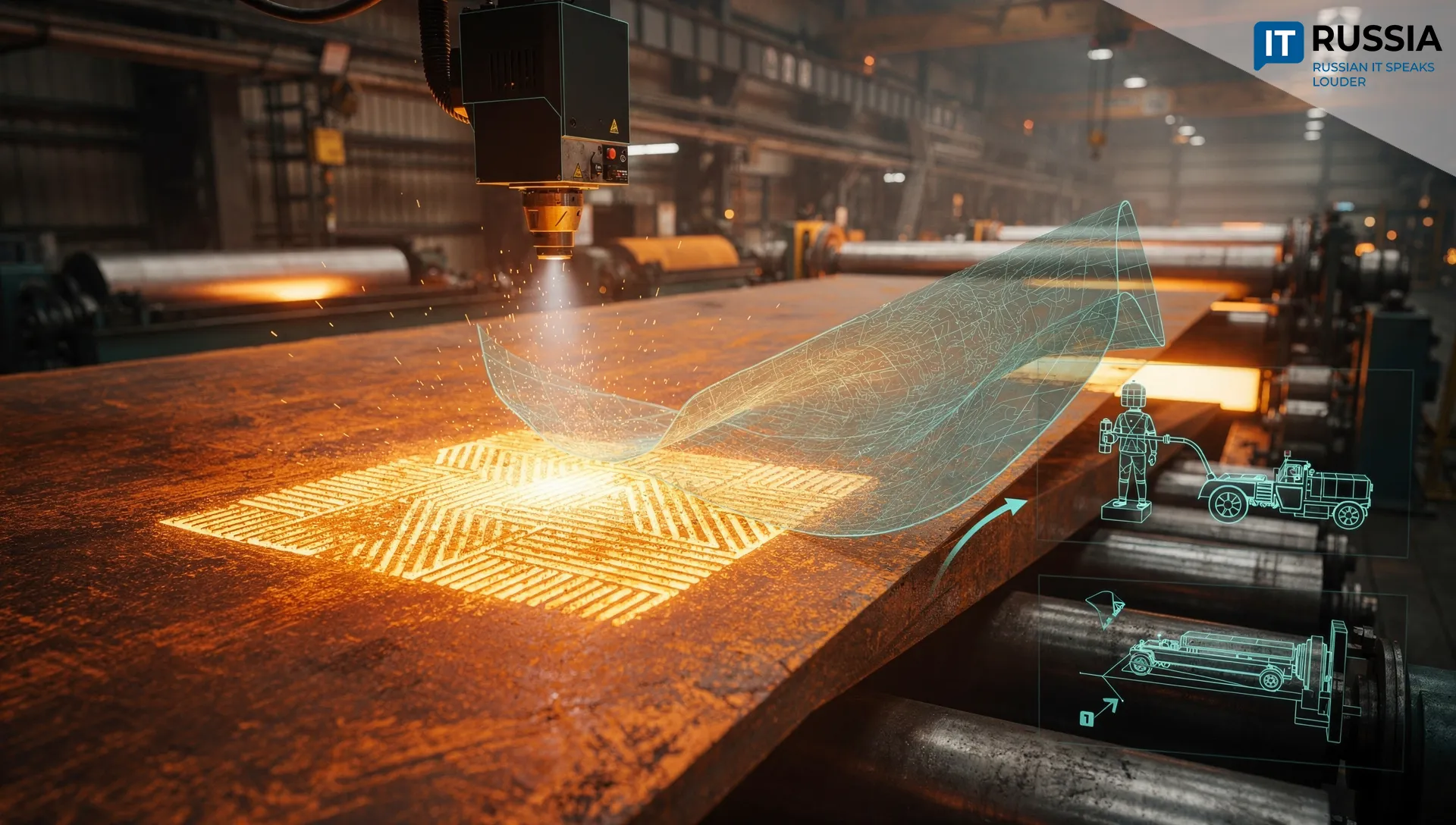
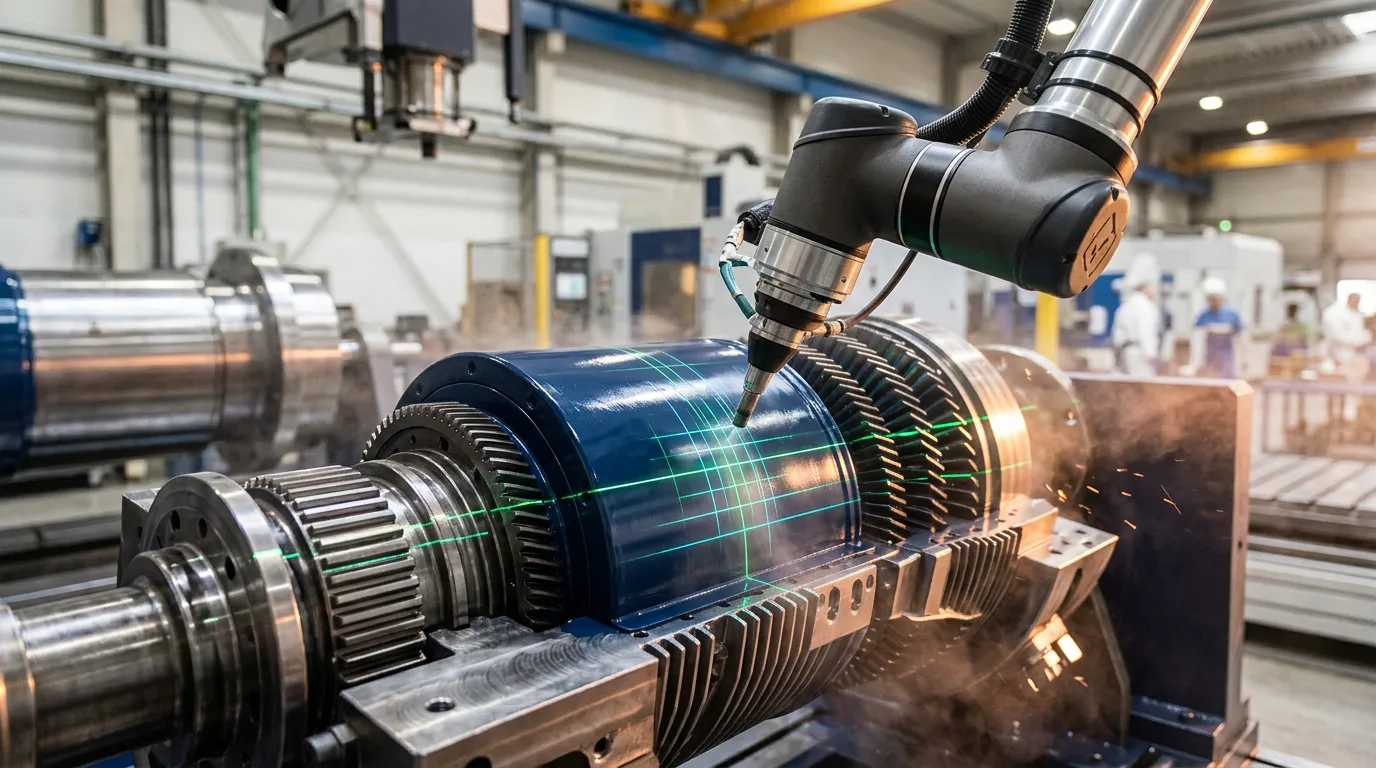
In high-tech manufacturing, even small mistakes can be costly, especially when applying specialized protective coatings to precision parts. Until recently, that process at the Mayak Kirov Plant, part of the Kalashnikov Concern, depended heavily on manual craftsmanship. Operators applied the coating by hand, meaning the final result varied with each worker's skill and even day-to-day consistency. Some parts received thinner layers, others thicker ones, requiring additional finishing work. Engineers at Mayak set out to turn that craft into a repeatable manufacturing process. The result is the plant's first automated system for applying specialized protective coatings.
The Art of Precision
The primary goal of the new system is to deliver consistent coating quality while reducing the labor required for the process. Manufacturing technology must produce stable and predictable results. The equipment has successfully completed testing, has been transferred to production, and is now undergoing commissioning. Meanwhile, the engineering team is closely monitoring its performance to identify refinements needed to achieve optimal results. Work on a second-generation system is already underway.
Automated coating lines have long existed overseas. Now a Russian manufacturer is demonstrating that it can design and build equipment tailored to its own production requirements. That represents technological independence in its most practical form – developing critical manufacturing equipment in-house instead of waiting for outside suppliers.
Soviet-Era Machines Find a Second Life
Developing the coating system became possible after Mayak established a new Automation and Robotics Department. Engineers there design original equipment for automating inspection operations, mechanizing production workstations, and even recreating machine tools that have long disappeared from production or are no longer available on the market.
One striking example is the revival of Soviet-era electro-diamond machines used to cut slots in fastening components. The original technology had effectively been lost, and no equivalent machines are commercially available today. Mayak's engineers took on the challenge and are building modern versions of those machines, restoring manufacturing capabilities that might otherwise have disappeared.
The company's next objective is to become a manufacturer of its own automated and robotic production systems. Mayak has everything it needs to achieve that goal, supported by expanding production volumes and, even more importantly, by the expertise of its engineering team. The newly developed coating system could become the foundation for an entire family of specialized machines, since coating application, painting, and adhesive and sealant dispensing rely on many of the same technological principles.
Cobots as Shop Floor Partners
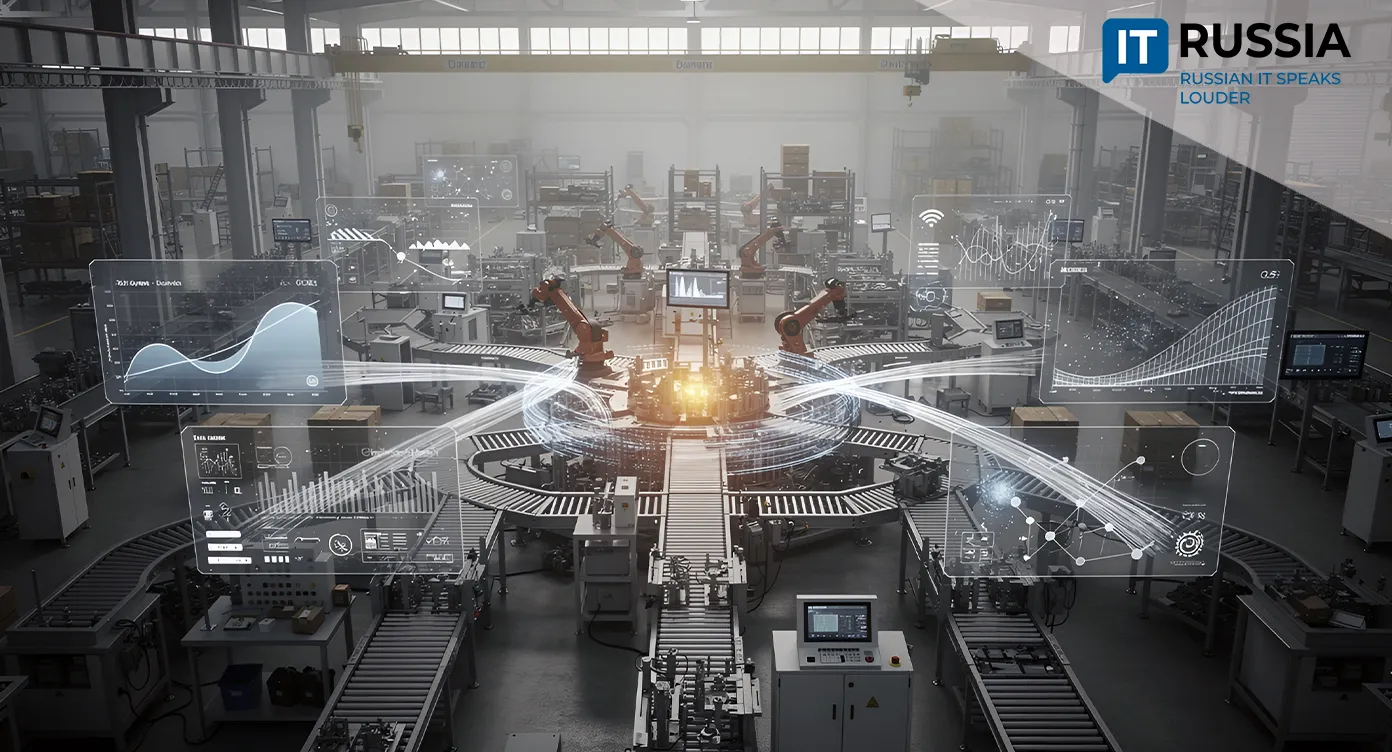
Industrial robotics is increasingly becoming part of everyday manufacturing in Russia. The Russian government designated the digital transformation of manufacturing as one of its national priorities in 2023, helping drive growth in the country's industrial robotics integration market. Industry exhibitions now feature a broad range of robotic solutions for welding, machine tending, quality inspection and, notably, coating applications. Mayak has also commissioned new CNC machining centers as part of that broader modernization effort.
In 2025, Kalashnikov is rolling out its proprietary OWL SCADA system for real-time defect monitoring and quality control. The platform collects and analyzes production data, giving manufacturers greater visibility into factory operations. That marks another step toward a smart factory where not only physical production processes but also operational management are automated. In parallel, Mayak has launched in-house production of composite components using its own filament winding machine, reducing reliance on outside suppliers while lowering manufacturing costs.
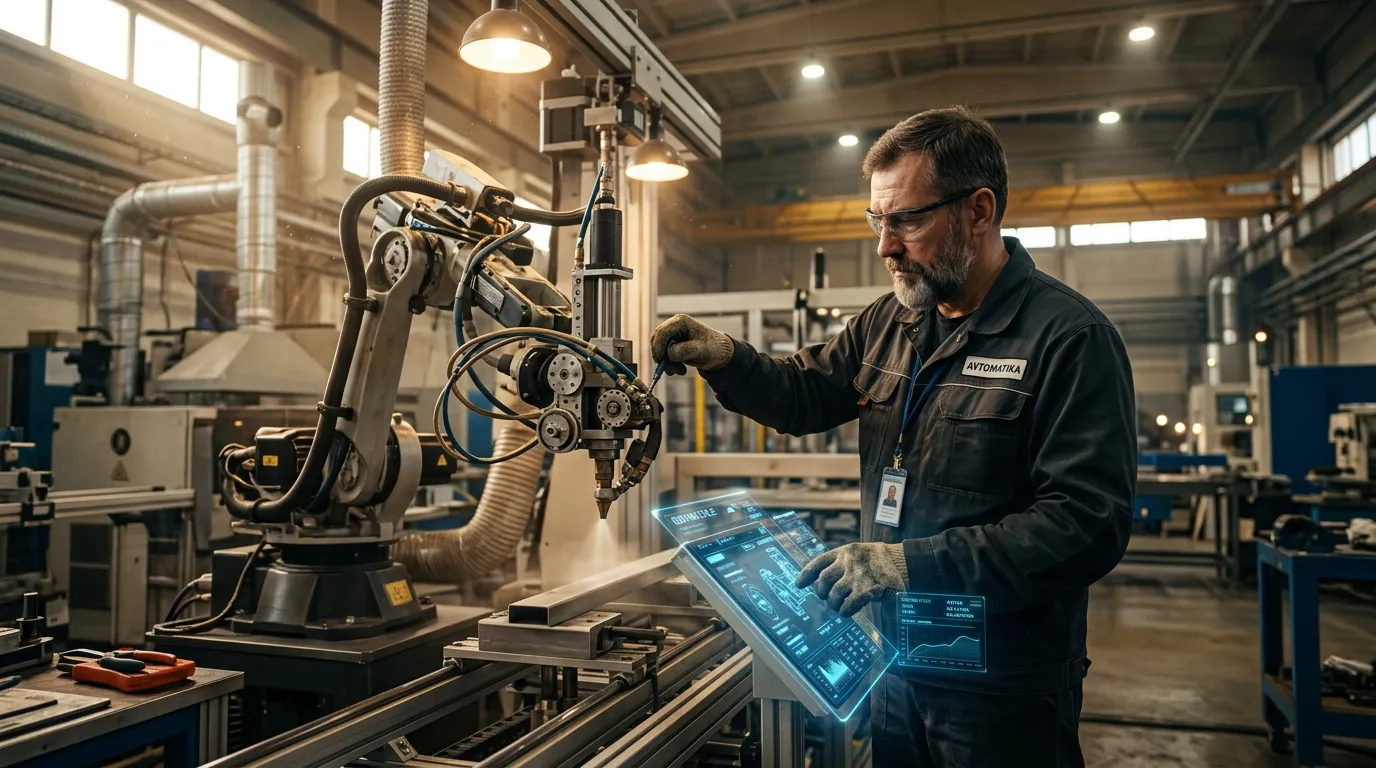
This year, Mayak also began introducing collaborative robots, or cobots, that will work alongside employees in its machining shops. The launch of the company's own automated coating system marks another milestone in that modernization effort.
Build It Yourself
Mayak's new coating system illustrates a broader trend across Russian industry. In 2024, Russia's industrial robotics production increased 4.5-fold compared with 2023, reaching 7.6 billion rubles (approximately $97 million). The domestic robotics market is valued at 10.3 billion rubles (approximately $131 million). The country's installed base of industrial robots grew by 62% during 2024, reaching 20,864 units.
Regional growth has been particularly notable. In Krasnodar Krai, for example, the number of industrial robots increased 2.5-fold, while Moscow recorded nearly the same rate of growth. Automation is spreading across an expanding range of industries and regions. Even so, many manufacturers have yet to adopt robotics, citing limited need, insufficient investment resources, or shortages of qualified personnel.
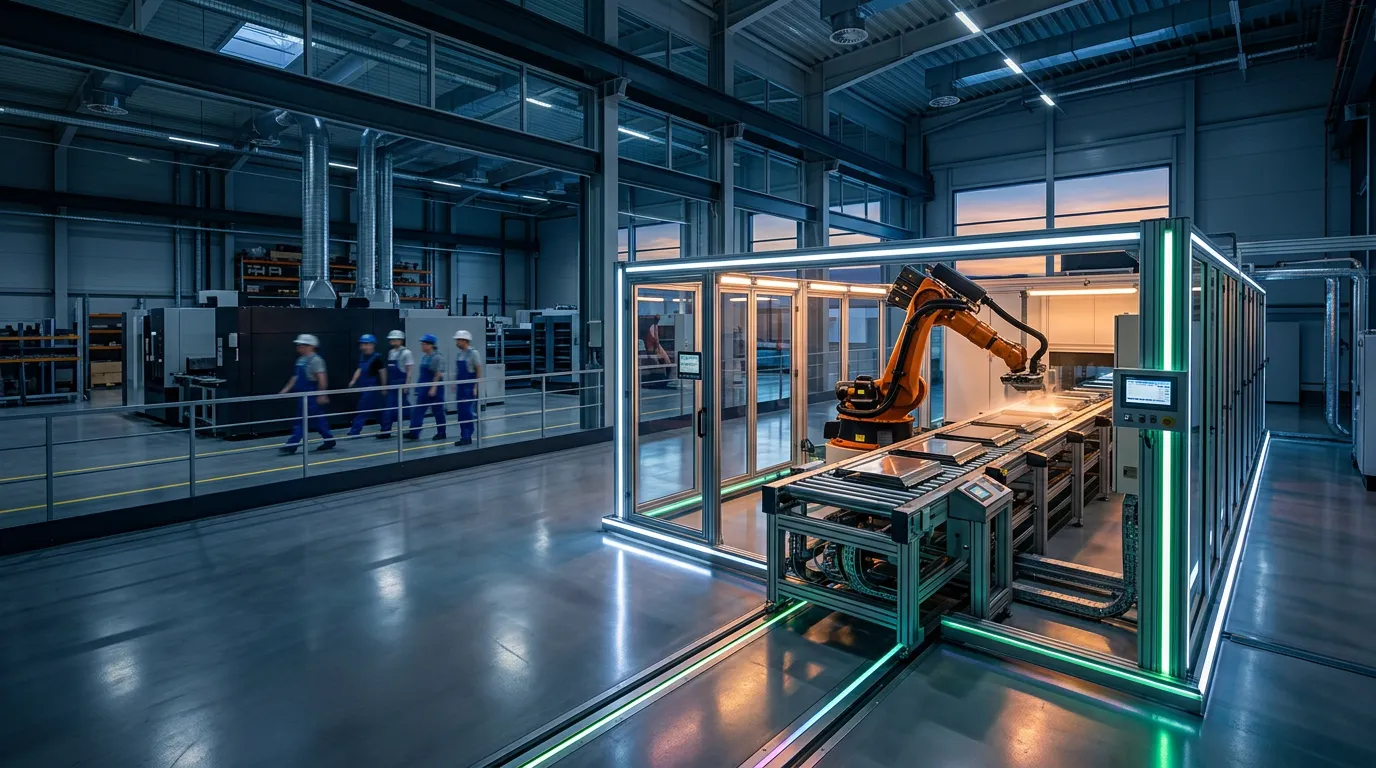
Mayak's experience points to what may be the most effective path forward. Rather than waiting for an off-the-shelf product that either was unavailable or did not meet its requirements, the company established its own engineering department and developed the technology itself.