MAX Messenger Turns Into a Tool for Finding Free Wi-Fi Hotspots
Russian regions are beginning to use the MAX messenger platform to launch chatbots that help people quickly find free internet access points during mobile internet disruptions.
Several Russian regions have recently experienced intermittent mobile internet outages because of drone-related security restrictions. During such disruptions, Wi‑Fi access becomes essential for staying connected. The challenge is finding the nearest hotspot quickly and reliably.
Finding Wi‑Fi in Yaroslavl Region
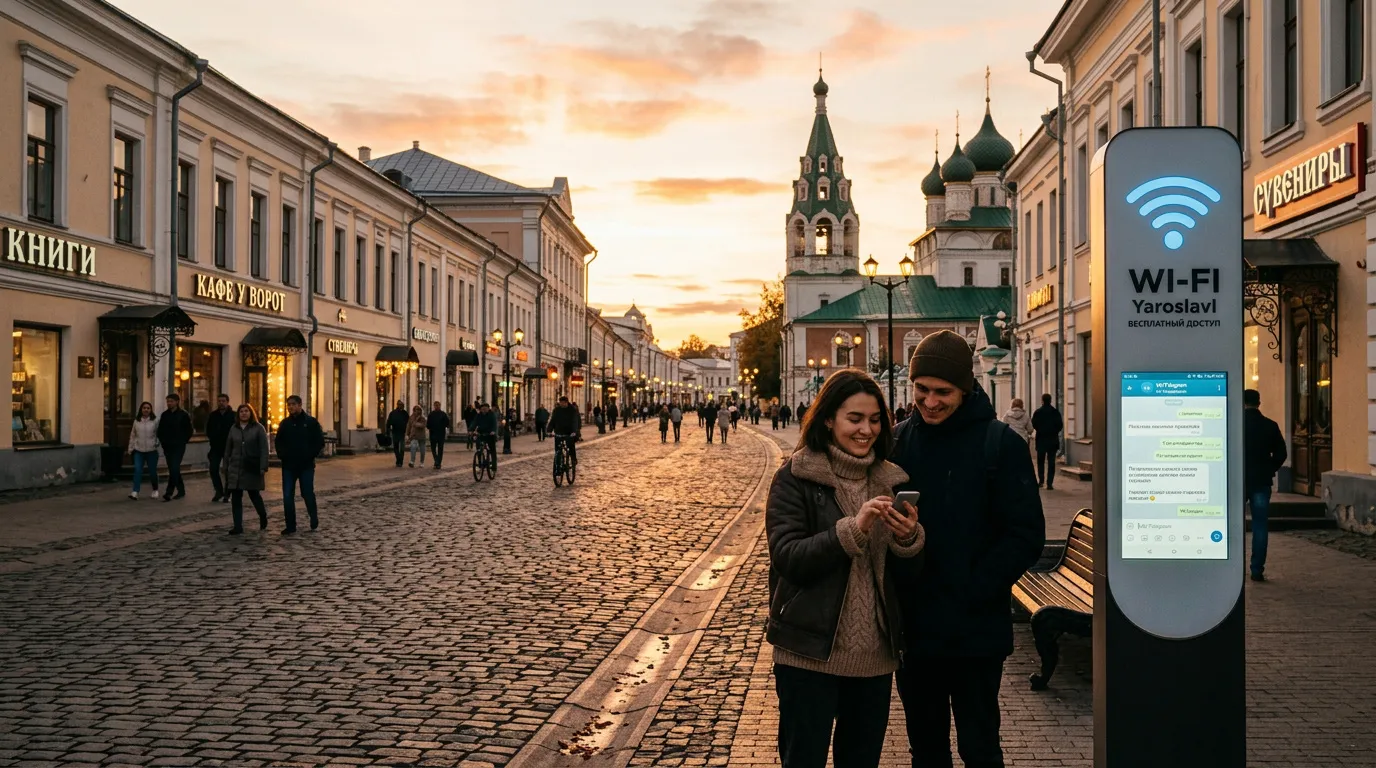
Authorities in Yaroslavl Region addressed the problem by launching a dedicated chatbot inside the MAX messenger platform. The bot, called “Wi‑Fi. Yaroslavl Region,” helps users locate the nearest free internet access point in seconds. The service was developed as part of Russia’s national “Data Economy and Digital Transformation of the State” initiative launched under President Vladimir Putin.
Users can either share their geolocation or manually enter an address. The chatbot then displays the approximate distance to the nearest Wi‑Fi hotspot along with the network name needed for connection.
The service currently contains information on 224 access points. In downtown Yaroslavl, for example, free internet is available near 10/25 Kirova Street, 14 Chelyuskintsev Square, 15 Volzhskaya Embankment, and several other locations. Regional officials say the database will continue to expand on a regular basis.
The Number of Access Points Keeps Growing
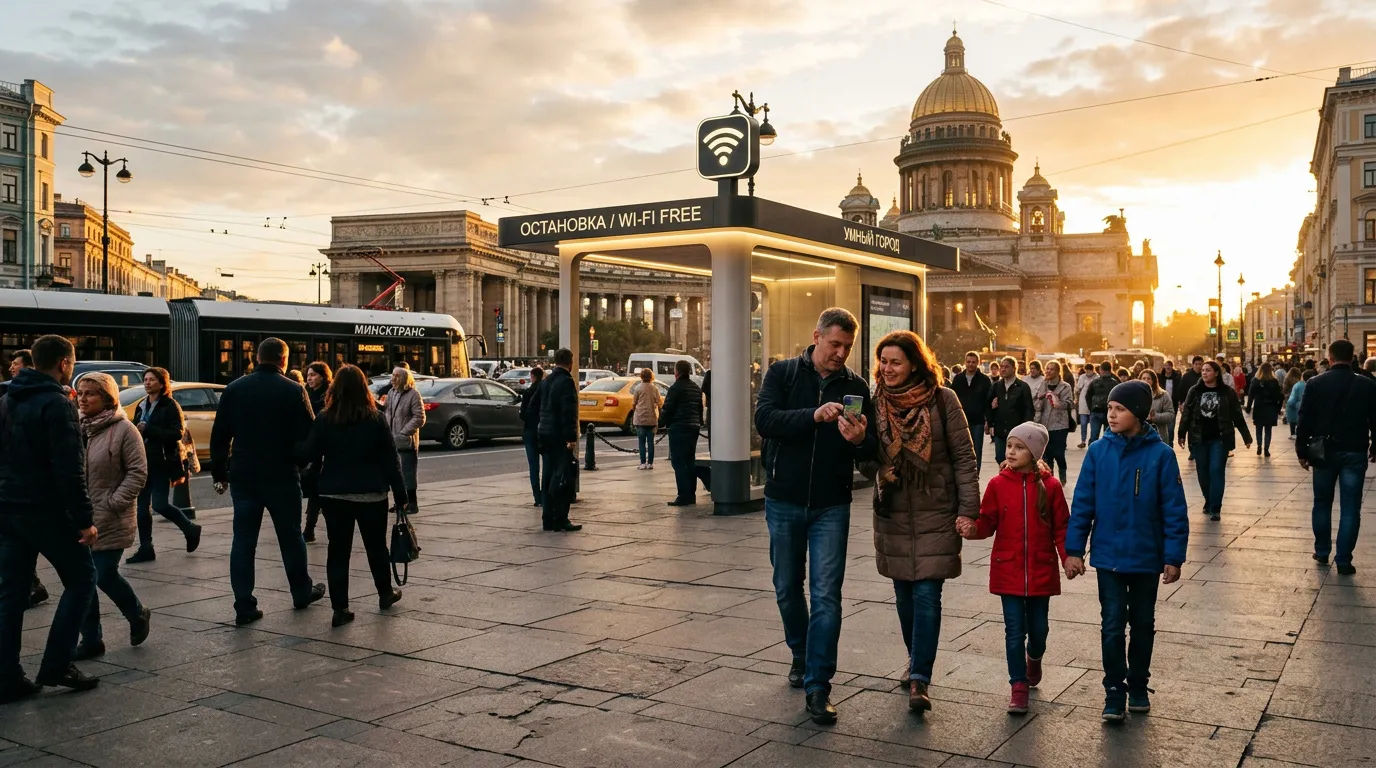
In early May, regional authorities announced a further expansion of the free Wi‑Fi network. New hotspots appeared along Voznesensky Boulevard – from the veterans hospital building to the walls of the Yaroslavl Museum‑Reserve, where two access points are operating – as well as on Nakhimson Street near City Hall, at the intersection of Maksimov and Trefolev streets, and in the square near the Leonid Trefolev monument.
“Previously, free Wi‑Fi was available mainly in airports, cafés, business centers, or shopping malls. Now we have brought internet access into open public spaces – pedestrian streets, boulevards, and parks. We continue working to provide residents with convenient digital services and internet access,” said Yaroslavl Region Digital Development Minister Maksim Bartykov.
A Tool for Digital Resilience
The MAX messenger platform has already established itself as a tool for maintaining regional digital resilience. Because the application is included on the Russian Ministry of Digital Development’s “whitelist,” it continues operating even during mobile internet restrictions. That is why, for example, Tula Region launched a chatbot for locating internet access points as early as last year. The same bot also includes a directory of emergency shelters.
In April this year, a similar MAX chatbot became available to residents of Saratov Region. There, developers introduced an additional feature: the system regularly collects information from local organizations to expand the list of Wi‑Fi distribution points.
Efforts to build services for locating public internet access points are also underway at the federal level. Last August, WiFly launched an interactive map covering Russia and CIS countries that displays free Wi‑Fi hotspots. The service aggregates network names and maps access points in public locations such as cafés, restaurants, shopping centers, gas stations, fitness clubs, and libraries. Developers emphasized that user data is securely protected and that all businesses and facilities included on the map undergo verification procedures “guaranteeing the accuracy of the information.”

Demand Is Expected to Grow
It is increasingly clear that the number of services helping users locate free internet access points will continue to expand in the near future. Public demand for such tools is rising steadily. Telecom operators are also investing in broader Wi‑Fi coverage zones, both as a convenience for subscribers and as a way to attract new users.
Russia is effectively building a reserve communications infrastructure designed to function during periods of mobile internet restrictions. That includes expanding networks of public internet access points as well as deploying services that help users find them quickly.