Personal AI for Every Engineer
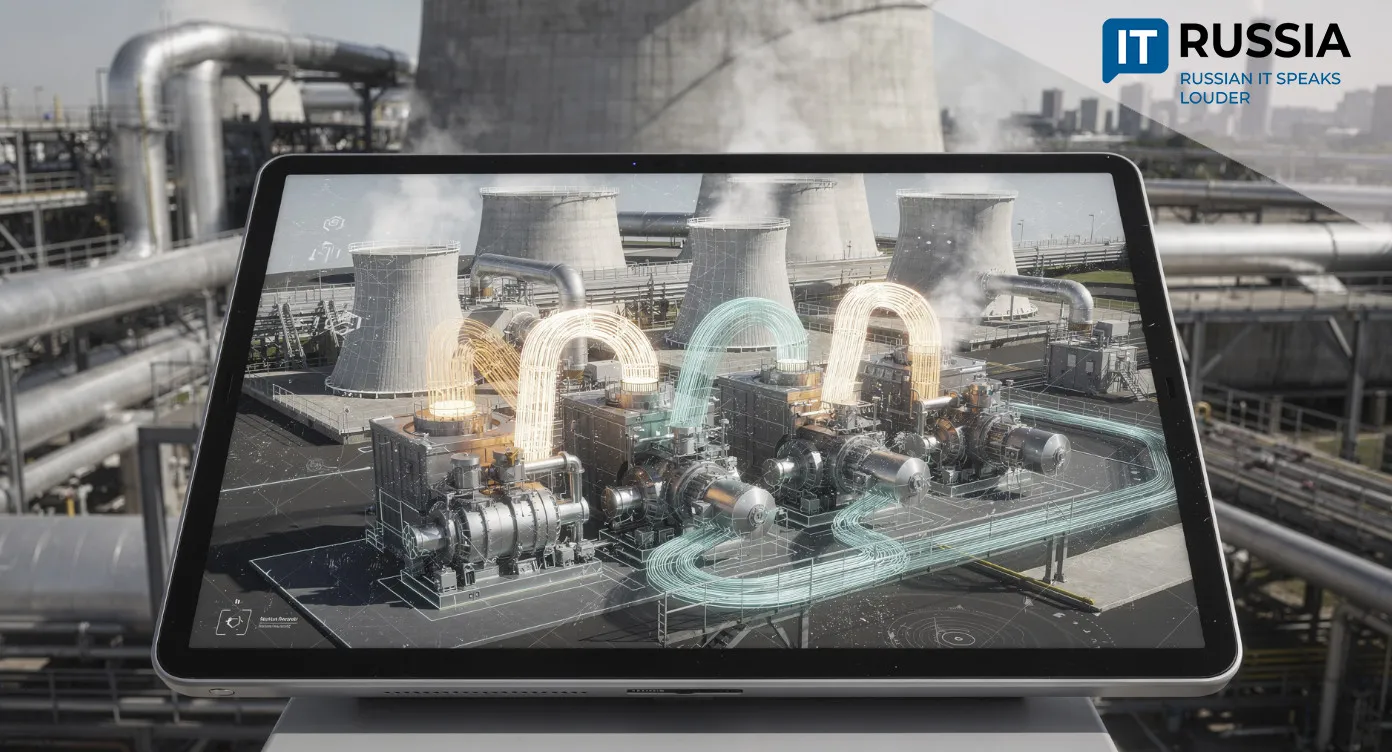
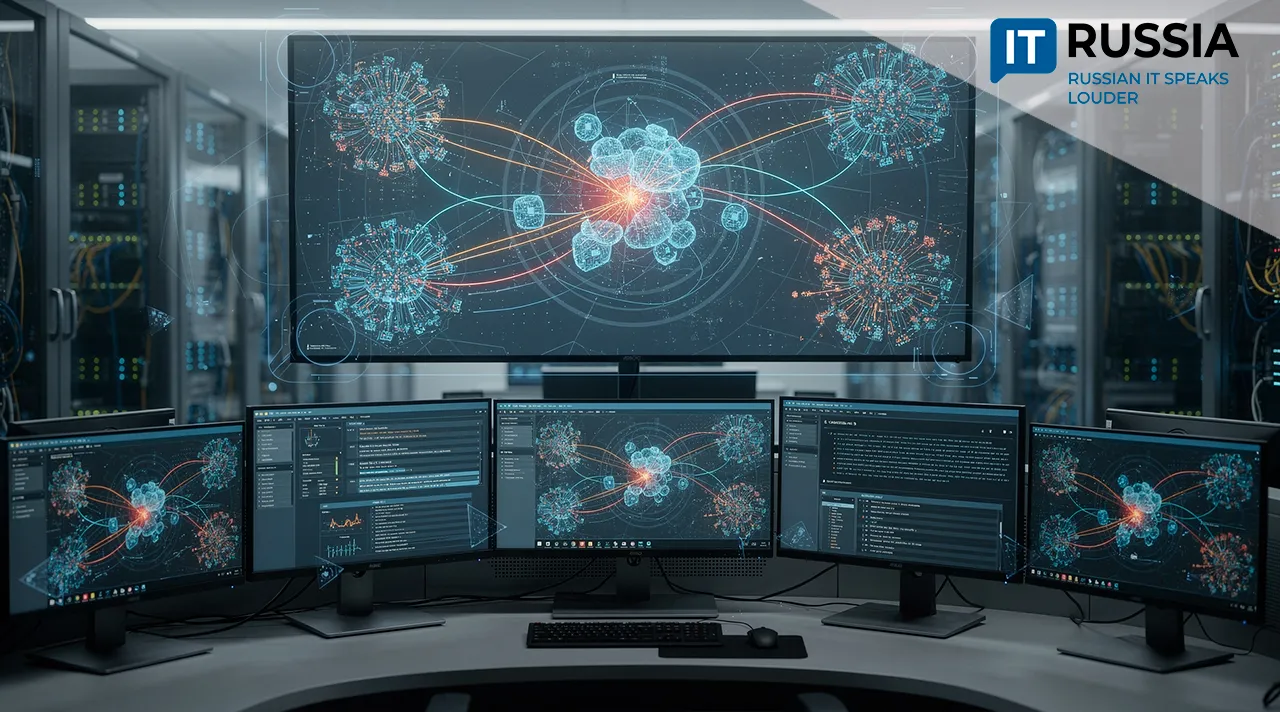
Russian technology group Tsifra has integrated AI into its Dispatcher industrial equipment monitoring platform. The new AI assistants analyze production data, flag disruptions and recommend responses for plant personnel.
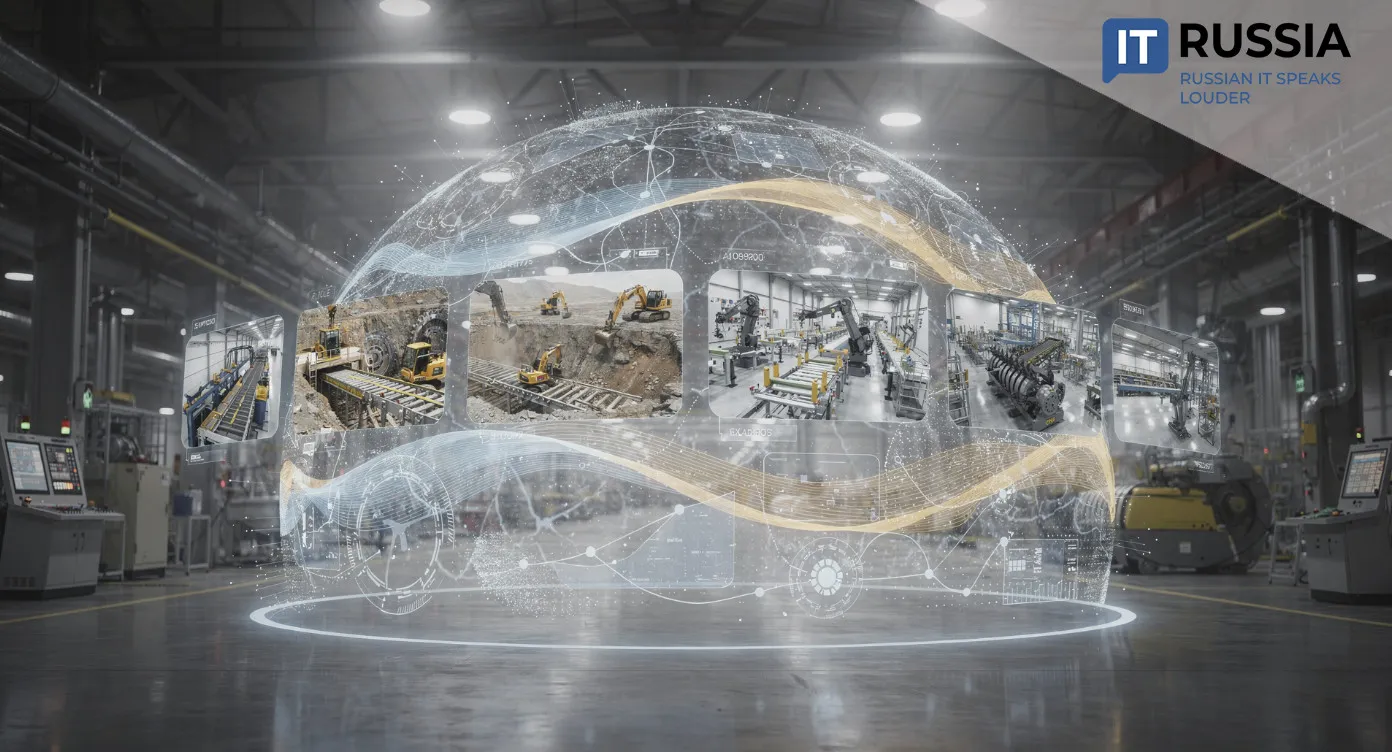
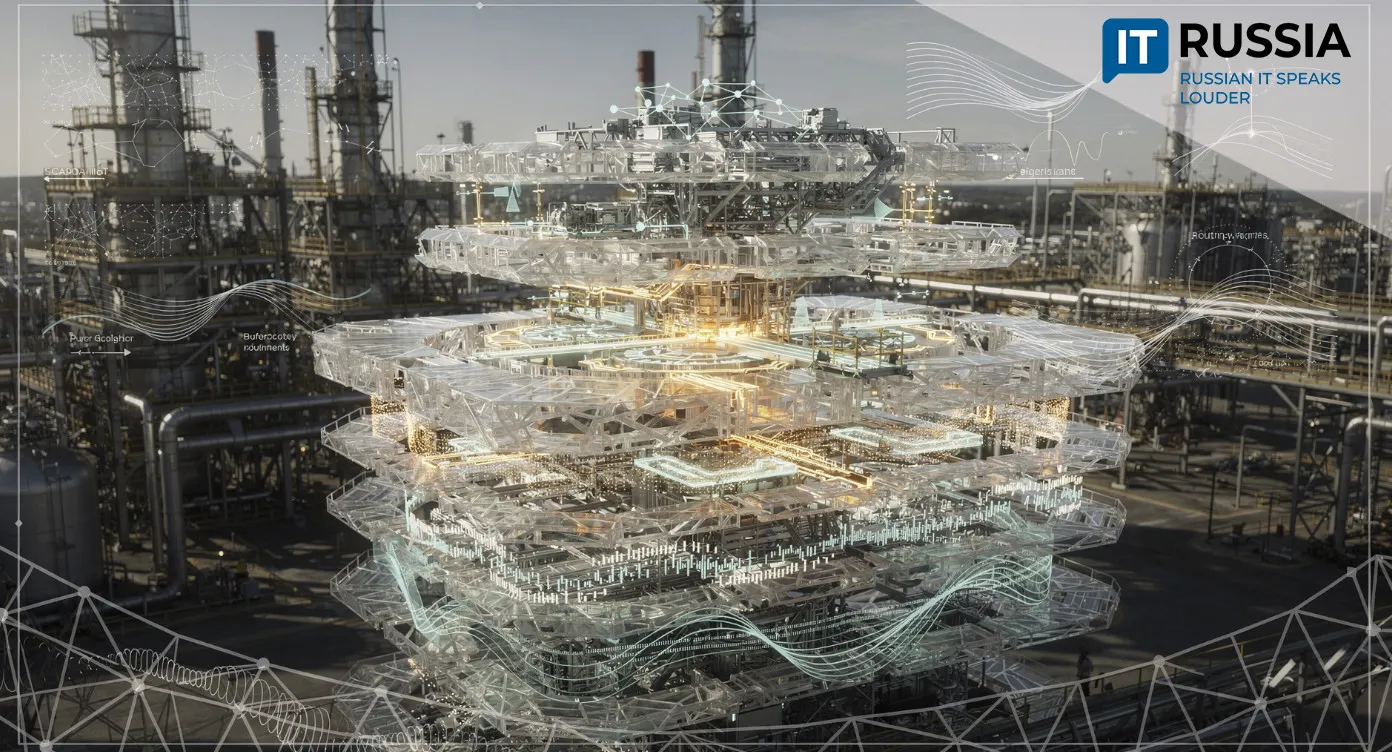
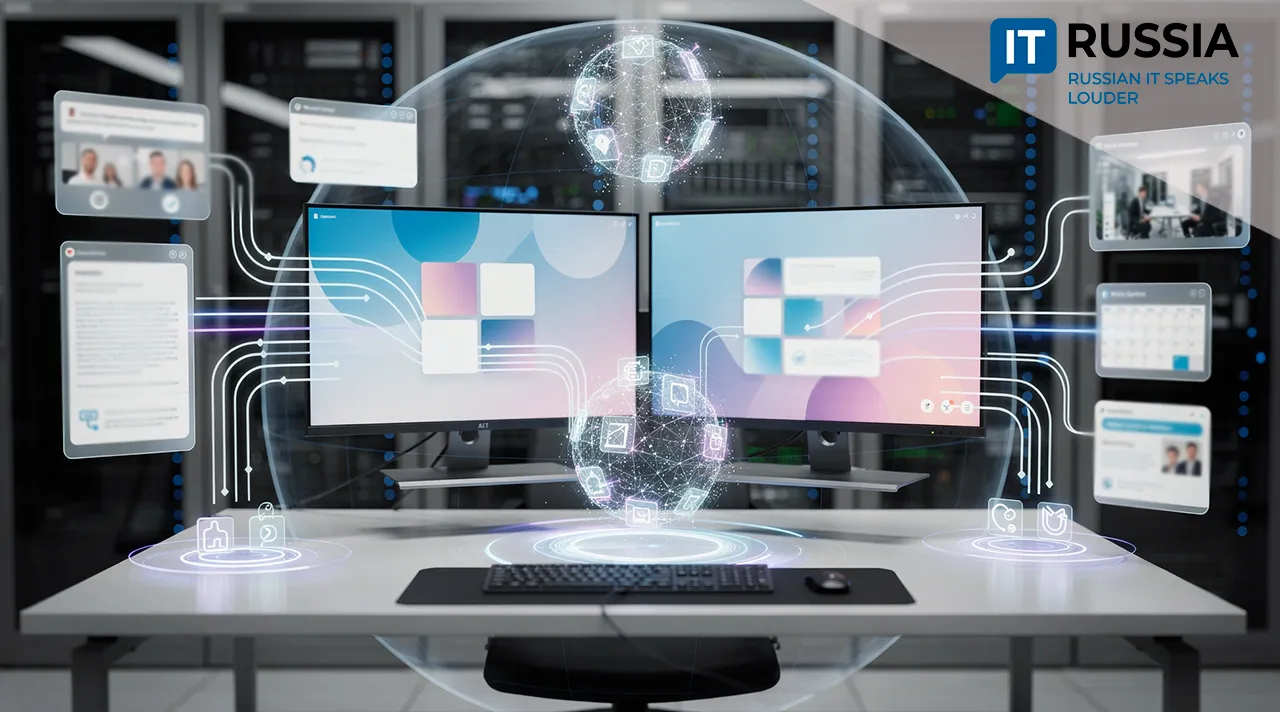
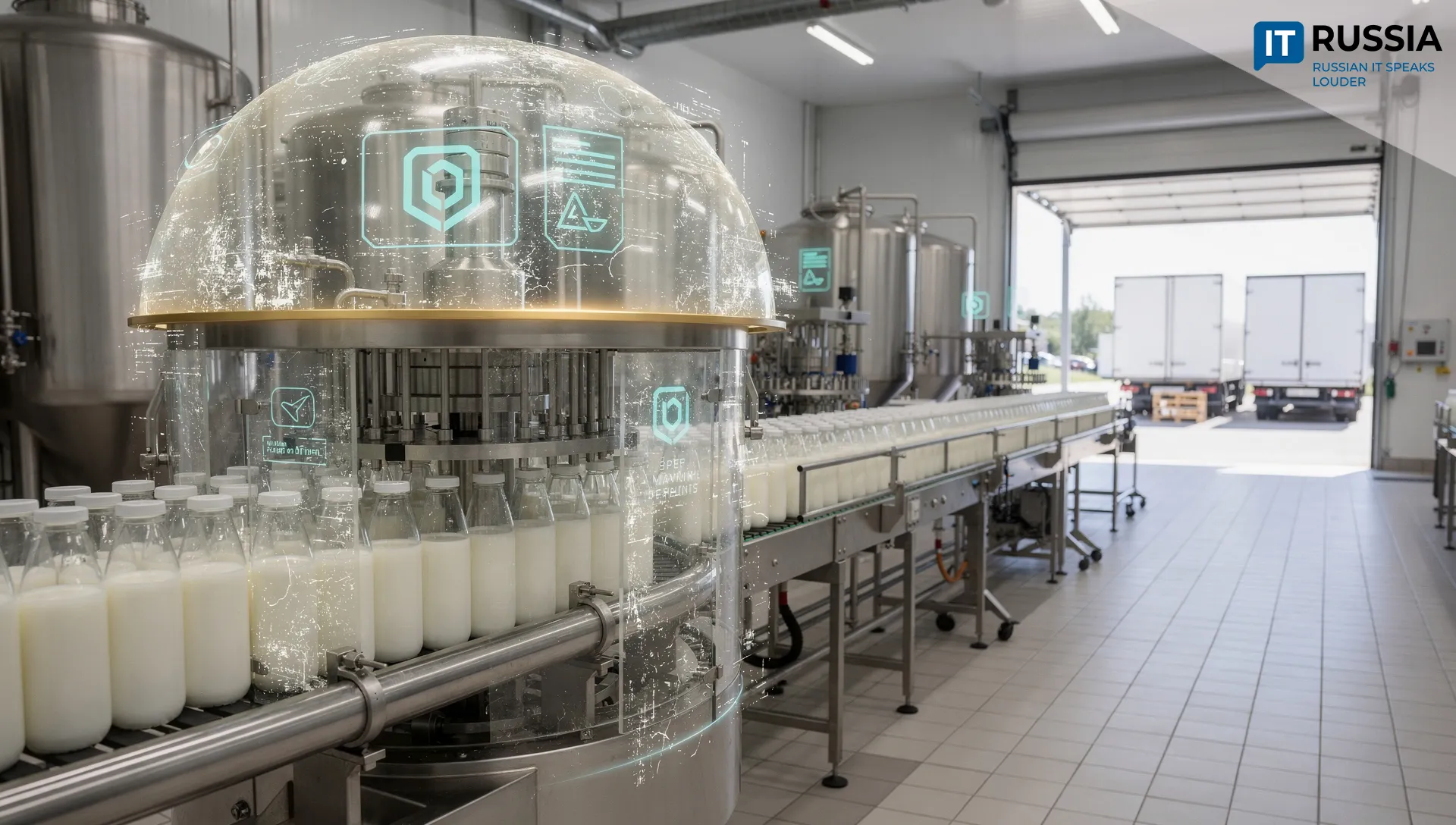
Industrial AI assistants are reshaping how manufacturers work with operational data at Tsifra Group. The company has introduced intelligent modules that give each employee a personalized AI specialist tailored to a specific area of responsibility. A digital analyst reviews data from selected production sites and prepares concise summaries for users. The system highlights problem areas, compares current metrics with previous periods and helps identify the causes of deviations. In practice, that allows teams to detect falling equipment efficiency, rising downtime or abnormal machine behavior much faster. A digital secretary alerts employees to critical events that occurred while they were away from the system. Meanwhile, a digital assistant simplifies work inside the monitoring platform by helping users search for information and complete individual operations. Employees can ask questions in natural language, receive guidance on using the system, generate analytical dashboards and quickly retrieve data on equipment and production facilities.
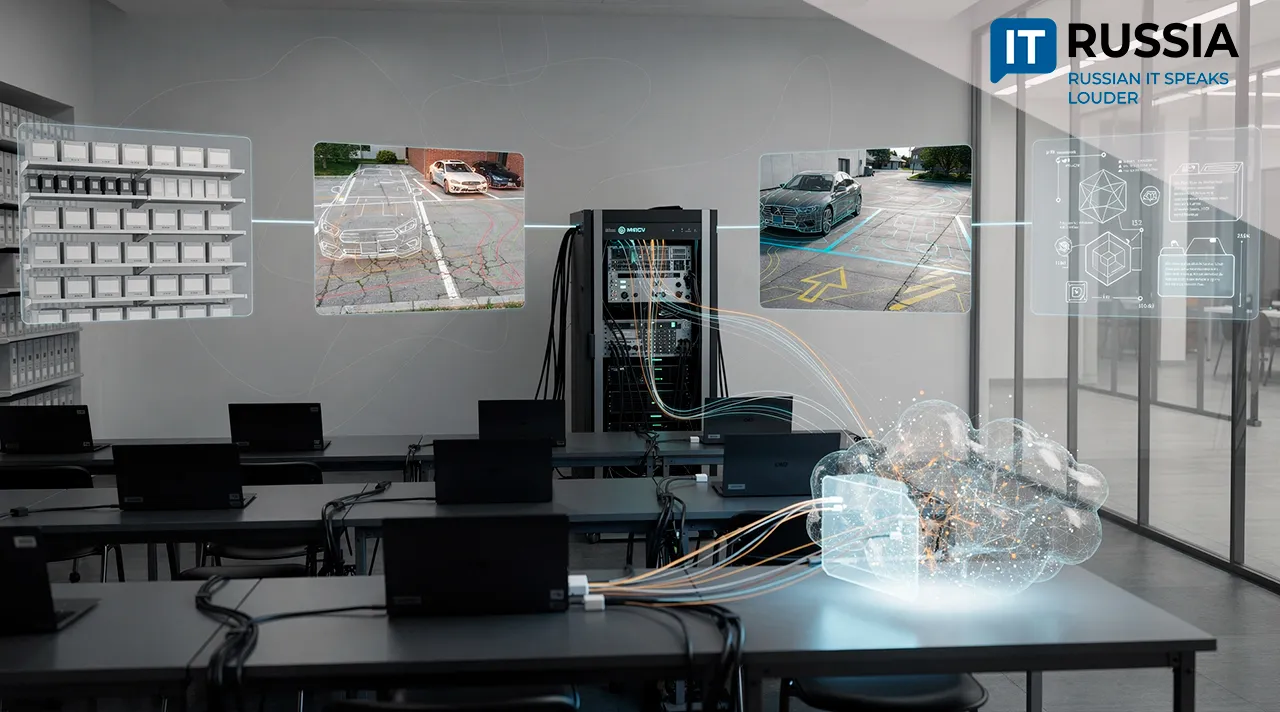
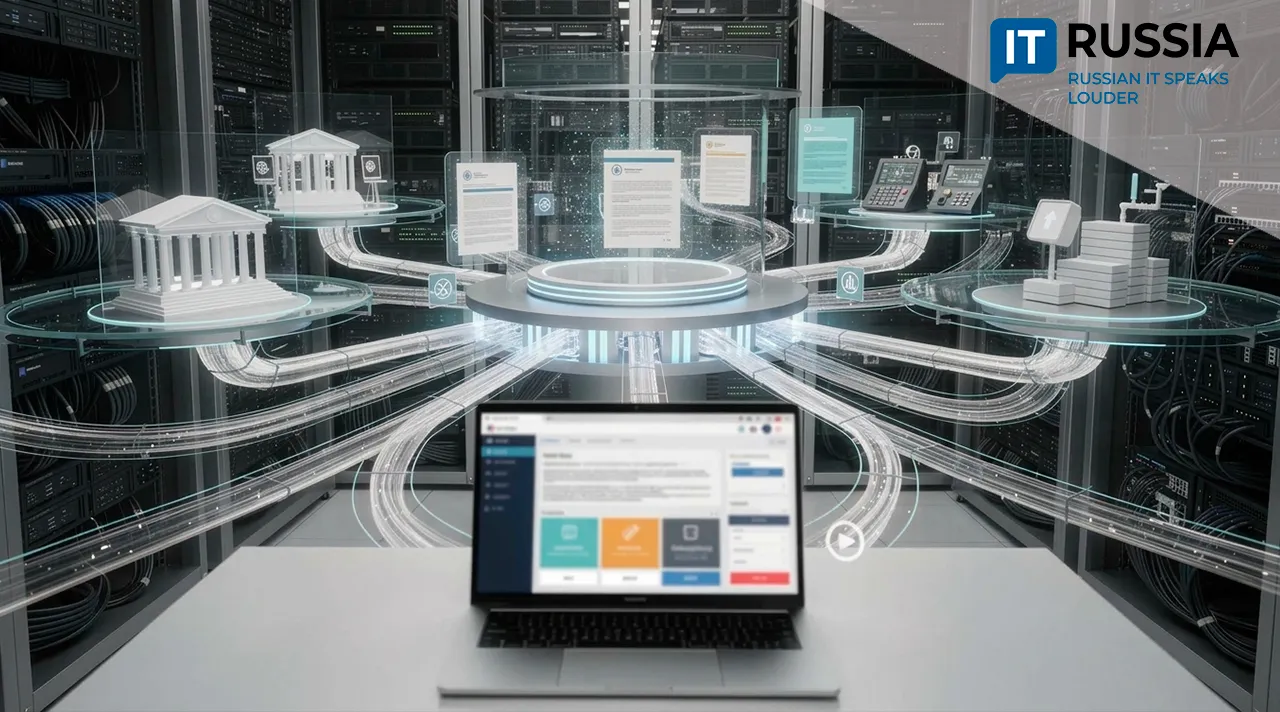
The solution’s architecture is designed so that enterprise production systems and the Dispatcher knowledge base remain the primary data sources. At the same time, the platform is not tied to a specific large language model and can integrate with different LLMs through connectors.
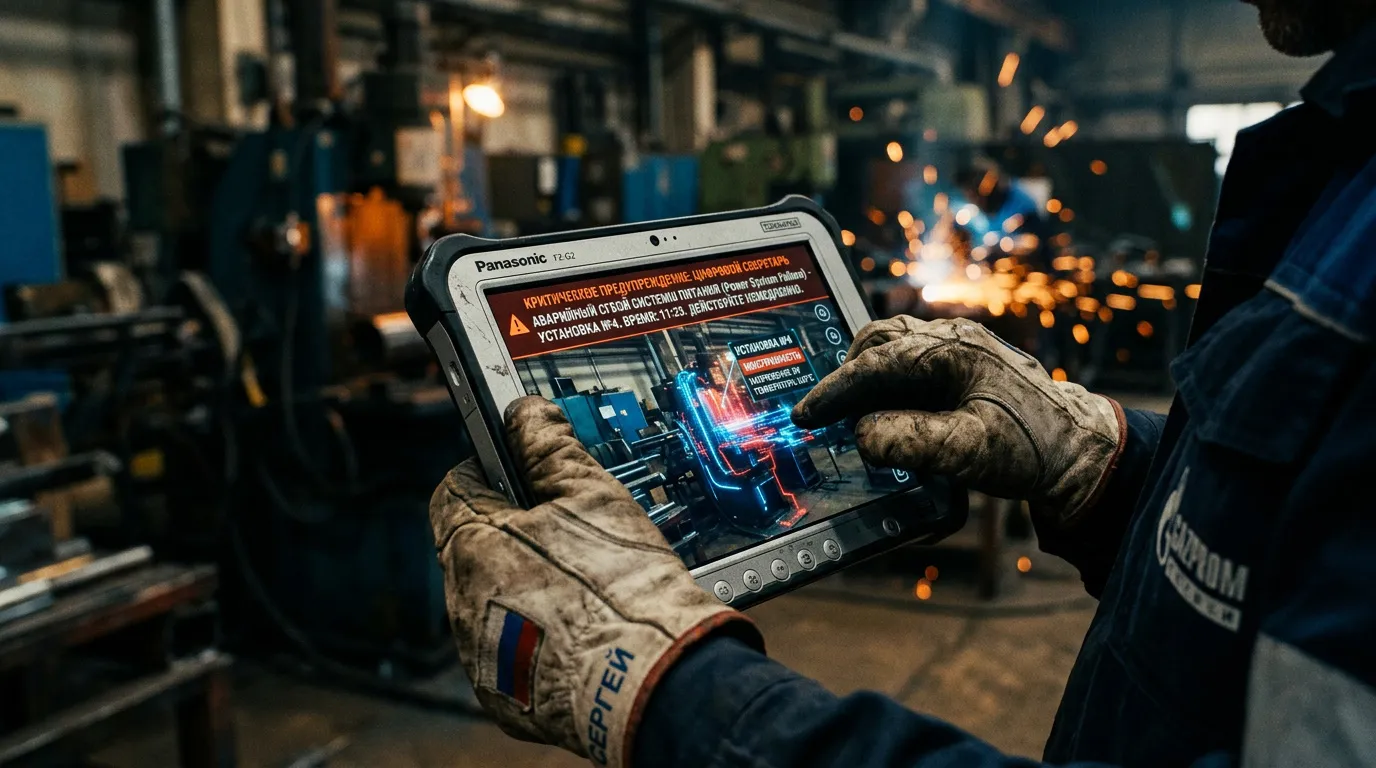
Unified Shop Floor Environment
Dispatcher (Dispatcher automated information system) is a universal Russian platform for monitoring industrial equipment and personnel. Its main advantage lies in technological autonomy: the platform is fully Russian-developed software and the only monitoring system in Russia certified by FSTEK, the country’s Federal Service for Technical and Export Control.
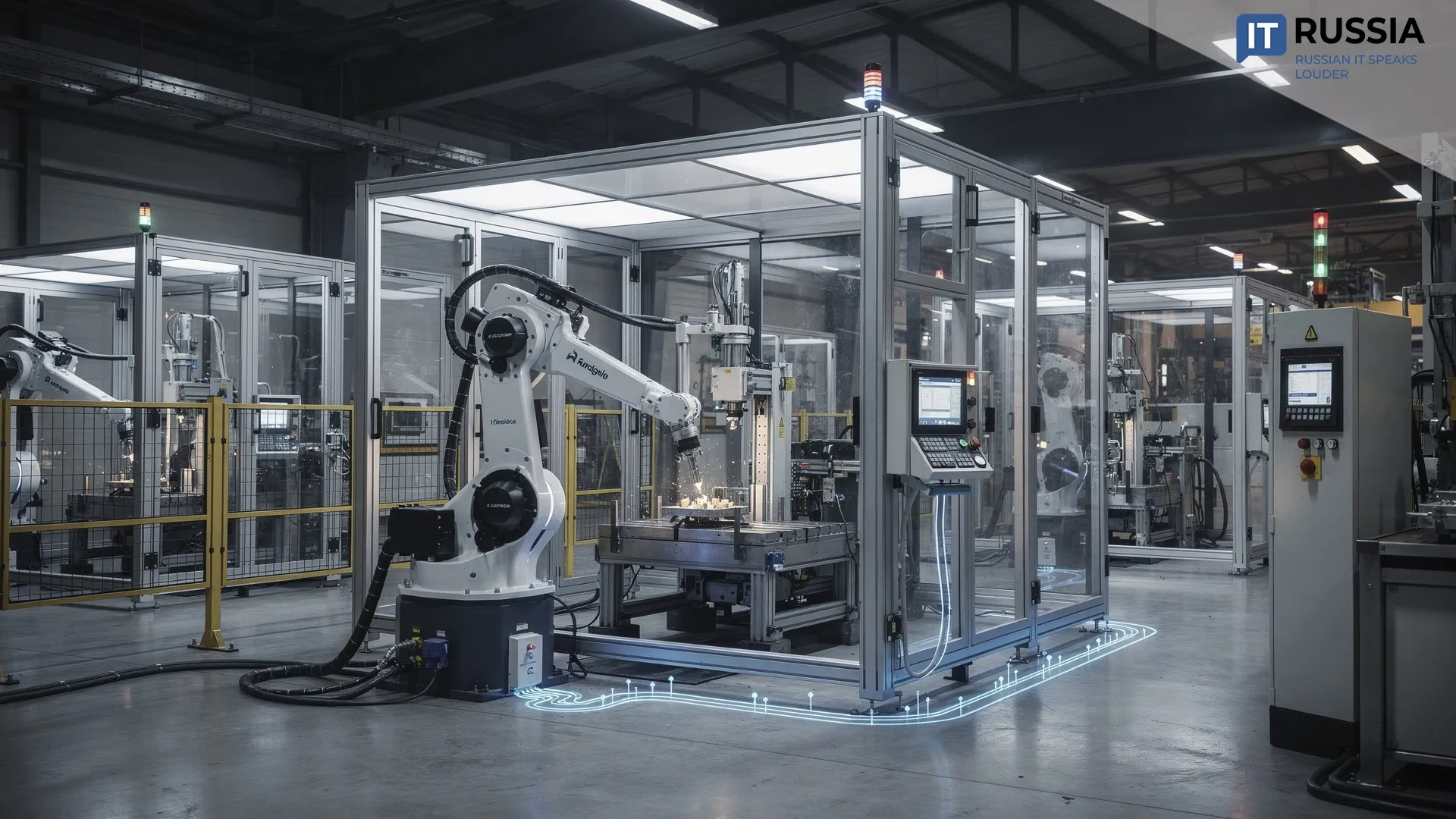
In January 2026, Tsifra Group released version 3.6 of the Tsifra.Dispatcher (Tsifra.Dispatcher production monitoring and management system), which works with real-time industrial data in machine building operations. The platform has evolved from a collection of modules into a unified digital environment. Integration of expanded TOiR (maintenance and repair management), MES functionality and flexible MDC tools allows manufacturers to carry out full-scale digital transformation at the shop-floor level. The system supplies objective metrics to all enterprise management systems. Its updated architecture increases process transparency and improves operational efficiency. The key addition is the Tekhnicheskaya diagnostika (Technical Diagnostics) module. Its algorithms analyze telemetry in real time, detect hidden defects and component wear, allow engineers to track the history of deviations and support more accurate maintenance planning to prevent downtime.
The rollout of AI assistants inside Dispatcher is expected to shorten employee onboarding, reduce data analysis time from hours to minutes and make expert knowledge accessible across engineering teams.
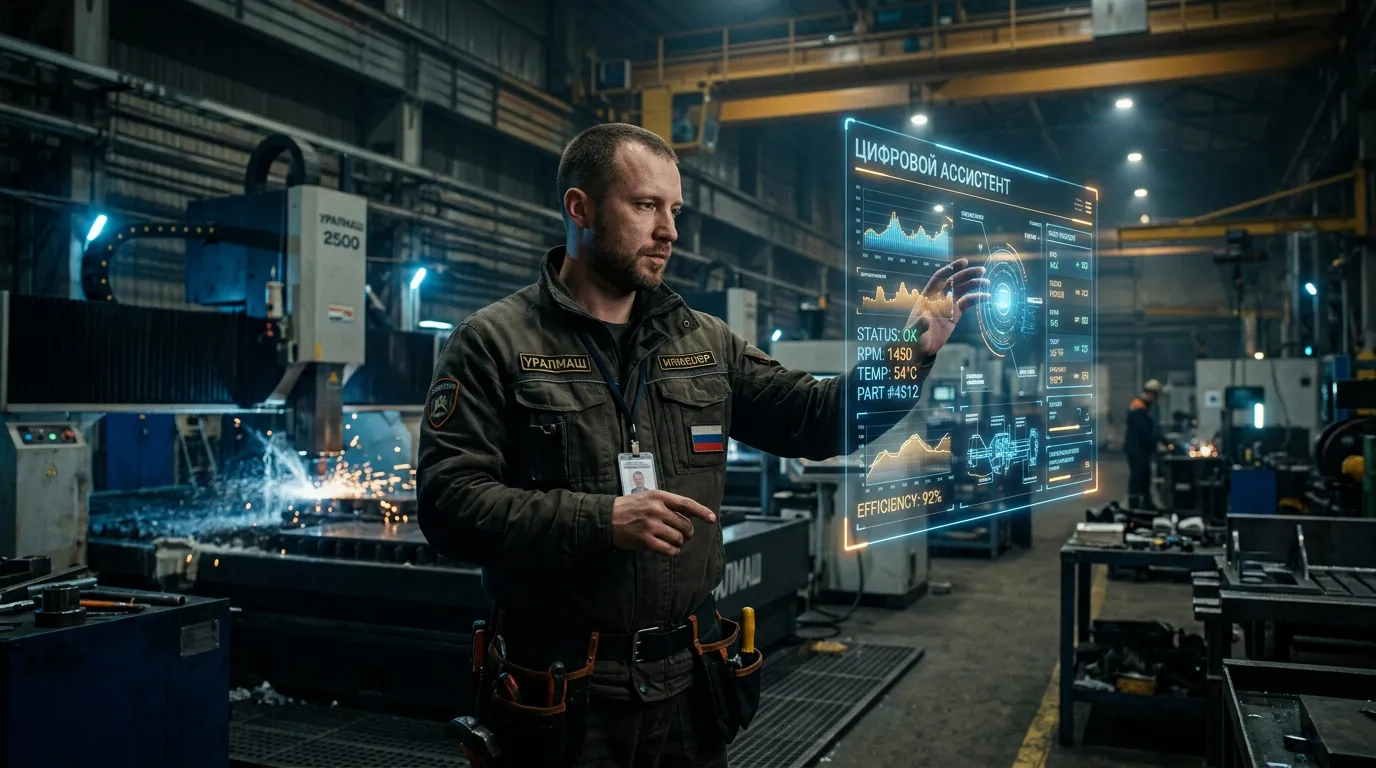
Russian Platforms Save Overseas Partners Millions of Dollars
Tsifra Group’s intelligent industrial solutions are also gaining traction internationally. In 2022, the Karier (Quarry) mining production management system was deployed at the Marcona mine in Peru by Cosapi Mineria, helping increase extraction efficiency by 3.5%.
In 2025, more than 400 machines at Almalyk Mining and Metallurgical Combine in Kazakhstan were integrated into the Karier automated management environment, enabling online ore mass accounting and reducing fuel consumption. In 2026, Armenia launched Gorny MES (Mining MES), a full-cycle digital environment that combines the Tsifra.Karier, ZIIoT and Konstruktor MES products. Integration of 153 machines and nine factory systems cut downtime by 50%, lowered fuel consumption by 10% and increased rock hauling volumes by up to 25%. These export projects underscore the global competitiveness of Tsifra Group’s industrial platforms.
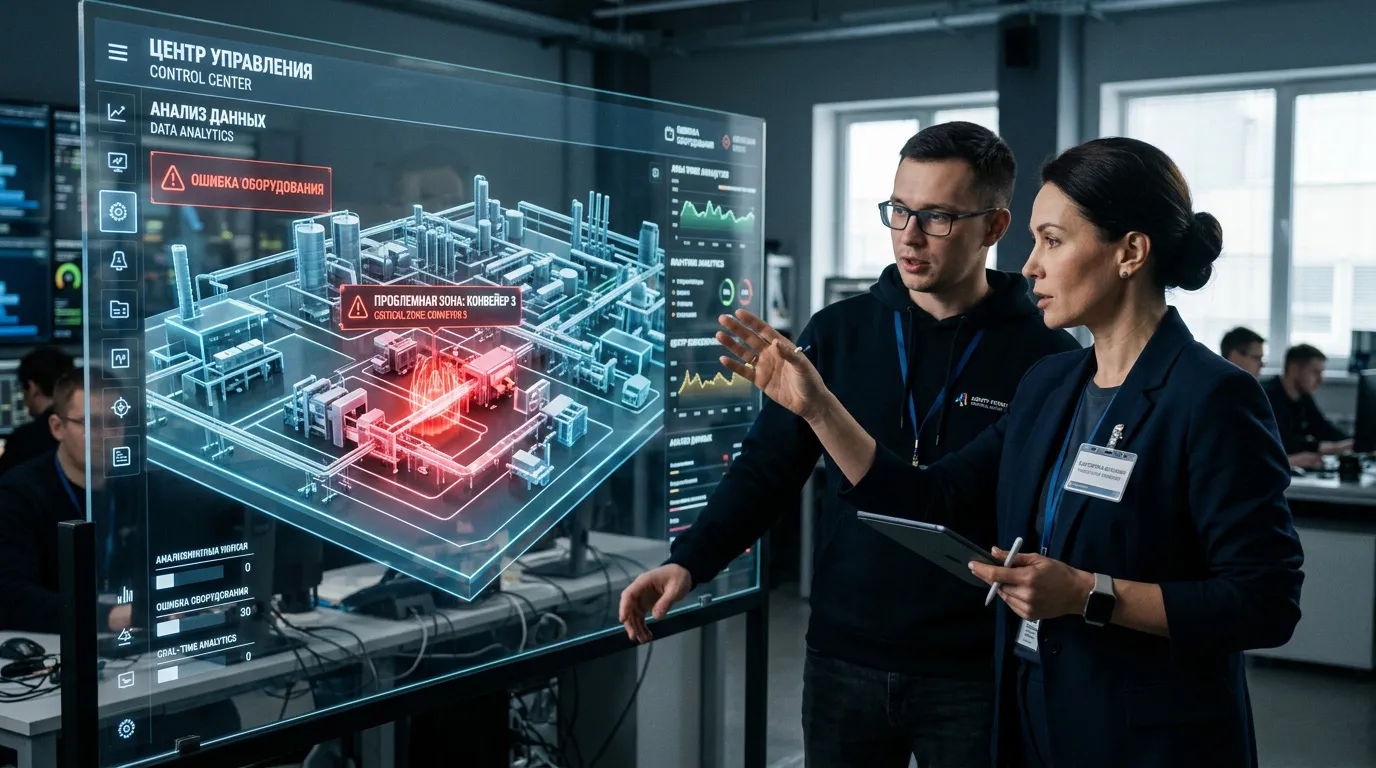
From Telemetry to Intelligence
Tsifra Group’s new product reflects growing demand from industrial companies for a shift from passive telemetry collection to active, intelligence-driven production management. The global industrial AI market is expanding rapidly: from $7.6 billion in 2025, it is projected to reach $62.3 billion by 2032. In Russia, AI deployment has already generated an additional 0.5 trillion rubles (about $6.4 billion) in revenue for the industrial sector. Oil and gas, consumer industries, mining and energy have emerged as the top-performing segments. According to a joint analysis by Strategy Partners and Tsifra Group, the number of companies deploying digital technologies in 2025 rose by 40%. Industrial IoT systems are now used at 5,700 industrial sites, computer vision technologies at 36,200 sites, while generative AI is already operating in 371 companies. Annual demand for AI deployment in Russia is increasing by 20% to 25%.
In 2025, Russia’s IT sector accounted for 2.7% of GDP, up 0.2 percentage points from 2024. Sales of Russian IT solutions and services increased by 14.5%, reaching 5.15 trillion rubles (about $66 billion). These figures reflect sustained demand for import substitution and enterprise digital transformation.
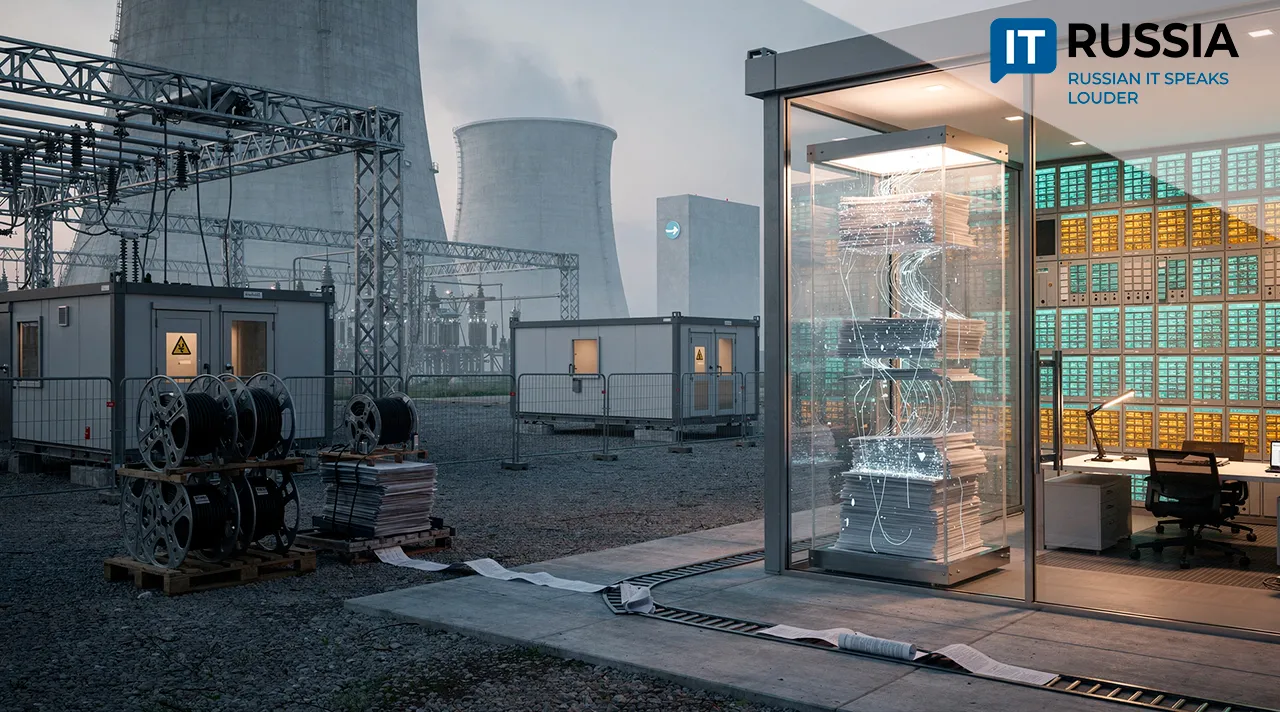
In the coming years, industrial competitiveness is likely to depend less on the number of digital tools deployed and more on a company’s ability to build a unified data environment and quickly convert that data into practical production management tools. Predictive equipment analytics, detection of production anomalies, optimization of maintenance operations and workforce allocation are becoming central priorities. Particular attention is shifting toward RAG systems and corporate knowledge bases that allow algorithms to rely on internal regulations and accumulated operational expertise. That trend is creating stable market demand and opening new growth opportunities for Russia’s IT sector.