AI Recognition Comes to Self-Checkout: Russian Developer Speeds Up Weighed Goods
One of Russia’s largest retail technology developers has rolled out AI-powered visual recognition for weighed products at self-checkout kiosks, aiming to cut queues and reduce errors in everyday grocery shopping.
The End of Checkout Bottlenecks
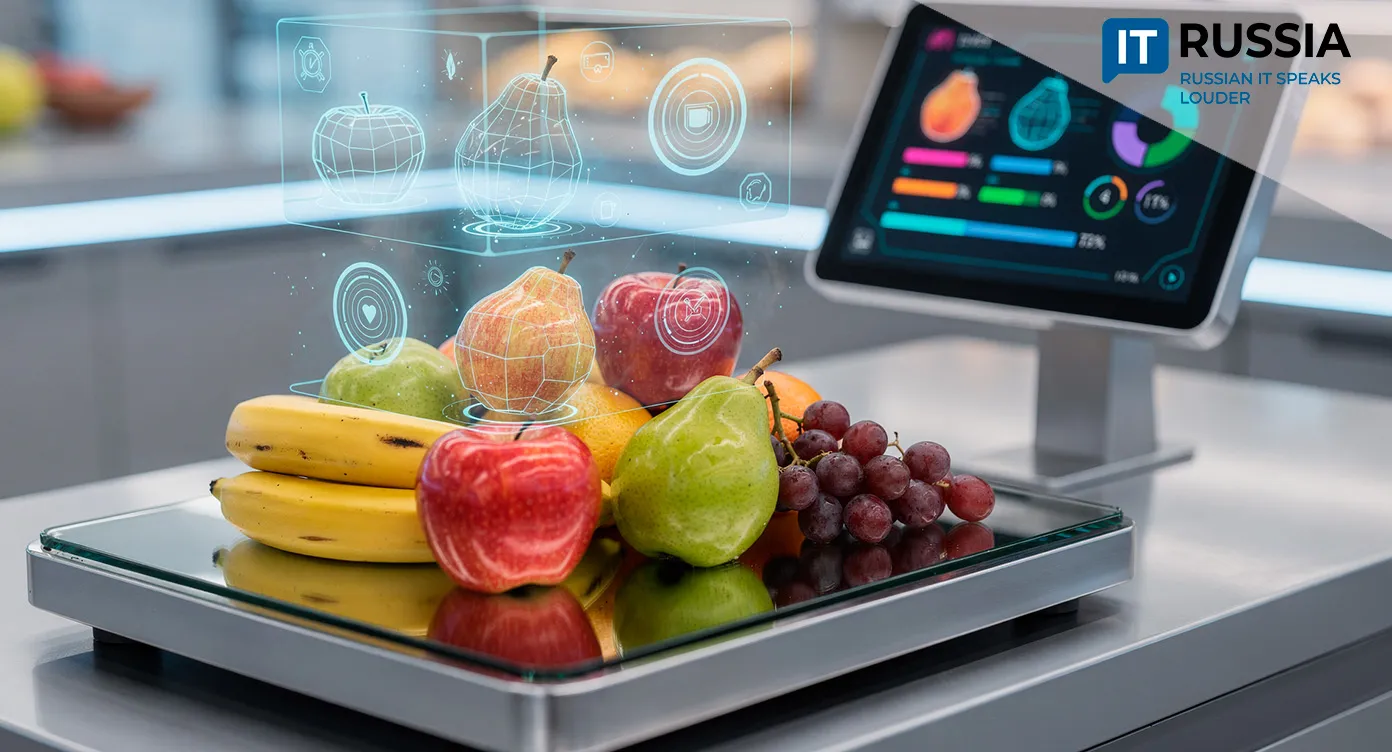
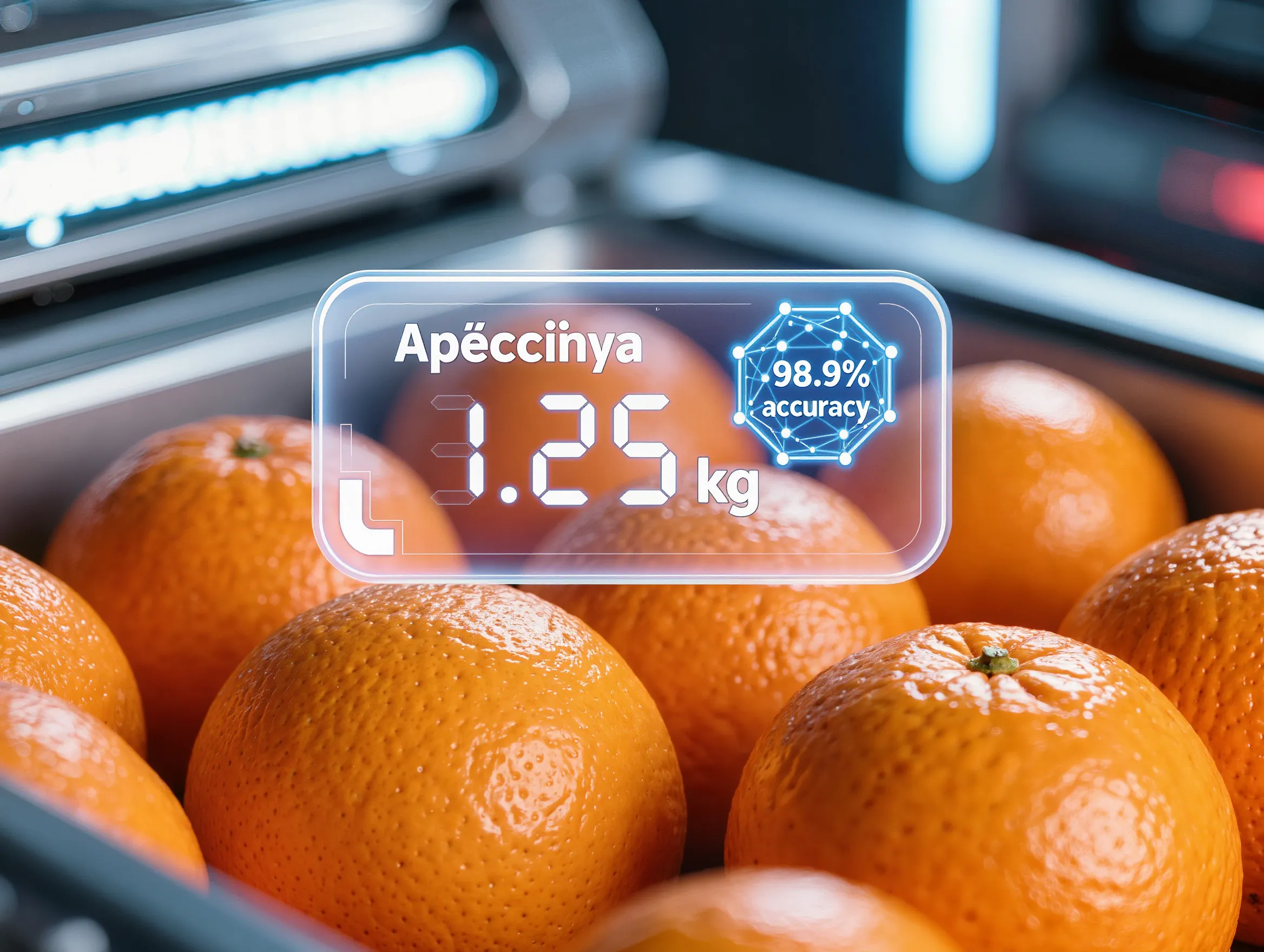
Despite the widespread adoption of digital tools in retail, weighed goods remain one of the most challenging categories at checkout. Manually searching for items in a product catalog can take 10 to 15 seconds per item, often leading to queues, mislabeling, inventory discrepancies and frequent calls for staff assistance. ATOL’s new video recognition system reduces processing time for weighed goods to about five seconds per item and delivers automatic identification accuracy of up to 98.9%. Using AI-based recognition, the system can identify fruits and vegetables, nuts, candies and other weighed products regardless of packaging – in plastic bags, stretch wrap, mesh or even partially covered by a customer’s hand.
How the System Works
Improving product recognition is a complex but high-impact task. About 40% of purchases in Russia are made using ATOL software and hardware, and every second transaction passes through the ATOL Online cloud service. The new system, available starting with version 1.3.4 of Frontol Selfie Pro, uses artificial intelligence to automatically identify goods without barcodes.
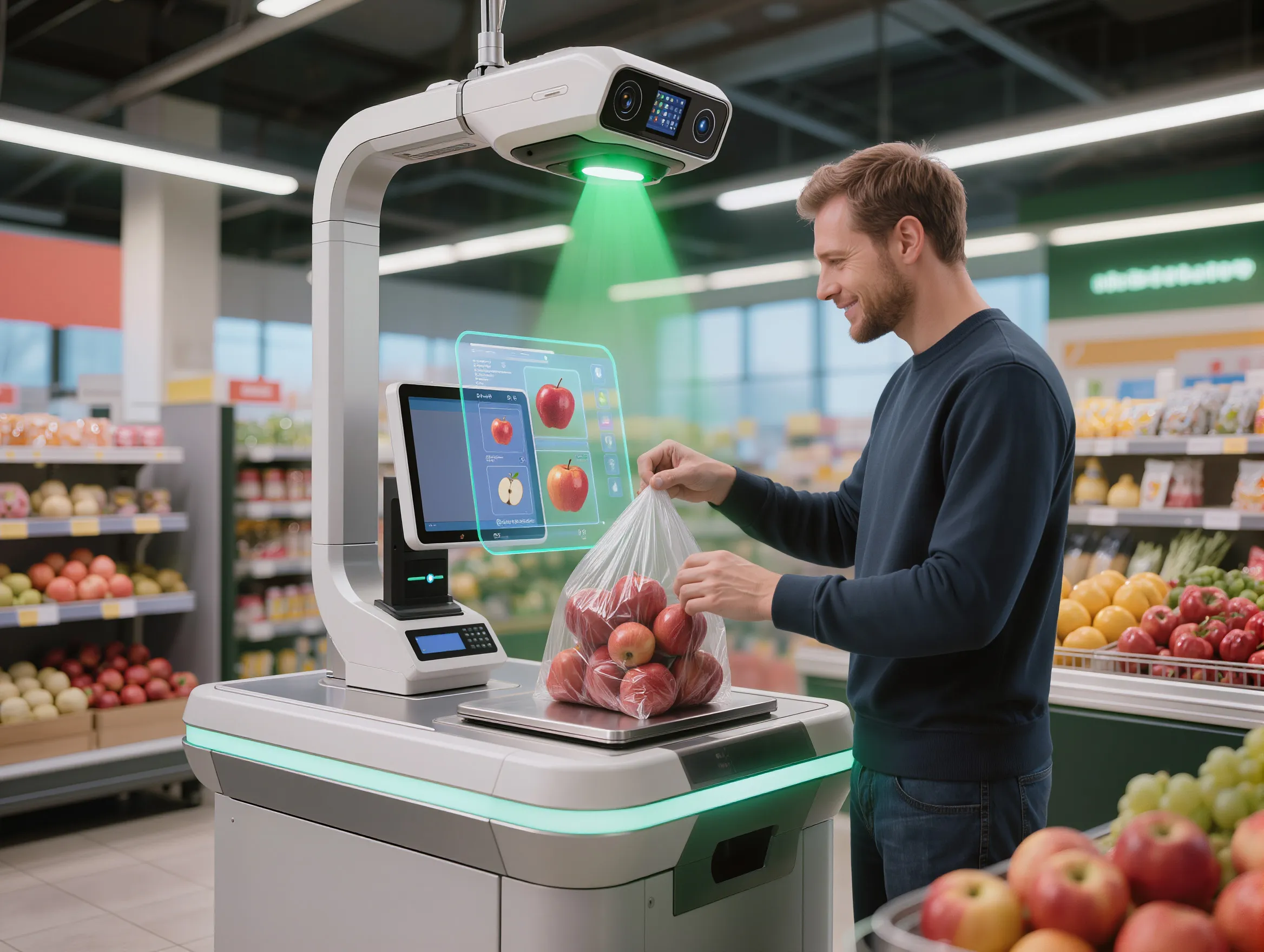
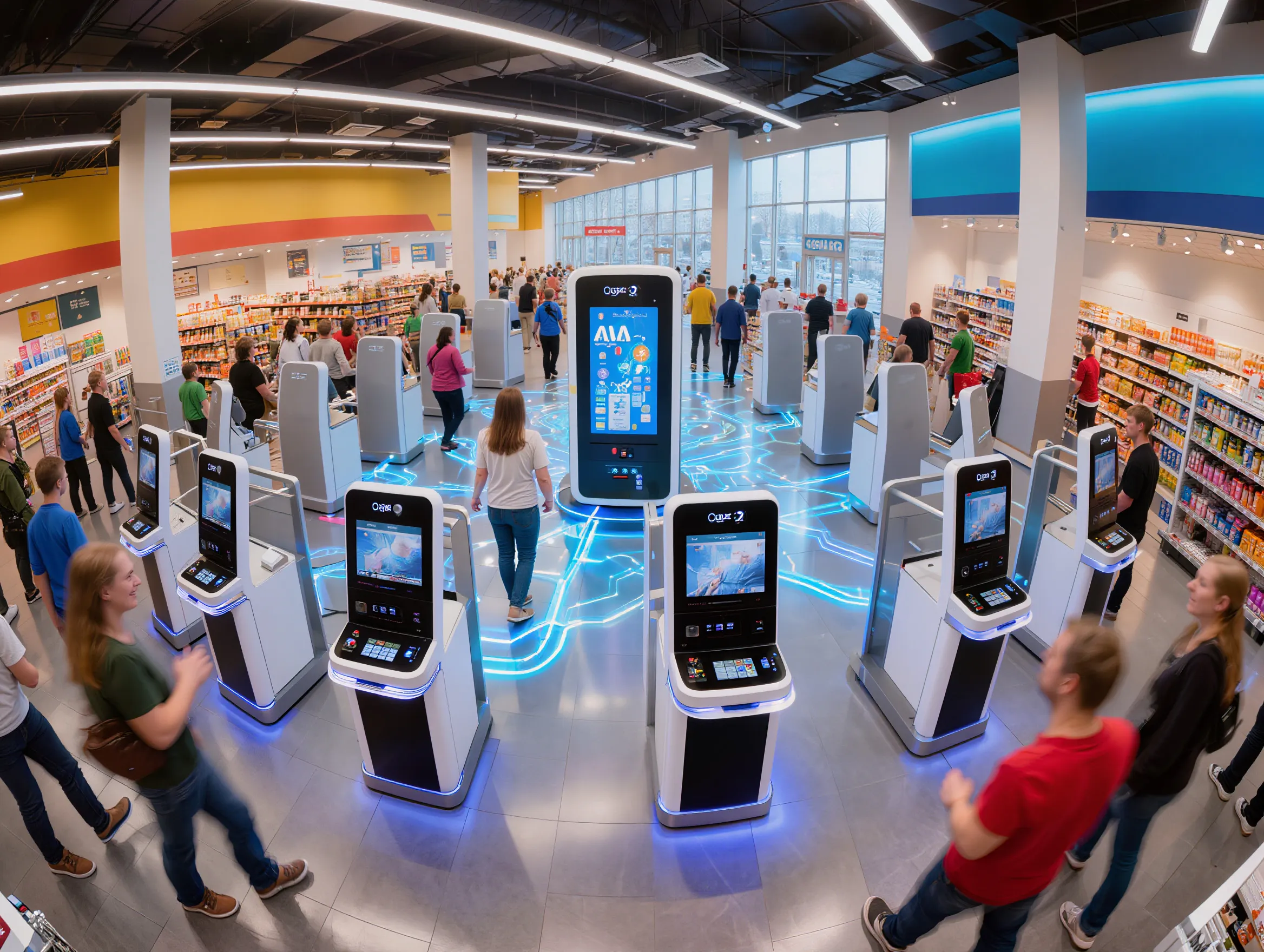
The mechanics are straightforward. A customer places the product on the scale and taps “Weigh item.” The self-checkout camera captures an image and runs it through an AI model. The system then displays one or several suggested product options for confirmation. The customer approves the correct item or selects it manually from the catalog, after which the weighed product is automatically added to the receipt.


Integrating AI-based recognition for weighed goods marks an important step in the automation of Russian retail and could eventually become a standard feature of modern self-checkout systems. For shoppers, the benefits are clear: fewer errors, shorter queues and a smoother checkout experience. For retailers, the technology reduces service and inventory mistakes and lowers the risk of losses during weighing and checkout. Over time, it may also translate into operational savings by reducing the need for staff intervention.
A Growing Global Trend
Experts expect AI-powered product recognition systems to continue evolving. Recognition databases are likely to expand, local products may be added, and integrations with mobile apps and loyalty programs are possible. Computer vision–based recognition is already a sought-after technology on the global retail market.
Similar solutions are in use abroad. In the Czech Republic, the Albert supermarket chain uses an AI solution from Mettler Toledo to speed up recognition of non-barcoded goods at checkout. In Russia, the Magnit retail chain has adopted smart scales with cameras and neural networks.
Researchers worldwide are actively studying improved computer vision models for retail applications. In the long run, Russian developers could export such digital products to markets with advanced retail automation, provided they adapt them to local consumer preferences.