Russian IT Companies Expand Into Central Asia
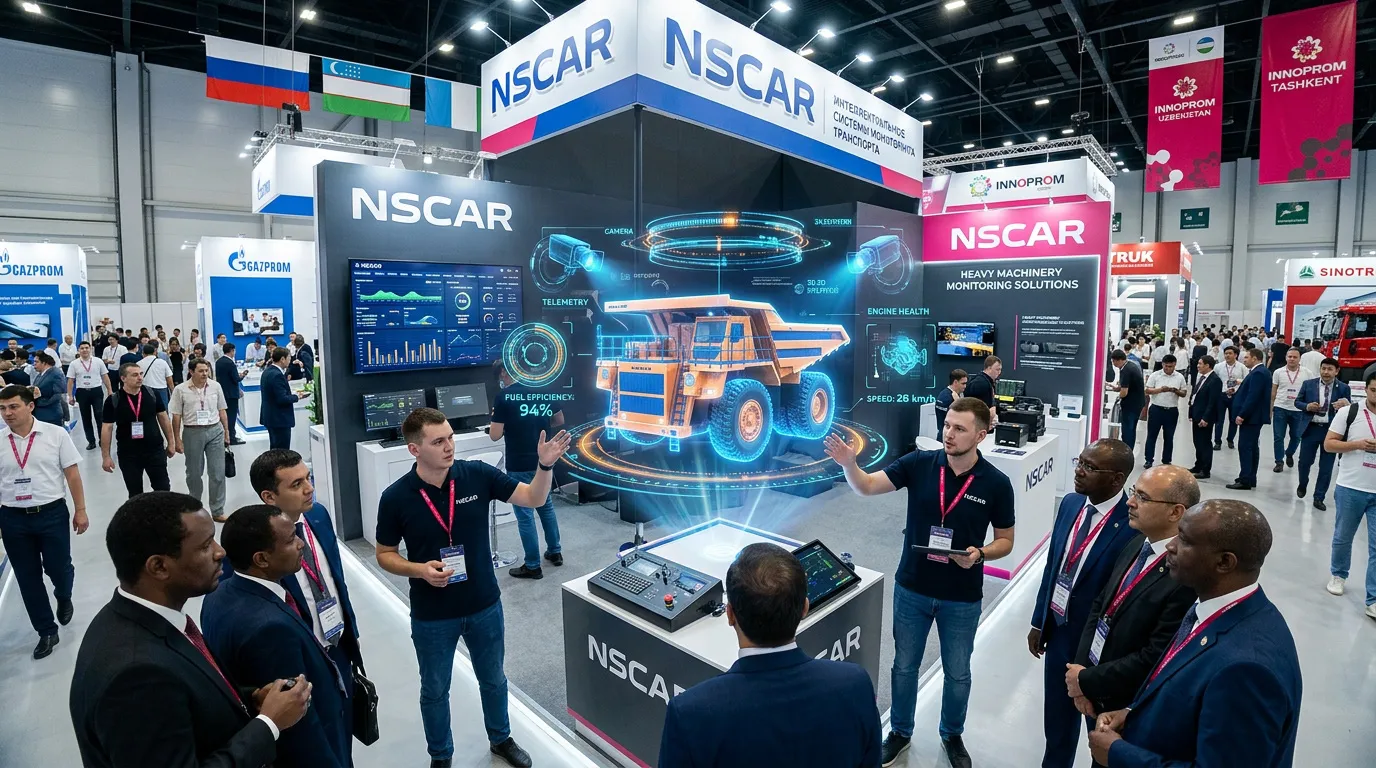
From April 20 to 22, the INNOPROM. Central Asia International Industrial Exhibition took place in Tashkent, bringing together more than 10,000 participants from 35 countries and delegations from 64 Russian regions. Russian company NSCAR arrived with advanced video solutions for industrial equipment and left with 45 signed contracts.
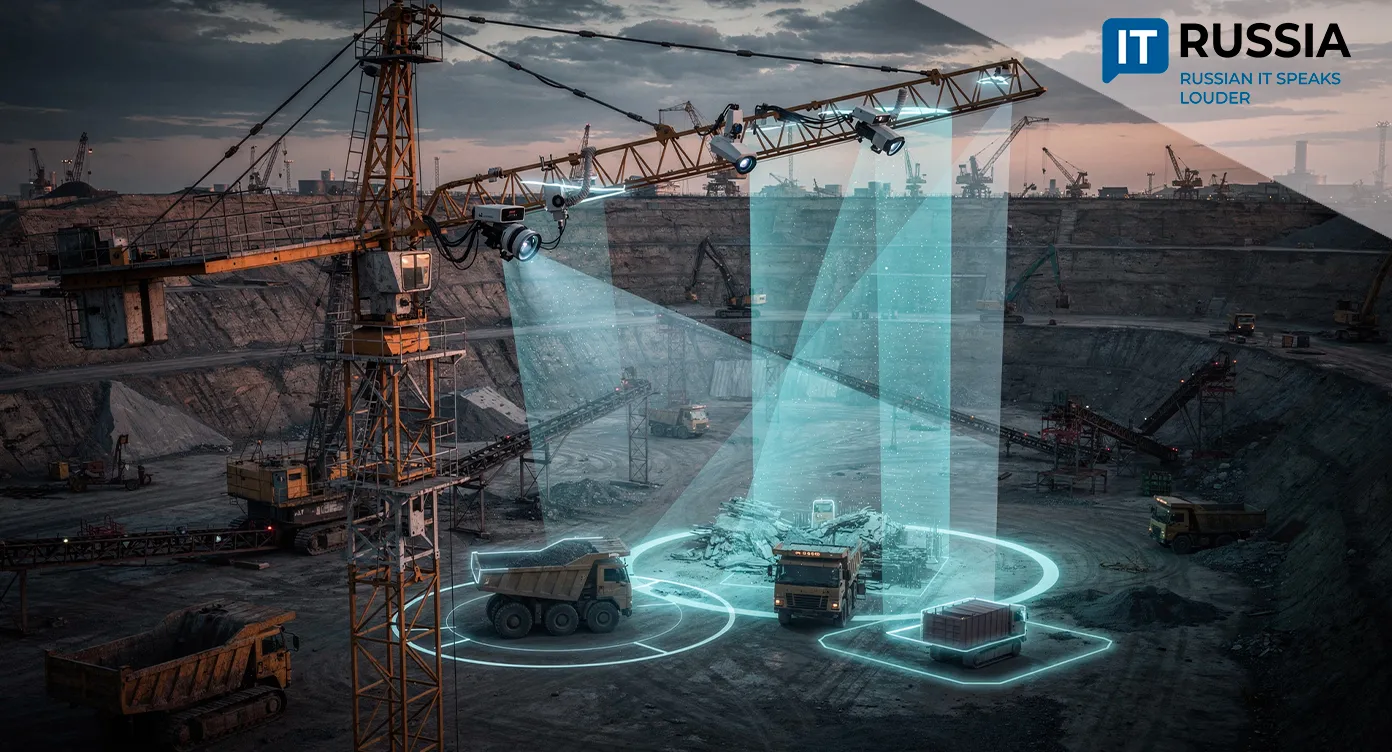
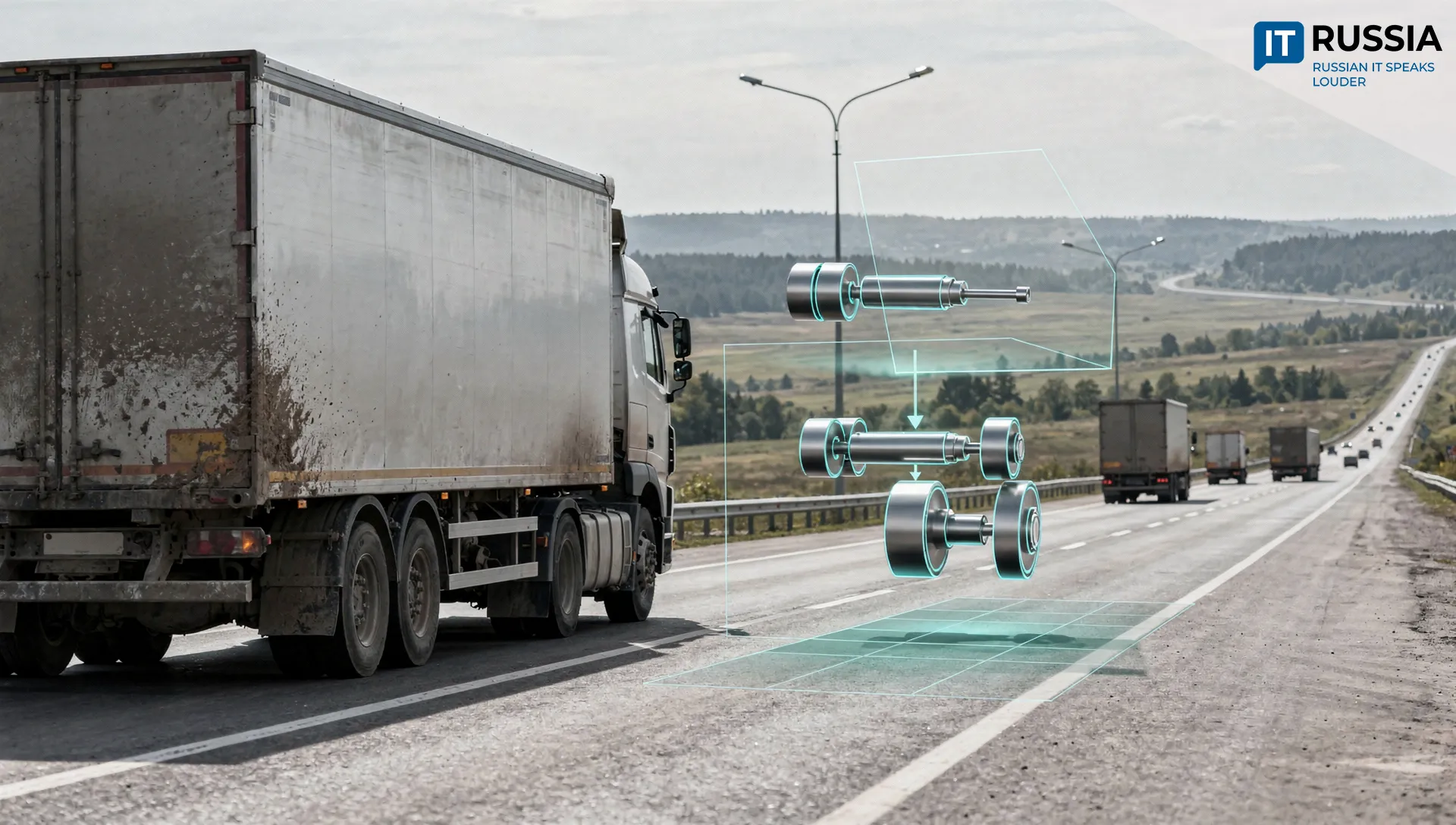
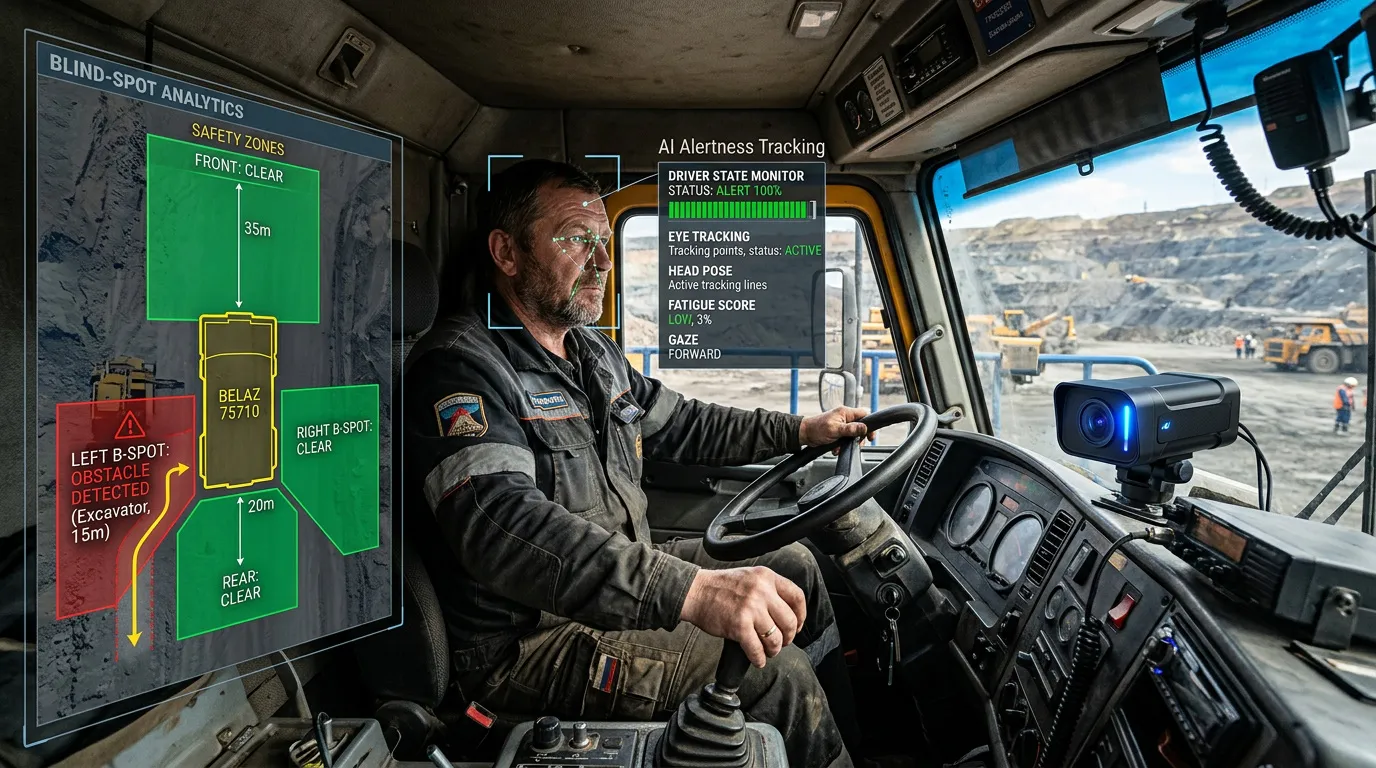
NSCAR showcased wireless video systems for tower cranes equipped with 30x zoom cameras for monitoring work zones on construction sites, explosion-proof cameras for hazardous industrial environments and intelligent ADAS/DSM systems capable of detecting fatigued or unbelted drivers in real time to help prevent accidents. These applied video technologies are designed to protect both human lives and multimillion-dollar equipment operating on roads, construction sites and industrial facilities.
Partnership With Uzbekistan
Uzbekistan has committed itself to its Digital Economy 2030 strategy. Between 2018 and 2022, the country’s ICT services market expanded almost 2.5-fold. By 2027, it could surpass $2.8 billion. Russia has become a distinctive supplier of digital solutions thanks to shared engineering traditions, compatible GLONASS communication standards and extensive experience operating equipment in extreme climates. The Russian Export Center uses INNOPROM as a flagship platform for promoting technology exports.
“Last year, the volume of supported exports exceeded 122.5 million rubles (about $1.6 million). For Uzbekistan, we serve as a reliable partner in building strong trade and investment ties across key industries including metallurgy, machine-building and agribusiness,” said Nikita Gusakov, Senior Vice President of the Russian Export Center.
Unreal Technology for the Real Economy
Digitalization is rapidly moving into traditional industries. Coal mining company Amurugol, for example, has already equipped hundreds of vehicles with video recording and fuel-monitoring systems. Between 2019 and 2021, IT spending in the mining sector nearly doubled. Deploying digital systems in mining operations can increase quarry productivity by 5% to 15%, processing plant efficiency by up to 20% and workforce productivity by as much as 50%.
This year, Russia is implementing Government Resolution No. 2107, which imposes strict standards for transportation security systems. At the same time, a new national standard for AI-based driver condition monitoring has taken effect. ERA-GLONASS is already discussing applying those standards to taxi fleets as well. Russia is positioning itself to export sophisticated hardware-software systems capable of operating in freezing temperatures, extreme heat, open-pit mines and high-rise construction environments.
Russian First Deputy Prime Minister Denis Manturov said trade turnover between Russia and Uzbekistan could grow by 22% in 2026 and reach $14 billion. Uzbekistan Deputy Prime Minister Jamshid Khodjayev added that more than 330 joint projects involving Russia and Central Asian countries are currently underway, with a combined value exceeding $47 billion.
The Next Phase of Expansion
NSCAR is Russia’s largest manufacturer of video surveillance systems for transportation. Over the past 19 years, the company has developed more than 1,000 models of dashcams, cameras and monitors.
Demand for equipment video-monitoring systems is expected to surge across three sectors: mining, urban construction and commercial transportation. Existing deployments already point in that direction. Modern Transport Technologies, for instance, recently launched a new digital fleet-management service that can reduce fuel costs by up to 35%, lower total fleet ownership costs by up to 45%, improve overall fleet productivity and reduce accident rates.
Central Asia, with its fast-growing construction sector and expanding logistics infrastructure, is becoming more than just Russia’s “near abroad.” It is turning into a primary testing ground for Russian technology exports. Today that may mean pilot deliveries of crane camera systems. Tomorrow, it could evolve into full-scale digital integration across entire industries in the region.