Black Sea Model Captures the Hidden Physics of Summer Warming
Standard models used to calculate summer heating in the open ocean perform poorly in the coastal waters of the Black Sea, underestimating heat flux by nearly two-thirds. Russian oceanographer Dmitry Glukhovets of the Shirshov Institute of Oceanology of the Russian Academy of Sciences and the Moscow Institute of Physics and Technology (MIPT) has addressed this problem by developing a new regional modeling framework.

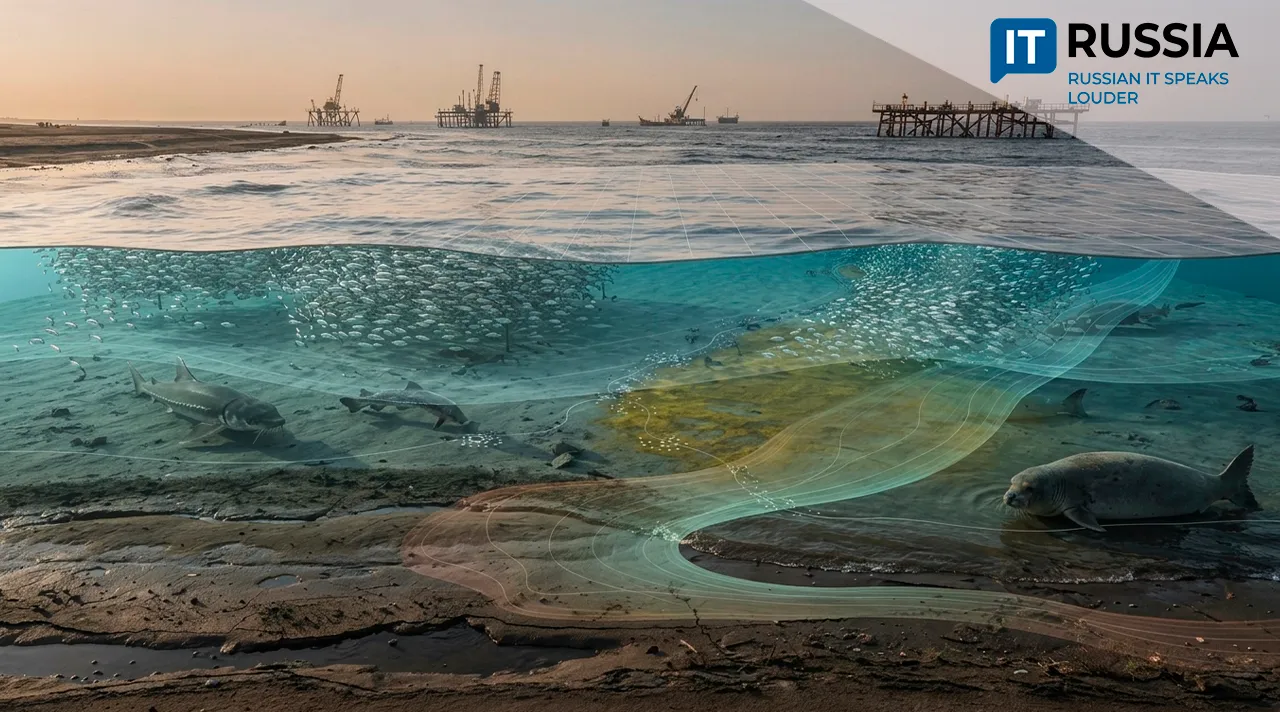
The Black Sea, particularly along its coastline, differs markedly from the open ocean because of its unusually high turbidity. Its waters contain large amounts of dissolved organic matter, often referred to as "yellow matter," which acts like a vast optical filter by absorbing a substantial fraction of incoming solar radiation.
Yellow in the Black Sea
Conventional models used to predict summer warming assumed that seawater was optically clear. The new study shows that, at depths between 4 and 30 meters, these simplified approaches underestimated the actual heat flux by 62%. As a result, calculations relied on water-temperature estimates that did not accurately represent real conditions.
Dmitry Glukhovets developed a regional computer model that, for the first time, systematically incorporates the optical properties specific to Black Sea waters. The framework explicitly accounts for light absorption by "yellow matter." Validation against field measurements collected at the Gelendzhik research site showed that discrepancies between simulations and observations were below 4%. This level of accuracy was achieved through careful calibration of hydro-optical input parameters accumulated over many years of field research.
A Sea of Ideas
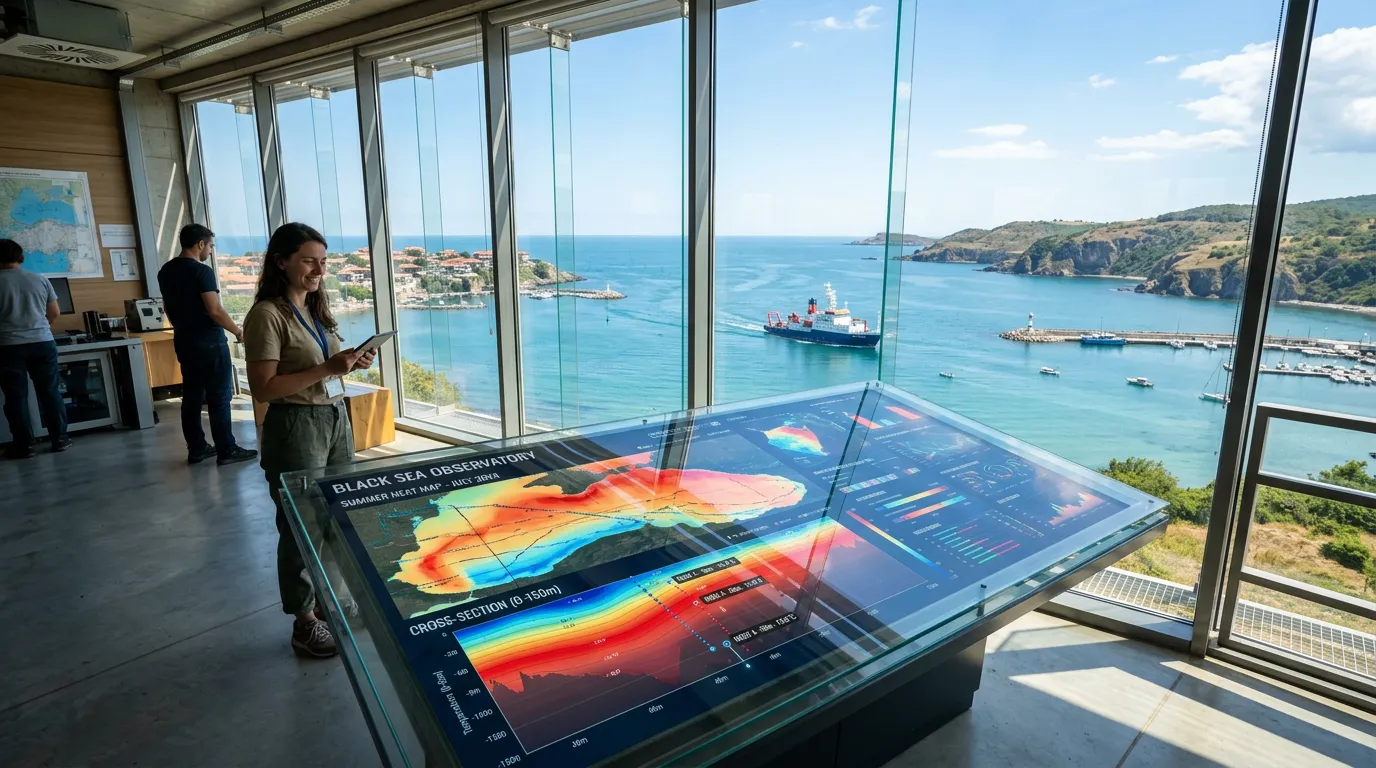
In 2022, researchers at the Shirshov Institute of Oceanology used coupled numerical models to investigate ocean currents at the same Gelendzhik research site. In 2023, they developed a bio-optical model describing Black Sea algal blooms. During 2024-2025, work focused on eddy-resolving circulation simulations. The new warming model represents another stage in the development of a comprehensive digital representation of the Black Sea that Russian researchers have been building over recent years.
The next challenge is to enable the model to account for cloud cover, which reduces incoming solar energy by 15-20%, as well as extensive coccolithophore blooms. These microscopic algae can increase the water's albedo, or reflectivity, by a factor of three, altering the depth to which sunlight penetrates. Incorporating these processes into the model should make its predictions applicable under a much broader range of weather conditions.
The methodology also has considerable scientific and technological potential. Rather than applying universal algorithms, it adapts numerical models to the environmental characteristics of individual seas. By adjusting input parameters such as water transparency and dissolved organic matter content, the same framework could be adapted to coastal waters elsewhere in the world.
Benefits at the Surface
More accurate forecasts of water temperature and coastal conditions could become valuable tools for the tourism industry, emergency response agencies and fisheries management. Improved predictions of ecosystem dynamics would also make it possible to identify risks such as algal blooms and oxygen depletion earlier, helping protect the biological resources of the Azov-Black Sea basin.
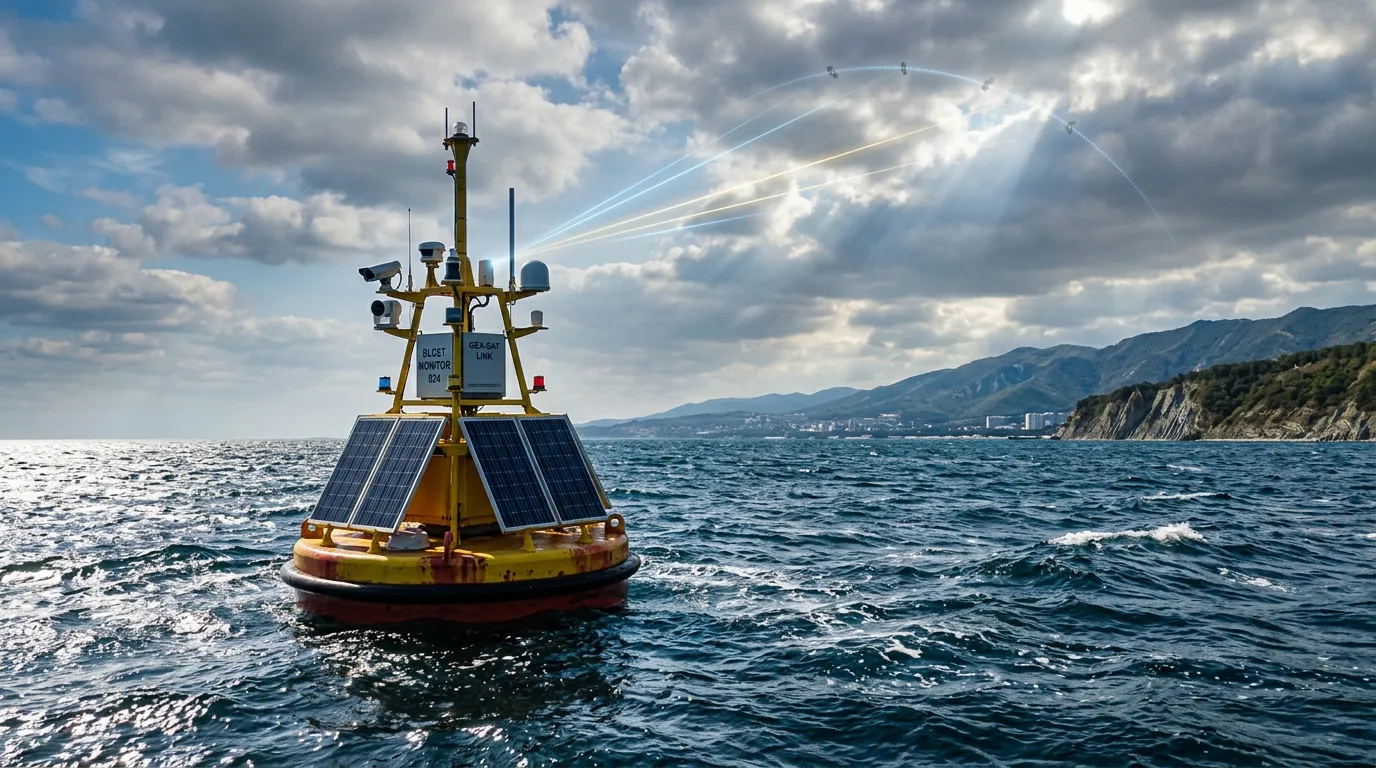
In the future, Dmitry Glukhovets' model could provide the foundation for digital twins of marine environments capable of simulating the consequences of both natural processes and human activities. Such systems could improve long-term climate projections while supporting operational monitoring by Roshydromet. Marine monitoring platforms would integrate observations from satellites, autonomous buoys and coastal stations. The algorithm is also expected to be incorporated into broader environmental models and extended to additional seasons and coastal regions.