Technomatika Gives Math Teachers a Digital Skills Upgrade in Russia’s Irkutsk Region
Eighty teachers from 18 municipalities across Russia’s Irkutsk Region have returned to the classroom so they can help reshape IT education beginning this September.

Even the most advanced curriculum cannot succeed without well-prepared teachers. Schools can purchase thousands of laptops and install the latest software, but meaningful technological progress will not happen if educators lack modern digital skills. That is the challenge the new Tekhnomatika (Technomatics) project is designed to address. Irkutsk Region has become the pilot site for a program focused on strengthening the digital competencies of school teachers.
September Brings New Beginnings
The first participants included about 80 teachers representing 18 municipalities. From June 30 through July 2, they completed a three-day in-person intensive program at Irkutsk State Transport University. They are now preparing to introduce updated curricula for students in grades 5 through 11. Between September and December 2026, organizers plan to open 30 instructional groups serving approximately 400 students.
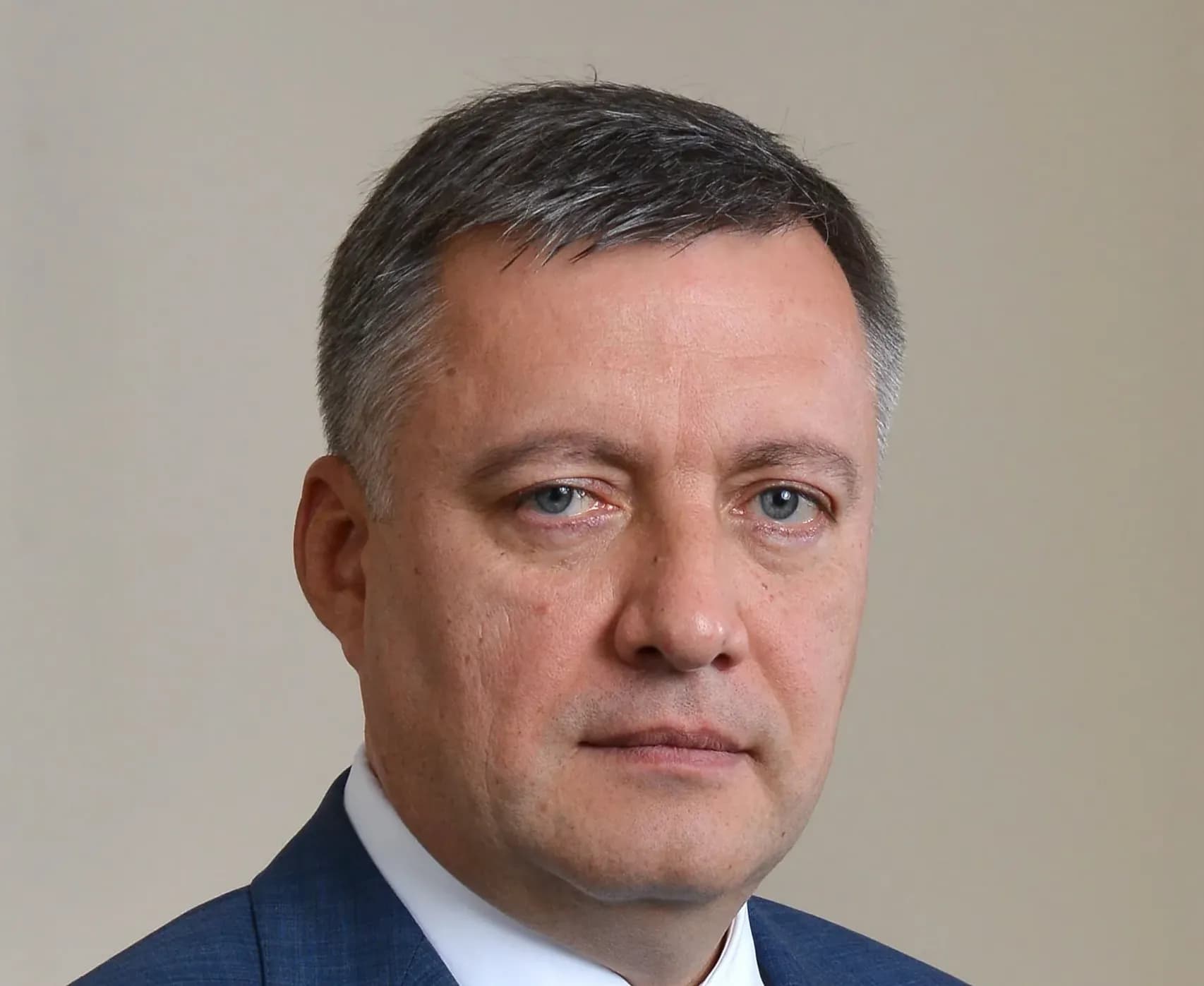
The project is being implemented through a partnership between the regional government and Chestny znak (Honest Sign), the operator of Russia’s national product labeling system. The agreement was signed by Governor Igor Kobzev and Mikhail Dubin, Chairman of the Board of Directors of the Center for the Development of Advanced Technologies, during the 2026 St. Petersburg International Economic Forum. State Duma deputy Maria Vasilkova is also supporting the initiative.

Digital Skills for School and the Workplace
Irkutsk Region expects to attract more than 300,000 specialists to major investment projects by 2034, averaging about 25,000 people each year. Employers currently report approximately 37,000 open positions, while fewer than 6,000 people are officially registered as unemployed. Tekhnomatika is intended to help slow the outflow of talent, as many young professionals currently leave the region for larger cities.
The program centers on practical, workplace-oriented tasks. Students will learn about data processing, digital product traceability, and information security – skills they are likely to encounter in future careers. Yet, one important principle remains: the curriculum should not be limited to the technologies of a single product-labeling operator but instead should build broadly applicable digital competencies.

One Teacher, Hundreds of Students
Tekhnomatika complements broader national education initiatives. Russia has launched several large-scale programs in this area. Since 2022, the nationwide Tsifrovoy likbez (Digital Literacy Lessons) initiative has provided teaching resources for educators working with learners of all ages. Between February and March 2026 alone, the program reached more than 800,000 students and 50,000 teachers with educational materials covering financial security and artificial intelligence. Another nationwide initiative, Kod budushchego (Code of the Future), has operated since 2022, allowing students in grades 8 through 11 to study modern programming languages free of charge. Robotics and artificial intelligence were added to the curriculum in 2025.
Tekhnomatika, however, distinguishes itself through its teacher-first approach. The Irkutsk initiative places educator preparation at the center of the model. A single well-trained teacher can pass new knowledge on to hundreds of students, making this approach far more scalable than one-time instructional programs aimed only at schoolchildren.
Another feature that sets Tekhnomatika apart is its partnership with a technology company. That helps ensure the training remains grounded in practical applications. Irkutsk State Transport University, which hosts the intensive program, has extensive experience preparing specialists for the real economy. The university also operates continuing professional education programs for employees working in high-technology industries.

Following the Trail
For now, Tekhnomatika remains a pilot project, but its prospects for expansion appear strong. The next steps include opening additional instructional groups and bringing more municipalities into the program. Ultimately, success will be measured not by the number of teachers trained but by the educational outcomes achieved by their students.
This public-private partnership model for K-12 education could serve as a blueprint for other Russian regions. Continued success will depend on regularly updating the curriculum and bringing additional partners into the initiative. If that happens, students will be able to keep pace with technological change by following the path first established by their teachers.