Smart Eyes for Sintering Machines
Ural Steel is deploying AI-powered monitoring across its agglomeration line, aiming to raise output reliability and reduce unplanned downtime through machine vision.
Five Thousand Tons From Algorithms
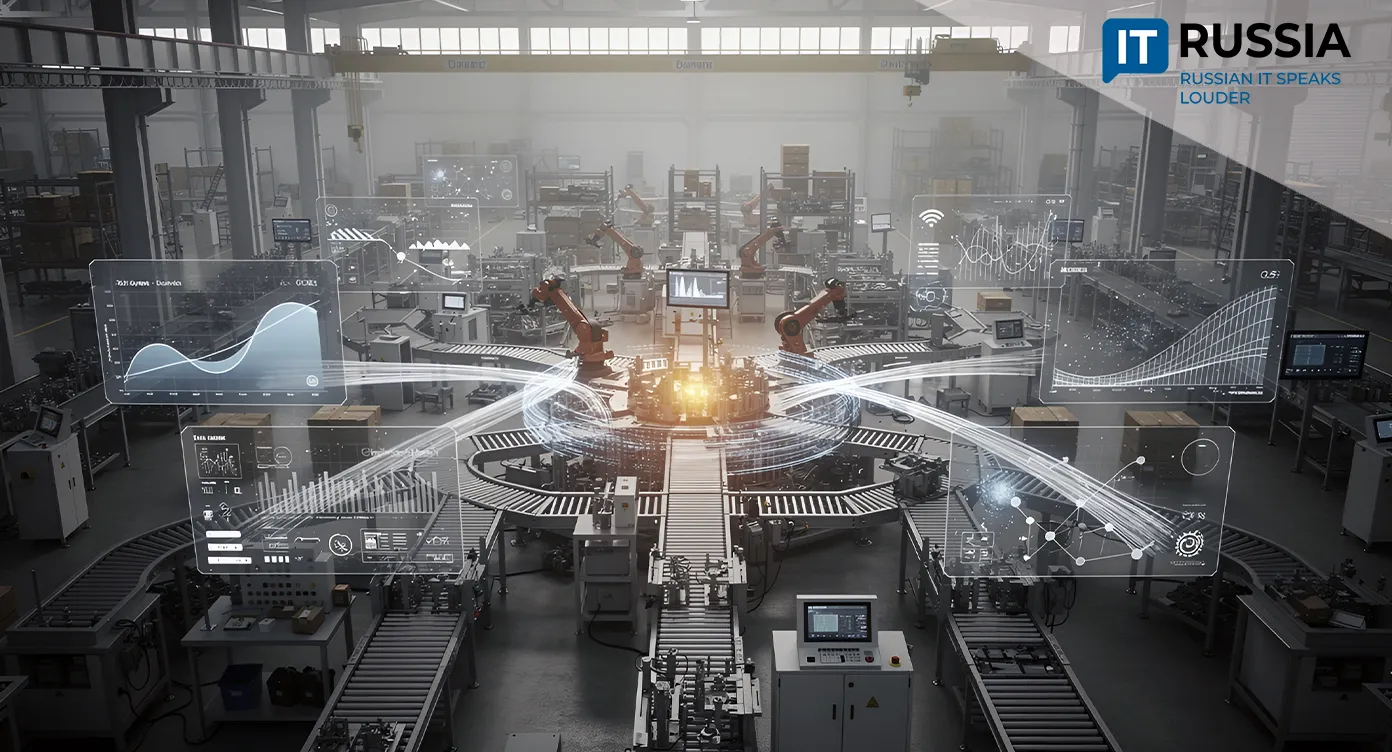
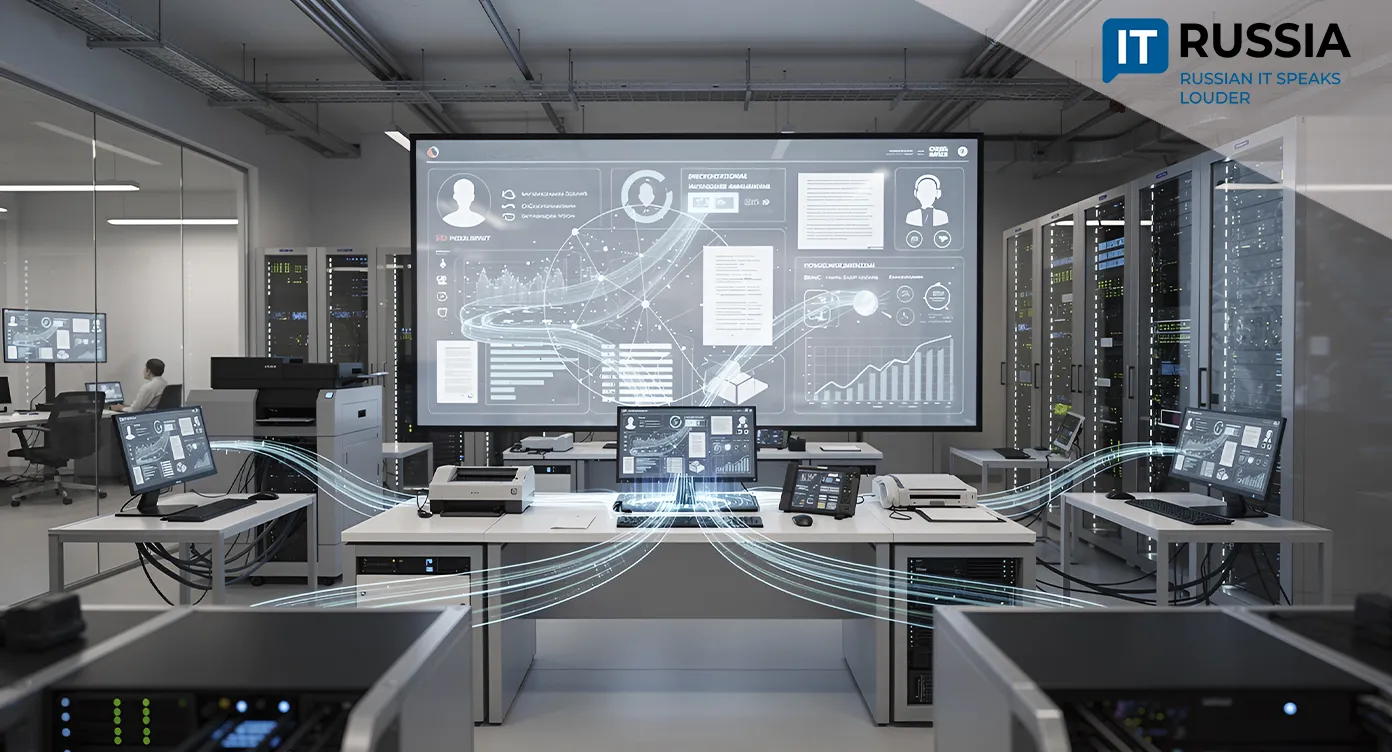
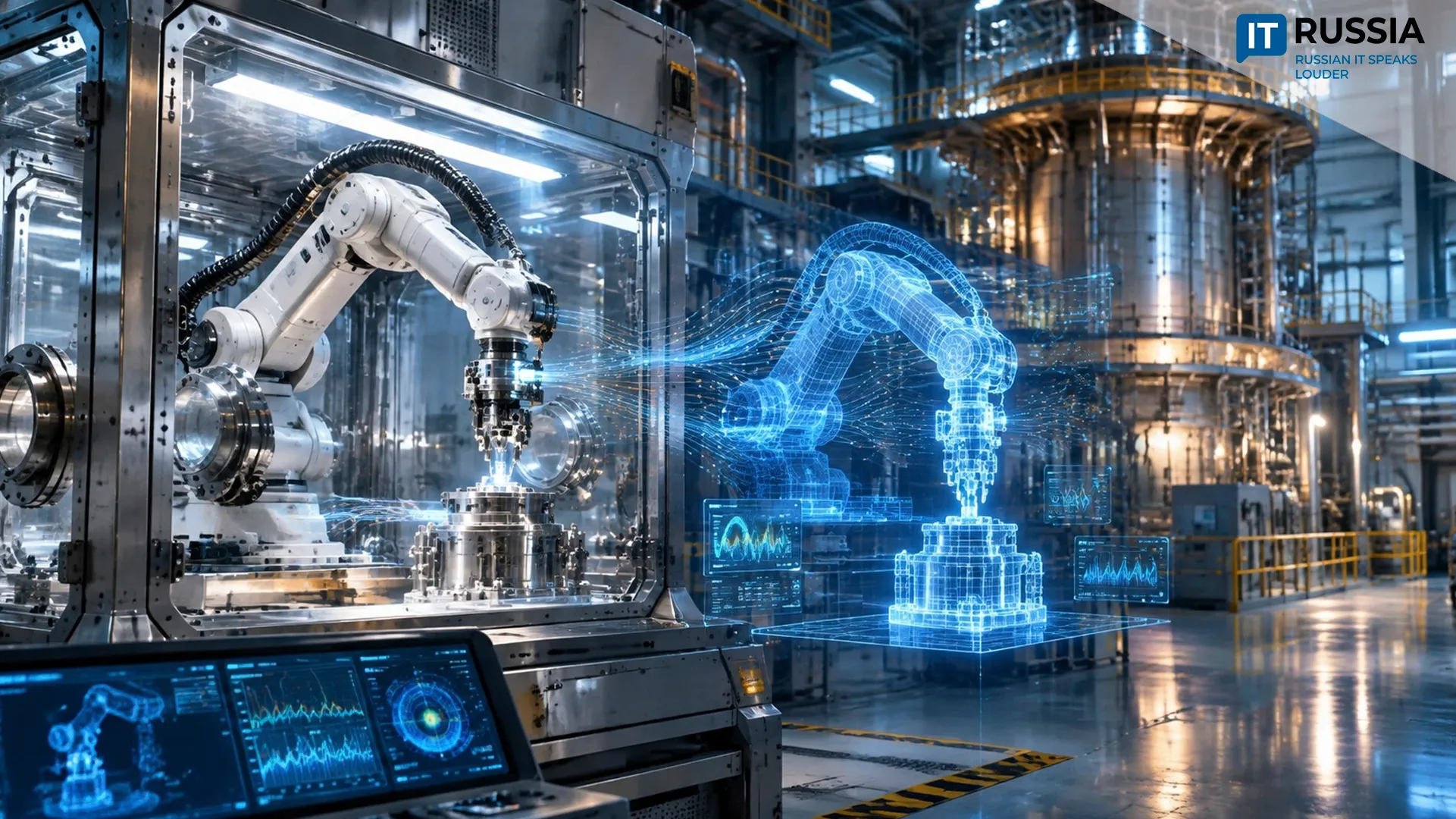
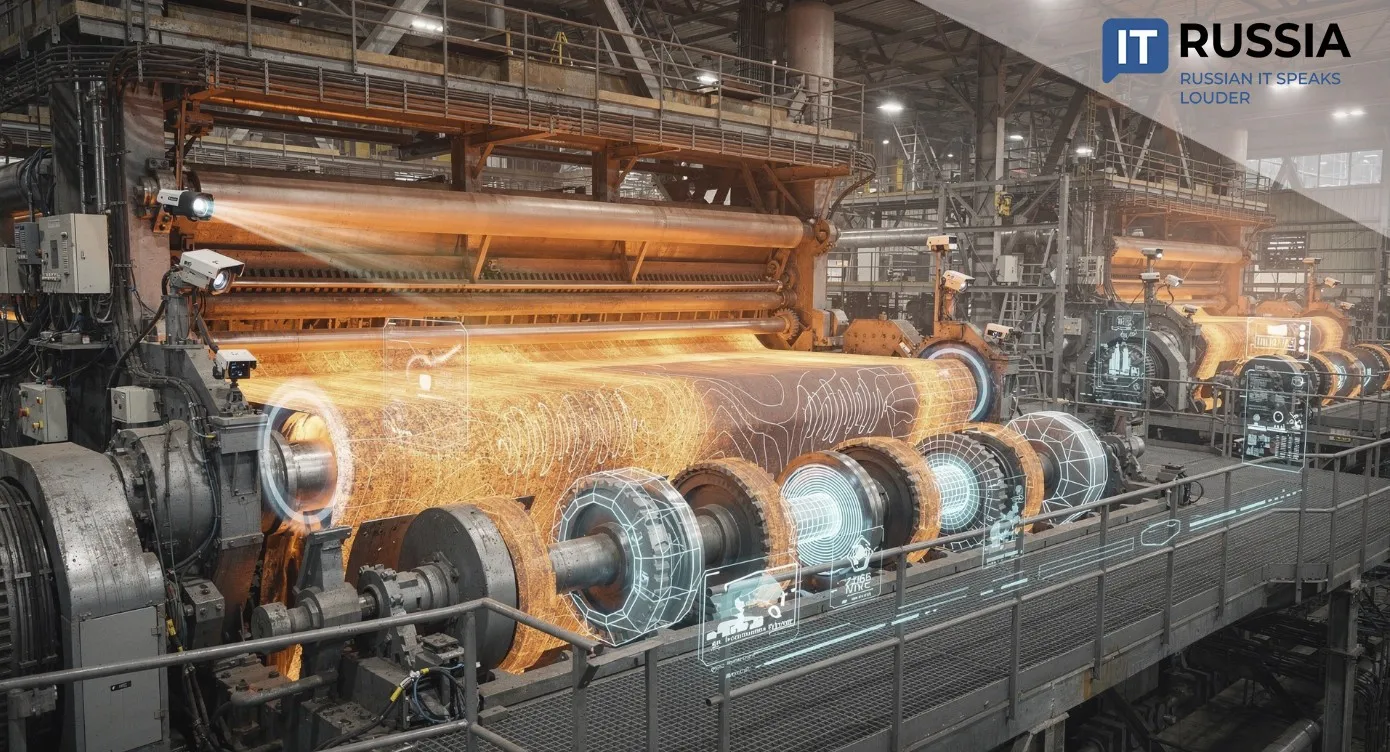
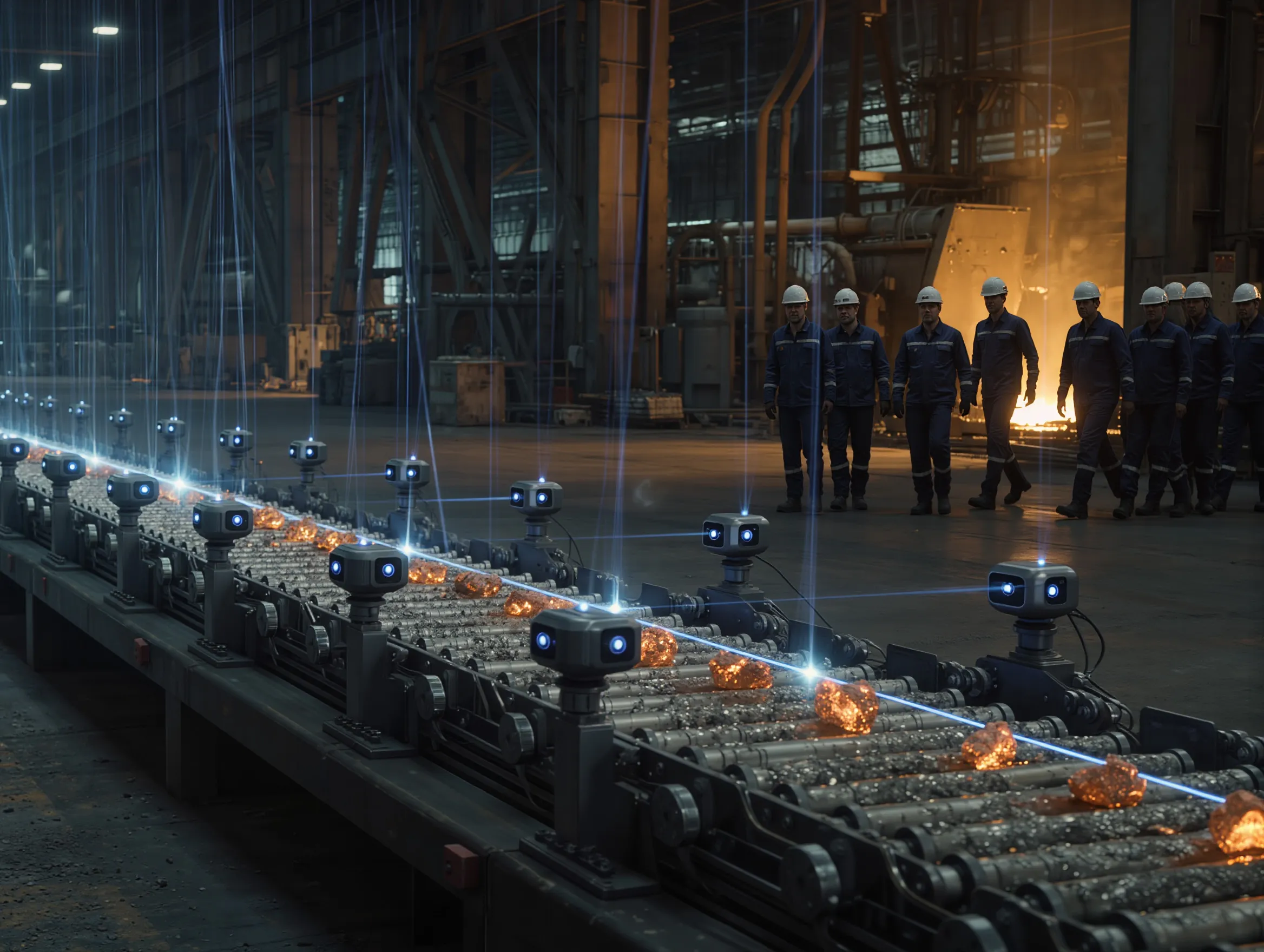
The agglomeration shop at Ural Steel is finalizing deployment of an intelligent video monitoring system with machine vision capabilities to oversee critical process equipment. The project, implemented on the company’s third sintering machine, is entering its final phase. Within weeks, the system is expected to move into full 24/7 operational mode.
The upgrade enables real-time monitoring of equipment condition and key components, reducing the risk of emergency shutdowns and increasing production stability. Company engineers estimate the system will deliver an additional 5,000 tons of agglomerate annually. That incremental volume is strategically significant for ensuring consistent performance in the blast furnace shop.
The End of Manual-Only Oversight
Machine vision implementation represents more than a technical refresh. It marks a structural step toward digital maturity in a traditionally heavy industrial segment. Manual inspection under high-load operating conditions has long been a bottleneck. Human fatigue, subjective judgment, and delayed response increase the likelihood of unplanned downtime.
The automated system addresses these constraints by analyzing visual parameters of the process, including surface temperature indicators, vibration patterns, and structural integrity markers. It generates instant alerts when deviations are detected. In Russia’s metallurgical sector, where competition for incremental efficiency gains is intensifying amid sanctions-related supply constraints and workforce challenges, such tools are becoming operational necessities rather than optional upgrades.
Industrial Giants Lean Into AI
The Ural Steel initiative aligns with a broader digital transformation trend across Russian industry. Five years ago, similar deployments were isolated cases. Today, they are increasingly systematic. EVRAZ ZSMK has introduced machine tool monitoring systems, and Ural Steel previously deployed automated bearing lifespan monitoring on its continuous casting machines.


Artificial intelligence deployment in core production processes is also a priority for Norilsk Nickel. At the Kola MMC concentrator, a machine learning system now manages flotation operations. The AI analyzes dozens of parameters in real time and automatically adjusts equipment settings. The measurable result is a 0.7% increase in nickel recovery from the same volume of ore without raising extraction levels. The system has demonstrated economic viability and is now scaling to the Talnakh concentrator and the Monchegorsk refining facility, where algorithms optimize copper and nickel matte separation. Digitalization is becoming a systemic driver of profitability and risk mitigation for one of the world’s largest metallurgical holdings.
These cases underscore a clear pattern. Russian metallurgical producers are applying AI to solve defined operational challenges, from downtime reduction to yield improvement.
Predictive Analytics Reshapes Metallurgy
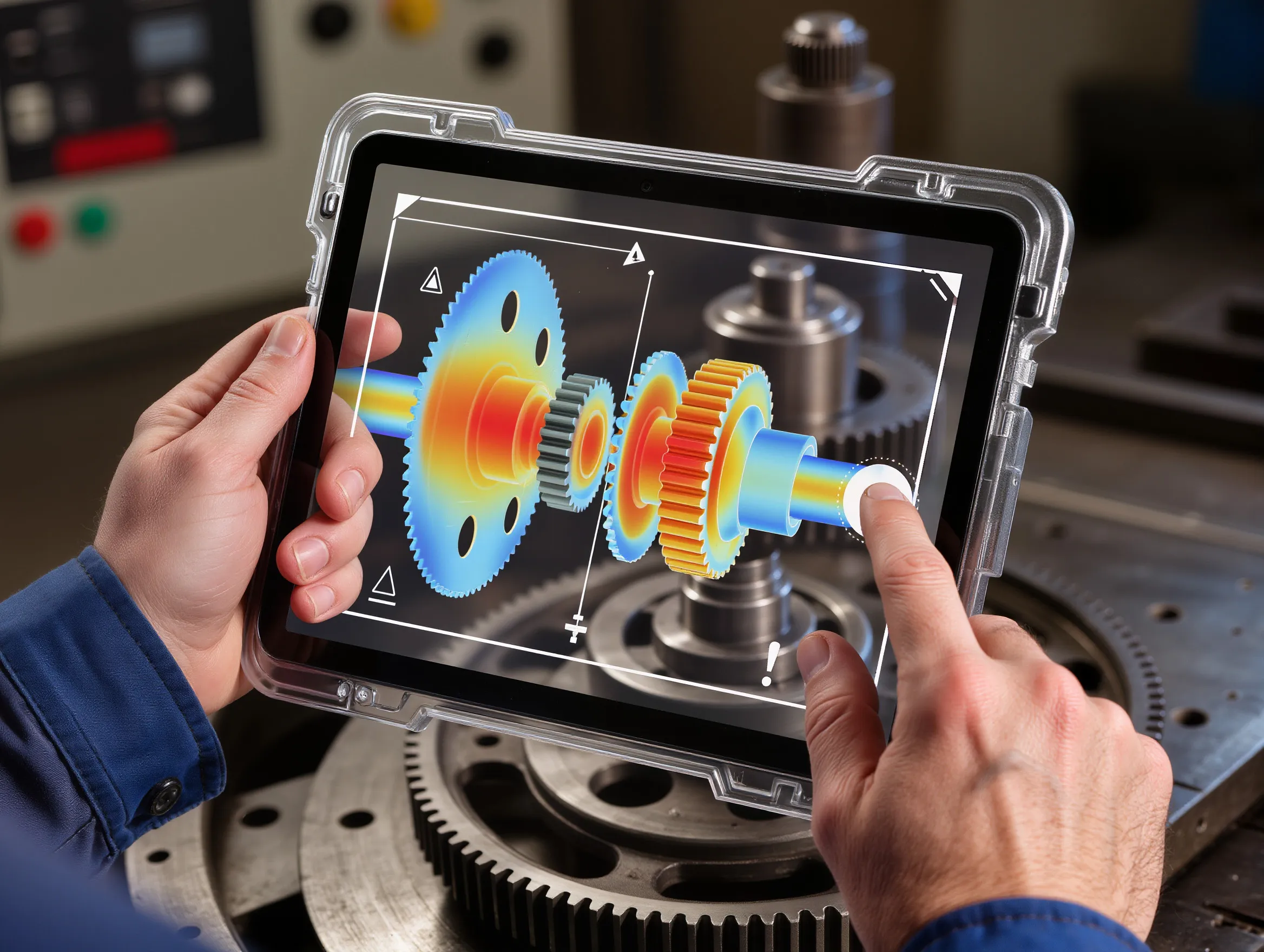
The scaling trajectory is evident. A successful pilot in the agglomeration shop provides a foundation for extending the technology to rolling mills, blast furnaces, and casting units. Domestically, this accelerates the shift from reactive repair models to predictive maintenance, improves worker safety, and reduces dependence on manual inspection.
From a technology export standpoint, the Ural Steel system itself is an internal digital installation rather than a commercial product. However, the use case strengthens the reference portfolio of Russian video analytics developers seeking entry into global markets. Adapted industrial monitoring solutions are in demand across metallurgical economies, including Turkey, India, and Latin America.
From Import Dependence to Export Capability
The global context reinforces this strategic direction. Industry leaders such as GE Digital, Siemens MindSphere, and Honeywell Forge have long integrated machine vision into industrial platforms. Facing restricted access to some foreign solutions, Russian enterprises have accelerated development of domestic competencies. This shift not only reduces technological dependence but also builds export capacity for Russian AI-based industrial software.
Analysts forecast that by 2027, comparable systems will become standard for large metallurgical plants. Digitalization is moving beyond isolated pilots and embedding itself in production management strategy. Investments in machine vision are expected to drive parallel demand for predictive analytics platforms, digital twins of equipment, and cloud-based industrial data processing infrastructure.
For a sector often viewed as conservative, this signals a transition to a new operating paradigm. Ore and coke remain critical inputs, but data is emerging as a strategic asset, and algorithms are becoming a core growth lever. By prioritizing machine vision, Ural Steel demonstrates that digital transformation in metallurgy is no longer theoretical. It is operating directly on the shop floor, on the sintering machine, in real time.