In Russia, 'eavesdropping' traffic lights are being installed
Russia is deploying adaptive “listening” traffic lights that analyze street noise in real time and adjust audio signals to make crossings safer and more accessible
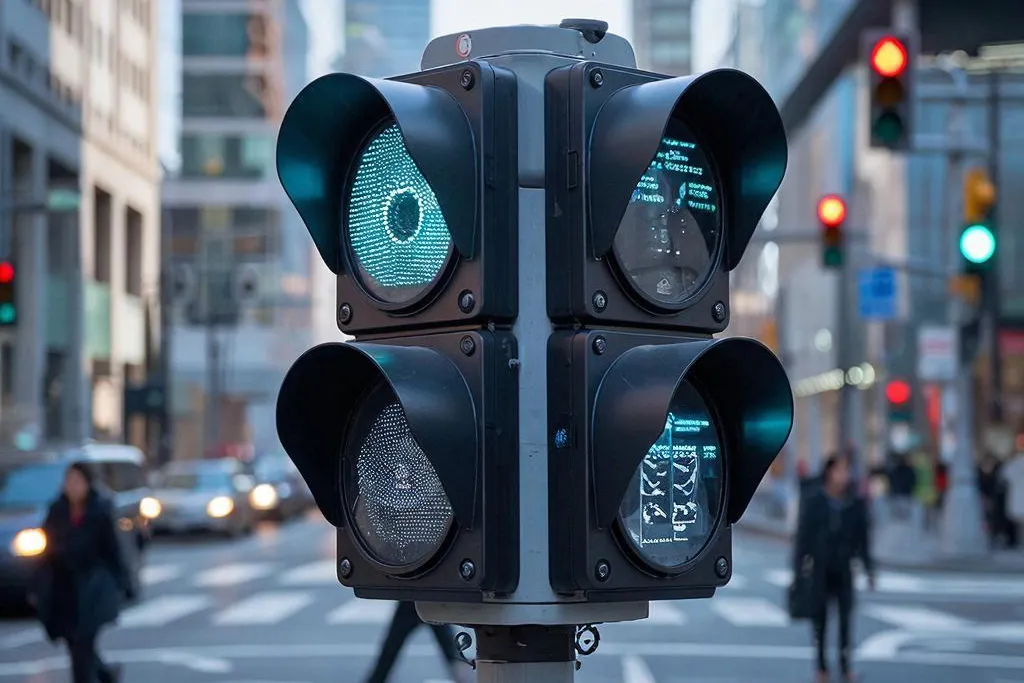
Traffic Lights That Hear the City
Saint Petersburg has begun a large‑scale rollout of smart traffic lights equipped with adaptive acoustic signaling. Unlike earlier systems that relied on preset schedules, these devices use onboard sensors to continuously monitor ambient noise and adjust the volume of pedestrian signals in real time. When loud vehicles pass, the alert becomes stronger; at night, when the city quiets down, the system lowers the volume to avoid disturbing residents.
Developed and manufactured in Russia, the technology represents a major upgrade over previous generations — and, according to its creators, surpasses many foreign analogues. Each smart signal unit listens to its surroundings through dedicated noise sensors and instantly recalibrates output levels.
Digital Transformation of Urban Infrastructure
A key component of the project is the deep integration of all upgraded traffic lights into a centralized digital control hub. The system automatically monitors device health and alerts municipal teams the moment it detects a malfunction, often before pedestrians notice anything amiss. This shift toward predictive maintenance makes street‑level infrastructure both more reliable and more responsive.
The initiative is designed primarily to assist visually impaired residents who depend on accurate audio cues, but it ultimately creates a more inclusive and comfortable environment for all city dwellers. More than a thousand adaptive units are already in operation, and Saint Petersburg now approaches 8,000 traffic lights with sound signaling. Authorities plan to continue replacing legacy equipment with these intelligent systems.
Technology That Serves People
The deployment of listening traffic lights demonstrates how targeted urban technologies can meaningfully improve daily life. By combining sensor analytics, real‑time signal processing, and centralized digital oversight, the project strengthens pedestrian safety while positioning Saint Petersburg as a leader in accessible smart‑city design.
Beyond its local impact, the system illustrates Russia’s growing capacity to develop socially oriented, high‑reliability urban tech — a model other global cities may eventually follow.